

The New York City Office of the Chief Medical Examiner confirmed in 2025 that 1,653 individuals killed in the September 11 attacks at the World Trade Center have been positively identified through DNA analysis, out of 2,753 people who died at the site. That number – 1,653 identifications over two and a half decades – tells you something about the collapse that no conspiracy theory ever quite captures: the sheer physical violence of what happened was so complete that nearly half the people who died left almost nothing behind to find. The 9/11 conspiracy theories that have circulated since that morning are built, in many cases, on the gaps that violence created – the unanswered questions, the missing wreckage, the incomplete paper trail. The gaps are real. The conspiratorial conclusions drawn from them mostly aren’t.
That distinction matters because the factual record around 9/11 is extensive and, in places, genuinely complicated. Some questions that generated theories in the early 2000s took years to be answered by engineers, investigators, and forensic scientists. Others involved real institutional failures that deserved scrutiny. The problem is that “this is complicated” and “therefore it was staged” are very different claims, and conflating them has driven two decades of misinformation. Here are eight of the most enduring points of confusion, where they come from, and what the evidence actually says.
1. The Twin Towers Couldn’t Have Collapsed From Fire Alone
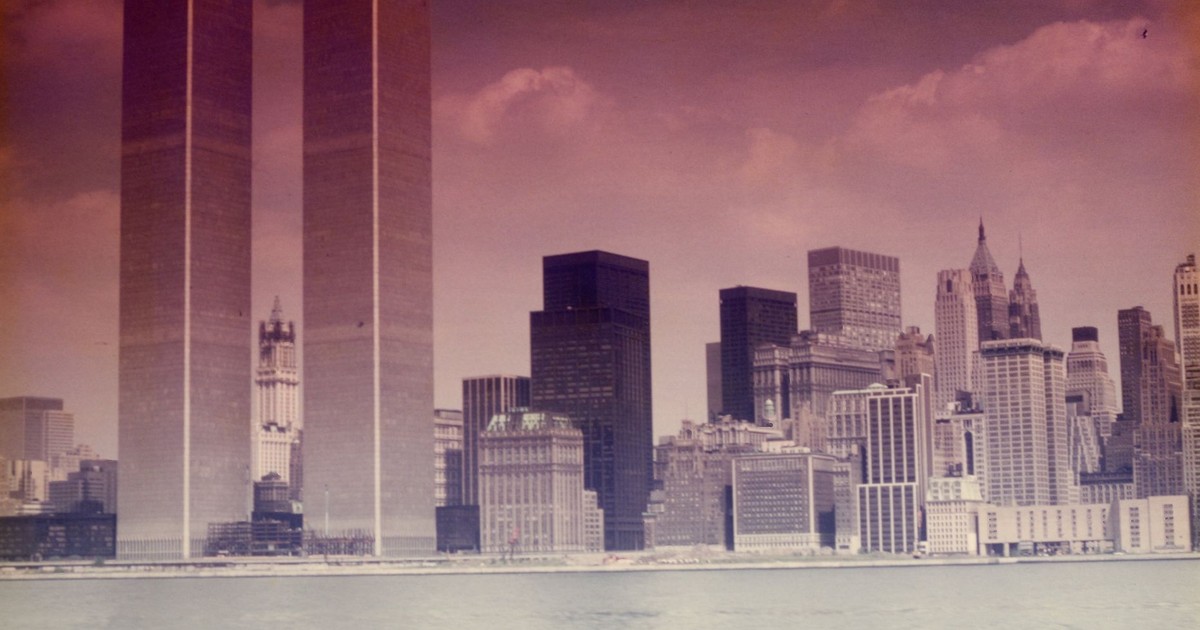
This is the claim that launched an entire conspiracy movement. The towers fell fast, fell straight down, and produced enormous clouds of debris – all of which looked, to some observers, like controlled demolition footage. The idea that office fires could bring down steel-framed skyscrapers struck millions of viewers as physically implausible.
The physics are less mysterious than they appear on video. Steel maintains most of its structural strength until temperatures reach around 316°C, but loses approximately half its load-bearing capacity when heated to the 538°C – 593°C range. According to the multi-year NIST investigation, fires combined with aircraft impact alone would not have been enough to bring the buildings down – the real culprit was the dislodging of fireproofing materials during impact, which exposed vital structural components directly to the heat.
The fires were not merely burning paper and furniture. They were fed by tens of thousands of gallons of jet fuel distributed across multiple floors simultaneously. According to the Journal of Minerals, Metals and Materials Society, structural steel begins to soften around 425°C and loses about half its strength at 650°C, consistent with the temperature range investigators documented inside the buildings after impact. The WTC towers likely would not have collapsed under the combined effects of aircraft impact damage and extensive multi-floor fires if the thermal insulation had not been widely dislodged during impact. The failure happened from within, floor by floor, not from a single catastrophic blow.
2. Building 7 Was Never Hit by a Plane – So Why Did It Fall?

World Trade Center Building 7 is the most persistent source of 9/11 conspiracy theories, and for understandable reasons. A 47-story skyscraper collapsed at 5:20 p.m. that day – hours after the Twin Towers – without being directly struck by any aircraft. The fall of the 47-story WTC 7 was primarily due to fires, according to NIST, and this was the first known instance of fire causing the total collapse of a tall building. That fact alone is genuinely remarkable, and not surprising that it raised eyebrows.
Heat from uncontrolled fires caused thermal expansion of steel beams on the lower floors of the east side of WTC 7, damaging the floor framing on multiple floors. Those fires were otherwise similar to fires experienced in other tall buildings, but caused an extraordinary event: heating of floor beams and girders caused a critical support column to fail, initiating a fire-induced progressive collapse that brought the building down.
The controlled demolition theory ran into a specific evidentiary problem. According to NIST’s investigation, the smallest blast capable of crippling the critical column would have produced a “sound level of 130 to 140 decibels at a distance of half a mile” – yet no such noise was reported by witnesses or recorded on video. The silence is not consistent with demolition.
3. The Pentagon Crash Left Almost No Visible Wreckage
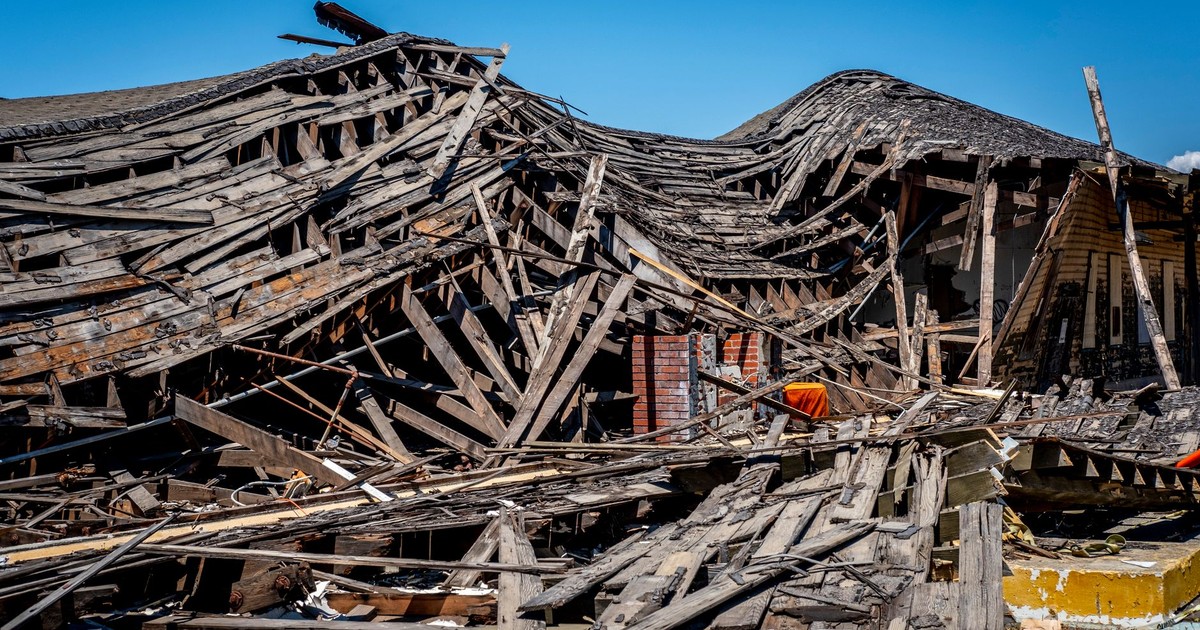
The claim that no plane hit the Pentagon became one of the most widely shared 9/11 conspiracy theories online, fueled by early photographs that showed a relatively intact outer wall and what appeared to be a clean, small entry hole. For people who had watched the World Trade Center buildings absorb massive, visually dramatic impacts, the Pentagon scene looked wrong.
American Airlines Flight 77 struck the Pentagon, killing 184 people, including the 64 people on board the aircraft. The apparent lack of debris is largely explained by physics and the specific construction of the Pentagon’s reinforced outer ring, which was undergoing renovation and had recently been upgraded with blast-resistant windows and steel-reinforced walls. The aircraft largely disintegrated on impact with a reinforced concrete structure – a different outcome than hitting the glass-and-steel curtain walls of a skyscraper, but not a mysterious one.
The FBI’s evidence photographs from that day show fragments of American Airlines Flight 77 recovered from the Pentagon crash site. Physical evidence associated with the aircraft was recovered and entered into investigative records, with no credible evidence that any hijacker survived the crashes.
4. The Hijacker Identities Were Initially Questioned
Within days of the attacks, reports circulated that several of the named hijackers were still alive – living people who shared names or identification documents with those on the FBI’s confirmed list of 19 hijackers. FBI Director Robert Mueller acknowledged questions raised by Saudi Arabian officials about whether some identified hijackers had used stolen identifications, and later stated those questions had been resolved.
The explanation is less sinister than it sounds. Identity theft and the use of stolen or borrowed documentation was a documented al-Qaeda operational practice. The National Commission on Terrorist Attacks Upon the United States, better known as the 9/11 Commission, was an independent, bipartisan body created by congressional legislation and charged with preparing a full account of the circumstances surrounding the September 11, 2001 attacks. The confusion arose because some living individuals happened to share names or partial identification details with hijackers who had stolen or fabricated their cover identities. Mueller ultimately stated that investigators definitively identified the 19 hijackers responsible.
Court documents unsealed in early 2025 added further prosecutorial detail on the operational chain of command, providing fresh evidence about Khalid Sheikh Mohammed’s role as the operational architect of the attacks. The paper trail, far from thin, has grown more detailed with each round of declassification.
5. The Scale of the Casualty Numbers Has Been Disputed
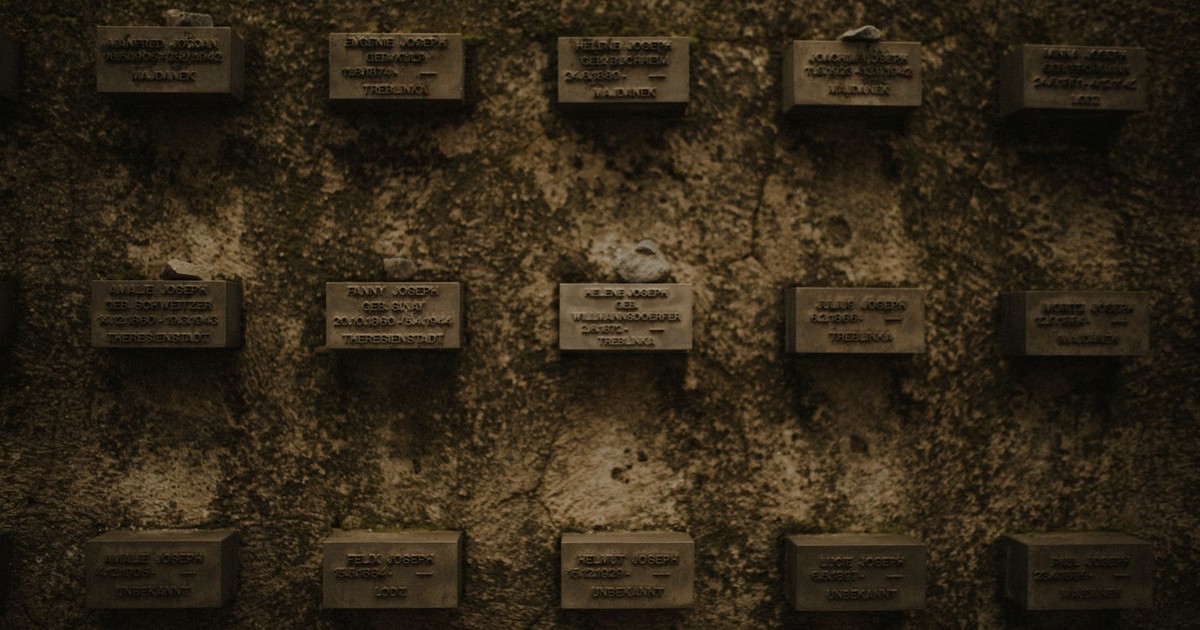
The official death toll from 9/11 stands at 2,977 victims, excluding the 19 hijackers. That number has remained consistent across major reference sources, but conspiracy theories have attached to the victim identification process – specifically the incomplete nature of remains recovered at Ground Zero – as supposed evidence of manipulation.
The identification process has been extraordinarily difficult, and the challenges are real. The medical examiner’s office has tested all 21,905 remains recovered from the World Trade Center site, from fragmented body parts to small shards of bone. As of 2025, the confirmed tally reached 1,653 individuals positively identified through DNA analysis, according to the New York City Office of the Chief Medical Examiner. Yet 40% of victims – roughly 1,100 people – have not had any of their remains identified by authorities.
The complexity of that process – driven by the nature of the collapse and the extreme heat – is the reason identification remains ongoing more than two decades later, not evidence of anything hidden. In many cases, it has taken technological advancements occurring over years for any DNA to be extracted from remains: “We just keep going back to those samples where there was no DNA. Now the technology’s better and we’re able to do things today that even last year we weren’t able to do.”
6. Flight 93’s Crash Site Appeared Inconsistent With a Plane Crash
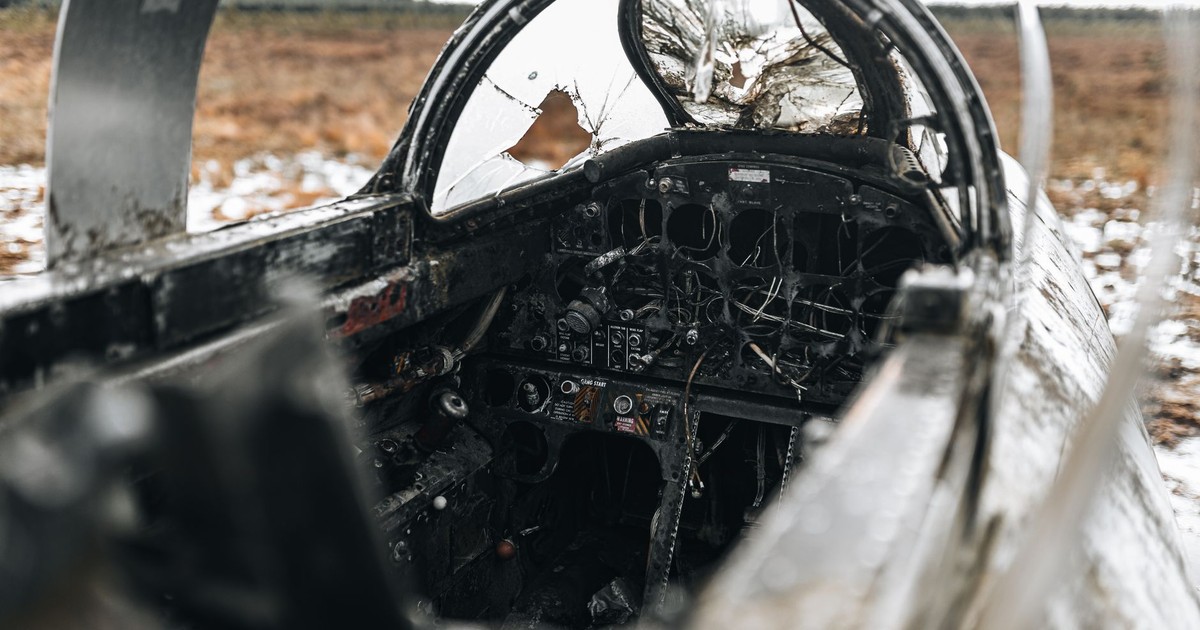
Flight 93 crashed near Shanksville, Pennsylvania at 10:03 a.m., with 40 passengers and crew aboard. Early photographs of the Shanksville site showed a relatively shallow crater and little visible wreckage – prompting theories that the plane had been shot down, or that no crash occurred at all.
Crash investigators who worked the scene offered straightforward explanations. Flight 93 hit the ground at a near-vertical angle and at high speed, meaning the aircraft essentially drove itself into the soft Pennsylvania soil before fragmenting. Small, scattered debris fields and shallow craters are consistent with high-speed, steep-angle impacts – different from the spread-out wreckage visible when planes break apart at lower altitudes or shallower angles. The flight’s final moments were captured by cockpit voice recorder, and passenger calls – made using airphone systems in the final minutes – documented the attempt to retake the cockpit.
The shot-down theory persisted partly because of debris found miles from the main crash site. Investigators attributed this to the aircraft breaking apart at altitude during the struggle in the cockpit, with some lightweight materials caught by wind before the main fuselage hit the ground. No physical evidence consistent with a missile strike – shrapnel, blast patterns, or explosive residue – was recovered at the scene.
7. The Government Had Warnings and Did Nothing
This particular strand of 9/11 conspiracy theories touches on a genuinely documented intelligence failure – which is precisely what makes it so durable. There were warnings. The August 6, 2001 Presidential Daily Brief famously included a heading referencing Osama bin Laden and potential attacks inside the United States. The 9/11 Commission documented a specific structural problem: the U.S. government did not find a way of pooling intelligence and using it to guide the planning and assignment of responsibilities for joint operations involving entities as disparate as the CIA, the FBI, the State Department, the military, and the agencies involved in homeland security.
The leap from “there were warnings” to “the government allowed it to happen” requires collapsing the distinction between systemic failure and intentional inaction. The warnings that existed were fragmentary, often vague, and distributed across agencies that were not sharing information effectively. That failure was institutional and bureaucratic – damning in its own right, but categorically different from deliberate facilitation.
Saudi Arabia was a problematic ally in combating Islamic extremism before 9/11. The Saudi and U.S. governments did not fully share intelligence information or develop an adequate joint effort to track and disrupt the finances of al-Qaeda. Federal investigators formally investigated three Saudi nationals – Fahad Al-Thumairy, Omar Al-Bayoumi, and Musaed Al-Jarrah – suspected of helping two hijackers prior to the attacks, with records indicating they allegedly provided assistance including procuring living quarters and helping with assimilation into Southern California. The existence of such support networks has kept questions alive about what was known and when. Those are legitimate questions of accountability – not evidence of a coordinated inside operation.
8. The Official Investigation Was Too Large to Be Fully Trusted

A recurring argument in 9/11 conspiracy theory circles is that the government investigated itself – making the findings inherently suspect. The NIST investigation, in particular, is cited as potentially compromised because it was a federal agency examining a federal response to an attack under a federal administration.
According to NIST’s World Trade Center investigation page, more than 200 professionals and technical subject matter experts, including 85 NIST staff members, participated in the investigation. The team gathered every bit of evidence they could find, including interviews with 1,056 surviving occupants of the WTC buildings and 116 emergency responders. NIST released 47 reports from the investigation – totaling about 11,000 pages – which included robust science-based findings and conclusions, as well as recommendations for major safety improvements to U.S. buildings.
The sheer scale of that documentation – covering structural engineering, fire dynamics, materials science, evacuation behavior, and emergency response – makes coordinated fabrication implausible, not because government agencies are above reproach, but because 11,000 pages produced by hundreds of independent engineers would require an extraordinary number of people to be lying in technically consistent ways. Roughly 200 technical experts reviewed tens of thousands of documents, interviewed more than 1,000 people, reviewed 7,000 segments of video footage and 7,000 photographs, and analyzed 236 pieces of steel from the wreckage. Disagreement exists in the scientific literature – as it does in most complex forensic investigations – but that disagreement centers on methodology and modeling assumptions, not on whether the buildings were blown up.
Read More: Can Trauma Be Passed Down From Generation to Generation Through Your Genes?
What the Evidence Actually Tells Us

The first 9/11 conspiracy theories appeared online within hours of the attacks, and with the rise of social media they have grown in scope and scale ever since. Traumatic events of enormous scale create genuine uncertainty, and genuine uncertainty is the raw material that misinformation needs.
Understanding why these theories persist matters more than debunking each one in isolation. People who believe that 9/11 was an inside job are often responding, at least in part, to real institutional failures – intelligence breakdowns, political decisions made in the aftermath, and questions about Saudi government connections that took decades to partially surface. The evidence does not support the conspiratorial conclusions, but dismissing the questions entirely misses why they keep being asked.
The factual record – tens of thousands of pages of engineering data, forensic evidence, survivor testimony, and prosecutorial documentation – points consistently in one direction. The 1,653 people identified by name from Ground Zero, the 11,000 pages of NIST engineering reports, the cockpit voice recorders and phone calls, the court documents that have grown more detailed with every round of declassification: each piece makes the same picture. Reading that record directly, rather than through the filter of online video narratives, remains the most reliable way to form an accurate picture of what happened on that September morning in 2001.
AI Disclaimer: This article was created with the assistance of AI tools and reviewed by a human editor.