
Vaccines have been the hallmark of medical innovation, preventing our extinction from viral pandemics. Yet, ever since the COVID-19 pandemic, vaccine hesitancy is rising. Social media platforms spread vaccine misinformation, dividing public opinion on vaccines. While researchers have debunked false claims linking vaccines to autism, critics have revived another age-old debate.
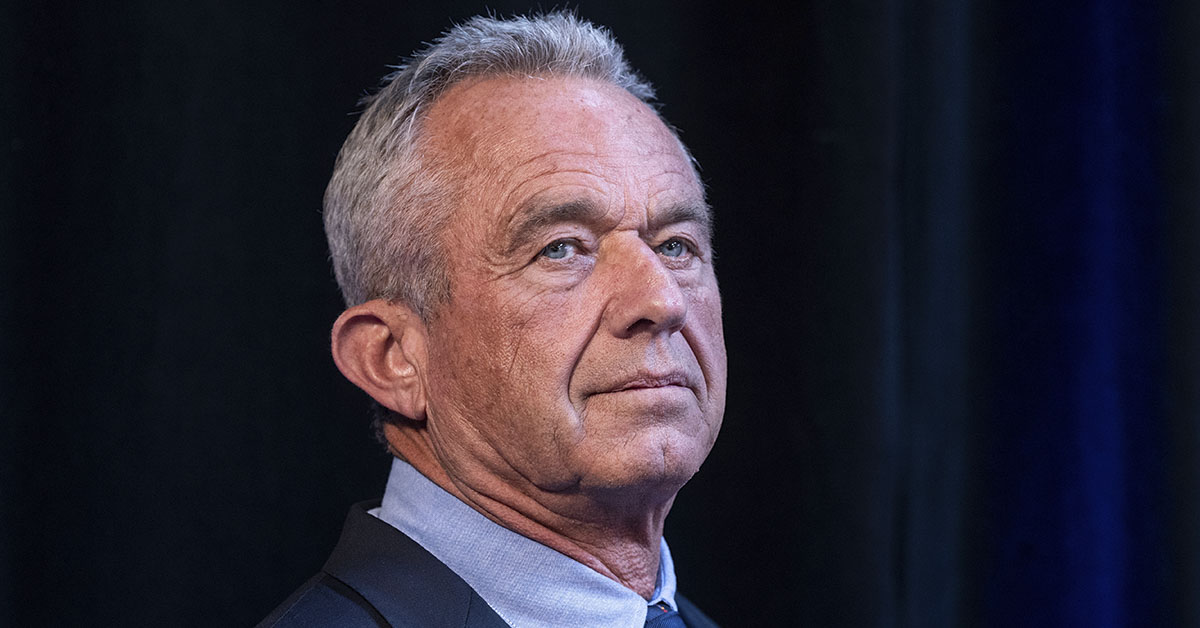
In a controversial move by Health Secretary Robert F. Kennedy Jr. wants to ban the use of thimerosal in vaccines. Manufacturers use thimerosal, a mercury-based preservative, in some multi-dose vaccines. As there is decades of evidence proving its safety, RFK Jr.’s desire to remove thimerosal has sparked confusion, questions and concerns.
Kennedy’s Committee Sparks Controversy Over Thimerosal
Health Secretary Robert F. Kennedy Jr. replaced the entire CDC vaccine advisory panel with handpicked members. RFK Jr. has been a long-standing vaccine skeptic and removed all previous 17 members of the Advisory Committee. The new Advisory Committee on Immunization Practices voted 5-2 to recommend against flu vaccines containing thimerosal.
This mercury-based preservative has been used safely in vaccines since the 1930s to prevent bacterial contamination. Thimerosal is found in only 4% of flu vaccines distributed in the United States. Most flu shots already come in single-dose formulations without thimerosal.
Understanding Mercury in Flu Shots
Thimerosal contains ethylmercury, which differs significantly from the very toxic methylmercury, which is found in fish. However, the body processes and removes ethylmercury much faster than methylmercury, preventing any build-up in body tissues that cause damage. Thimerosal is a preservative that prevents dangerous bacterial and fungal growth in multi-dose vaccine vials.
Researchers have extensively studied to ensure that thimerosal is safe and has minimal side effects. The only documented side effects include minor reactions like redness or swelling at injection sites. Multiple international health organizations including the World Health Organization continue to support thimerosal’s use in appropriate doses.
Scientific Evidence Debunks Safety Concerns
In the late 1990 and early 2000’s, public fears were sparked when preliminary studies suggested a correlation between thimerosal and autism. Extensive research has consistently found no link between thimerosal and autism or neurological disorders. A 2010 CDC study examined prenatal and infant exposure to thimerosal-containing vaccines. Researchers found no increased risk for autism spectrum disorders among exposed children compared to unexposed children..
Current Use of Thimerosal in Vaccines
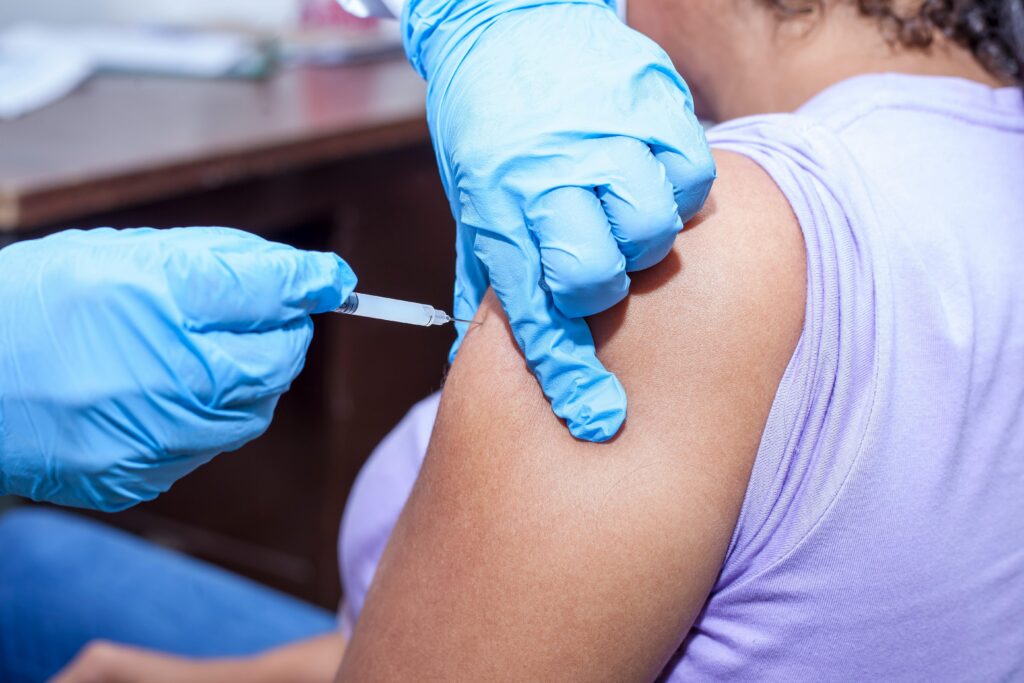
Thimerosal was removed from all routine childhood vaccines by 2001 as a precautionary measure. The removal occurred not because of any proven danger but to diminish public fears about mercury exposure. Currently, only some multi-dose flu vaccine vials contain thimerosal in the United States.
According to CDC data, 94% of flu vaccines administered during the 2024-25 season were thimerosal-free. Single-dose flu vaccines without thimerosal remain widely available for consumers who prefer them. Thimerosal helps preserve vaccines for global vaccine distribution, especially in areas where resources and access to healthcare are limited.
Medical Community Responds to Panel Decision

The American Academy of Pediatrics and American Medical Association criticized the committee’s vote saying this decision could undermine vaccine confidence. Dr. Cody Meissner, one dissenting panel member, stated the risk from influenza far exceeds any theoretical risk from thimerosal. Another point raised is that focus on thimerosal distracts away from pertinent issues such as increasing vaccination rates and accessibility.
Medical experts describe the vote as “anti-science” and lacking any substantial reasoning behind the decision. They emphasize that banning safe vaccine ingredients without scientific justification sets a dangerous precedent.
Read More: New RSV Vaccine Targets Pregnant Women and Seniors in UK Rollout
Impact on Public Health and Vaccine Access

Health officials worry the vote will increase vaccine hesitancy and reduce immunization rates amongst the public. Flu vaccination rates have already declined since the COVID-19 pandemic, with only 46.7% of eligible adults receiving flu shots in 2024-2025.
Removing thimerosal from multi-dose vials could affect global vaccine distribution efforts. These vials are more cost-effective and practical for mass vaccination campaigns in developing countries. The decision may limit access to life-saving vaccines in regions where distributing single-dose formulations is not feasible.
Political Motivations Behind the Vote
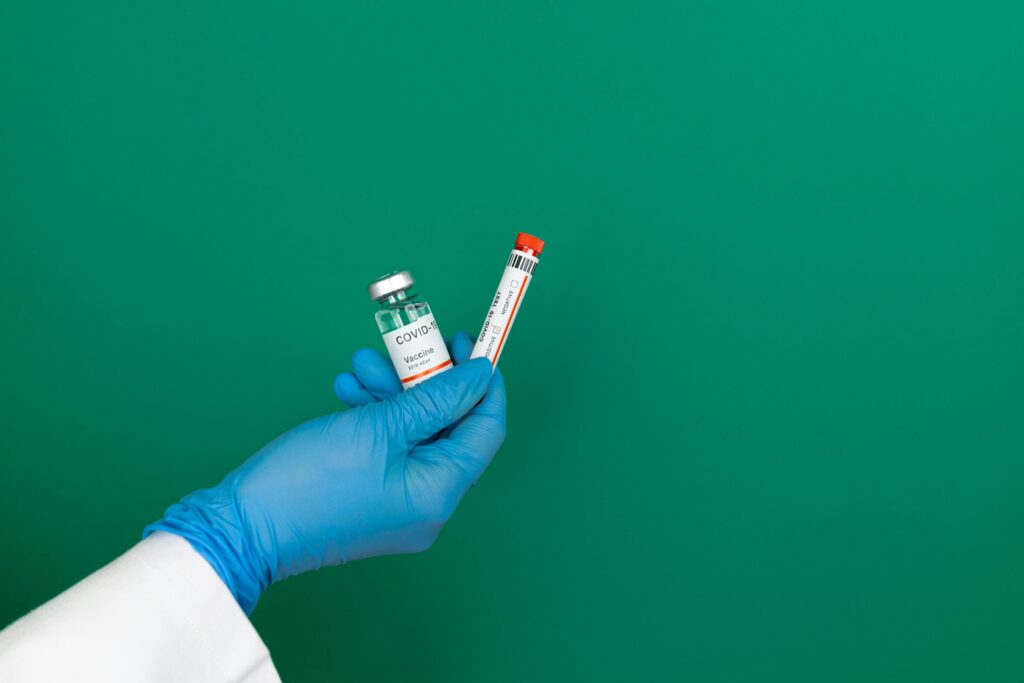
Kennedy, a long-standing vaccine skeptic, replaced vaccine advisers standing on the ACIP. Several new appointees have previously questioned vaccine safety and promoted debunked theories about vaccine ingredients. Critics argue the decision prioritizes political ideology over scientific evidence and public health.
Global Implications for Vaccine Policy
The World Health Organization maintains that thimerosal poses no safety risks in vaccines. International health agencies continue recommending thimerosal-containing vaccines where necessary and appropriate.
Developing nations rely heavily on multi-dose vials containing thimerosal for immunization programs. Any restrictions on these vaccines could jeopardize global vaccination efforts and disease prevention initiatives. The decision undermines international cooperation on vaccine safety and distribution.
Future of Vaccine Safety Oversight
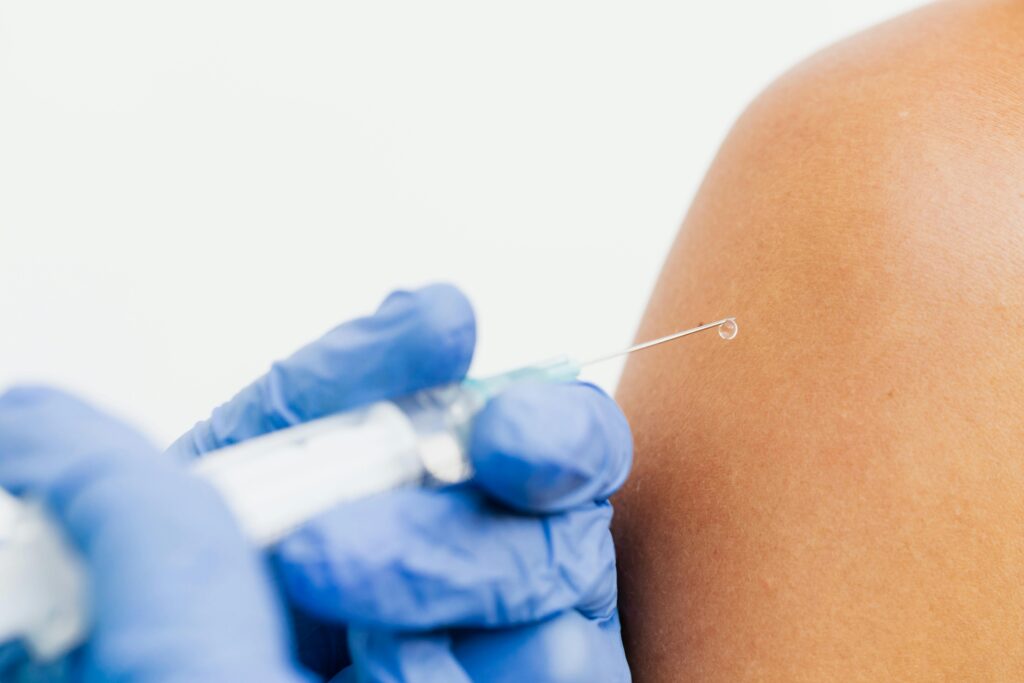
The committee’s actions raise questions about the future of evidence-based vaccine policy in the United States. The adoption of previously debunked theories on vaccines and departure from established protocols concerns public health experts and medical professionals.
The decision sets a precedent for removing safe vaccine ingredients based on political rather than years of scientific evidence. Future vaccine policies may face similar politically motivated challenges despite strong safety data. Maintaining public trust in vaccines will require renewed emphasis on scientific evidence and transparent decision-making processes.
Read More: Seven Countries Join Forces to Test Groundbreaking Lung Cancer Vaccine