

There is something satisfying about walking into a clean space. For many, cleaning brings a sense of order, reduces stress, and even feels calming. A spotless kitchen or a freshly vacuumed living room can feel like self-care, a way to reset both the space and the mind. Yet new research shows that what soothes the mind may quietly harm the body. A long-term Norwegian study revealed that regular use of cleaning products, especially sprays, can damage lungs in ways similar to smoking 20 cigarettes a day. This discovery challenges the idea that cleanliness is always healthy, raising questions about how safe our routines really are.
The Norwegian Study and Its Findings
The University of Bergen led one of the largest studies to explore the impact of cleaning on lung health. Published in the American Journal of Respiratory and Critical Care Medicine, it followed more than 6,000 people over two decades. Participants shared their cleaning habits, both at home and at work, while scientists tracked their lung function through breathing tests. The results were striking. People who cleaned regularly saw their lung health decline faster than people who cleaned less often. For professional cleaners, the risks were even greater, showing the strongest link between daily chemical exposure and long-term respiratory damage.
How Cleaning Products Affect the Lungs
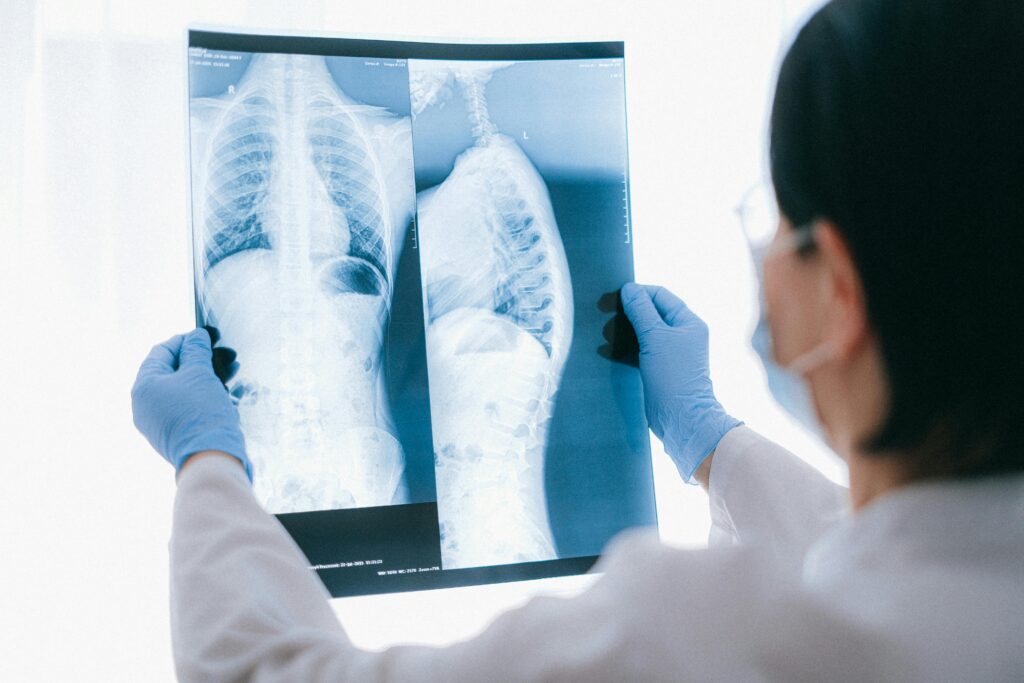
Cleaning itself is not the problem. The danger lies in the chemical makeup of many modern cleaning products. Sprays and strong solutions often contain substances like ammonia, chlorine, and volatile organic compounds. When sprayed, these chemicals create fine particles that linger in the air and are inhaled deep into the lungs. Repeated exposure can inflame airways, cause scarring, and reduce lung capacity over time. This process mirrors the kind of damage seen in smokers, making breathing more difficult and increasing the risk of chronic conditions like asthma or chronic obstructive pulmonary disease. For those who work as cleaners, the exposure is magnified, which explains why their lung function declines faster than the general population.
Why Women Are More Affected
One of the study’s most notable findings was the stronger impact on women compared to men. Researchers pointed to several possible explanations. Women generally have smaller lungs, which may make them more sensitive to harmful particles. Social expectations and workplace roles often put women in charge of both household chores and professional cleaning jobs, increasing overall exposure. Hormonal differences may also play a role in how women’s bodies respond to inhaled chemicals. While men who cleaned also showed some decline, the pattern was less pronounced, highlighting a gender gap in how cleaning risks play out over time.
The Hidden Cost of a Clean Routine
The long-term health effects go beyond short-term irritation. Years of exposure can permanently damage lung tissue, making simple tasks like walking upstairs or carrying groceries more difficult. Many of the same symptoms seen in smokers, such as chronic coughing and wheezing, are also found in those who clean with harsh products. Because the damage builds slowly, people may not notice the problem until much later in life, when lung capacity is already reduced. For professional cleaners, the risks are especially concerning, since their daily exposure is unavoidable without proper protection. These hidden costs show that keeping a home spotless may carry consequences that we can’t see right away.
Safer Ways to Keep a Home Clean
The good news is that families and workers can take steps to reduce the risks without giving up the comfort of a clean space. Switching to natural cleaning methods such as vinegar, baking soda, or lemon juice cuts down on harsh chemicals. Microfiber cloths with water are also effective for dusting and wiping surfaces. When sprays are necessary, opening windows or using fans to improve ventilation helps clear the air. For those working in cleaning jobs, protective masks and gloves provide an extra layer of safety. Choosing fragrance-free or low-VOC products can further reduce the harmful particles released into the air.
Raising Public Awareness
The findings also point to a larger issue of how cleaning products are presented to the public. Many are marketed as safe, powerful, and even family-friendly, yet labeling often hides the potential risks of long-term use. Stronger transparency in product ingredients would allow consumers to make informed decisions. Experts also suggest that regulations should push manufacturers to develop safer, healthier alternatives. Public awareness campaigns could help people understand that cleanliness does not always equal health if harmful chemicals are part of the routine. With better information, families and workers alike can make safer choices.
Final Thoughts
A tidy home offers comfort, reduces stress, and can even feel therapeutic. But the evidence shows that frequent use of chemical cleaners can quietly chip away at lung health in ways similar to heavy smoking. The Norwegian study makes it clear that both families and professional cleaners face risks that deserve attention. By choosing safer alternatives, improving ventilation, and pushing for stronger product transparency, it is possible to protect both the body and the home. Cleanliness should bring peace of mind, not hidden harm. With a few changes, we can hold on to the mental benefits of a spotless space without sacrificing long-term health.