
A major new price comparison has put the longstanding debate between Costco vs Walmart prices to rest with hard numbers. In late summer 2025, Consumer Reports commissioned the Strategic Resource Group (SRG), a New York-based retail and grocery market research firm, to collect in-store prices across six regionally representative U.S. cities. Prices were gathered in person from store shelves in late summer 2025, with all data collected within a 48-hour window in each metro area, and the figures reflect sale prices and discounts available to shoppers using free store loyalty cards. The verdict, published by Consumer Reports in early 2026: Costco’s average prices were about 21.4 percent below Walmart’s, while BJ’s Wholesale Club’s average prices were about 21 percent lower.
Costco is what’s known as a warehouse club – a membership-based retail store that sells most items in large, bulk quantities at sharply reduced prices. Unlike a conventional grocery store or Walmart, you must pay an annual fee to shop there. Walmart, by contrast, requires no membership and lets anyone walk in and shop at regular prices . That key difference sits at the center of this entire pricing debate.
The Consumer Reports Costco price comparison is significant because SRG used Walmart as the baseline for all comparisons. Grocery chains with the largest market shares in six metropolitan areas, including warehouse clubs and specialty grocers, were ranked from least to most expensive relative to Walmart, the largest and most ubiquitous grocery retailer in the U.S. In other words, Walmart was the benchmark for what “cheap” looks like in American grocery retail. Costco beat it anyway – and by a wide margin.
What the Consumer Reports Study Actually Found
When SRG compared prices on baskets of commonly purchased items at mainstream grocery chains in six regionally representative cities, the difference between the highest- and lowest-priced store in each city was more than 33 percent. And when the comparison included warehouse clubs like Costco and specialty grocers like Whole Foods, the price differences were even more significant.
Lidl and Aldi also undercut Walmart on price by 8.5 percent and 8.3 percent respectively. Several well-known chains averaged higher prices than Walmart, including Target (5.9 percent higher), Trader Joe’s (about 24.6 percent higher), and Whole Foods (about 39.7 percent higher). So if you’re buying groceries at Whole Foods, you’re paying roughly 61 percent more than you would at Costco on a comparable basket of goods. That’s a meaningful number.
One important caveat: the price comparisons weren’t equally comprehensive for every retailer, because different stores sell different kinds of products. Costco’s warehouse format means it doesn’t carry every product category that Walmart does. The comparison was built on items available at each specific store, so the baskets weren’t always identical. That’s worth keeping in mind – but it doesn’t change the overall picture. Across the categories compared, Costco came out consistently cheaper.
A separate 2026 price comparison by Business Insider reporter Savannah Born adds another layer to this. She calculated unit prices – cost per pound or ounce – and the differences were striking. Although Walmart edges out Costco for a few items, including chicken at $0.42 less per pound, sugar and flour significantly cheaper by weight, and a dozen eggs 15 cents less, Costco offered better overall value and it wasn’t close. Overall, Costco prices for Born’s chosen items were nearly 26 percent cheaper. This unit-price method produced an even larger gap than Consumer Reports found, likely because it strips away the packaging size variable entirely.
Is Costco Really Cheaper Than Walmart? A Category-by-Category Look
The honest answer is: usually yes, but not on everything. The best warehouse store for saving money on groceries depends on what you’re buying.
When it comes to dairy, the price per gallon of milk was just $0.03 cheaper at Costco, but other dairy products like cheese were significantly cheaper per pound, with Costco charging about $2.60 compared to Walmart’s $3.46. Butter offered a similar comparison, coming in at $2.12 per pound at Costco versus $3.23 at Walmart, both private label options. For a family that uses butter and cheese regularly, that difference adds up fast across a year.
Packaged goods tell a similar story. Lesser Evil popcorn was $0.43 per ounce at Costco, while Walmart charged $0.72 per ounce. Simple Mills crackers were $0.50 per ounce, while Walmart priced them at $1.08 per ounce. Nabisco graham crackers were $0.14 per ounce at Costco compared to $0.24 at Walmart. Name-brand cereal like Cheerios was also more affordable at Costco, priced at $0.17 per ounce when bought in a 40.7-ounce box, compared to Walmart’s 18-ounce box at $0.25 per ounce.
On the Walmart side, the wins cluster around smaller-quantity, perishable, or commodity items. Walmart’s per-unit pricing on fresh chicken, basic sugar, and flour tends to beat Costco’s. Dairy products like milk and butter are notoriously cheaper at Walmart in some comparisons, and both its store-brand Great Value and name-brand frozen meals tend to be more wallet-friendly. So the answer to “how much cheaper is Costco than Walmart” really depends on whether you’re stocking a pantry or picking up ingredients for tonight’s dinner.
The broader pattern is consistent: Costco wins decisively on shelf-stable pantry staples, dairy (cheese and butter), snacks, paper products, and household essentials bought in bulk. Walmart holds its own on small quantities of fresh produce, basic baking supplies, and items where the bulk format doesn’t make practical sense. This is also relevant to the conversation around Walmart’s recent changes for in-store shoppers, which have frustrated customers seeking quick, small-quantity grocery runs.
How Much Can You Save Shopping at Costco vs Walmart?
Let’s put a real dollar figure on it. Personal finance analysts and consumer researchers consistently find that families who shop at Costco regularly save between $500 and $1,200 annually compared to purchasing equivalent products at traditional grocery retailers. That range is wide, because it depends heavily on what you buy and how often you go.
Here’s a rough way to think about it: if your household currently spends $800 per month on groceries, and you’re able to shift a significant portion of your purchases to Costco at a 21.4 percent savings rate, you could potentially cut $100 to $170 per month off your grocery bill. Over 12 months, that’s $1,200 to $2,000 in real savings – before even accounting for additional benefits like discounted gas and prescription medications. Of course, how much you actually save depends on which items you buy and whether you use everything you purchase.
Across the board, food prices rose 25.5 percent between December 2020 and December 2024, according to an analysis of Bureau of Labor Statistics data by the Federal Reserve Bank of St. Louis. Fortunately, unlike other budget areas where prices have risen sharply, strategic store selection can save a cartload of money while still eating well. The Consumer Reports grocery prices analysis makes clear that where you shop is now one of the most powerful levers you have on your food budget.
Why Costco Can Charge So Much Less
The reason Costco prices are lower than Walmart’s has everything to do with its business model – and that model is genuinely unusual. In 2024, Costco earned $4.8 billion from membership fees alone, representing just 2% of total revenue but contributing 65% of the company’s net operating income. That means Costco can afford to sell its merchandise at razor-thin markups because the fees its members pay essentially fund the business’s profits.
While membership fees are only 1.9% of total revenue, the company’s roughly 11% average product markup means merchandise sales primarily cover operational costs. Essentially, membership fees drive profitability while product sales break even after covering warehouse operations, employee costs, and overhead. This is the opposite of how most retailers work. Walmart makes its profit from the merchandise itself. Costco makes its profit from memberships and uses the merchandise as the delivery mechanism for value.
This structure gives Costco extraordinary flexibility on pricing. Costco keeps its prices low by relying on customers’ word-of-mouth for marketing, purchasing items in large quantities from vendors, and offering a relatively limited selection of products. Fewer products means better negotiating power with suppliers, faster inventory turnover, and lower overhead. A typical Costco warehouse stocks around 3,700 to 4,000 unique products (called SKUs). Walmart carries tens of thousands. The efficiency of that smaller assortment flows directly into lower shelf prices for shoppers.
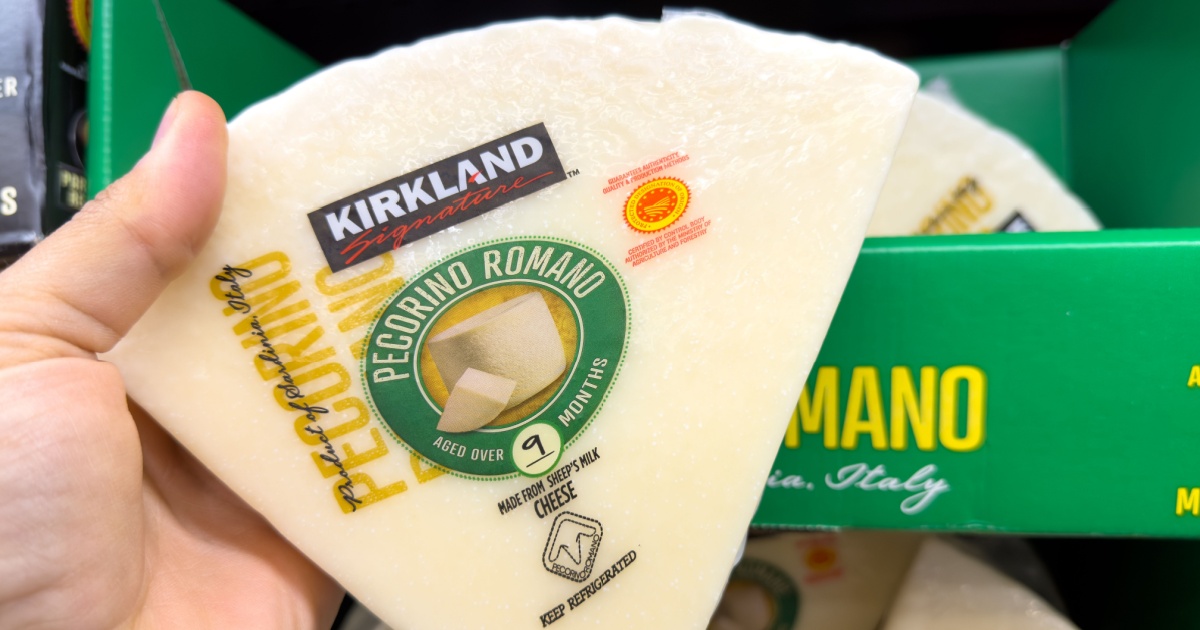
Kirkland Signature represents Costco’s other secret weapon. Launched in 1995 as a unified private label brand, Kirkland now spans 600+ products from groceries to clothing to electronics. Annual Kirkland sales reached $86 billion in 2024, representing 33% of Costco’s total revenue, making it America’s largest consumer packaged goods brand by sales volume – surpassing Coca-Cola, Nike, and Hershey combined. When you’re buying Kirkland products, you’re often getting quality that rivals or matches national brands at significantly lower prices.
Is a Costco Membership Worth the Cost Compared to Walmart Savings?
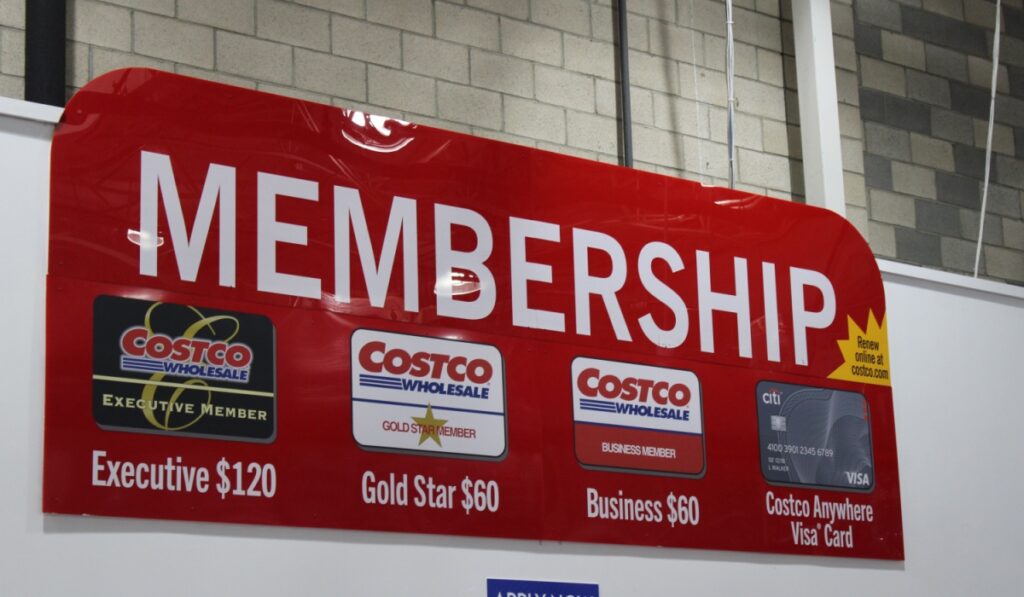
This is the question that makes or breaks the Costco math for most households. A Costco membership costs either $65 or $130 per year, depending on the plan you choose. The Gold Star membership ($65/year) covers basic warehouse access for individuals and families. The Executive membership ($130/year) adds a 2 percent annual reward on qualified purchases – which effectively pays back part of the higher fee if you spend enough.
A Gold Star or Business membership costs $65 per year – less than $1.25 per week. An Executive membership costs $130 annually. At face value, both prices seem entirely reasonable for access to the lowest per-unit pricing on bulk groceries, household essentials, and services available anywhere in American retail.
The breakeven math is simpler than it sounds. The Gold Star or Business membership breaks even if you save about $5.42 monthly – achievable with bulk buys or gas discounts. For most households with two or more people eating at home regularly, that threshold is easy to clear on groceries alone. Add in Costco’s fuel savings and the math tilts further in your favor. Costco gas stations regularly run 10 to 30 cents per gallon below surrounding stations. A driver filling up weekly could save a couple of hundred dollars per year on gas alone – potentially covering the entire membership fee.
The membership value question also looks different depending on household size. A Costco membership can be worth it for one person – but only if you have decent storage space, shop there at least once a month, and can use items before they go bad. Gas savings alone can justify the fee for a solo driver: 10 to 30 cents per gallon at an average of 300 miles per week adds up to roughly $135 to $270 per year – enough to cover the Gold Star fee on its own.
For larger families or households that consistently shop at Costco, the numbers get compelling fast. As of Costco’s most recent reporting periods, the U.S. and Canadian renewal rate stands at 92.1 percent – a figure that is extraordinary in any subscription business and essentially unmatched in retail membership models. When nine out of ten members who receive a renewal notice choose to pay again without hesitation, real consumers with real money are voting emphatically that the membership delivers value.
The Items Where Walmart Still Wins
No Costco vs Walmart savings comparison is complete without honest acknowledgment of where Walmart holds its ground. Costco’s bulk format isn’t a universal win – and pretending otherwise would do readers a disservice.
Fresh produce in small quantities is one of Walmart’s stronger suits. If you need two apples and a single bell pepper, Costco’s jumbo bags of fruit aren’t the right tool. Baking ingredients like all-purpose flour and sugar are also typically cheaper at Walmart on a per-unit basis, though Costco’s bulk sizes can win out for serious bakers. Kitchen staples like flour and sugar may be better to buy at Walmart. While Costco’s bulk options offer more for the price, they may not make sense if you’re not an avid baker. Having too much of something risks spoilage or taking up space you might not have.
Walmart also wins on flexibility. If you need to shop for groceries during off hours, Walmart will be the better option for most people. Costco offers traditional retail hours that don’t go late into the evening, which can be a challenge for daytime workers. Walmart offers stores that open early and close late, and in some locations, stores open 24 hours a day.
Experts consistently point out a critical caveat: Costco only becomes cheaper if you buy in volume and avoid waste. For smaller households, bulk buying can actually increase total spending if unused products expire or go to waste. This is the fundamental risk of warehouse club shopping – the per-unit price is lower, but the total outlay is higher, and if food goes bad before you use it, you’ve saved nothing. The strategy that works best is buying shelf-stable or freezable items in bulk and sticking to Walmart or a regular grocery store for perishables you won’t use quickly.
Read More: New Stricter Self-Checkout Rules Are Making Walmart Shoppers Furious
What to Do With This Information
The Consumer Reports Walmart vs Costco savings data gives you a clear framework. Costco prices are lower than Walmart on average – 21.4 percent lower across the board, and as much as 26 percent lower when comparing unit prices on specific items. That gap is real and significant. But the best warehouse store for saving money on groceries isn’t one or the other. It’s both, used strategically.
Here’s how to get the most from both stores. Build your Costco shopping list around items you use consistently and can store: olive oil, paper towels, laundry detergent, canned goods, coffee, nuts, and meat you can portion and freeze. Reserve your Walmart trips for fresh produce in small quantities, baking staples you don’t need in bulk, and items Costco doesn’t carry. If you live within a reasonable distance of a Costco and your household spends more than $150 per month on groceries, the $65 annual Gold Star membership will almost certainly pay for itself. If you’re not sure, try running the numbers for one month: track what you buy, price it at Costco versus Walmart on a per-unit basis, and multiply the difference by 12. That’s your estimated annual saving.
Food prices increased 3.1 percent overall in 2025, and grocery budgets are tighter than they’ve been in years. Choosing the right store for the right items isn’t a minor optimization – it’s the kind of deliberate decision that, compounded over 12 months, can genuinely change what a family is able to spend. The Consumer Reports analysis makes the case clearly: Costco is the cheapest large grocery chain in the U.S. right now. Whether the membership is worth it for your specific household is a question only your shopping list can answer. But for most families who shop regularly and can store bulk purchases, the math points firmly in one direction.
A.I. Disclaimer: This article was created with AI assistance and edited by a human for accuracy and clarity.
Read More: Why You Should Avoid Buying Kirkland Ground Beef at Costco