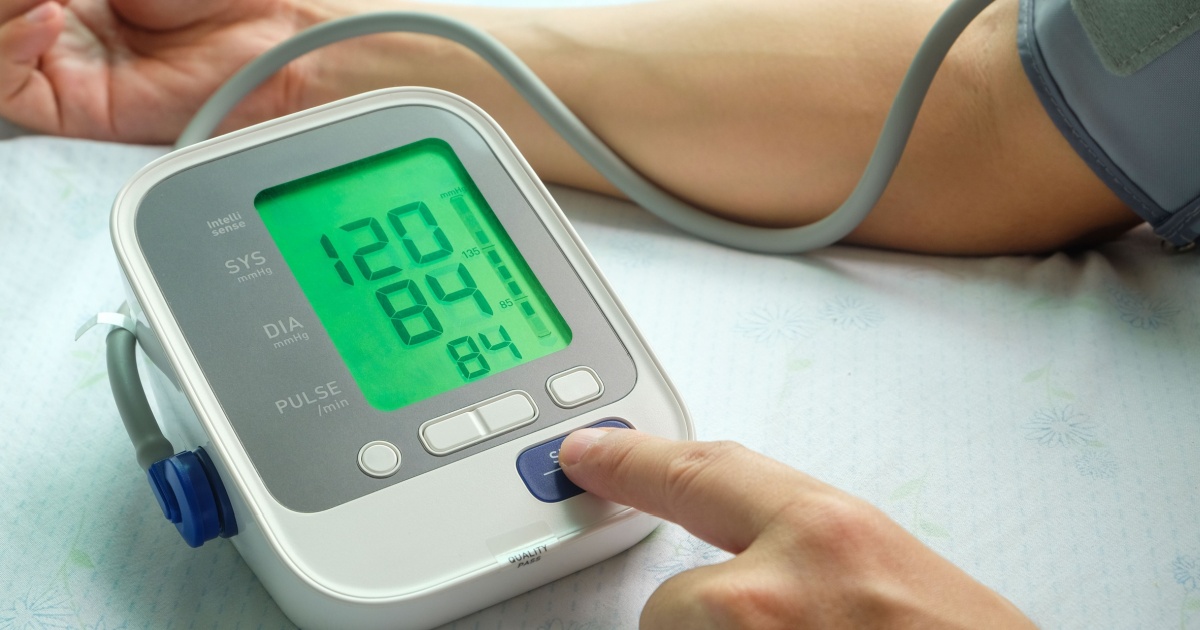

Think about how much personal data you carry around in your head without effort. Your childhood phone number. The street address you grew up on. Your best friend’s birthday. These are pieces of trivia that exist in your memory simply because you’ve repeated them, heard them, or cared about them enough to retain them. Now ask yourself a different question. What is your blood pressure right now? Not roughly. Not “probably fine.” The actual number.
If you’re drawing a blank, you are far from alone. Most Americans carry the same gap in their knowledge, and the implications of that gap extend well beyond a missed trivia question. The numbers that reveal how your heart is doing are the first line of defense against the country’s most common cause of death. Yet for millions of adults, those numbers remain a mystery, even as they get checked annually by their doctors.
What’s striking isn’t that people are skipping their medical appointments. Many aren’t. They’re showing up, getting tested, and then walking out without retaining the very information those tests exist to provide. That disconnect between being monitored and actually knowing your status represents one of the most underappreciated challenges in American cardiovascular health today.
The Survey That Quantified the Knowledge Gap
A national survey by The Ohio State University Wexner Medical Center found that while many adults know their childhood address or best friend’s birthday, less than half know their blood pressure or ideal weight, and fewer than 1 in 5 know their cholesterol or blood sugar levels.
The study was conducted on behalf of the Wexner Medical Center by SSRS on its Opinion Panel Omnibus platform, a national, twice-per-month, probability-based survey. Data collection ran from December 15 to 17, 2023, among a sample of 1,010 respondents, and was administered via web and telephone.
The survey asked more than 1,000 adults nationwide whether they knew their blood pressure, ideal weight, cholesterol, or blood sugar levels. When it came to these key heart health markers, the highest share, 44%, knew their ideal weight, while the fewest, just 15%, knew their blood sugar level. By comparison, 68% knew their childhood address and 58% knew their best friend’s birthday.
The margin of error for total respondents was ±3.7 percentage points at the 95% confidence level.
That comparison is deliberately striking. Trivial social facts are better retained than clinically meaningful health data. This is not simply an indictment of individual behavior. It reflects a structural failure in how medical information is communicated, and how little the healthcare system has historically required patients to engage with their own numbers in a meaningful way.
What the Experts Said
Dr. Laxmi Mehta, director of Preventative Cardiology and Women’s Cardiovascular Health at Ohio State University’s Wexner Medical Center, did not mince words when commenting on the findings. “Recognizing heart disease risk factors early and adequately treating them can potentially prevent heart attacks, strokes and heart failure,” she said, adding that “as a society, we need to shift from sick care to preventative care so people can live their best and fullest lives possible.”
“Cardiovascular disease is the No. 1 killer of men and women in the U.S. Knowing your numbers is one of the first steps in understanding your risks of developing cardiovascular disease,” Mehta told UPI.
The concern is compounded by the fact that not knowing your numbers is not the same as being safe. There could be risk factors that require medication or lifestyle changes, and the earlier they’re known, the better. Sometimes people have heart attacks or strokes because their blood pressure or cholesterol levels are really high and they never had them checked.
Dr. Johanna Contreras, a cardiologist at The Mount Sinai Hospital in New York City, offered additional context, specifically around women. “There was an old-fashioned belief that heart disease happened only in men,” she said. “A lot of women do not pay attention to the risk factors.” In particular, “women don’t know their numbers and what the healthy numbers are,” Contreras said, referring to the measurements for blood pressure, blood sugar, cholesterol, and BMI.
The Scale of the Problem Behind the Numbers
To understand why awareness of these four metrics matters so much, it helps to situate the survey findings within the broader reality of cardiovascular disease in the United States.
Heart disease is the leading cause of death for men, women, and people of most racial and ethnic groups. In 2023, 919,032 people died from cardiovascular disease. In the United States, someone has a heart attack every 40 seconds. Every year, about 805,000 people have a heart attack, of which 605,000 are a first event.
Having high blood pressure puts a person at risk for heart disease and stroke, the leading causes of death in the United States. In 2023, high blood pressure was a primary or contributing cause of 664,470 deaths.
According to the 2024 American Heart Association Statistical Update, nearly half of U.S. adults, approximately 122.4 million, are living with high blood pressure. High blood pressure accounts for more than $52 billion in annual health care costs.
These are not abstract population statistics. They are the clinical context in which individual awareness, or the lack of it, plays out every day. A person who doesn’t know their blood pressure is elevated cannot take steps to manage it. A person who doesn’t know their blood sugar is creeping upward cannot act before it crosses into the diabetic range.
The Hypertension Awareness Problem Is Decades Deep
Even among people who have been formally diagnosed with high blood pressure, awareness is incomplete. A 2024 CDC National Center for Health Statistics data brief covering August 2021 through August 2023 found that 59.2% of adults with hypertension were aware of their hypertension status. That means roughly four in ten people walking around with clinically elevated blood pressure had not been told about it, or had been told and didn’t retain it.
The prevalence of hypertension awareness increased with age overall and among both men and women. It was 27.2% among adults ages 18 to 39, rose to 56.7% for ages 40 to 59, and reached 73.7% for those 60 and older.
That age gradient should concern anyone in their 30s or 40s. Younger adults are the least likely to know they have high blood pressure, and they’re also the least likely to be having regular conversations with a cardiologist. About one-fifth of adults with hypertension had their blood pressure controlled, defined as less than 130/80 mm Hg. Only one in five. The remaining four in five either don’t know, don’t act, or aren’t succeeding in managing it.
Nearly 48% of U.S. adults had hypertension during August 2021 through August 2023, consistent with figures from the prior period. The rate isn’t meaningfully changing. No significant change was seen in awareness, treatment, or control of hypertension among adults with hypertension between 2017 and 2023. That’s nearly a decade of stagnation in one of the most critical public health metrics the country tracks.
The Diabetes-Heart Disease Connection Most People Miss
The Ohio State survey found that blood sugar awareness was the lowest of all four metrics measured. Only 15% of respondents knew their blood sugar level. This matters more than many people realize, because most don’t draw the direct line between blood glucose and heart disease risk.
“Most people associate diabetes with either their family history or being overweight, and they don’t make the connection that it’s associated with heart disease. People with diabetes are twice as likely to have heart disease or stroke than people without heart disease. And women with diabetes are at a higher risk for heart disease than men,” Dr. Mehta said.
Blood glucose, or blood sugar, refers to the concentration of sugar circulating in the bloodstream. When that level stays persistently elevated over time, it damages blood vessels and nerves, quietly increasing the risk of heart attack and stroke long before a diabetes diagnosis is made. Catching a rising trend early is the entire point of knowing the number.
For readers who want to understand how blood pressure connects to overall heart health by age, the connection between all four markers, blood pressure, cholesterol, blood sugar, and body weight, is that they interact. A rise in one tends to put pressure on the others. Managing them together, not in isolation, is how the cardiovascular system stays protected.
Are People Being Tested? Yes. Are They Engaging With the Results? Less So.
One of the more nuanced findings from the Ohio State survey is that the knowledge gap doesn’t appear to be driven by avoidance of medical care. While survey respondents don’t know their health numbers off the top of their heads, Americans are having them regularly checked. A majority of poll participants said they’d had their blood pressure and heart rate checked within the last year, and their blood sugar and cholesterol within the last five years.
This is a crucial distinction. The issue isn’t access alone, and it isn’t a wholesale failure to seek care. The problem lies somewhere in the handoff between the clinical encounter and the patient’s ongoing awareness. People are being tested. The results are being recorded. But the information isn’t being retained or acted upon in any lasting way.
“Most people can get screened at their physician’s office or, if they don’t have one, there are free health screening fairs as well as blood pressure machines at pharmacies,” Dr. Mehta said. “It’s important to not only know your numbers but be proactive with medication and lifestyle changes like diet and exercise. When you visit your doctor, ask what your numbers are for blood pressure, cholesterol and blood sugar and what a normal range is for you. Discuss your sleep habits along with diet, exercise, smoking and alcohol use.”
That last point about sleep is not incidental. The American Heart Association formally incorporated sleep health into its updated cardiovascular health framework in 2022. The enhanced approach to assessing cardiovascular health, called Life’s Essential 8, includes diet, physical activity, nicotine exposure, sleep health, body mass index, blood lipids, blood glucose, and blood pressure as its core components. Sleep isn’t a bonus metric. It’s now recognized as a core pillar of cardiovascular risk, on par with cholesterol and blood pressure.
Research published in Circulation: Cardiovascular Quality and Outcomes in 2024 examined more than 32,000 U.S. adults and found that each 10-point higher overall Life’s Essential 8 score was associated with a 22 to 40% lower risk of cardiovascular disease, 24 to 43% lower risk of coronary heart disease, 17 to 34% lower risk of stroke, and 23 to 38% lower risk of heart failure. Knowing your numbers is step one. Improving them is where the real protective benefit lies.
The Sick Care Trap
Dr. Mehta’s call to shift from “sick care to preventative care” captures a systemic reality that goes beyond individual behavior. The American healthcare system has historically been organized to respond to illness rather than to prevent it. Appointments happen when something is wrong. Conversations about risk happen reactively.
Heart disease is the leading cause of death for men, women, and people of most racial and ethnic groups in the United States. In 2023, almost 1 in every 4 deaths in the United States was caused by heart disease. Nearly half of U.S. adults have high blood pressure, which puts them at risk for heart disease and stroke. And just 1 in 4 people with high blood pressure has it under control.
The gap between those statistics and the preventive capacity of modern medicine is not primarily a pharmacological problem. Effective medications for blood pressure, cholesterol, and blood sugar management exist. Clinical guidelines exist. The gap is in early identification, sustained awareness, and patient engagement. Without awareness and action, uncontrolled hypertension can damage the heart, brain, kidneys, and eyes, and can lead to a wide range of complications.
The population-level data also points to persistent racial and ethnic disparities in cardiovascular burden. Black adults have the highest prevalence of high blood pressure at 58%, substantially higher than White adults at 49%, Asian adults at 45%, and Hispanic adults at 39%. These disparities in hypertension prevalence directly contribute to higher rates of stroke, heart failure, and kidney disease in Black communities. Any serious public health response to the awareness gap must account for those disparities explicitly.
Read More: Dietary Habits That Drive The Most Heart Disease Deaths Per Year
What to Do Now
The Ohio State Wexner Medical Center survey, conducted in December 2023 and released in February 2024, provides a precise and uncomfortable snapshot of where Americans stand on cardiovascular self-knowledge. The core finding, that most adults cannot recall four numbers that their doctors track to predict their risk of dying from the country’s leading killer, is not a minor data point. It reflects a fundamental gap between receiving care and understanding health.
Several conclusions follow directly from the evidence.
First, being tested is not the same as being informed. The majority of Americans are getting their blood pressure, cholesterol, and blood sugar checked. But checking and knowing are different things. At the end of every clinical visit, patients should ask for their numbers in writing, not just a passing verbal confirmation. Write them down. Enter them into a health app. Make them as familiar as any other routine fact you carry around.
Second, the four key numbers to know are blood pressure (target below 120/80 mm Hg for most healthy adults), fasting blood glucose (under 100 mg/dL is considered normal), total cholesterol (guidelines differ by risk profile, so ask your doctor what your target is specifically), and BMI or ideal body weight. None of these require a lab visit to start tracking. Blood pressure monitors are available over the counter at pharmacies. Many pharmacies also offer free readings.
Third, blood sugar deserves particular attention given how poorly understood its connection to heart disease is. Only 15% of survey respondents knew their blood sugar level, making it the least-known metric. Yet it is tightly linked to cardiovascular risk. If you haven’t had a fasting blood glucose test in the past year, request one at your next appointment.
Fourth, awareness is a starting point, not an endpoint. The Life’s Essential 8 framework from the American Heart Association makes clear that the goal is not simply to know your numbers but to improve them through diet, physical activity, sleep, and where necessary, medical treatment. Knowing a bad number without acting on it provides little protection.
Finally, the call from Dr. Mehta to shift from “sick care” to “preventative care” is one that works in both directions. Healthcare providers need to ensure patients leave appointments with their numbers clearly communicated. And patients need to ask the four questions that could matter more than almost anything else in a clinical setting: What is my blood pressure? What is my cholesterol? What is my blood sugar? What should my target weight be? These aren’t uncomfortable questions to ask. They are the most sensible ones a patient can raise, and the answers could make all the difference.
AI Disclaimer: This article was created with the assistance of AI tools and reviewed by a human editor.
Read More: 8 Heart Healthy Supplements To Consider (and 2 To Avoid)