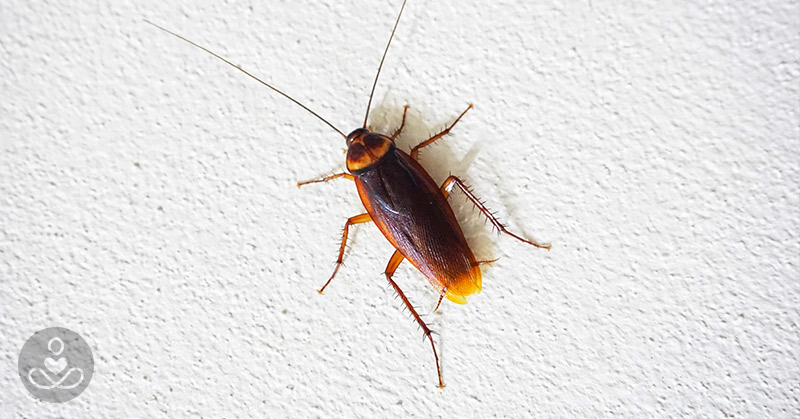

Cockroaches are survivors in the truest sense. They’ve outlasted dinosaurs, shrugged off nuclear test sites, and developed resistance to some of the most powerful chemical pesticides humans have ever made. So when people suggest that a bottle of essential oil from the health food store can send them packing, it’s fair to be skeptical. But here’s the thing: the science is more interesting than you might expect.
The reason certain plants and their extracts can affect cockroaches so powerfully comes down to biology. Cockroaches rely heavily on their sense of smell to locate food and navigate their environment, and strong-smelling compounds may interfere with their olfactory receptors, making treated areas less attractive. Research demonstrates that specific plant compounds like menthone can exhibit both toxicity and repellent effects against German cockroaches. Understanding which cockroaches natural scents trigger that response, and why, is where things get genuinely useful.
Before getting into the list, one important caveat: essential oils are not a replacement for professional pest control if you have a serious infestation. A study published in the Journal of Economic Entomology found that essential oils can repel cockroaches to some extent, but that a sustained-release formulation was needed to achieve prolonged repellent activity. Think of these natural scents as a first line of defense, a deterrent layer you can build into your cleaning routine, not a cure-all.
1. Peppermint Oil

Peppermint may be the most well-researched natural cockroach repellent available, and its power comes down to one specific compound. Research published in a fumigant toxicity study on the German cockroach found that menthone had the greatest effect on ootheca hatch rates, while also ranking among the most toxic essential oil components to young cockroach nymphs. An ootheca is the hard protective casing that contains cockroach eggs, so disrupting hatch rates is meaningful for any prevention strategy.
The strong, penetrating odor of peppermint oil is believed to interfere with the olfactory and chemoreceptive (scent-detecting) systems of insects, and for cockroaches, which rely heavily on these senses to locate food and navigate, this overwhelming scent can act as a temporary deterrent. The key word there is “temporary.” Peppermint oil evaporates quickly at room temperature, so consistent reapplication matters.
Practically, mix 10 to 15 drops of pure peppermint essential oil with water in a spray bottle and apply it along baseboards, under appliances, and around entry points. Cotton balls soaked in the oil and tucked into cabinet corners can extend the effect slightly. Since cockroaches are most active at night, reapplying in the evening will keep the concentration strongest during peak activity hours.
2. Rosemary Oil

Rosemary is the herb you reach for when roasting vegetables, but its extracted oil has a very different reputation in entomology labs. In controlled laboratory testing published on PubMed, rosemary oil produced 100% mortality at the lowest concentration tested – 2.5% – making it the most toxic oil studied against brown-banded cockroaches at 24 hours after exposure. That’s a striking result, though it’s worth noting these were controlled laboratory conditions with direct, sustained contact – not a casual spray around the kitchen.
The same peer-reviewed study confirmed rosemary oil was the most toxic of the five oils evaluated, with the lowest fumigation effect recorded from mint oil at 97.2% mortality, while all other oils including rosemary caused 100% mortality at higher fumigant concentrations. For rosemary oil to work as intended, cockroaches need to come into contact with treated surfaces directly, which means spraying it along the pathways they actually travel rather than into open air.
A simple application method is adding a few drops of rosemary oil to water and using it as a surface spray on counters, cabinet interiors, and the spaces behind appliances. Combining rosemary with eucalyptus oil may also amplify results. Research found that while eucalyptus oil is a poor repellent of the brown-banded cockroach at just 27.7%, rosemary and oregano oils are significantly better performers, achieving repellency rates between 86.7% and 96.5%.
3. Oregano Oil

Oregano oil is one of the stronger-smelling plant extracts on this list, and its staying power makes it worth paying attention to. According to the same peer-reviewed study on the brown-banded cockroach, oregano oil showed 96.5% to 99.1% repellency across concentration ranges of 2.5% to 30%, with a residual effect lasting at least a week after treatment, and was identified as the best candidate for use as a repellent against this species.
The same research found that alongside rosemary, oregano oil exhibited the most toxicity among the five essential oils studied, and concluded that both oils could be used as safe compounds for surface treating or fumigation in cockroach control programs. What sets oregano apart from some other oils is that combination of duration and dual action.
The practical limitation with oregano oil is its intensity. It’s a pungent scent that can linger on surfaces, which is actually an advantage for pest deterrence but may not be ideal for every room in the house. Using it in concentrated spots – behind the refrigerator, under sinks, or inside cabinet kick plates – is a more targeted approach than spraying it broadly.
4. Clove Oil
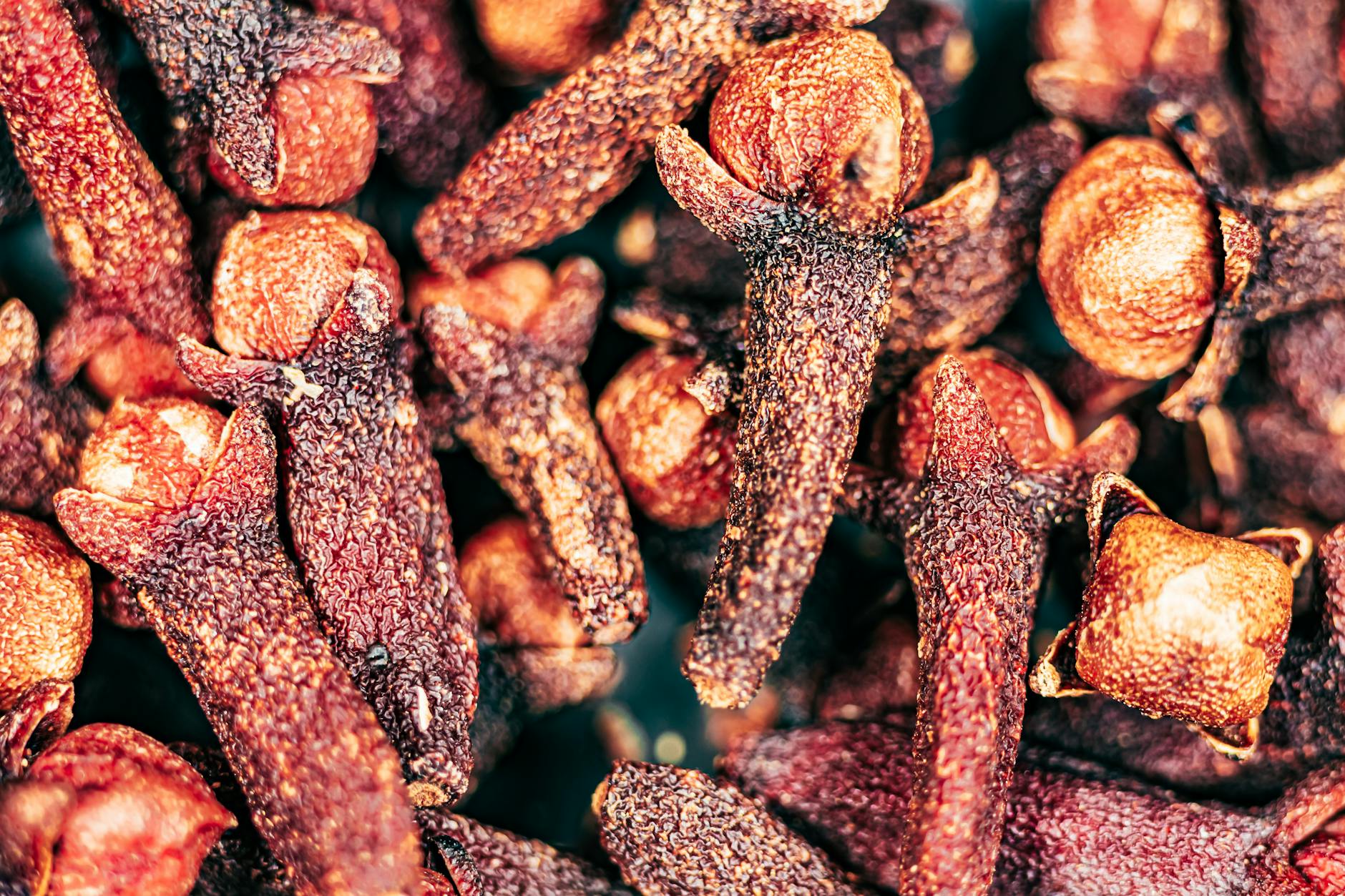
Clove oil has a distinctive, spicy-sweet smell that most humans find pleasant. Cockroaches do not share that opinion. In a laboratory study published in the International Journal of Pest Management, clove bud oil applied at the highest tested concentration killed 95% of German cockroaches within 24 hours of treatment, while eugenol, its main active compound, provided 85% mortality at six hours after treatment.
Eugenol is the reason clove oil works. The intense aromatic compounds irritate the cockroach’s sensory system, and eugenol found in clove oil can be directly toxic upon contact. Octopamine, an insect nervous system chemical that plays a role similar to adrenaline in the human body, is disrupted by eugenol, which throws off normal cockroach behavior and function.
You can find clove essential oil at most health food stores. Diluting it in a carrier oil before applying it to porous surfaces helps prevent staining, and combining it with peppermint oil creates a dual-action deterrent. Research published on PubMed confirmed that thymol and trans-cinnamaldehyde are among the most toxic essential oil components to the German cockroach in topical bioassays, suggesting that pairing clove with thyme-based oils may further strengthen the effect.
5. Lemongrass Oil

Lemongrass essential oil is widely used in aromatherapy and cooking, but its effect on cockroaches goes well beyond scent. A research study published in a peer-reviewed journal found that at a sub-lethal concentration, lemongrass essential oil showed no direct lethal effect on German cockroaches, but was effective in evicting 100% of the cockroach population within 48 hours of observation. In plain terms: the scent alone was enough to clear them out, even at a dose too low to kill them directly.
Cockroach strains in this study reacted with rapid and irregular movement when exposed to lemongrass essential oil, hurrying through the treated area and attempting to find untreated zones. That kind of acute avoidance behavior tells you how strongly the scent registers to a cockroach’s sensory system.
For best results, use lemongrass oil in a spray diluted with water and apply it along entry points, window sills, and the gaps behind appliances. Because it evaporates relatively quickly, treating every two to three days in problem areas will maintain a meaningful concentration. If you grow lemongrass as a plant, placing it near entry doors adds a natural, longer-lasting barrier.
6. Citronella Oil and Cockroaches Natural Scents

Most people know citronella as the scent in outdoor candles meant to ward off mosquitoes. Its effect on cockroaches is equally well-documented. Research demonstrates that certain plant-derived compounds directly interfere with cockroaches’ olfactory systems, and citronella’s active components are among the most potent at doing this.
A study published in the Journal of Economic Entomology screened 12 essential oils for their repellent effect against the German cockroach, finding meaningful differences across oil types and formulation methods. Citronella consistently ranks among the top performers in such comparisons.
That evaporation rate is the key practical limitation. Citronella oil needs to be refreshed more frequently than some other options on this list, particularly in warm or well-ventilated spaces where volatile compounds dissipate faster. Mixing it with a carrier like alcohol can slow evaporation slightly and improve surface adhesion.
7. Red Thyme Oil

Red thyme oil is less commonly discussed than peppermint or citronella, but the research behind it is hard to ignore. The oil is rich in thymol, a phenolic compound (a plant chemical that disrupts insect nervous systems) that has been studied extensively for its effects on pest insects. In topical and fumigant assays with cockroach nymphs, a PubMed-indexed study found that thymol was the most toxic essential oil constituent tested across both contact and airborne exposure methods.
A separate study published in the Journal of Economic Entomology found that thymol was the most toxic essential oil component to adult male German cockroaches, gravid females, and medium nymphs in topical bioassays. This suggests the whole oil works better than either isolated compound alone, likely because the combination of multiple active constituents creates a more powerful effect. A 2025 laboratory study on essential oils against the German cockroach found that thyme oil produced rapid knockdown and high 24-hour mortality, ranking among the more effective oils tested under controlled conditions.
From a practical standpoint, red thyme oil is also worth noting for its dual function: it works as both a contact toxin and a fumigant (meaning it releases active compounds into the air that cockroaches inhale). This makes it effective even in areas where cockroaches aren’t walking directly through a treated surface. Apply it to cotton balls placed in enclosed spaces like under-sink cabinets or behind dishwashers for the best fumigant effect.
If you’re looking for broader plant-based strategies to keep insects out of your home, this guide on natural pest control approaches covers several options worth considering.
Read More: 8 Plants To Help Repel Mice, Spiders, and other insects
What to Do With All of This
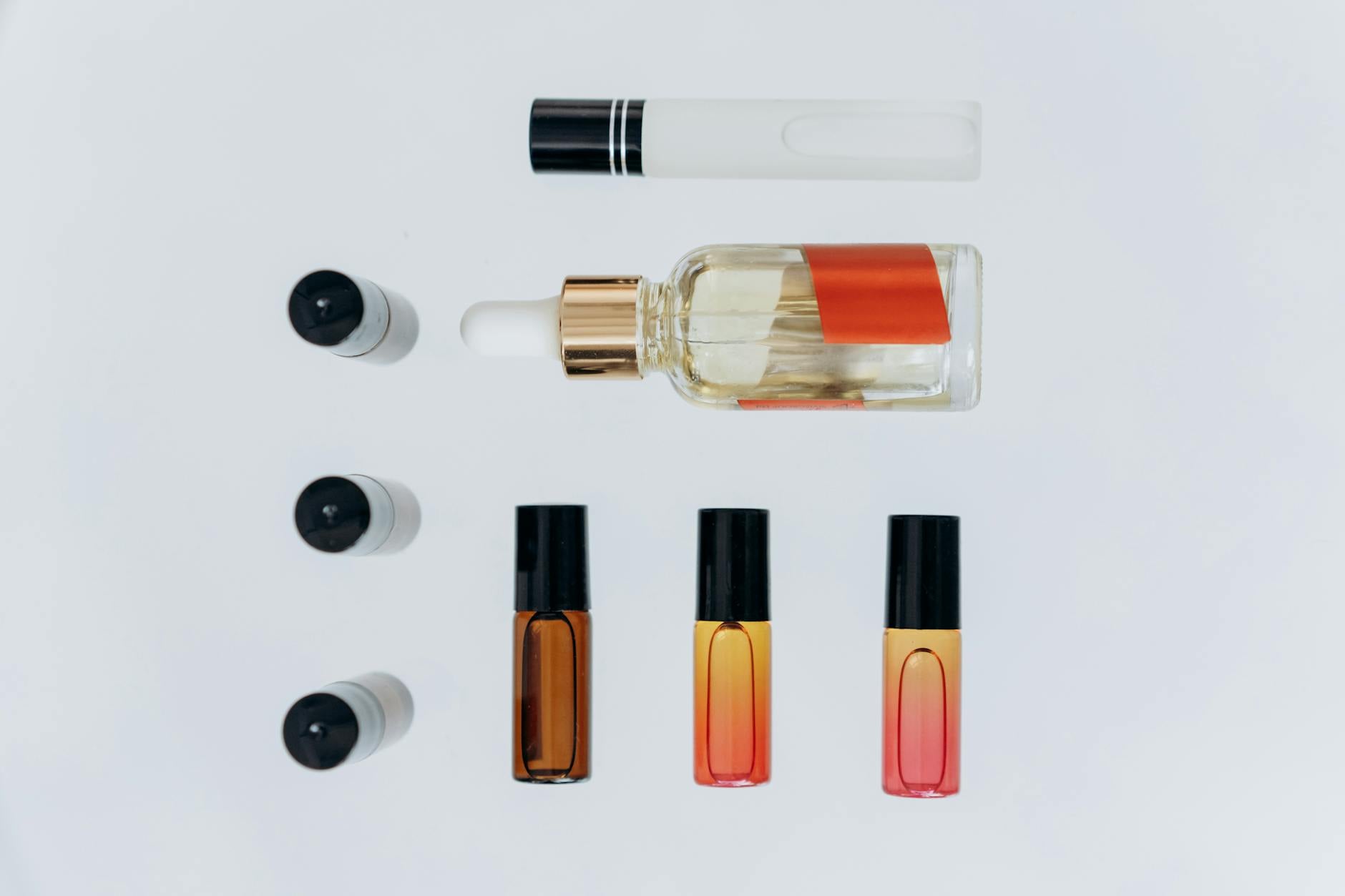
The research on cockroaches and natural scents makes one thing consistently clear: these plant-derived oils are real deterrents with documented mechanisms, not just fragrant folklore. A 2025 study published in the journal Insects evaluated and compared the insecticide efficacy of essential oils against the German cockroach, noting that while some oils are registered through traditional routes for standard biocides, others qualify as low-risk biocides that meet specific criteria for minimal risk. The results confirmed that essential oils represent a legitimate, lower-risk category of pest management tools, particularly for maintenance and prevention rather than active infestation control.
The most effective approach is to rotate and combine oils rather than relying on one. Cockroaches can habituate to consistent stimuli, so varying your scent deterrents – alternating between peppermint and clove one week and oregano and thyme the next – keeps the barrier unpredictable. Apply sprays along the routes cockroaches actually travel: along walls and baseboards, behind and under appliances, inside cabinet bases, and around plumbing entry points. Reapply every two to three days, since all essential oils evaporate.
If you spot more than the occasional cockroach, these natural measures work best alongside proper food storage, moisture control, and, if needed, a professional assessment. Cockroaches have survived for hundreds of millions of years by being adaptable, so the strongest deterrent strategy is one that combines multiple tools. Plants evolved these compounds over millions of years to protect themselves. Using them to protect your home is simply smart biology put to practical use.
Disclaimer: The author is not a licensed medical professional. The information provided is for general informational and educational purposes only and is based on research from publicly available, reputable sources. It is not intended to constitute, and should not be relied upon as, medical advice, diagnosis, or treatment. Always consult a licensed physician or other qualified healthcare provider regarding any medical condition, symptoms, or medications. Do not disregard, avoid, or delay seeking professional medical advice or treatment because of information contained herein.
AI Disclaimer: This article was created with the assistance of AI tools and reviewed by a human editor.
Read More: 8 Scents That Snakes Hate. Put Them Around Your House to Keep Snakes Away