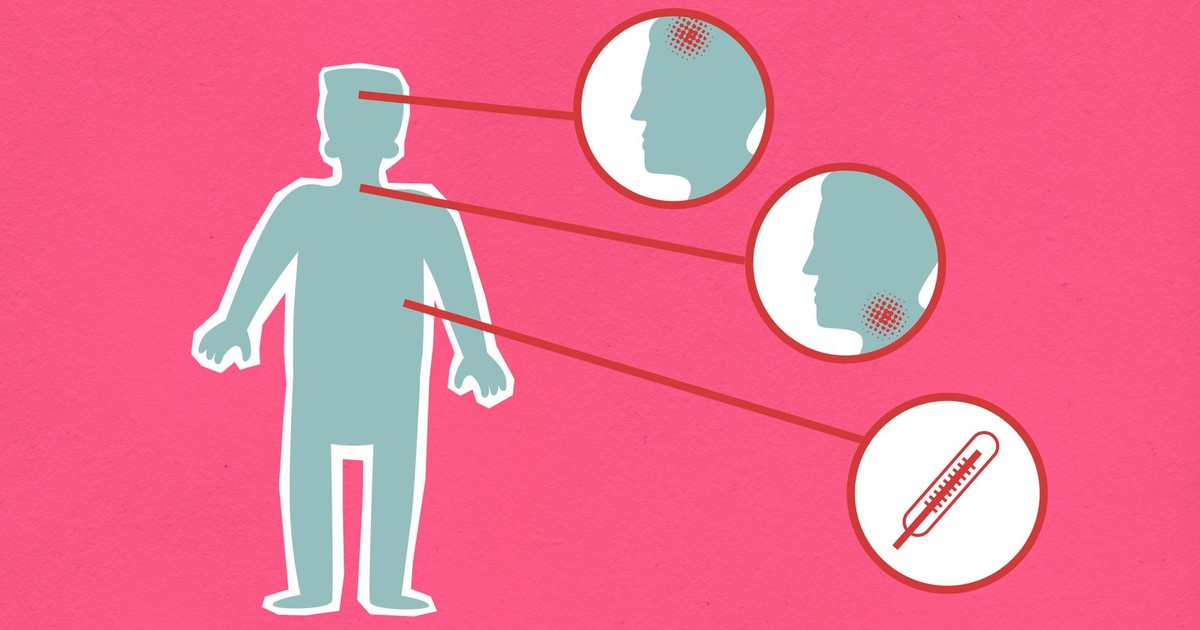

On average, 1.9 million brain cells die every minute a stroke goes untreated. That number doesn’t account for the minutes most people spend waiting, wondering if what they’re feeling is serious enough to act on. The gap between first symptom and the decision to call 911 is where the real damage happens – that’s because most stroke warning signs are easy to rationalize away.
Strokes don’t always announce themselves dramatically. A headache, a moment of confusion, a hand that feels slightly off – these are the kinds of signals that get blamed on stress, poor sleep, or getting older. In one survey, 93% of respondents recognized sudden numbness on one side as a stroke symptom, but only 38% were aware of all major symptoms and knew to call 9-1-1. Knowing one warning sign isn’t enough. Knowing all of them, and recognizing them fast, is what changes outcomes.
Stroke is an emergency. The stroke treatments that work best are available only if the stroke is recognized and diagnosed within 3 hours of the first symptoms. Stroke patients may not be eligible for these treatments if they don’t arrive at the hospital in time. These are the signals your body sends – sometimes subtly, sometimes urgently – that something is going wrong in the brain.
1. Sudden Numbness or Weakness on One Side of the Body
While strokes often strike suddenly, many individuals experience warning signs weeks or even a month before the stroke occurs. One of the most reliable of those signals is a feeling of numbness, tingling, or weakness that comes on without any obvious cause and affects only one side of the body. Sudden numbness or weakness affecting the face, arm, or leg, particularly on one side of the body, is one of the most common signs of a stroke.
If you or someone is having a stroke, one arm will sag or drop in a way that it usually doesn’t. The legs can also be affected. Weakness or numbness on one side of the body, including either leg, is one of the symptoms that come on suddenly and need emergency care. The one-sided nature of this symptom is the critical detail. A pulled muscle aches equally on both sides. Stroke-related weakness doesn’t work that way – it follows the territory of a damaged brain circuit, and that circuit typically governs one side of the body.
The practical test is simple: ask the person to raise both arms and hold them there for ten seconds. If one arm is weak or numb, does it drift downward? If it does, treat it as a stroke until a doctor tells you otherwise.
2. Face Drooping on One Side
One side of the face may droop or go numb. Ask the person to smile – is the smile uneven? An uneven smile, a drooping eyelid, or a face that simply looks different on one side compared to the other are all signs that the brain’s motor signals to the facial muscles have been disrupted.
This symptom is deceptively easy to miss on someone you see every day. Familiarity with a person’s face can make minor asymmetry invisible at first glance. If something about someone’s expression strikes you as off – if the mouth pulls to one side, if one eye seems lower, if the person looks like they’re making a strange face they can’t control – ask them to smile deliberately and look closely at both sides.
Men and women who have strokes often feel similar symptoms, such as face drooping, arm weakness, and speech difficulty. These three classic signs are the reason medical professionals developed the B.E. FAST acronym, which stands for Balance, Eyes, Face, Arms, Speech, and Time. Even one of these symptoms, appearing suddenly and without explanation, is reason enough to call 911 immediately.
3. Arm Weakness and Grip Loss
Arm weakness during a stroke isn’t always dramatic paralysis. For many people, it starts as something subtler: a hand that suddenly feels foreign, a grip that won’t hold, or an arm that feels heavier than it should. Arm weakness and the inability to maintain grip or muscle control are among the most widely recognized stroke warning signs.
Arm weakness can present as an inability to lift one arm or sudden numbness. The key word in almost every stroke symptom is “sudden.” A shoulder that’s been sore for days is not a stroke. An arm that abruptly goes weak or numb in a matter of seconds, without injury, is a different situation entirely.
Arm weakness is one of the clearest visible signals that a stroke may be underway. If one arm drifts down when both are raised, don’t wait to see if it improves. Call 911.
4. Slurred or Garbled Speech

Sudden confusion, trouble speaking, or difficulty understanding speech is one of the five core stroke warning signs listed by the CDC. Speech during a stroke can go wrong in more than one way. Some people slur their words, as though they’ve had too much to drink. Others find that words come out in the wrong order, or don’t come out at all despite the person clearly trying to speak.
A person having a stroke may experience memory loss or problems with situational awareness, or may lose the ability to understand language. In other cases, they still understand language but are unable to talk. Both forms are equally serious. The test used by emergency responders is direct: ask the person to repeat a simple sentence. If speech is slurred or difficult to understand, call 911 immediately.
Some patients experience only functional symptoms, such as weakness, slurred speech, or confusion, without discomfort. This can delay recognition and treatment. The absence of pain does not mean the absence of a stroke. A person who is struggling to form words but doesn’t look like they’re in distress may still be experiencing a medical emergency.
5. Sudden Vision Changes
Vision changes during a stroke are among the most frequently overlooked stroke warning signs – because people assume the problem is in their eyes, not their brain. Sudden changes in vision, including blurred vision, double vision, or loss of sight in one or both eyes, are warning signs of stroke. This symptom is frequently underestimated because people assume vision problems are eye problems. They’re not always.
What distinguishes a stroke-related vision change from an ordinary one is speed. If a person who normally sees clearly suddenly loses vision in one eye, or suddenly sees double with no prior history of double vision, or finds that part of their visual field has gone dark – these are signals that demand immediate action.
If you or someone nearby suddenly can’t see clearly, loses part of their visual field without warning, or finds that their glasses or contact lenses suddenly seem ineffective in a way they never have before, treat it as a stroke symptom until proven otherwise. Don’t drive to an optometrist. Call 911.
6. Loss of Balance or Sudden Dizziness
A sudden loss of balance or coordination, including trouble walking or experiencing dizziness, is the “B” in the B.E. FAST acronym – and it’s listed first because it’s one of the most commonly dismissed symptoms. People chalk it up to standing up too quickly, skipping a meal, or being tired. In isolation and with an obvious explanation, that might be reasonable. Appearing suddenly without cause is a different matter.
The sudden dizziness, an unsteady walk, or a loss of coordination that appears without any obvious reason can be an early warning sign of stroke. Many people mistake this symptom for vertigo – a condition where the inner ear misfires and creates the sensation of spinning. Stroke-related dizziness often comes with other symptoms. If dizziness hits at the same time as arm weakness, vision changes, or speech trouble, the combination points strongly toward stroke.
Vertigo and loss of balance or coordination are recognized stroke symptoms that warrant an immediate 911 call if they appear suddenly. The general rule applies here as it does everywhere: sudden onset, no clear cause, and especially any combination with other stroke signs means call for emergency help immediately.
7. Sudden, Severe Headache With No Known Cause
This isn’t your typical tension headache – it’s often described as the worst headache of your life. The sudden, explosive headache that has no identifiable trigger – no prior tension, no dehydration, no sinuses – is the hallmark of a hemorrhagic stroke (a stroke caused by a burst blood vessel in the brain). It comes on in seconds, often at full intensity, and it feels different from anything the person has experienced before.
A severe or unusual headache, different from any previous headache, can be an early warning sign of an impending ischemic stroke. A 2020 study published in The Journal of Headache and Pain defined sentinel headache as a new type of headache, or a previous kind of headache with altered characteristics, occurring within seven days before stroke. Among 550 patients with stroke, 94 patients (17.1%) had headache during the seven days before stroke, and 81 patients (14.7%) had sentinel headache within the last week before stroke.
If you or someone near you develops a sudden severe headache unlike anything experienced before, especially one accompanied by nausea, sensitivity to light, or any other neurological symptom, do not take pain relievers and wait it out. Call 911.
8. Sudden Confusion or Trouble Understanding
Some people may notice cognitive fluctuations, including memory problems, confusion, or trouble focusing. These symptoms can be small and might seem like other issues. When confusion comes on suddenly – when a person who was sharp five minutes ago is abruptly disoriented, can’t follow simple conversation, or doesn’t seem to understand where they are or what’s happening – it signals that blood flow to parts of the brain governing thought and comprehension has been disrupted.
In older adults, stroke can sometimes show up with subtler signs. Instead of obvious paralysis or speech loss, they may become unusually tired, confused, or less responsive. Memory loss, difficulty in performing regular tasks, or even sudden mood changes can also be signs. This is particularly dangerous because confusion is easy to attribute to medication, dehydration, or age-related change.
A brain receiving inadequate blood supply doesn’t send out tidy, organized distress signals. Sudden and unexplained confusion – especially in someone who seemed completely normal moments before – is a stroke warning sign that warrants a 911 call, not a “wait and see.”
9. A Transient Ischemic Attack (TIA), the Mini-Stroke
A transient ischemic attack, or TIA, produces stroke-like symptoms that resolve on their own, usually within minutes. A TIA is a medical emergency with the same symptoms as ischemic and hemorrhagic strokes. Because most TIA symptoms last from only a few minutes up to 24 hours, they are often dismissed and not taken seriously.
That dismissal carries severe consequences. According to the CDC, if you get to the hospital within 3 hours of the first symptoms of an ischemic stroke, you may get a type of medicine called a thrombolytic (a “clot-busting” drug) to break up blood clots. The risk of stroke within 90 days of a TIA may be as high as 17%, with the greatest risk during the first week. More than a third of people who have a TIA and don’t get treatment have a major stroke within 1 year. As many as 10% to 15% of people will have a major stroke within 3 months of a TIA.
For women, the picture is further complicated by the fact that TIA symptoms can be atypical. For a deeper look at how stroke warning signs can present differently by sex, this guide on strokes in women covers the specific symptoms that are more common – and more commonly missed – in female patients. The universal rule, though, applies to everyone: if stroke-like symptoms appear, even briefly, go to the emergency room immediately. The symptoms resolved; the underlying risk did not.
10. High Blood Pressure – the Silent Precursor
High blood pressure (hypertension) is not a symptom you feel in the moment – it’s the condition working quietly in the background that sets the stage for a stroke. High blood pressure, high cholesterol, smoking, obesity, and diabetes are leading causes of stroke, according to the CDC. What makes it particularly dangerous is that most people with high blood pressure have no idea their levels are elevated.
The risk compounds over time. According to a December 2024 report from the American Heart Association, people who had hypertension for up to five years were 31% more likely to have a stroke than people without the condition. Those who had it for more than two decades were at 67% greater risk. That trajectory, confirmed by the underlying REGARDS Study published in the journal Stroke, makes regular blood pressure monitoring one of the most powerful stroke-prevention tools available.
A reading of 130/80 mmHg or higher is considered high blood pressure. Knowing your numbers, and keeping them in a safe range, directly reduces stroke risk.
11. Atrial Fibrillation – the Heart Rhythm That Feeds Clots to the Brain
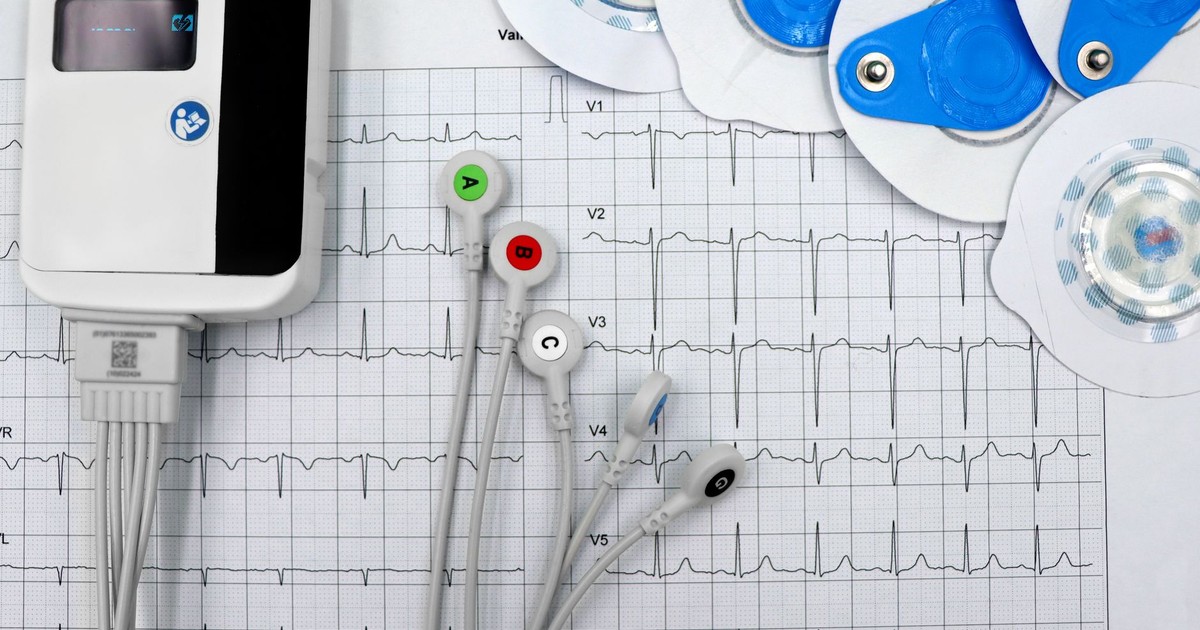
Atrial fibrillation, or AFib, is an irregular heart rhythm in which the upper chambers of the heart beat chaotically instead of in a coordinated pattern. When that happens, blood can pool and clot inside the heart – and those clots can travel through the bloodstream to the brain. According to a 2025 review published in PubMed Central, AFib is the most common arrhythmia worldwide and promotes increased risk of cardioembolic strokes and mortality.
AFib often produces no obvious symptoms, or mild ones – an occasional fluttering in the chest, brief palpitations, or unexplained fatigue – that people don’t associate with stroke risk. Many patients on screening electrocardiograms had not received a diagnosis of atrial fibrillation previously. The condition can be detected with a simple electrocardiogram (ECG, a heart-tracing test), and when diagnosed, doctors can prescribe blood-thinning medications that dramatically lower the risk of clot-related stroke.
If you’ve been told your heart occasionally beats irregularly, or if you notice unexplained palpitations or fatigue, mention it to your doctor and ask specifically about AFib. It’s one of the most treatable stroke risk factors – but only if it’s found.
Read More: 7 Signs of Mini Stroke in The Elderly
What to Do the Moment You Spot These Signs
Early treatment leads to higher survival rates and lower disability rates. Calling 911 lets first responders start treatment on someone experiencing stroke symptoms before arriving at the hospital. Do not drive yourself or the person to the hospital. An ambulance brings medical care to the patient, not just transportation to a building. Paramedics can begin assessment en route, alert the stroke team ahead of arrival, and save critical minutes.
Getting to the hospital within 3 hours of the first symptoms of an ischemic stroke makes you eligible for a clot-busting drug that improves the likelihood of recovering with little or no disability – and in some cases that window can extend to 4.5 hours. That window starts at the first symptom, not at the moment a person decides the symptom is serious enough to act on. Note the exact time when symptoms began. Write it down. Tell the paramedics immediately when you call. That timestamp shapes which treatments are available and whether they can be used.
Stroke can happen to anyone, at any age, at any time – which means everyone benefits from knowing these signs. The B.E. FAST framework (Balance, Eyes, Face, Arms, Speech, Time) covers the core signs. The supplementary signals in this list – headache, confusion, TIA, high blood pressure, AFib – cover what B.E. FAST doesn’t. Together, they give you the clearest possible picture of what a stroke looks like before it becomes irreversible.
Disclaimer: The author is not a licensed medical professional. The information provided is for general informational and educational purposes only and is based on research from publicly available, reputable sources. It is not intended to constitute, and should not be relied upon as, medical advice, diagnosis, or treatment. Always consult a licensed physician or other qualified healthcare provider regarding any medical condition, symptoms, or medications. Do not disregard, avoid, or delay seeking professional medical advice or treatment because of information contained herein.
AI Disclaimer: This article was created with the assistance of AI tools and reviewed by a human editor.