

Most adults who eat what they consider a healthy diet still fall short of their daily fiber goals – not because they’re eating junk food, but because many “healthy” proteins like chicken, eggs, and Greek yogurt contain zero fiber. The shortfall is nearly universal, and the solution rarely gets discussed in terms of a single, specific vegetable.
Green cabbage costs less than 60 cents per pound at most grocery stores. A medium head weighs about 2.5 pounds and shreds into roughly nine cups of raw cabbage. That’s a lot of fiber for very little money, but the math only starts to matter once you understand what cabbage actually delivers, and why most people have no idea it belongs on the short list of genuinely useful fiber vegetables.
Over 90% of Americans fail to meet their daily fiber requirement. For adults under 51, the recommended daily intake is 25 grams for women and 38 grams for men. Most people get roughly half that. The gap isn’t just uncomfortable – consuming too little fiber can increase the risk of developing various chronic diseases, such as cardiovascular disease or certain types of cancer. Cabbage doesn’t fix everything, but it addresses the fiber gap more efficiently, and more cheaply, than almost any other vegetable you can buy.
1. It Delivers Surprisingly High Fiber for Its Calorie Count

One cup of shredded raw cabbage contains just 50 calories and 5 grams of dietary fiber, according to Washington State Department of Agriculture data. That ratio – 5 grams of fiber for 50 calories – is exceptional. Most vegetables deliver 1 to 3 grams of fiber per cup. Cabbage nearly doubles that while keeping calories low enough to eat in volume without worrying.
Only 5% of men and 9% of women are getting the recommended daily amount of dietary fiber, according to the American Society for Nutrition. A two-cup serving of shredded cabbage – the amount you’d easily put into a salad or stir-fry – gets you 10 grams of fiber, which is roughly a third of the daily target for most adults on a single ingredient. That’s before adding any other fiber-rich foods to your day.
Current dietary guidelines for Americans suggest that people age 2 and older get 14 grams of fiber for every 1,000 calories in the daily diet, according to the Mayo Clinic. Cabbage clears that benchmark by a large margin. At 10 grams of fiber per 100 calories, it delivers roughly seven times the density the guidelines require – making it one of the most fiber-efficient foods available, not just among vegetables.
2. It’s Among the Cheapest Vegetables at Any Grocery Store
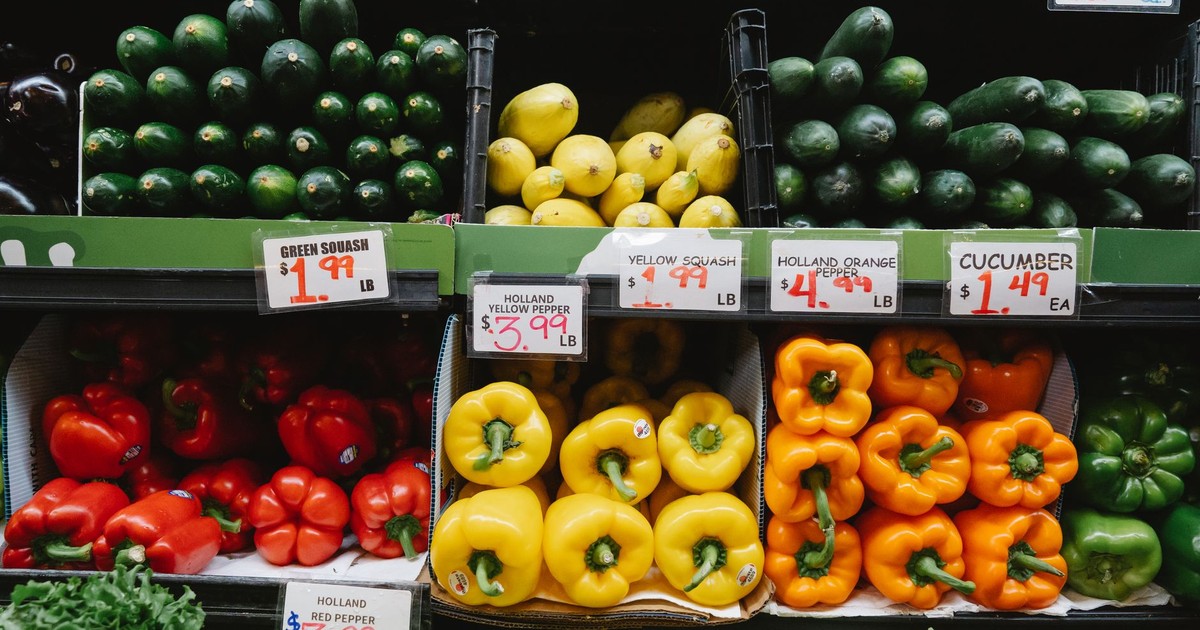
Cabbage remains one of the most affordable vegetables per pound, often less than 60 cents, according to The Washington Times. Green cabbage costs about 70 cents per pound on average, making it the second-cheapest vegetable after potatoes, according to PureWow. At those prices, hitting your fiber goals vegetables list doesn’t have to mean expensive specialty produce or supplements that cost more per serving than a full meal.
One medium head of cabbage weighs about two and a half pounds and yields about nine cups of shredded raw cabbage. At 70 cents per pound, that entire head costs under $1.75 and provides enough cabbage for multiple meals. Compare that to a fiber supplement, which can run $15 to $30 per month for far less fiber than you’d get eating cabbage three or four times a week.
The affordability story gets even more relevant in 2026. The leafy green has been growing in popularity, with fashion magazine Vogue declaring 2026 the Year of the Cabbage, according to the Quadram Institute of Bioscience. Interest in cabbage isn’t driven by trendy marketing – it’s driven by a growing awareness that cheap, dense, practical vegetables have been underutilized for decades while supplement sales grew.
3. It Feeds Your Gut Bacteria in Two Distinct Ways

Cabbage contains both insoluble and soluble fiber, which work through different mechanisms in the digestive system. Insoluble fiber – the type that can’t be broken down in the intestines – adds bulk to stool and promotes regular bowel movements. Soluble fiber, by contrast, is easily accessed and metabolized by fiber-degrading microorganisms in the intestine, according to a 2021 journal review. That fermentation process produces short-chain fatty acids, compounds that support the gut lining, reduce inflammation, and help regulate the immune system.
Soluble fiber has also been shown to increase the number of beneficial bacteria in the gut. Cabbage provides both fiber types in meaningful amounts, which means a single vegetable can simultaneously keep transit time healthy and nourish the microbial communities that regulate far more than digestion. Packed with phytosterols and insoluble fiber, cabbage fuels the good bacteria in your gut that protect your immune system and produce essential nutrients, as registered dietitian Julia Zumpano, RD, LD, at Cleveland Clinic explains.
4. It Carries Compounds That Go Beyond Fiber
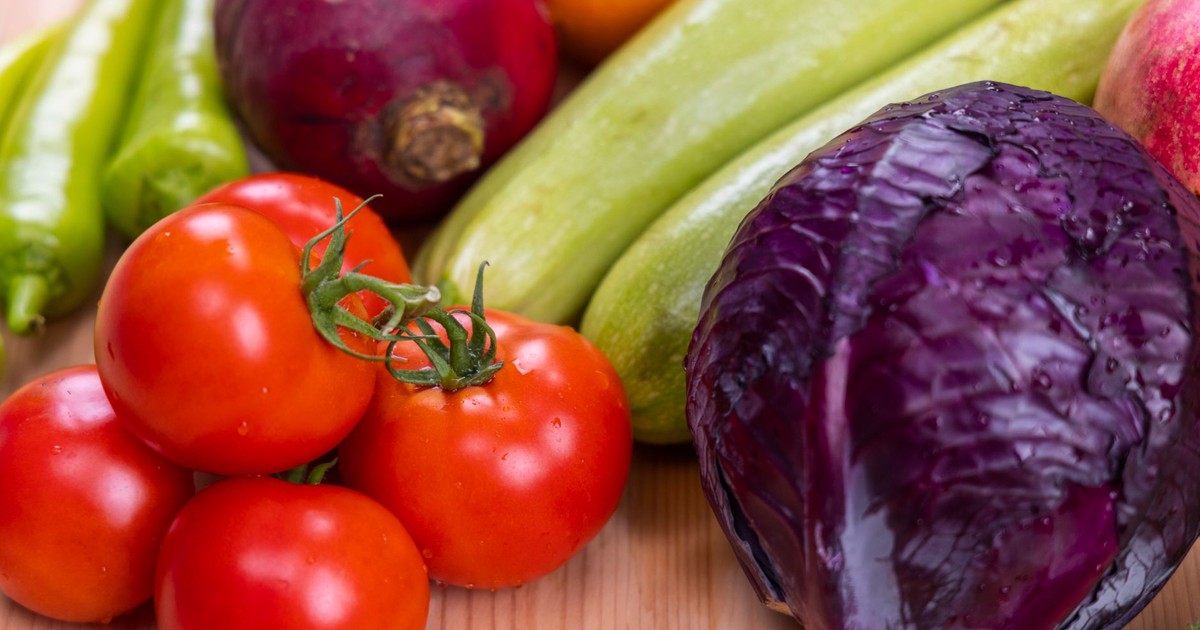
Glucosinolates are broken down in the gut into sulforaphane, which has been linked to health benefits including reducing cancer risk, according to the Quadram Institute of Bioscience. Sulforaphane – a compound produced when you chew or chop cruciferous vegetables – is one of the most studied plant compounds in nutritional science, and cabbage delivers it reliably.
The anthocyanins found in cabbage help with more than inflammation. Research suggests they add to the health benefits of cabbage by reducing the risk of heart disease. Scientists have found 36 different kinds of anthocyanins in cabbage, which could make it an excellent option for cardiovascular health, Cleveland Clinic notes. These are the same pigment compounds found in blueberries and cherries – and cabbage, particularly red and purple varieties, contains them in large quantities.
One cup (89g) of chopped red cabbage packs in 56% of the recommended intake for vitamin C, which is the same amount found in a small orange, according to Healthline. Vitamin C supports the immune system, promotes iron absorption from plant foods, and contributes to collagen synthesis. Getting that from a vegetable that also delivers 5 grams of fiber and costs pennies per serving changes the value calculation considerably.
5. It’s Linked to Lower Risk of Colon Cancer
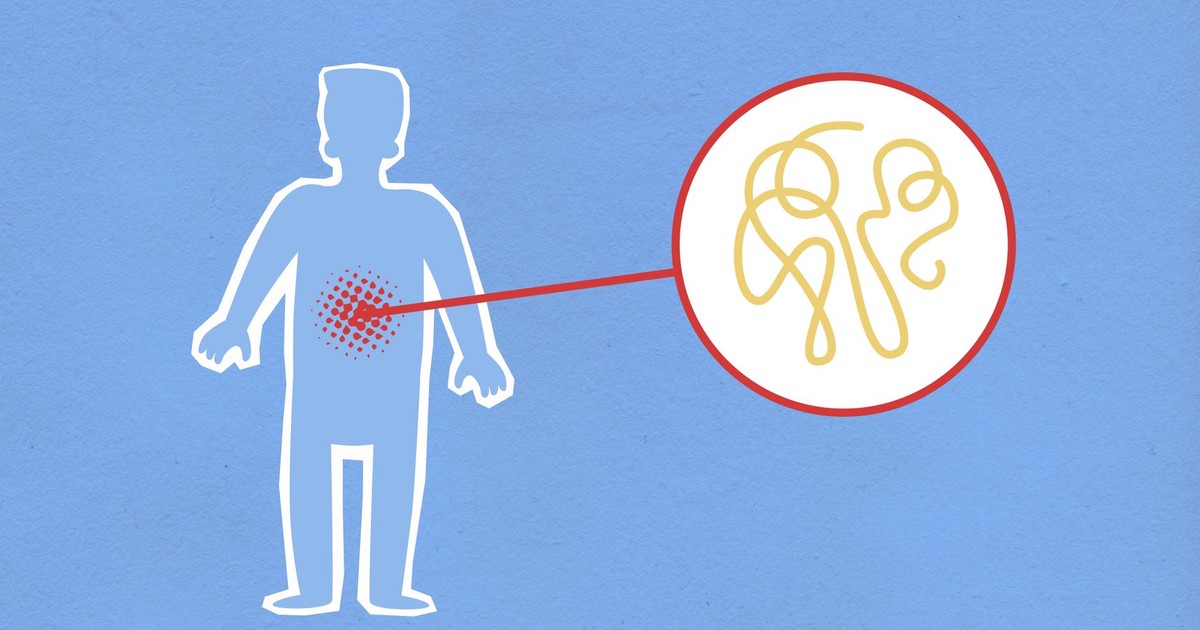
Those who ate the most cruciferous vegetables had a 17% lower risk of developing colon cancer, according to Harvard Health. Cabbage sits squarely in the cruciferous family – it belongs to the Brassica genus of vegetables, which includes broccoli, radishes, and Brussels sprouts. That means it shares the protective compounds – including glucosinolates and sulforaphane – that researchers believe drive this association.
Fiber itself plays a direct role in colon health. Dietary fiber is linked to lower rates of cardiovascular disease, type 2 diabetes, and colorectal cancer, according to a review on the National Library of Medicine. The mechanism isn’t mysterious: fiber speeds the transit of waste through the colon, reducing the amount of time potential carcinogens stay in contact with the colon wall. Cabbage provides fiber and the glucosinolate compounds simultaneously, which may explain why its protective effect appears stronger than fiber alone.
Eating cabbage regularly also supports cholesterol management through a separate mechanism. Too much LDL cholesterol can cause heart problems if it builds up in the arteries. Cabbage contains two substances – fiber and phytosterols – that compete with cholesterol to be absorbed by your digestive system, reducing bad cholesterol levels and improving health, Cleveland Clinic notes.
6. It Helps Control Hunger Without Loading Up on Calories

Fiber’s role in appetite management is well established, and cabbage delivers it efficiently. Fiber increases satiety (fullness), according to GoodRx’s 2025 nutrition analysis. Because fiber slows the rate at which the stomach empties, a cabbage-heavy meal keeps you feeling full longer than a similar calorie count from refined carbohydrates would. For anyone trying to manage weight while also hitting daily fiber goals, vegetables like cabbage address both problems at once.
Fiber is a nondigestible carbohydrate, so it adds bulk to meals and takes up space in your stomach, causing you to feel full faster and longer without contributing absorbed calories, Zumpano explains. This is why high-fiber meals tend to reduce overall calorie intake across the day – not because they restrict anything, but because hunger signals come later and stay quieter.
A practical example: two cups of raw shredded cabbage as the base of a lunch salad adds 10 grams of fiber, 100 calories, and a meaningful amount of crunch and volume. Replacing lower-fiber greens like iceberg lettuce with cabbage delivers roughly five times the fiber in the same bowl, moving daily fiber goals within reach without changing the rest of the meal.
Read More: 7 Benefits of Drinking Cabbage Juice Regularly
What to Do With This
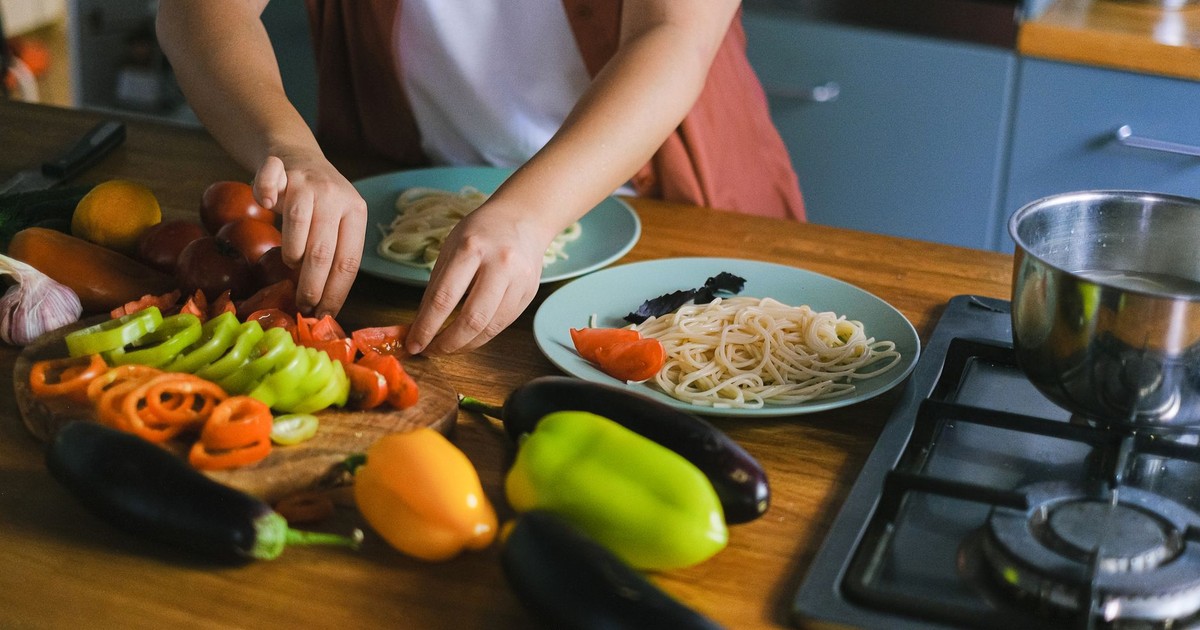
Cabbage won’t close the fiber gap on its own, but it’s one of the most efficient tools for narrowing it. A cup or two per day – raw in a slaw, cooked into a stir-fry, fermented into sauerkraut, or braised alongside other vegetables – can add 5 to 15 grams of fiber to a daily total that most adults are currently missing by half.
The practical starting point is simple: buy a head of green cabbage this week. Shred a quarter of it and add it to whatever you’d normally eat – tacos, grain bowls, soup, scrambled eggs. The flavor is mild enough when raw and disappears into cooked dishes entirely. At less than 60 cents per pound, it’s the cheapest fiber upgrade available, and the one that also brings cardiovascular compounds, cancer-fighting glucosinolates, and nearly 60% of a day’s vitamin C along for the ride. People with thyroid conditions or on blood-thinning medications like warfarin should check with their doctor before increasing intake significantly, since cabbage’s glucosinolates and high vitamin K content can interact with both.
Disclaimer: This information is not intended to be a substitute for professional medical advice, diagnosis, or treatment and is for information only. Always seek the advice of your physician or another qualified health provider with any questions about your medical condition and/or current medication. Do not disregard professional medical advice or delay seeking advice or treatment because of something you have read here.
AI Disclaimer: This article was created with the assistance of AI tools and reviewed by a human editor.