

The average American household headed by someone 65 or older spends $61,432 a year, just over $5,100 a month, according to the U.S. Bureau of Labor Statistics 2024 Consumer Expenditure data. Most retirees planning their finances assume that number is simply what retirement costs. In one Florida city sitting 45 miles northwest of Orlando, the math looks entirely different.
Leesburg, Florida, took the top spot in a July 2025 GOBankingRates study with a retirement population that has grown 54.8% since 2018. That isn’t a rounding artifact or a statistical fluke driven by one large development. It’s a sustained, years-long migration of retirees choosing a city most people couldn’t place on a map. Retirees with options keep selecting the same place, and the affordability case starts with the cost of housing.
The main draw is affordability, with a median home value around $272,000 and average monthly rent of approximately $1,450. Several overlapping factors explain how a city this small delivers a retirement experience that costs far less than most of coastal Florida.
The Cost of Living Gap Is Bigger Than It Looks

Leesburg has a population of around 38,000, with 28.9% of residents over the age of 65, nearly double the national average of about 17%. That share of older adults shapes the city’s infrastructure, its services, its medical facilities, and its social fabric in ways that benefit anyone planning a long retirement there.
There is no one-size-fits-all strategy for retirement, but affordability matters, and some cities are far better equipped for seniors on a fixed income than others. Leesburg is one of the clearest examples in the country. The Bureau of Labor Statistics data shows households led by individuals age 65 and older spent an average of $61,432 on retirement expenses in 2024. Living in Leesburg puts a significant portion of that budget back in your pocket. According to PayScale’s cost-of-living data, Leesburg’s overall cost of living is 22% below the national average, meaning a retiree spending the national average elsewhere could redirect roughly $13,500 a year simply by relocating.
The gap is even wider on housing specifically. PayScale data shows Leesburg’s housing expenses are 55% lower than the national average. For context, housing is the single largest retirement expense by far: it accounts for $22,193 a year on average, more than 36% of a retiree’s total spending. Cutting that category in half changes what retirement looks like for millions of people working with modest savings or Social Security as a primary income source.
Housing Costs That Leave Room for the Rest of Life
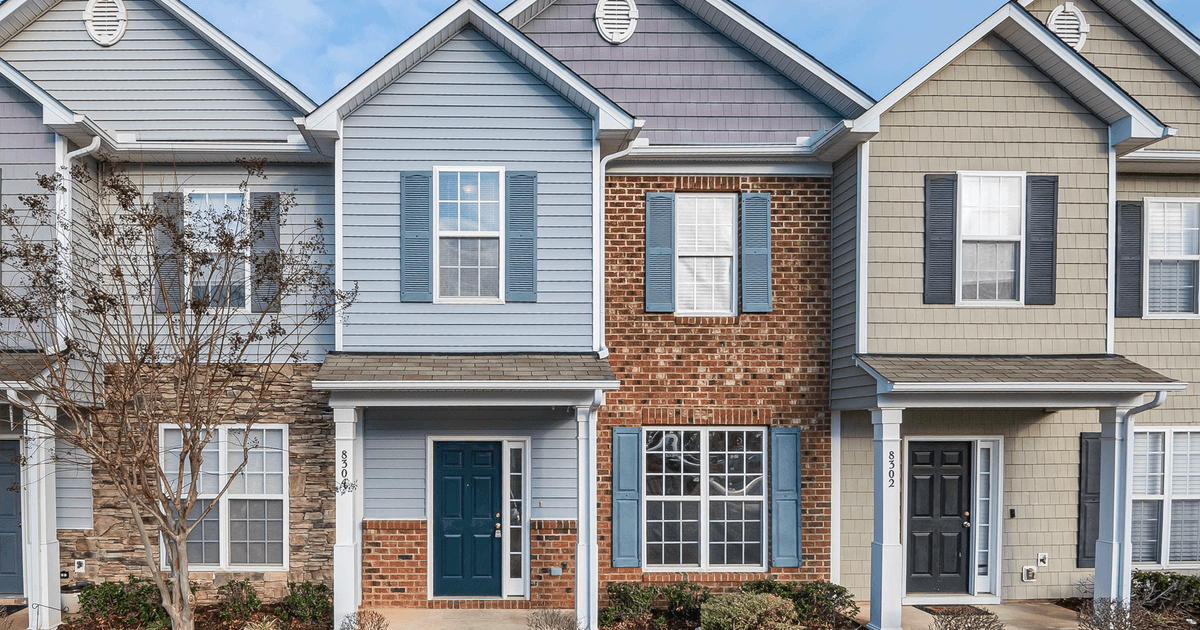
Leesburg, Florida, and Goodyear, Arizona, take first and second place in the GOBankingRates rankings, each with retirement populations that have boomed over 54% since 2018. But Leesburg’s lead isn’t just demographic momentum. It’s driven by a housing market that remains accessible even as the city grows.
The median home value in Leesburg sits at approximately $272,000, according to Zillow index data, well below the national median, which has pushed past $400,000 in most markets. For retirees who don’t want to own, average rent in Leesburg runs approximately $1,450 per month as of mid-2026, according to Zumper’s rental market data, 26% below the national average, saving renters roughly $500 a month compared to typical U.S. markets.
Neighborhoods like Lakeside Pointe, Harbor Boulevard, and Royal Oak Estates have built a reputation for being quiet, tree-lined, and family-friendly without carrying premium price tags. As developers eye the area for new construction, increased traffic and potential overcrowding have become concerns for some residents, a real consideration for anyone weighing the city’s long-term trajectory. But even with that growth pressure, Leesburg remains one of the more accessible markets in central Florida for retirees working within a fixed budget.
No State Income Tax – and What That Means for Social Security

Leesburg appeals to retirees and remote workers looking for affordable living in scenic surroundings, but one of the most financially significant advantages isn’t about the city itself. It’s about the state. Florida does not have an individual state income tax, according to the Tax Foundation, which matters considerably for retirees drawing income from Social Security, pensions, or retirement account withdrawals.
The Social Security Administration reports that the average monthly Social Security benefit as of January 2026 is $2,071, following a 2.8% cost-of-living adjustment that took effect at the start of the year, benefiting nearly 71 million beneficiaries. In a state with no income tax, that entire amount stays in the retiree’s hands. In states that do tax Social Security or retirement distributions, a meaningful slice disappears before it reaches a checking account. For a retiree relying primarily on Social Security plus modest savings, the difference can run to several thousand dollars a year.
The median household income in Leesburg is $52,880, according to the U.S. Census Bureau’s QuickFacts. That figure aligns well with the income profile of retirees depending on a combination of Social Security and modest supplemental income, meaning Leesburg isn’t priced for high earners. It’s built, organically, around people who need their money to work harder.
Healthcare Access That Punches Above Its Weight

A small city of 38,000 people might not inspire confidence when it comes to medical care. Leesburg is an exception, partly because of where it sits. City Manager Al Minner, speaking to WESH2, attributed much of Leesburg’s growth to its close proximity to The Villages, the largest retirement community in the world. That proximity doesn’t just create community. It creates infrastructure. The Villages has attracted a dense network of medical specialists, outpatient facilities, and healthcare providers that residents of surrounding cities can also access.
Within Leesburg itself, UF Health Leesburg Hospital is rated high performing in 5 adult procedures and conditions, according to U.S. News & World Report’s hospital rankings, with 86% of patients willing to recommend it to others. For a hospital serving a city this size, those numbers are strong. Most retirees won’t need to leave Leesburg for routine care, and for anything more complex, Orlando’s major medical centers are less than an hour away.
Healthcare spending is the category most likely to derail a retirement budget. Transportation, food, and healthcare, at roughly $9,538, $7,940, and $7,779 annually on average, round out the biggest retirement expenses after housing, with health insurance premiums alone making up about 65% of healthcare costs. Proximity to quality care without the cost of a major metro area matters more than most retirement calculators account for.
Lifestyle and the Lakes That Keep People Here

Though tucked in the middle of the state, Leesburg sits on some of Florida’s best lakefrontage and claims the title of the nation’s best bass fishing region. The city spreads across multiple lakes in Lake County, and much of what retirees spend their time doing there, fishing, boating, walking the lakefront trails, attending community events, costs very little on a daily basis.
Known as the “Lakefront City,” Leesburg’s most widely recognized event is its annual Bikefest, the world’s largest three-day music and motorcycle rally. Beyond that, its bustling downtown area is packed with dining and shopping options, along with community events that are open to all. For retirees who moved to larger Florida metro areas and found themselves paying premium prices to live somewhere they rarely left the house, Leesburg’s walkable downtown and outdoor amenities offer a genuinely different daily experience.
Average commute time in Leesburg runs just under 22 minutes, below the national average, a practical advantage for the roughly one in three retirees who take on part-time work to supplement their income.
Read More: 7 Real Towns Where You Can Retire on Social Security Alone in 2026
What This Means for Your Retirement Budget

The GOBankingRates study that named Leesburg the fastest-growing retirement community in the country tracked U.S. cities that have welcomed the most seniors since 2018 and found Leesburg has added 20% or more to its retirement-age population in just a few years, a growth curve that tells you something about what people who’ve done the homework are concluding. When retirees with options keep choosing the same city, affordability alone isn’t usually the whole story. Leesburg combines low housing costs, no state income tax, a strong local hospital, outdoor recreation, and a walkable downtown into a package that doesn’t require trading quality of life for a lower cost of living.
The math for a retiree living in Leesburg on a typical Social Security benefit of $2,071 a month is tighter than comfortable, but PayScale’s cost-of-living calculator confirms that a 22% savings on everyday expenses genuinely changes what’s achievable. A couple drawing two Social Security checks plus modest savings withdrawals can realistically cover their costs in Leesburg in a way that’s simply not possible in most of coastal Florida. The city’s growth means conditions are changing, so researching current rental inventory, specific neighborhoods, and healthcare proximity for your particular needs, and making a visit before committing, is worth building into the process. What looks good on a spreadsheet is worth confirming on the ground.
Disclaimer: This information is not intended to be a substitute for professional financial advice, investment advice, tax advice, or legal advice, and is provided for informational purposes only. Always seek the guidance of a qualified financial advisor, accountant, or other licensed professional regarding your personal financial situation or investment decisions. Do not make financial, investment, or tax decisions based solely on information presented here. Past performance is not indicative of future results, and all investments carry risk, including the potential loss of principal.
AI Disclaimer: This article was created with the assistance of AI tools and reviewed by a human editor.