
Natural sunlight affects sleep cycles, mood, energy, blood pressure, and the immune system. We need just the right amount. Too much sunlight can damage skin and increase the risk of skin cancer.
Sunlight: Vitamin D, Blood Pressure, Mood and Cognitive Function
Sunlight UVB skin exposure promotes the production of vitamin D by activating a cholesterol-derived compound in the skin. Regardless of whether it comes from the sun, food (fatty fish, fish liver oils, beef liver, and egg yolks), or supplements, vitamin D is essential for a strong immune system and generally good health. Low levels are linked to hypertension, cardiovascular disease, metabolic syndrome, autoimmune disease, intestinal permeability, and solid organ cancers. Additionally, vitamin D is not solely responsible for all proposed health benefits of sunshine.
Nitric oxide (NO) can also be released in the skin in response to UV exposure, with UVA appearing to play the primary role in releasing stored NO into circulation, while UVB can also stimulate NO production in skin cells. This NO is involved in arterial vasodilation and may help reduce blood pressure and improve blood flow. This, together with light exposure’s improved regulation of sleep and circadian rhythm, helps support mood, emotional regulation, and cognitive function.
Artificial Light Therapy
White Light
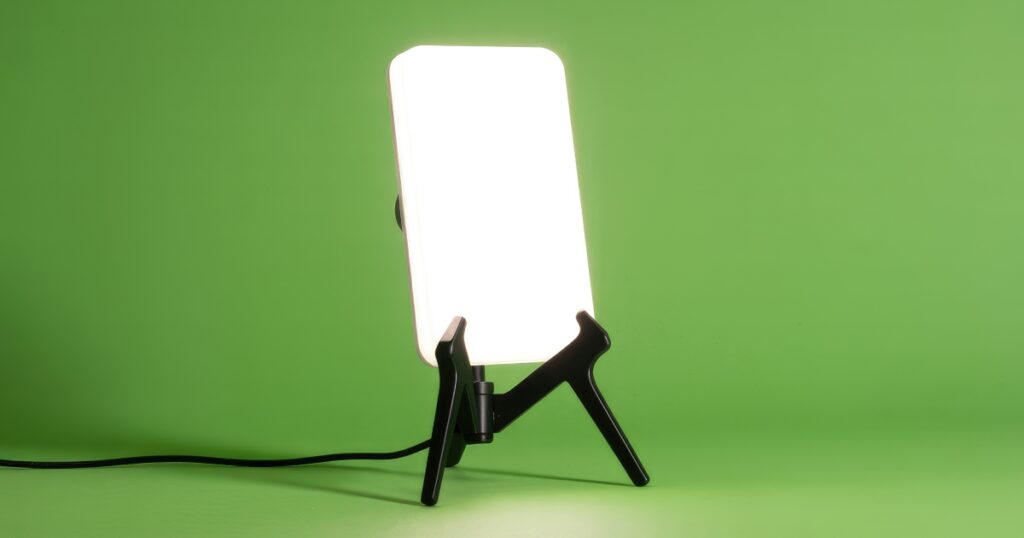
Bright or white light (BLT) therapy in the intensity range of 2,500-10,000 lux helps improve mood and activity levels. Even 20 minutes a day may help with Seasonal Affective Disorder (SAD) or the “Winter Blues.” Overexposure can make you feel edgy, like you’ve had one too many cups of coffee. Bright light therapy can also be used to reduce symptoms of bipolar depression. A review of 799 patients treated with light therapy found a 2.3% rate of manic or hypomanic switching, considerably lower than the 15%–40% rates reported with antidepressant drug treatment.
Blue Light
Visible light accounts for about 44% of solar radiation, and blue light makes up a portion of the visible spectrum. Blue light is experienced from light bulbs, televisions and smartphones. Blue light cues human circadian rhythms and suppresses melatonin, which is one reason why it helps prevent the “post-lunch dip” in energy and also why it may be a good idea to avoid tablets and screens at least an hour before bed. Blue light blocking glasses may also help before bed, although the evidence is mixed.
Blue light has also been found to accelerate the relaxation process after stress in comparison with conventional white lighting, although this finding came from a smaller preliminary study.
Red Light Therapy
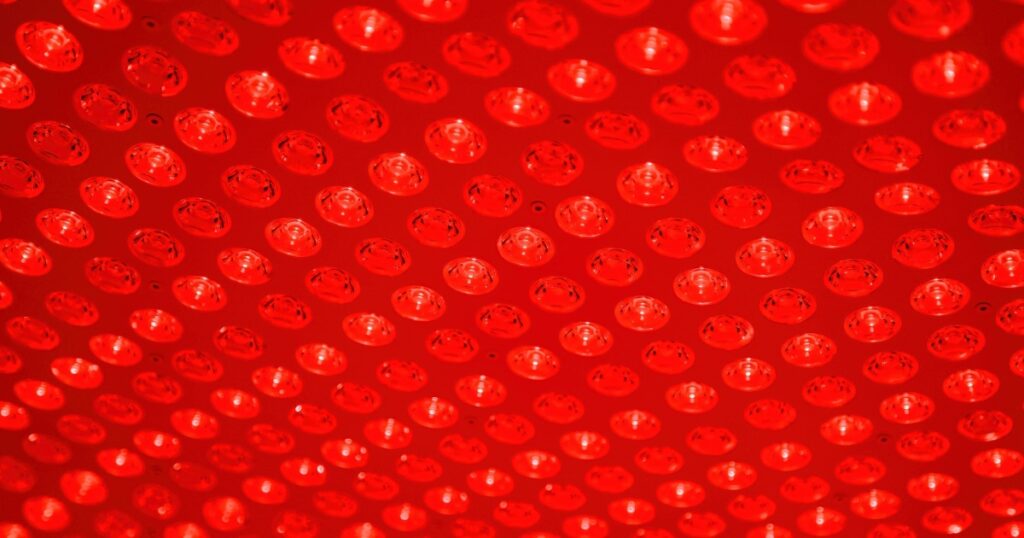
Red or near infrared light therapy is also known as low-level light therapy (LLLT) or photobiomodulation. It enhances mitochondrial ATP (energy) production, cell signaling and growth factor synthesis and can reduce oxidative stress, which may contribute to its effects on healing.
In dermatology, LLLT has been studied for skin rejuvenation, acne, wound healing and scars. More recent research has also found promising results for red and near-infrared photobiomodulation in the management of burn, hypertrophic and post-surgical scars, although larger controlled trials are still needed.
You might use an infrared sauna to help promote healing at home. I use an infrared therapy lamp to help mobilize the tissues beneath the skin to accelerate the effects of acupuncture. In pigmentary disorders such as vitiligo, LLLT has also been studied for its potential effects on pigmentation.
Photobiomodulation has also been studied for inflammatory skin conditions such as psoriasis and acne. Fibers impregnated with FIR-emitting ceramic nanoparticles and woven into fabrics are also being used in garments and wraps designed to generate FIR radiation.
Let there be light.
About Dr. Laura M. Brown, ND
Dr. Laura M. Brown is a regulated Naturopathic Doctor dedicated to helping patients restore health and vitality through personalized, evidence-informed care.
With a special focus on digestive health, hormone balance, emotional well-being, and energy, she looks beyond symptoms to uncover root causes and support the whole person—body, mind, and spirit.
A graduate of the Canadian College of Naturopathic Medicine, Dr. Brown is a published author of Beyond Digestion: How GUT Health Connects to Your Mind, Body, and Soul, educator, course creator, and internationally featured podcast guest. She combines modern science with traditional naturopathic wisdom to guide patients toward lasting wellness.
This article has been republished with permission from Dr. Laura M. Brown, ND. You can learn more about her work and her approach to naturopathic care on her website.
Read More: Niels Ryberg Finsen: The Doctor Who Healed With Sunlight
Disclaimer: This information is not intended to be a substitute for professional medical advice, diagnosis or treatment and is for information only. Always seek the advice of your physician or another qualified health provider with any questions about your medical condition and/or current medication. Do not disregard professional medical advice or delay seeking advice or treatment because of something you have read here. The views and recommendations expressed by contributing practitioners reflect their own professional opinions and clinical experience and do not necessarily reflect those of The Hearty Soul.