
Beni Lukumu had a full day of Uber rides ahead of him when he pulled up and found his next passenger still lying on the ground. The young man had a broken wrist. He had no family in town. And no ambulance was on the way. What Lukumu did next took about six hours out of his working day. It also left both men changed in ways neither fully expected.
That young man was Joey Romano, a University of Texas at Austin senior. He had been skateboarding near campus when he swerved to avoid an oncoming car and slammed into a ditch. Romano was worried about the cost of an ambulance. He did not have strong insurance, he later told TODAY. So he opened an app and called a rideshare instead. “I didn’t have very good insurance, and I was worried about the cost,” Romano, now 29, told TODAY.
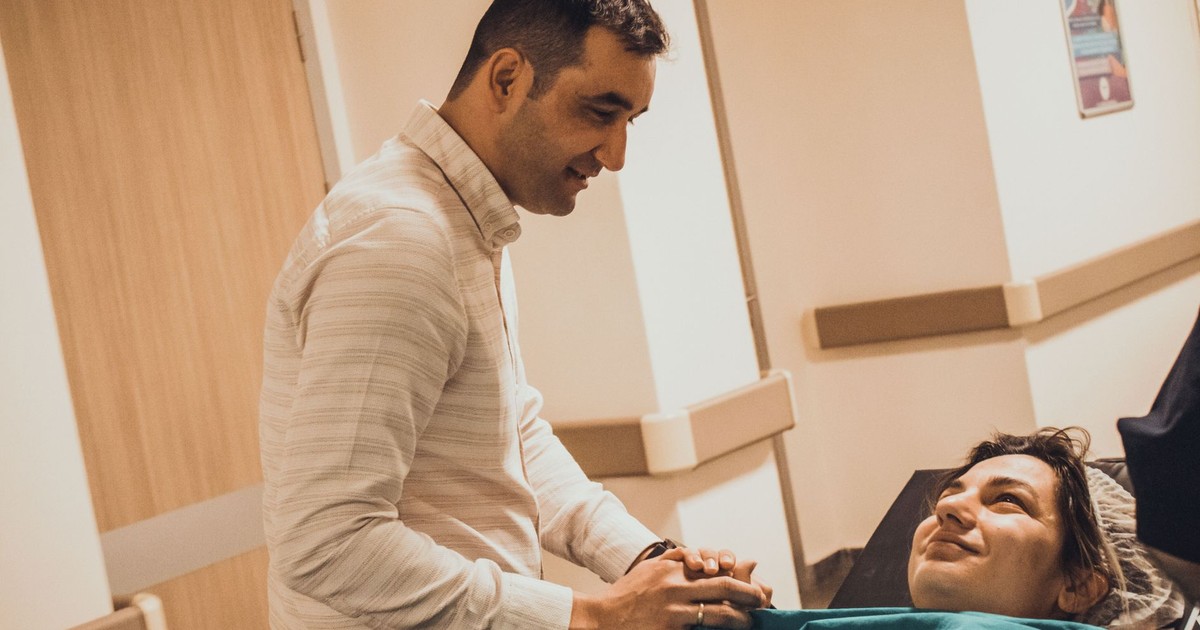
Lukumu had immigrated to the United States from the Democratic Republic of Congo at age 25. He understood what it felt like to be far from home and far from family. When he arrived and saw Romano on the ground, he helped him carefully into the car. He reclined the passenger seat to ease the pain. He drove him first to urgent care. The injury was too serious for that. So Lukumu drove him on to the emergency room, at no charge. Then he found out Romano had no one coming to meet him. That’s when he made a different kind of decision.
When a Stranger Becomes the Only Person in the Room
“It wasn’t even a question for me,” Lukumu told TODAY. “I was staying with Joey. He needed somebody to be by his side.”
He stayed from 2 p.m. to 8 p.m. That was a full six hours sitting with a 22-year-old stranger in an ER. He missed a day’s worth of fares. Romano later recalled being on a morphine drip. He felt a strange kind of relief. It was the warm presence of someone who had no duty to be there at all.
When Romano’s grandmother arrived from Houston just as he was being discharged, she tried to pay Lukumu for his time. He declined. He did accept a dinner invitation. That small yes helped cement a friendship that has lasted more than seven years. They still check in a couple of times a year.
Read More: Man’s Front-Yard Food Pantry Gains Attention as Neighbors and Online Supporters Contribute
What Stories Like This One Can Mean for the Brain
Romano had grown more withdrawn in the years before the accident. His brother Johnny had died of leukemia at age 10 in 2008. That loss had pushed Romano into a deep emotional isolation. He described becoming “really insular” and “really cold.” Meeting Lukumu cracked something open. “That one act of kindness helped me see the good in the world again,” Romano said. “Beni absolutely changed my life.”
Research from UCLA’s social and affective neuroscience research has found that acts of kindness can reduce depression, anxiety, and loneliness more than acts of self-care alone. The loneliness Romano described carries a health burden many people underestimate. The WHO Commission on Social Connection said this in its June 2025 global report. It linked loneliness and social isolation to more than 871,000 deaths a year worldwide. It also listed them as risk factors for stroke, heart disease, diabetes, cognitive decline, and early death.
Loneliness also speeds up cognitive decline. A peer-reviewed study found that loneliness is consistently linked with a higher risk of cognitive impairment and death, even after adjusting for social isolation. Those findings describe what can happen inside a body and a brain when a person feels unseen and alone. That is the state Romano said he was living in before that afternoon in the ER.
The Science of Giving: Why Lukumu Also Benefited
Performing acts of kindness promotes social connection, a key predictor of well-being, according to research published in The Journal of Positive Psychology. A 2026 study looked at people who did three acts of kindness a week for two weeks. It found drops in depression, anxiety, and loneliness. Self-care acts showed drops in depression. They did not show a meaningful change in anxiety or loneliness.
Lukumu was not following a wellness plan when he stayed in that ER. He was responding to what he saw in front of him. Researchers at Harvard T.H. Chan School of Public Health have linked regular acts of kindness to better mental health and better physical health. That includes a lower risk of death later in life. Research on students and young adults has also found that deliberate acts of kindness can improve resilience. By those measures, Lukumu’s instinct to stay was also good for him.
Why Human Presence in a Crisis Matters More Than We Think
What made Lukumu’s actions matter most was not the ride, the paperwork, or the waived fare. It was the six hours of simply being present. Social support plays an important role in long-term recovery, especially for mental health, in people who have had a sudden medical event.
Having someone present can affect outcomes that last well past that day. That is someone who signs you in, sits beside you, and shows up for a situation they did not have to take on. Social connection reduces inflammation, supports mental health, and lowers the risk of major diseases, according to the same WHO Commission report.
Romano’s grandmother made the drive from Houston. Lukumu refused payment but accepted dinner. The two men stayed in touch across the years that followed. Connection, kept up over time, is what gives a single act of kindness its full weight.
Romano is now 29 and works as a renewable energy developer. Lukumu works in insurance in Austin. They check in a couple of times a year, without much ceremony. It is the quiet continuity of two people who know what they meant to each other at a particular moment.
What This Means for You
The Romano and Lukumu story is unusual in its details, but ordinary in its mechanism. Someone was struggling. Someone else chose to stay. That choice has rippled forward for more than seven years, in Romano’s relationships, in his outlook, and in his drive to look for ways to help others.
Performing three deliberate acts of kindness a week, even modest ones, has been shown in research to reduce depression, anxiety, and loneliness in ways that self-care alone may not. Lukumu had no plan. He simply looked at the person in front of him and made a decision. Lonely people report an average of two to three more poor mental health days per month than socially connected people. Acts of kindness have been linked in multiple studies to better mental health, lower stress, and better physical health. Those benefits can accrue to the giver, not only the recipient.
Romano put it plainly. Having a complete stranger spend his entire day with him helped him put things in perspective. Lukumu did it for no reason beyond the goodness of his heart. Seven years later, Lukumu probably does not think of that Tuesday as a turning point. For Romano, it was exactly that. It was one afternoon in an Austin ER that proved the world still had good in it.
AI Disclaimer: This article was created with the assistance of AI tools and reviewed by a human editor.