
DeMonica Amerson was 21 years old when doctors told her she had multiple sclerosis. For nearly two decades, she built her life around that diagnosis. She gave herself daily injections, then moved to monthly infusions. A port was placed in her chest to make medication delivery easier. She spent years doing advocacy work for the MS community. In 2019, an ER neurologist ordered a blood test. It led to more tests. Those tests changed the first diagnosis. She had never had MS. She had a different, rarer autoimmune disease that had been mimicking it all along.
Large studies cited by CBS News found that 15% to 20% of people told they have multiple sclerosis do not actually have it. Amerson’s story is not as uncommon as it sounds.
MS is often misdiagnosed because there is no single test that confirms it. Doctors must look at symptoms, MRI scans, and other tests. Spinal fluid analysis is one example of an added test. One neurologist said that diagnosing MS is not simple. Unlike diabetes, there is no single blood test to confirm it. With diabetes, one number gives you the answer. MS does not work that way. The picture has to be built piece by piece.
When a Misdiagnosed MS Diagnosis Goes Undetected for Years
Amerson’s diagnostic path was winding from the start. When she first had symptoms in 2001, doctors thought the problem was in her eyes. They suspected optic neuritis. That means swelling of the optic nerve. Then lupus entered the picture. After a spinal tap, they landed on MS, and that became her reality.
She received that diagnosis with a mix of fear and confusion. She had no family history of the condition and had never heard of it. Over the years, though, she adapted. MS treatments changed over time. She went from daily self-injections to a monthly infusion. She raised two daughters and worked as a school administrator. She also used her experience to raise funds and push for change. When relapses came, she and her doctors blamed them on MS getting worse.
Read More: Misdiagnosed as a Cold: The Deadly Infections Doctors Can Still Miss
During a severe flare, Amerson was lethargic and her legs were numb. She missed her daughter’s birthday party to go to the hospital. In the ER, and began vomiting. The on-call neurologist ran a specialized blood test. After she went home, that neurologist called her. She might have a rare autoimmune disorder. She needed to see a specialist. When the specialist finished follow-up testing, the result was clear. Amerson had never had MS at all.
She was, in her own words, “so mad” that she walked out of the doctor’s office. She had not known another disease could mimic MS so closely.
NMOSD: The Condition That Looks Like MS But Behaves Differently
Amerson actually has a condition called neuromyelitis optica spectrum disorder. It is also known as NMOSD. It is a rare autoimmune disease. That means the immune system attacks the body’s own tissue by mistake. NMOSD targets the central nervous system, with a focus on the spinal cord and the optic nerves. The optic nerves connect your eyes to your brain. Symptoms can include sudden vision loss, muscle weakness, bowel and bladder problems, and loss of sensation. Those symptoms overlap with MS, which is why NMOSD can cause similar symptoms and be mistaken for it.
The key difference is severity. NMOSD symptoms tend to be more intense than those caused by MS. Attacks can cause significant, lasting damage to the spinal cord and optic nerves. This makes early, accurate diagnosis especially important.
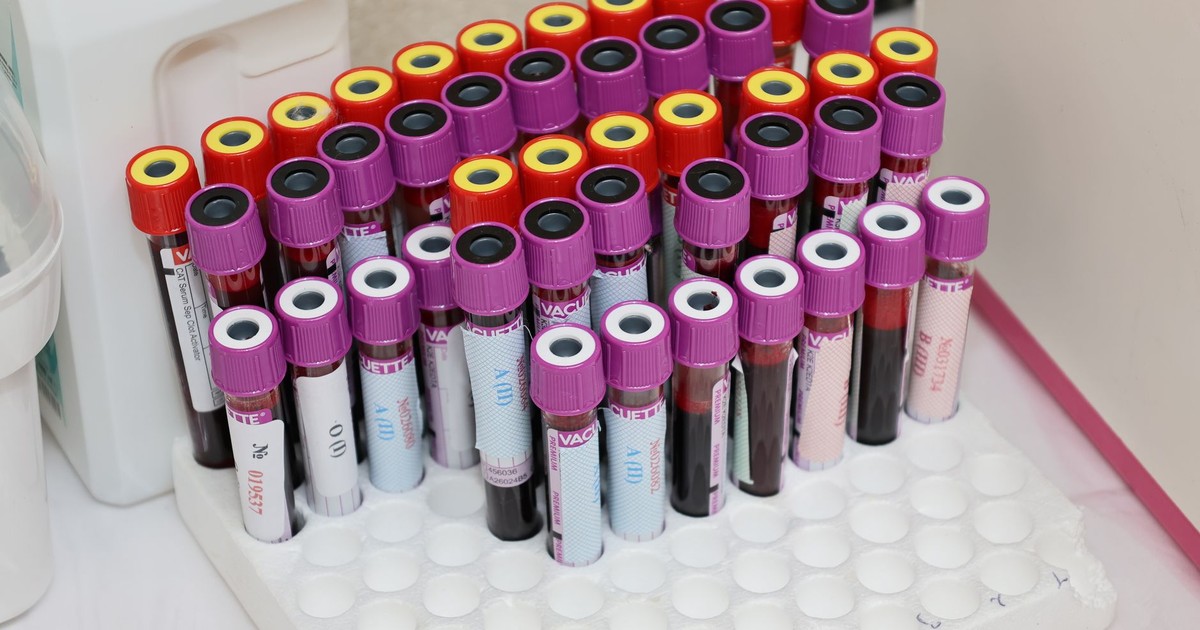
One thing that sets NMOSD apart from MS in the lab is a specific antibody. An antibody is a protein your immune system makes. Many people with NMOSD have a protein in their blood called aquaporin-4 antibody, or AQP4-IgG. This protein can be detected with a blood test. According to UCSF Health, AQP4 antibodies are a specific sign of NMOSD. Finding them can help tell it apart from MS. Not everyone with NMOSD has these antibodies. A negative test does not rule the condition out. Even so, the test gives doctors a clear biological marker. MS diagnosis does not have one like it.
Why Brain Scans Alone Aren’t Enough
CBS News reported that MS misdiagnosis often happens when brain scan results are read the wrong way. When those abnormalities are misread, the whole process that follows can go the wrong way.
New rules published in 2025 aim to lower the risk of MS misdiagnosis.
The Treatment Picture After a Corrected Diagnosis
She now gets infusions of inebilizumab (Uplizna). She has said it works well for her. This drug is approved specifically for NMOSD.
Inebilizumab is a monoclonal antibody. It is a lab-made protein. The drug is approved for use in patients who test positive for the AQP4-IgG antibody. It is not a cure and does not reverse prior damage. The drug reduces the frequency and severity of new attacks.
NMOSD can cause sudden, severe attacks. Each episode can cause new disability that may not go away. Reducing the number of attacks is the central goal of treatment.
What to Do If You’re Questioning an MS Diagnosis
Amerson’s story was covered in October 2026. The key medical event took place in 2019. New rules published in 2025 try to lower the chance of an MS misdiagnosis.
If an MS diagnosis is not improving, ask a neurologist about antibody testing for NMOSD. This is also a good step if symptoms seem unusually severe. A doctor can test for the AQP4-IgG antibody. Finding it can help confirm an NMOSD diagnosis. That is what happened in Amerson’s case. An ER doctor chose to look, and that choice changed everything.
Asking for a second opinion from a specialist at an MS or neuroimmunology center is a fair step to take. It is not an overreaction. MS and NMOSD are complex. MS misdiagnosis often happens because brain scan results are read the wrong way. New rules published in 2025 aim to cut the risk of MS misdiagnosis. For anyone whose diagnosis still does not quite fit, better tools now exist.
If your treatment is not working, talk to a neurologist. Ask for one who focuses on neuroimmunology. This is especially true if your diagnosis has never felt quite right. Ask directly whether NMOSD antibody testing has been done. It’s a blood draw. For Amerson, it was the beginning of an answer that had been missing for nearly two decades.
Disclaimer: The author is not a licensed medical professional. The information provided is for general informational and educational purposes only and is based on research from publicly available, reputable sources. It is not intended to constitute, and should not be relied upon as, medical advice, diagnosis, or treatment. Always consult a licensed physician or other qualified healthcare provider regarding any medical condition, symptoms, or medications. Do not disregard, avoid, or delay seeking professional medical advice or treatment because of information contained herein.
AI Disclaimer: This article was created with the assistance of AI tools and reviewed by a human editor.