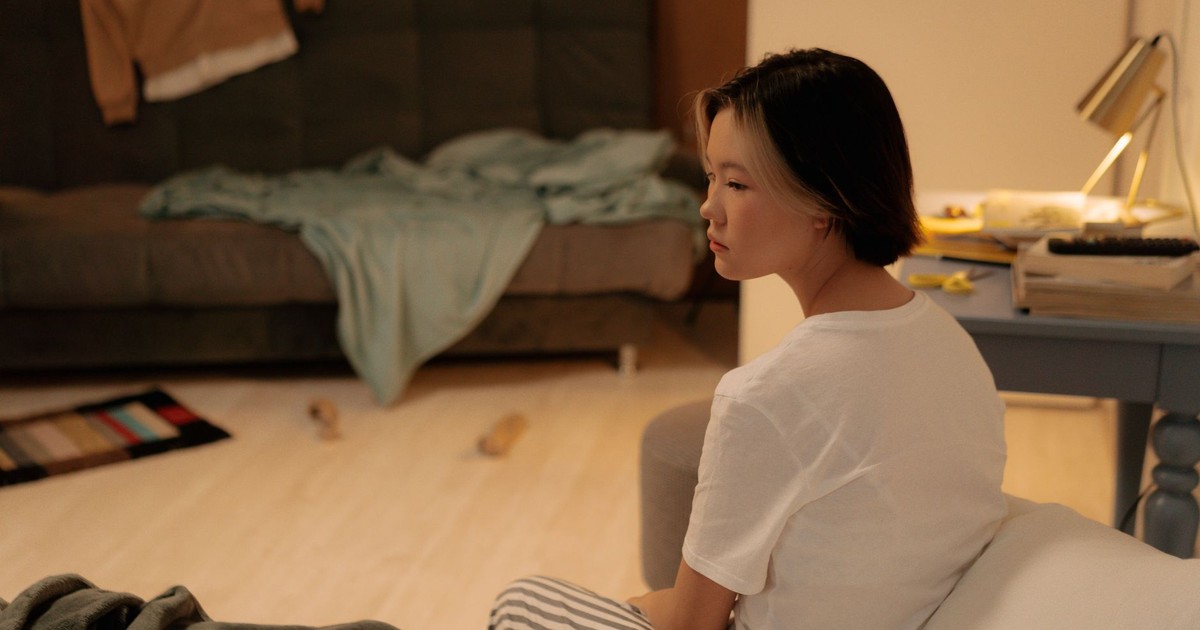

A 2010 study linked clutter and stress hormones in a specific way. Some women used words like “cluttered,” “unfinished,” or “disorganized” to describe their homes. Those women had flatter daily cortisol patterns in the weekdays that followed. A flatter cortisol pattern is tied to worse health outcomes. That finding has been widely cited. The study was small and only looked at links between things. It measured how people talked about their homes, not how many items they owned. It cannot show that a messy house causes anxiety.
A widely shared article on Parenting Isn’t Easy presented this research as scientific evidence that clutter causes anxiety. The study itself is narrower than that claim.
As it spreads online, this claim traces back to a 2018 piece published by Parenting Isn’t Easy. It was not a new study. It helps to know what the research truly shows and where it stops. That way your choices are based on the real findings, not a simplified version of them.
The Study Behind the Headline
The core research is a 2010 paper in Personality and Social Psychology Bulletin. It was written by psychologists Darby Saxbe and Rena Repetti. The paper is titled “No Place Like Home: Home Tours Correlate With Daily Patterns of Mood and Cortisol.”
The team analyzed home-tour descriptions from 60 dual-income spouses (30 couples). Each person gave a self-guided tour of their home. The team used software to count how often each person used words tied to clutter, unfinished tasks, rest, and nature. Those records were then matched with saliva samples from the same people. The samples were taken over the weekdays that followed. The saliva samples measured cortisol, a stress hormone. In a healthy pattern, cortisol peaks in the morning and falls through the day. It was measured across three weekdays.
Wives with higher “stressful home” scores had flatter diurnal (daily) cortisol slopes. A flatter slope means cortisol is not falling the way it should by evening. This keeps the body in a low-level stress state for longer. Women with higher restful home scores had steeper cortisol slopes. That is the healthier pattern. Women in the stressful-home group also showed increased depressed mood across the day.
It cannot show that clutter itself caused the cortisol changes. It can only show that the words people used about their homes matched how their stress hormone behaved in the days after.
Read More: Challenge: How to De-Clutter Your Home in 30 Days
Clutter Stress Hormones: What the Data Does and Doesn’t Show
Women who described their homes as “cluttered” or “not restorative” had flatter daily cortisol slopes. In plain terms, their stress hormones stayed higher for longer into the day. This was a steady pattern seen across many days.
In plain terms, their stress hormones stayed higher for longer into the day. That detail often gets lost in popular retellings. The study measured how people saw their homes, not how much floor space was covered by stuff. Some tidy homes were described in harsh words. Some cluttered homes were described in calm words. Those homes did not lead to the stress results a simple photo check would have predicted. Two homes with the same amount of clutter can produce very different stress hormone patterns. It depends on how the person living there feels about the space.
The gender gap was also clear. The link with men was weaker in that study. The team said this may come from how men and women are taught to think about caring for a home. Women in dual-income couples seem to feel the mental burden of an untidy home more than men do. The data showed this in their stress hormone levels.
Why This Isn’t Proof That Clutter Causes Anxiety
Words like “messy,” “remodel,” and “expansion” were placed in the stressful home group, along with “clutter.” The measure covered more than most headlines suggest. This study cannot prove that clutter causes anxiety or depression. The study cannot show that.
Clutter does not cause depression. An organized closet is not a treatment for anxiety or any other condition. A person already dealing with long-term stress or low mood may have less energy to keep their home in order. The clutter accumulates as a result, not necessarily as a cause. The mess and the cortisol changes could both stem from the same root cause. Neither one may be causing the other.
The sample size is also worth flagging. Saxbe and Repetti studied 30 couples (60 individuals) in Los Angeles. Broad claims from a study that small call for care.
Why the Home Still Matters, Even Without Proof of Causation
How you feel about your home tracks with how your stress hormones act across several days. That is a real difference in the body. We just cannot yet say which one causes the other.
Sherrie Bourg Carter wrote about this in a 2012 essay for Psychology Today titled “Why Mess Causes Stress: 8 Reasons, 8 Remedies.” She says mess keeps the brain fixed on tasks that feel unfinished. She says this creates ongoing mental friction. Her essay argues that a cluttered environment is costly for attention and mood.
When the body does not recover from daily stress in the evening, cortisol stays higher than it should. In the evening, cortisol drops and the nervous system calms down. This recovery time is an important part of health.
What You Can Actually Do With This Information
Carter’s practical suggestions, taken from her Psychology Today essay, remain reasonable even without a causal proof. If your home feels stressful to you, that feeling itself is what appears to matter most in the data. Dealing with that feeling is a good place to start.
Instead of aiming for total completion, set short time frames. Try decluttering for just 10 minutes before taking a break. The goal is consistency, not perfection in a weekend. Work on one room at a time instead of the whole house at once. This lets you feel progress without making a bigger mess.
Carter suggests giving often-used items a set place. She also suggests those spaces be closed ones, like drawers and cabinets, rather than open shelves. Open shelves still catch the eye. The Saxbe and Repetti study suggests your own view of the space is what links to cortisol levels. It does not appear to be simply about having fewer objects. A drawer hides an item from the brain’s unfinished list. A shelf cannot do that.
Sometimes mess builds up because of depression, burnout, or a heavy workload. In those cases, treating the root cause matters more than cleaning. Talking with a doctor or therapist is a good first step. Tidying may ease some of the mental weight. But it will not fix an underlying cause.
What to Do Now
Women who felt their homes were cluttered or unfinished showed a clear change in daily cortisol. This came from a 2010 study by Saxbe and Repetti. They observed 30 couples, or 60 people in total. The study came out in Personality and Social Psychology Bulletin. That is a real link between clutter, stress hormones, and the home setting. The study used a correlational design. That means it cannot prove clutter is the root cause of anxiety or depression.
If your home feels chaotic and that feeling does not go away, your own view of the space seems to drive the stress. It matters more than the actual count of belongings. Cutting down on visual clutter in the spaces where you spend most of your time is a low-cost step worth trying. If stress or low mood stays with you and does not ease when you tidy your space, talk to your doctor. Do not treat it as a home organization problem.
Disclaimer: The author is not a licensed medical professional. The information provided is for general informational and educational purposes only and is based on research from publicly available, reputable sources. It is not intended to constitute, and should not be relied upon as, medical advice, diagnosis, or treatment. Always consult a licensed physician or other qualified healthcare provider regarding any medical condition, symptoms, or medications. Do not disregard, avoid, or delay seeking professional medical advice or treatment because of information contained herein.
AI Disclaimer: This article was created with the assistance of AI tools and reviewed by a human editor.