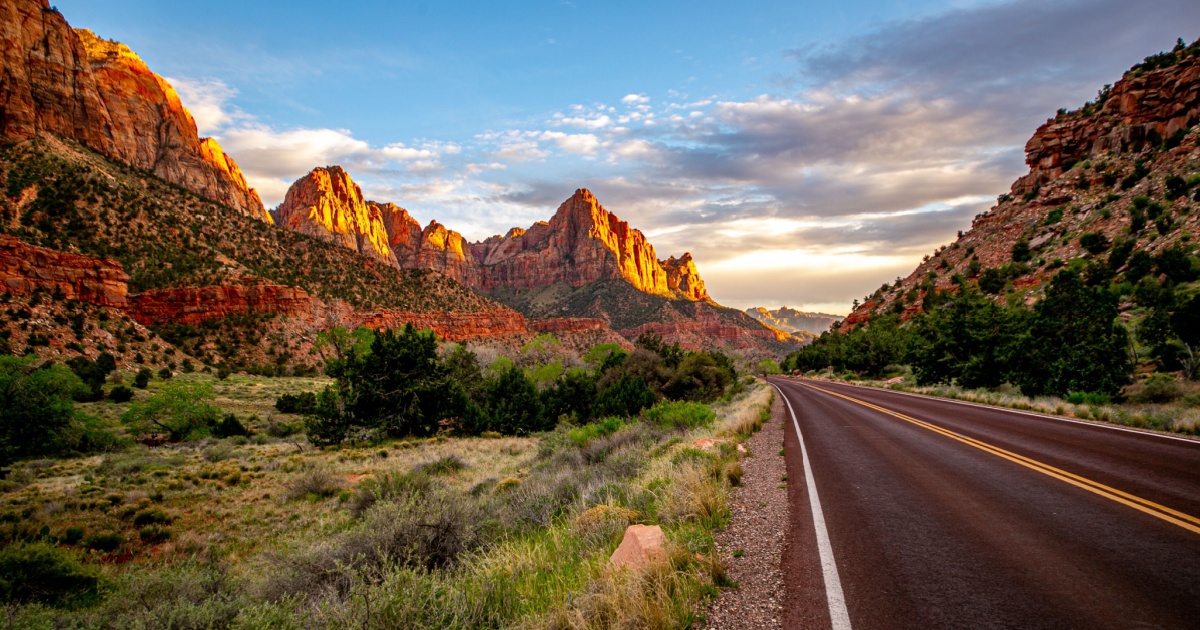

America is a country you could spend a lifetime exploring and still not fully see. From the fog-wrapped redwood cathedrals of northern California to the borderless silence above the Arctic Circle, from a repurposed freight rail in Manhattan to the slow-moving river of grass in southern Florida, the land tells stories that no textbook can quite capture. These are places shaped over millions of years by ice, fire, water, and wind – and sometimes, by human hands choosing to protect rather than consume.
As the United States marks its 250th year, there is something clarifying about turning to the landscape. The mountains, wetlands, waterfalls, and forests were here long before the republic was born, and with the right stewardship, they will outlast whatever comes next. Each place in this list represents something specific about who Americans are, what they’ve chosen to protect, and what they still owe the land.
These 25 natural wonders don’t cover every corner of the country. But together, they offer a portrait – not just of geology or ecology, but of values. Whether wild and nearly unreachable, or reinvented from industrial ruin, each one carries a piece of the American story.
1. Redwood National and State Parks, California
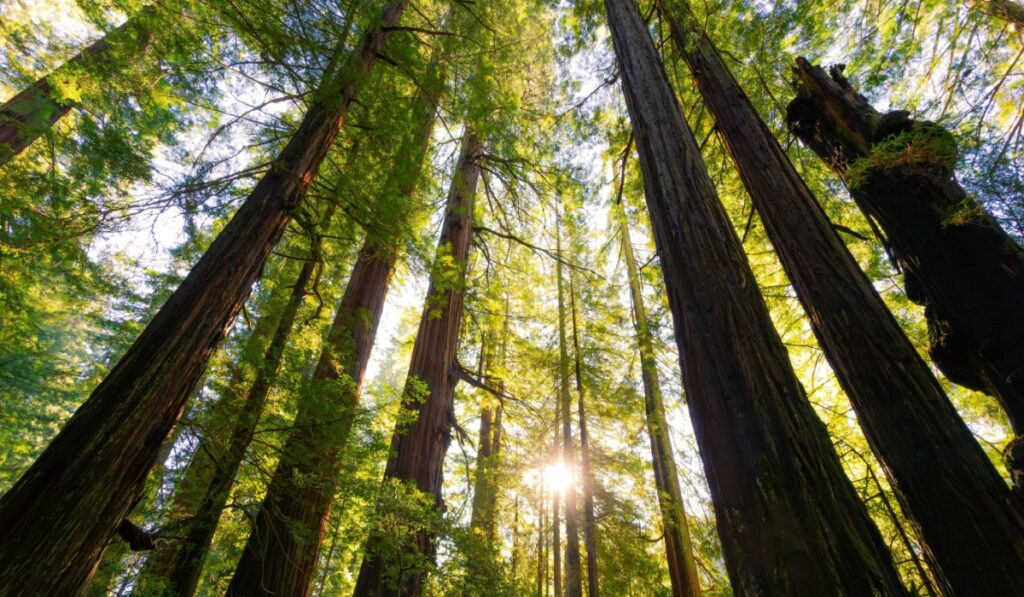
There are trees standing in northern California that were already ancient when the Roman Empire fell. Coast redwoods, protected within Redwood National and State Parks, are the tallest, among the oldest, and one of the most massive tree species on Earth. They grow in the humid temperate rainforest along the Pacific coast, their canopies so dense they create their own microclimates below.
The parks’ 139,000 acres preserve 45 percent of all remaining old-growth coast redwood forests. That figure puts the stakes in sharp focus. Established in 1968, the park protects old-growth redwoods that once covered over two million acres of California’s coastline – and today, it’s estimated only five percent of those original redwoods remain.
The tallest tree on Earth lives here, though visitors won’t find it easily. Discovered in 2006 in an unpublished location, the tallest living tree is the coast redwood named Hyperion, standing at 380 feet. The National Park Service deliberately keeps its location secret to protect it from foot traffic. Beyond the trees, the parks protect 37 miles of unspoiled coastline and provide a haven for threatened species including Chinook salmon, northern spotted owls, and Steller’s sea lions. Redwood National and State Parks together welcomed nearly 2.5 million visitors in 2025.
2. Yosemite National Park, California
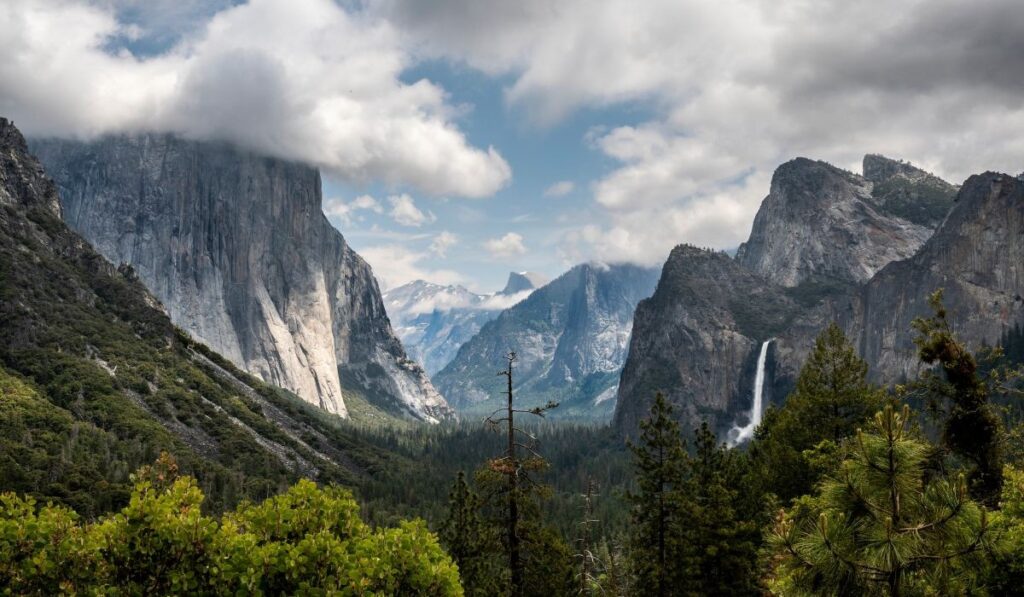
Few places in America carry as much symbolic weight as Yosemite. It’s where the national park idea took its first real breath, and where the country’s relationship with wild land began to change. President Abraham Lincoln signed the Yosemite Grant Act in 1864 to protect land in the Yosemite Valley, setting a precedent for the creation of the national parks. That was eight years before Yellowstone became the first official national park.
The 1,189-square-mile park contains thousands of lakes and ponds, 1,600 miles of streams, 800 miles of hiking trails, and 350 miles of roads. Yosemite is famous for its stunning waterfalls, with Yosemite Falls standing at 2,425 feet – the tallest waterfall in North America. Rock climbers come from every continent for El Capitan, the 3,000-foot granite monolith that has defined the outer limits of human athleticism for generations.
Yosemite made a lasting impression on Theodore Roosevelt, too. During his 1903 camping expedition there, he hatched ideas that would lead to the creation of the National Park and National Forest systems. That legacy is still felt every time someone stands at the edge of a federally protected wild place anywhere in the country. Today, the Trump administration’s workforce reductions resulted in a 24 percent decline in permanent National Park Service positions nationwide by 2025, leading to reduced visitor center hours and fewer ranger-led programs at Yosemite – even as park visitation reached near-record levels.
3. Gates of the Arctic National Park and Preserve, Alaska
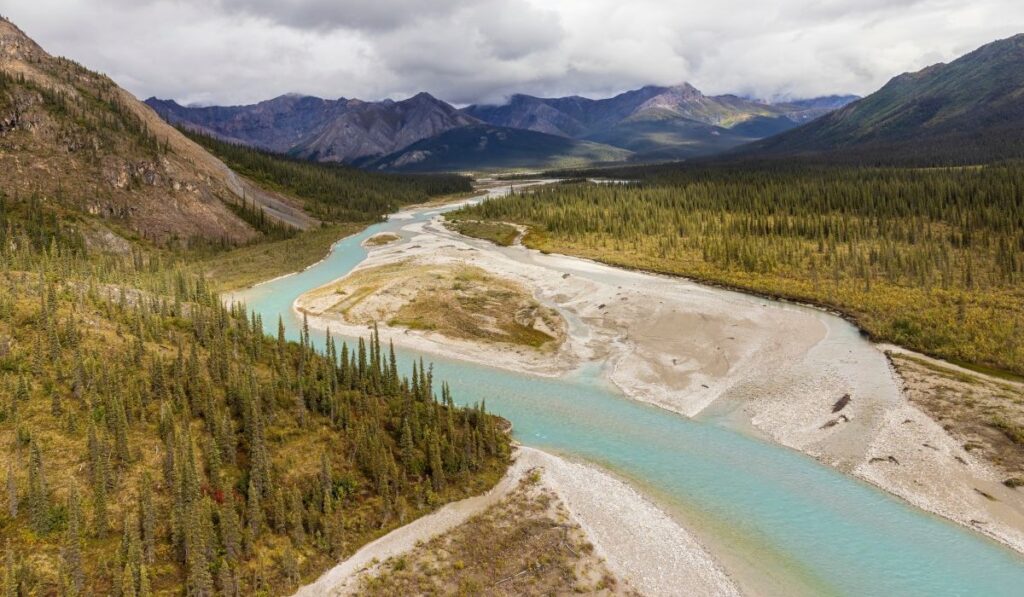
Most Americans will never see Gates of the Arctic. That’s partly the point. The park is the northernmost national park in the United States, situated entirely north of the Arctic Circle. It is the second-largest national park in the United States, spanning a staggering 13,238 square miles. To put it another way, it is larger than the entire country of Switzerland.
As a wilderness area, there are no established roads, trails, visitor facilities, or campgrounds in the park. Getting there requires a bush plane or a very long walk. Part of the habitat of the western herd of northern caribou is found in the park; other wildlife includes grizzly bears, Dall sheep, moose, and wolves. Six designated Wild and Scenic Rivers run through the landscape, and the park joins with the Noatak Wilderness Area and Gates of the Arctic Wilderness Area to create a continuous 6.5-million-acre stretch of wild land.
The park’s name dates to 1929, when wilderness activist and conservationist Robert Marshall) – an American forester, writer, and wilderness activist – explored the North Fork of the Koyukuk River and traveled to the Brooks Range of the far northern Alaskan wilderness. Upon seeing two mountains flanking the river, he named the portal the “Gates of the Arctic.” The area was first protected as a national monument in 1978, then officially designated a national park and preserve in 1980. Its existence is a statement – that some places are worth more left alone than developed.
4. Yellowstone National Park, Wyoming/Montana/Idaho
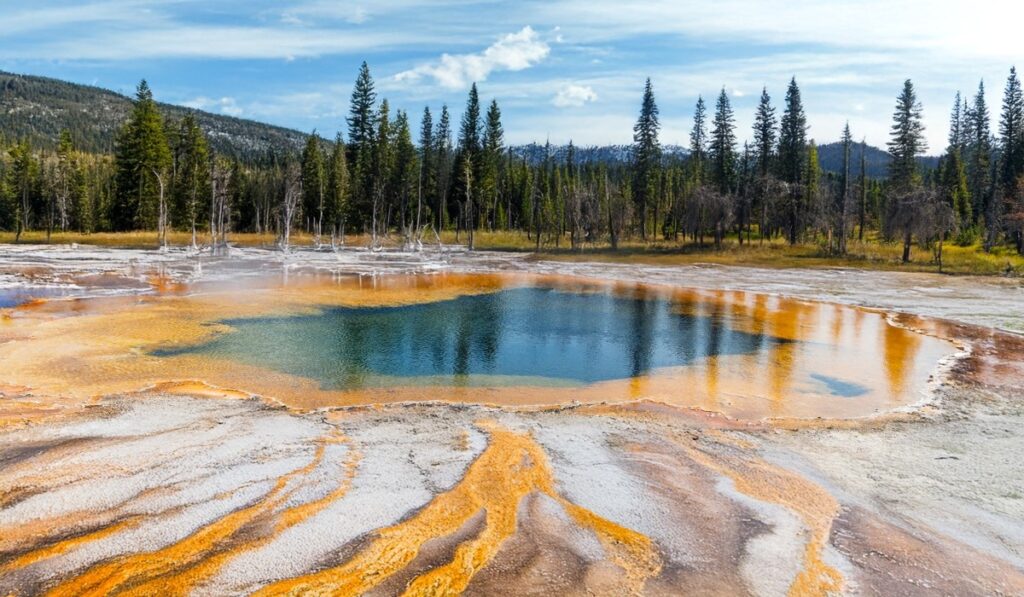
Established in 1872, Yellowstone National Park was the world’s first national park. It sits atop one of the most geologically active zones on the planet, and it behaves accordingly. At this UNESCO World Heritage Site, Yellowstone contains half of all the world’s known geothermal features, with more than 10,000 examples, and has the world’s largest concentration of geysers.
Spanning 2.2 million acres, the park boasts some of the most unique hydrothermal and geological features, including around half of the world’s active geysers. Old Faithful, its most famous, erupts with remarkable regularity. Herds of free-roaming bison – survivors of a near-extinction that reduced their numbers to fewer than 1,000 at the turn of the 20th century – still cross its meadows today. Yellowstone is also among the most visited parks in the country, with Great Smoky Mountains National Park taking the top visitation spot in 2025 with over 11.5 million visitors, though Yellowstone moved up in the national rankings.
5. Acadia National Park, Maine
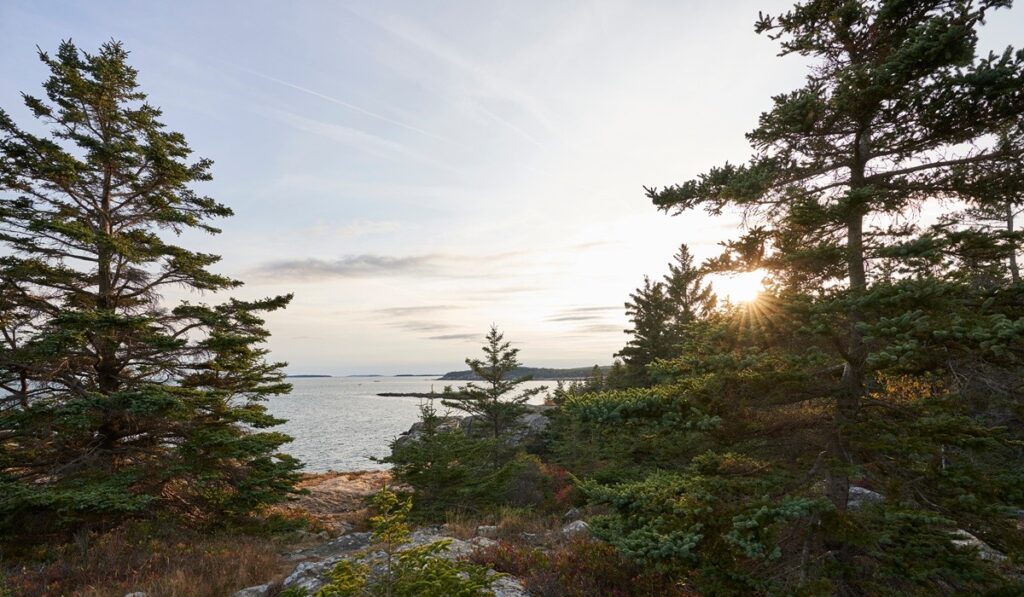
Maine’s Acadia is where the mountains meet the sea – literally. Located along the rugged Atlantic coast in Maine, Acadia National Park offers granite peaks, dense forests, and rocky shorelines. Home to Cadillac Mountain, the tallest peak on the U.S. Atlantic coast, the park offers views of valleys, lakes, meadows, and forests.
At Cadillac Mountain, standing 1,530 feet high, climbing to the summit for sunrise means you can claim to be one of the first people in the United States to see the sun that day. It’s the kind of place that rewards early risers. Acadia attracted 4,079,318 visitors in 2025, making it one of the most popular parks in the northeast – and the only dedicated national park along the entire New England coast. Its story is also one of American philanthropy: civic-minded residents donated the land to the federal government so that its beauty could be available to all, not just the wealthy few who originally summered there.
6. The Everglades, Florida
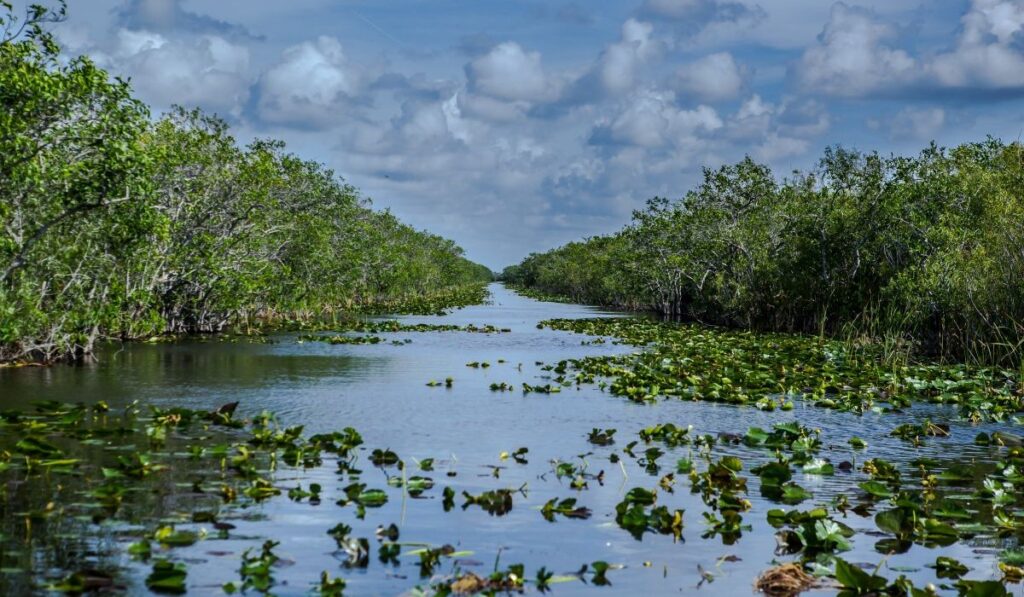
The Everglades rest in southern Florida, forming the largest subtropical wetland ecosystem in the country. Covering roughly 1.5 million acres, this slow-moving “river of grass” flows from Lake Okeechobee down toward Florida Bay, creating a diverse environment of sawgrass marshes, mangroves, cypress swamps, and coastal estuaries.
As a UNESCO World Heritage Site and International Biosphere Reserve, the Everglades are vital for water filtration and flood control, and provide habitats for nearly 400 bird species. They are also the only place on Earth where alligators and crocodiles coexist. Endangered species including the Florida panther, West Indian manatee, and American crocodile depend on its seasonal water patterns to survive.
The Everglades are a reminder that nature doesn’t always announce itself with dramatic peaks and waterfalls. Sometimes the story is told slowly, through sawgrass and water, inch by inch, year by year.
7. Glacier National Park, Montana
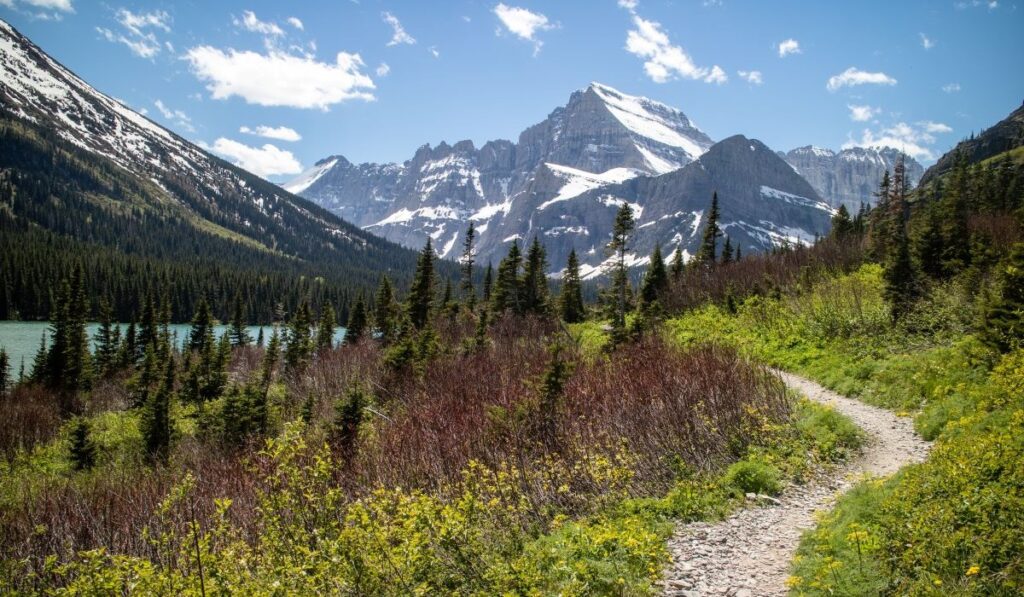
Located along the U.S.-Canada border in northwestern Montana, Glacier National Park is often called the “Crown of the Continent.” The protected land encompasses over a million acres and is home to more than 130 named lakes, numerous wildlife species, and over 1,000 species of plants.
The glaciers it’s named for are receding. Just 25 of the estimated 150 glaciers that existed in the mid-19th century remain active; the mountains of the park were created during the last ice age. What remains is still extraordinary – turquoise lakes, mountain goat-dotted ridgelines, and over 700 miles of trails. Glacier National Park showcases massive melting glaciers, stunning lakes, and alpine meadows, but as time goes on, more of the park’s many glaciers shrink or melt altogether – an act of climate change playing out in real time. For many visitors, seeing a living glacier today carries a sense of urgency it never had before.
8. The High Line, New York City

Not every wonder in this list is ancient, and not every one is wild. Since opening in June 2009, the High Line has become an icon of American contemporary landscape architecture. But before it was a park, it was something far less poetic.
Freight trains on street-level tracks run by New York Central Railroad once delivered food to lower Manhattan, creating dangerous conditions for pedestrians – Tenth Avenue became known as “Death Avenue.” This led to the construction of the West Side Elevated Line, known later as the High Line, which stretched from West 34th Street to Spring Street terminal and was fully operational by 1934. The last train ran in 1980. For nearly two decades, the elevated rail slowly turned wild, with weeds and wildflowers pushing through the rusted tracks.
In 1999, as CSX issued a request to reuse the abandoned rail line, two citizens – Joshua David and Robert Hammond – enamored with its industrial beauty, met and together founded Friends of the High Line, a non-profit conservancy, in 1999 with the intent of converting it to a public park. Repurposing the railway into an urban park began in 2006 and opened in phases during 2009, 2011, and 2014. As of 2018, while the city’s investment in the High Line is closer to $140 million, the incremental tax revenue for the city is closer to $1.4 billion – more than 900 percent of the capital costs. The High Line’s success has inspired cities throughout the United States to redevelop obsolete infrastructure as public space.
9. Great Smoky Mountains National Park, North Carolina/Tennessee
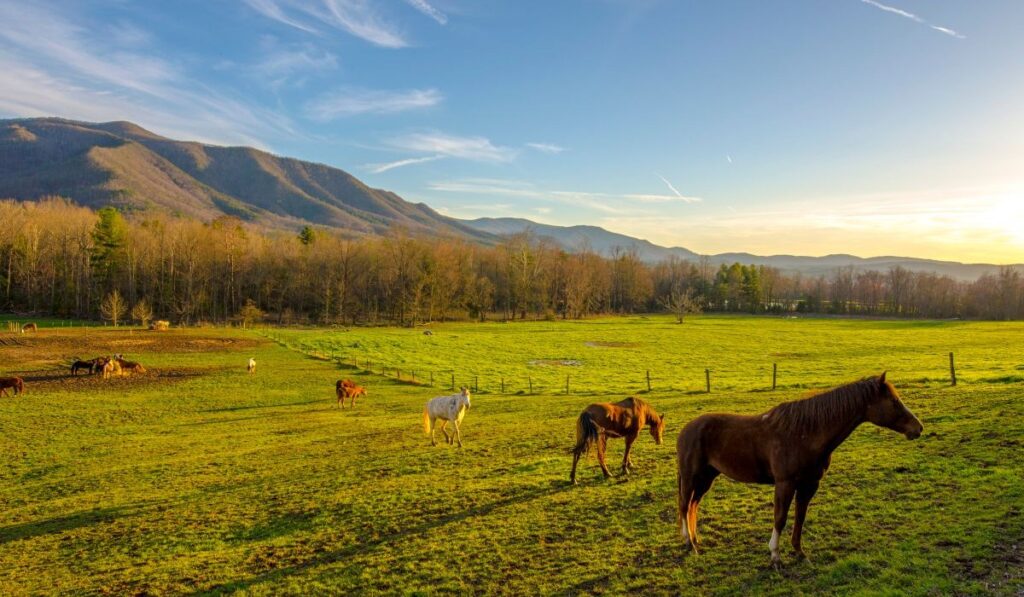
Boasting lush forests, stunning streams, gurgling waterfalls, and fantastic hiking routes along the Appalachian Trail, Great Smoky Mountains National Park is North Carolina and Tennessee’s finest natural destination. It is also the most visited national park in the country by a considerable margin. Great Smoky Mountains National Park recorded 11,527,939 visitors in 2025 – far surpassing any other national park on the list.
It’s free to enter, which matters. Unlike most national parks, the Smokies charge no admission fee, making them genuinely accessible to families across the economic spectrum. The haze that gives the mountains their name comes from naturally occurring organic compounds released by the dense vegetation – a living chemistry that has blurred those peaks for millennia. The Appalachian Trail, which passes through the park, stretches more than 2,000 miles from Georgia to Maine, connecting wild land across the entire spine of the eastern United States.
10. Grand Canyon, Arizona
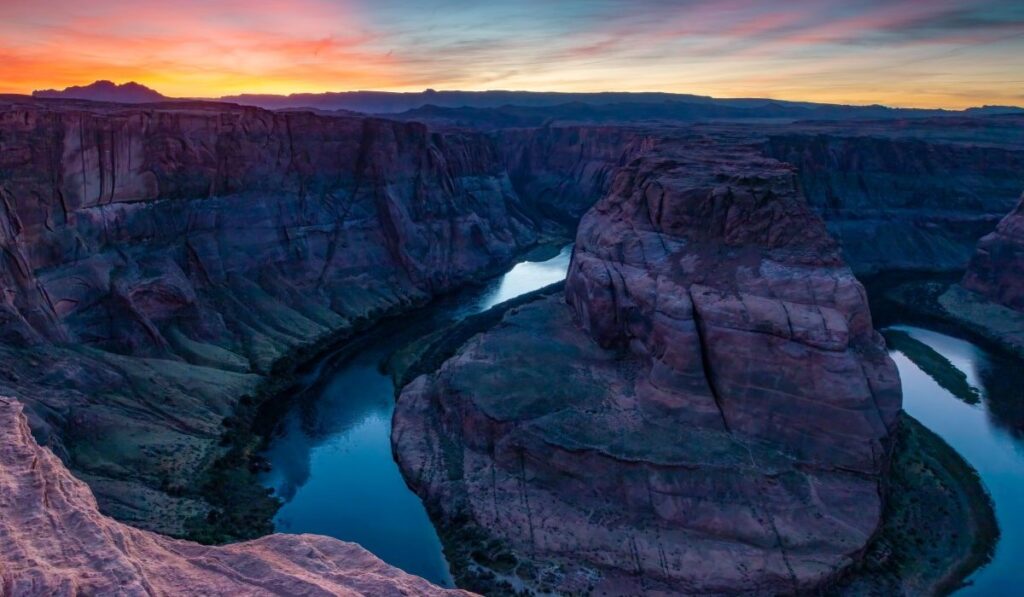
The deep gorges of Grand Canyon National Park were carved by the Colorado River over millions of years. The canyon is 277 miles long, up to 18 miles wide, and over a mile deep in places. Standing at the rim, the layers of red and tan rock visible below represent close to two billion years of Earth’s geological history stacked in plain sight.
Grand Canyon National Park sits on the ancestral homelands of 11 tribal communities. That history is inseparable from the canyon itself. Indigenous peoples have lived along, within, and beside these walls for thousands of years. The Havasupai, whose name means “people of the blue-green water,” still live within the canyon today – one of the few tribal nations in the U.S. with a permanent home inside a national park. At sunrise and sunset, the rock glows in pinks, oranges, and purples that shift with the angle of light, making the same view feel different every time.
11. Niagara Falls, New York
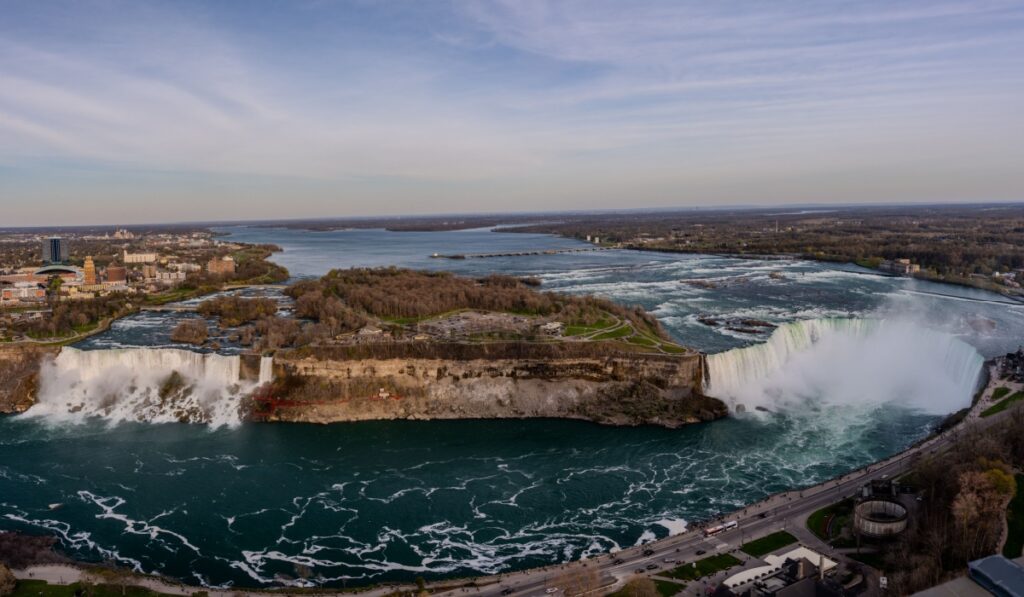
Niagara Falls straddles the border between the United States and Canada, where the Niagara River connects Lake Erie to Lake Ontario. Formed around 12,000 years ago during the last Ice Age, the falls consist of three sections – Horseshoe Falls on the Canadian side, and American Falls and Bridal Veil Falls on the U.S. side, totaling a height of about 170 feet. Combined, they move 3,160 tons of water per second, making Niagara one of the most powerful waterfalls on the planet.
For much of American history, Niagara Falls was the country’s most famous natural landmark – the obligatory honeymoon destination, the subject of countless paintings and photographs, and the site of early industrial development that eventually threatened to drain it entirely. The diversion of water for hydroelectric power once reduced flows so dramatically that the falls nearly dried up. Today, international treaties govern the flow, and the falls remain one of the most powerful spectacles of moving water on Earth.
12. Sequoia National Park, California
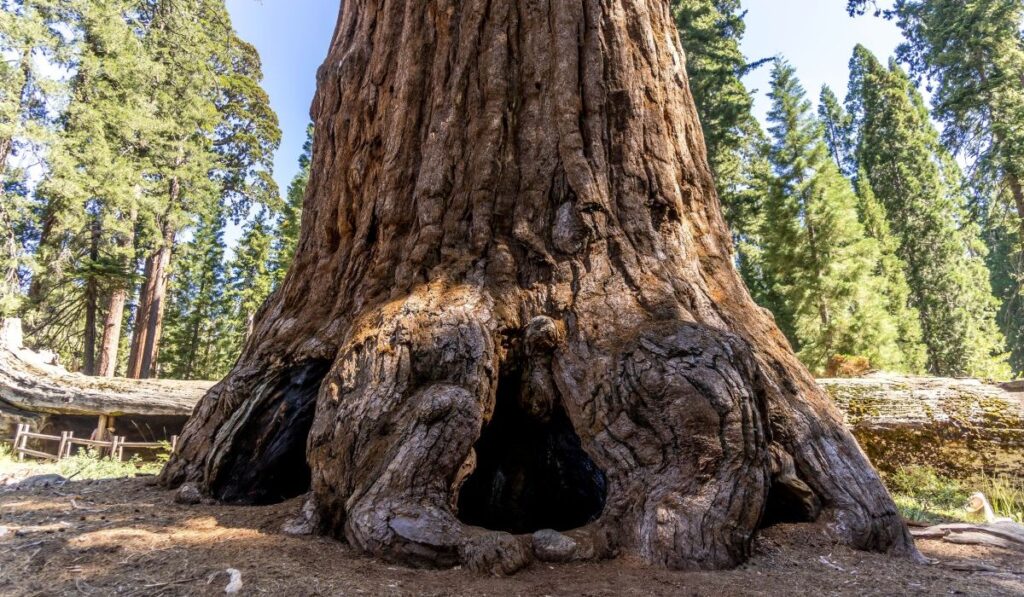
The General Sherman Tree within Sequoia National Park in California is recognized as the largest tree in the world by volume. While taller trees exist, none match General Sherman’s overall mass. This giant sequoia measures about 275 feet in height and has an astonishing base circumference exceeding 102 feet. Its estimated age ranges between 2,200 and 2,700 years, placing it among the oldest living organisms on Earth.
These trees are not the tallest (that distinction belongs to the coast redwoods) and not the oldest (that belongs to the ancient bristlecone pines of the Great Basin). But by sheer volume of living matter, nothing on Earth compares. The groves of Sequoia National Park feel less like a forest and more like a place where the concept of time is rendered irrelevant. Walking among trees that were saplings before the birth of Christ has a way of shifting perspective.
13. Olympic National Park, Washington
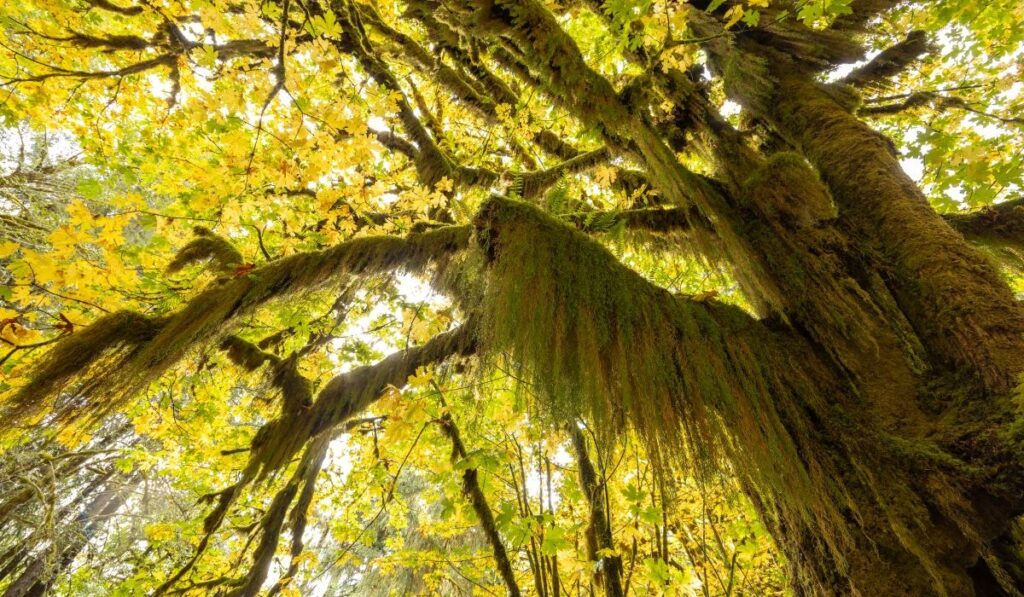
Olympic National Park in Washington is known for its vast geology spanning from mountains and lakes to glaciers. What makes it genuinely unusual is the degree of ecological variety compressed into a single park. Within its boundaries, visitors move from glacier-capped peaks to one of the few temperate rainforests in the world – the Hoh Rain Forest, which receives up to 14 feet of rainfall per year and grows moss so thick it covers every surface in sight.
Olympic National Park saw 3,584,187 visitors in 2025. Located on the Olympic Peninsula in western Washington, it was first established as a national monument in 1909 and redesignated as a national park in 1938. The park’s coastline, with its dramatic sea stacks and tide pools, is among the most dramatic in the continental United States – a world-class destination that many people outside the Pacific Northwest still haven’t discovered.
14. Zion National Park, Utah
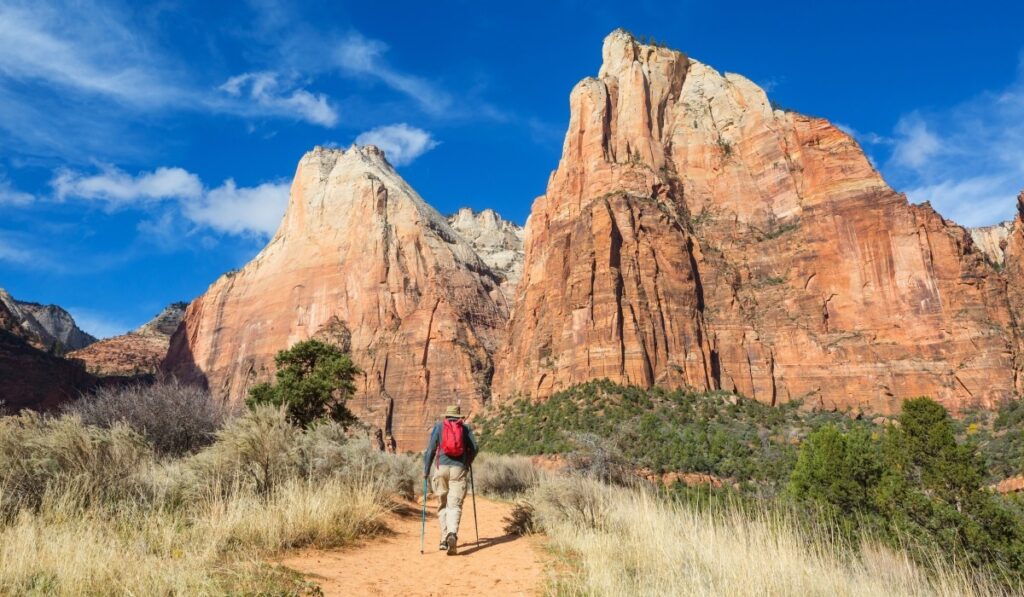
Zion National Park features spectacular geologic formations including mountains, canyons, buttes, mesas, monoliths, rivers, slot canyons, and natural arches. The park’s signature hike – The Narrows – takes visitors wading through the Virgin River itself, between canyon walls that tower hundreds of feet overhead and press close enough to touch on both sides.
Zion National Park has a rich history dating back approximately 7,000 years, when nomadic groups first roamed the area. The first European American settlers arrived in the late 1800s, naming the area Zion – an ancient Hebrew term meaning “sanctuary” or “refuge.” That name holds. Standing in the canyon at dawn, with rose-pink walls rising on either side and a cold river running beneath your boots, the word fits perfectly.
15. Yellowstone’s Lamar Valley, Wyoming
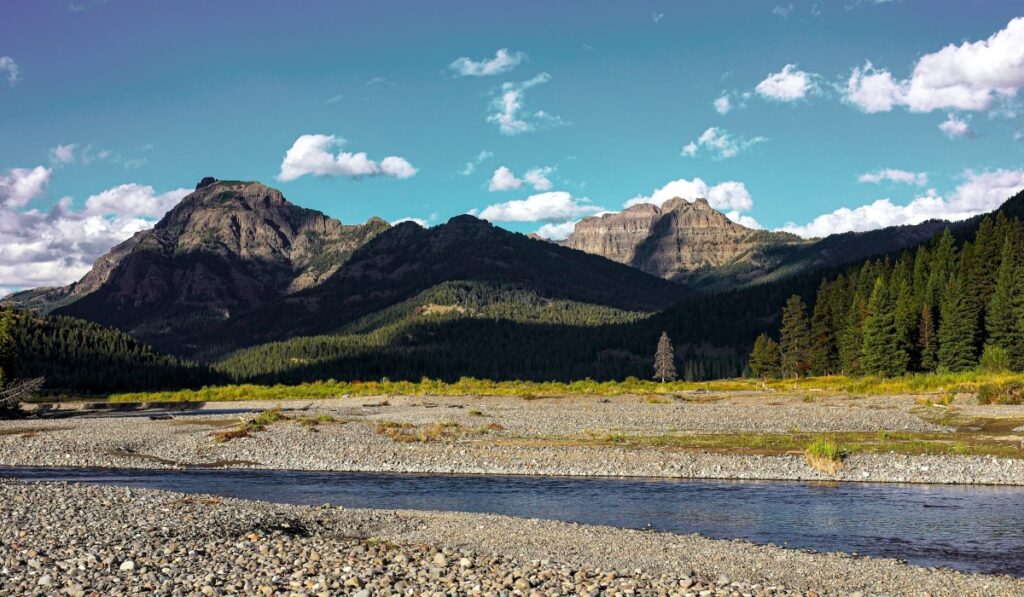
Separate from the geyser basins and crowded overlooks, the Lamar Valley in Yellowstone’s northeast corner is where the park’s wildlife watching reaches its peak. Often called “America’s Serengeti,” the valley is the best place on the continent to observe wolves in the wild. The reintroduction of gray wolves to Yellowstone in 1995 triggered what ecologists call a trophic cascade – where the presence of a top predator reshaped plant growth, riverbank stabilization, and species diversity across the entire ecosystem. The Lamar Valley is where that story plays out in visible, daily terms, and where a generation of wildlife biologists has been trained simply by watching.
16. Denali, Alaska
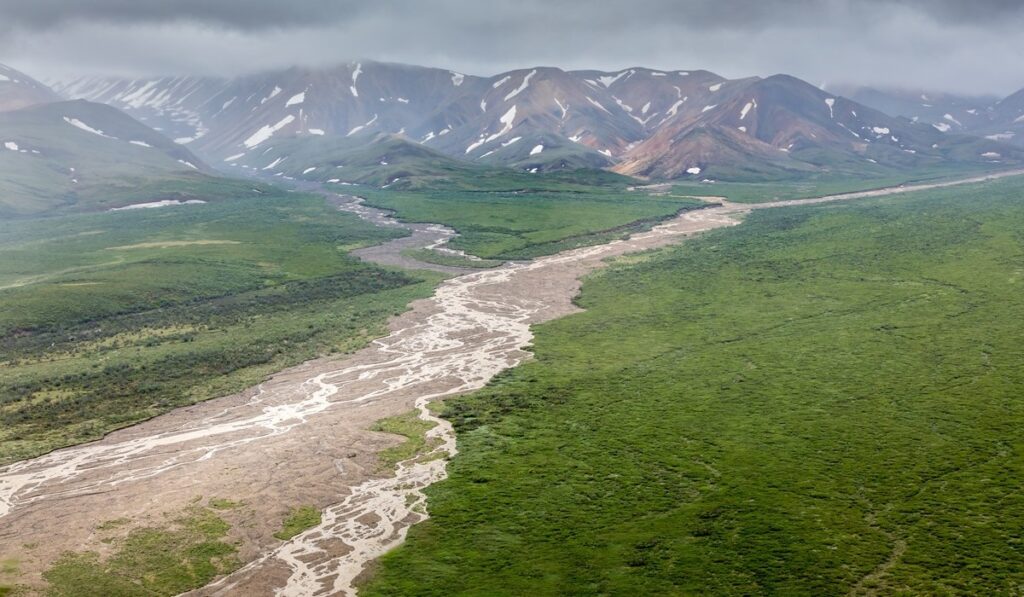
Denali’s landscape is highly diverse, ranging from boreal forest to alpine tundra and glaciated peaks, with glaciers such as Kahiltna stretching more than 40 miles. The area supports grizzly bears, moose, caribou, wolves, and Dall sheep, all thriving in a truly wild, unfenced ecosystem.
Denali is renowned for being a formidable climbing challenge. Severe cold, unpredictable weather, and the thin air caused by its northern latitude create harsh conditions for mountaineers – but also make summiting a sought-after accomplishment. At 20,310 feet, it is the highest peak in North America. The mountain’s sheer vertical rise from base to summit – roughly 18,000 feet – is greater than that of Everest. On a clear day from the park road, it fills the sky in a way that makes you question your sense of scale entirely.
17. Crater Lake, Oregon
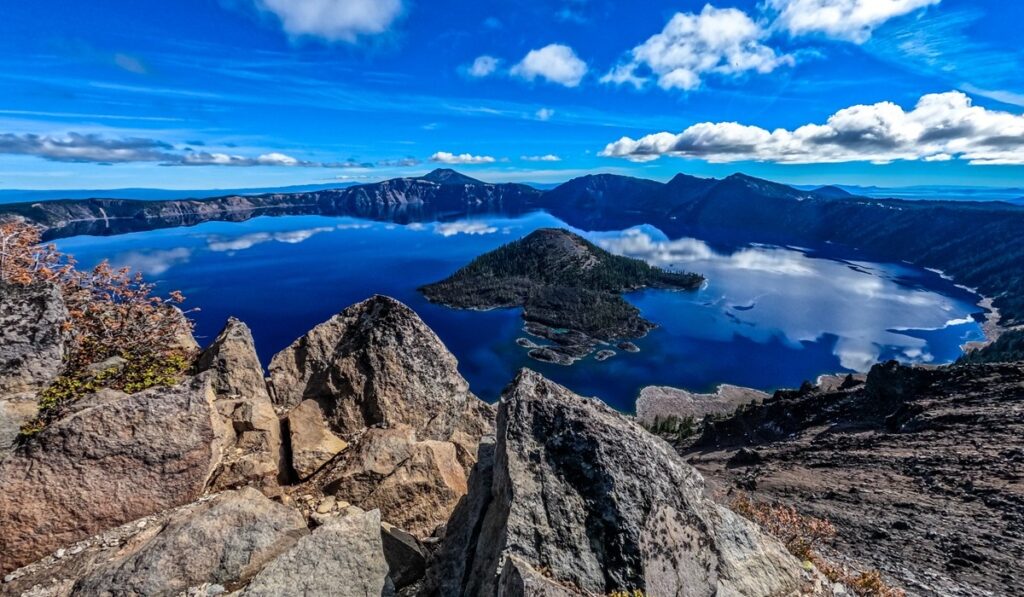
Crater Lake in Oregon is a study in destruction becoming beauty. About 7,700 years ago, a massive volcanic eruption caused the collapse of Mount Mazama, leaving behind a caldera that filled with snowmelt and rain over thousands of years. Within the 50 states, you encounter incredible natural landmarks including hot desert playas, skyscraping mountain ranges topped by glaciers, rolling grasslands, and active volcanic zones – and Crater Lake represents the volcanic part of that story more vividly than almost anywhere else in the country.
With a depth of nearly 2,000 feet, Crater Lake is the deepest lake in the United States. Its famous blue color – an almost unreal sapphire – comes from its exceptional clarity and purity; no rivers feed into or out of the lake, meaning the water you see fell as precipitation. Wizard Island, a cinder cone rising from the lake’s surface, serves as a reminder that the volcanic story isn’t entirely finished.
18. The Appalachian Trail
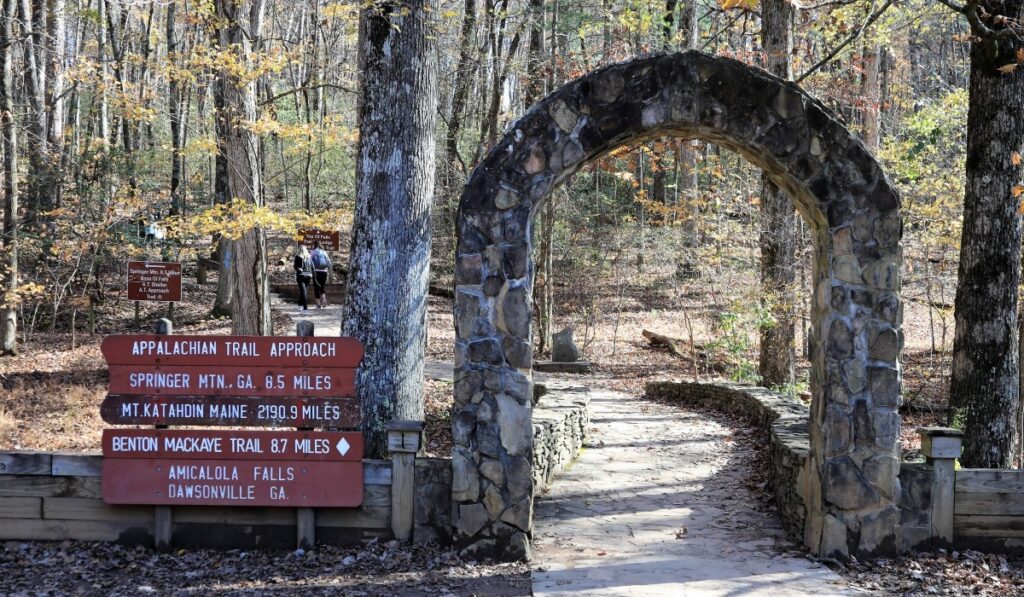
The Appalachian Trail runs for approximately 2,198 miles from Springer Mountain in Georgia to Mount Katahdin in Maine – through 14 states, eight national forests, and six national parks. It was the first long-distance hiking trail in the United States, conceived in 1921 and completed in 1937. Today, around three million people visit some portion of the trail each year, while a few thousand complete the entire distance in a single “thru-hike.”
What the Appalachian Trail represents to America is harder to quantify than mileage. It runs through communities that differ enormously in culture, economy, and politics, yet the trail stitches them together. You can pick it up in a small Tennessee town and, a few days later, be in a Maryland suburb – and the ground beneath your feet is the same federally protected corridor the whole way. It is an argument for connected wild land made entirely in dirt and stone.
If you’re looking for your own next outdoor adventure, this guide to the top national parks by state can help you find the right starting point, whether you’re after alpine solitude or a coastal trail.
19. Great Lakes
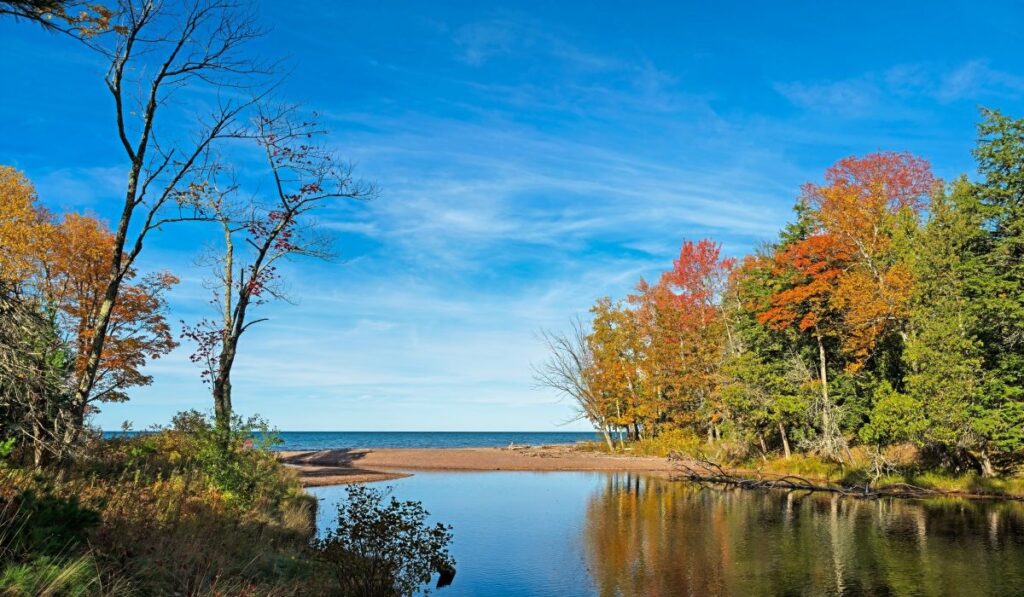
The five Great Lakes – Superior, Michigan, Huron, Erie, and Ontario – contain roughly 21 percent of the world’s surface fresh water. Together, they form the largest group of freshwater lakes on Earth by total area. They border eight U.S. states and two Canadian provinces, support millions of jobs, and provide drinking water to more than 40 million people.
Lake Superior alone is so vast that standing on its shore in northern Minnesota, you cannot see the Canadian side. Its surface area exceeds that of the states of South Carolina. The lakes also serve as a powerful reminder that American environmental policy has real stakes: the Clean Water Act of 1972, passed in part because Lake Erie was so polluted it had essentially died ecologically, helped revive the entire watershed within decades. The comeback of the Great Lakes is one of the more underappreciated conservation successes in American history.
20. Bryce Canyon National Park, Utah
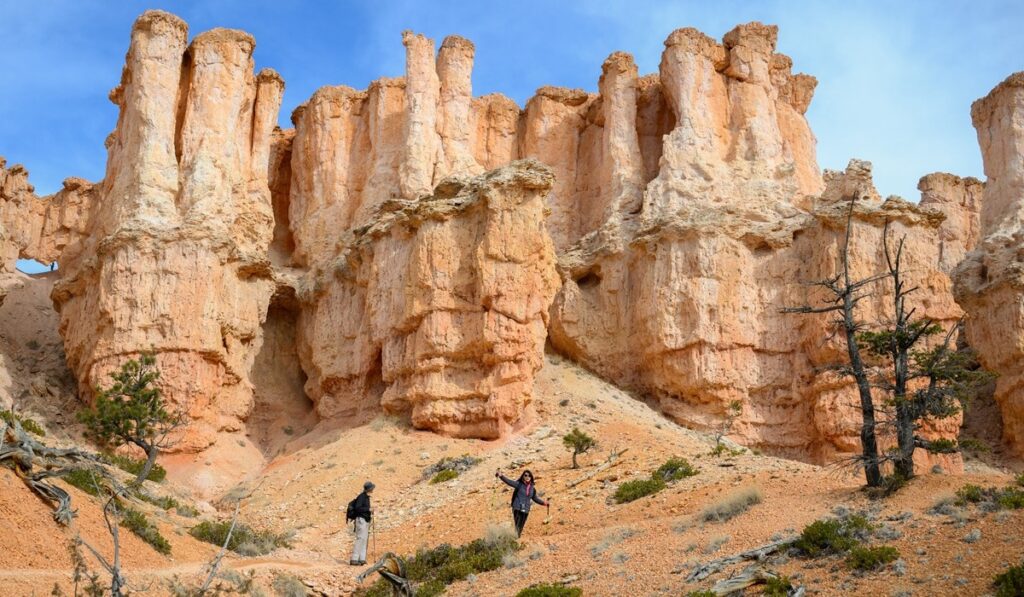
Bryce Canyon isn’t technically a canyon – it’s a series of natural amphitheaters carved into the edge of a high plateau by frost and erosion. The result is thousands of spire-shaped rock formations called hoodoos, ranging from the height of a person to the height of a 10-story building, glowing in shades of red, orange, and white. Bryce sits at an elevation between 8,000 and 9,000 feet, meaning summer days are cool even by Utah standards, and winter snowfall dusts the orange rock in white – one of the most visually striking contrasts in the natural world.
The park sits at the intersection of three geographic regions: the Colorado Plateau, the Great Basin, and the Mojave Desert – making it a crossroads of ecology as well. More than 200 species of birds use the area during migration, and the skies above Bryce are among the darkest in the continental United States, making it an internationally recognized dark sky destination.
21. The Florida Keys and Coral Reef
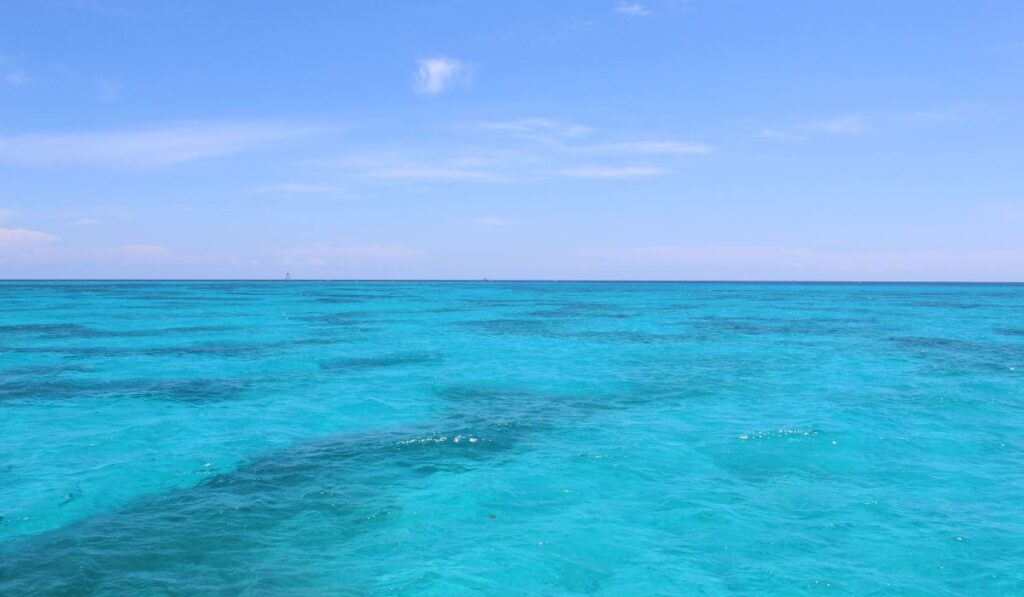
The Florida Keys represent the only living coral reef ecosystem in the continental United States, and one of only a few in the Western Hemisphere. The Florida Reef Tract – stretching about 170 miles from Miami-Dade County to the Dry Tortugas – is the third-largest barrier reef system in the world. It supports more than 6,000 species of marine life, including sea turtles, sharks, manatees, and hundreds of fish species.
The reef is also under serious threat. Rising ocean temperatures have triggered repeated coral bleaching events in recent years, and scientists estimate that significant portions of the reef could be lost within decades without intervention. Restoration efforts, including the National Oceanic and Atmospheric Administration’s coral reef conservation programs, are underway – but the clock is ticking. The reef’s story has become one of America’s most pressing environmental narratives.
22. Monument Valley, Arizona/Utah
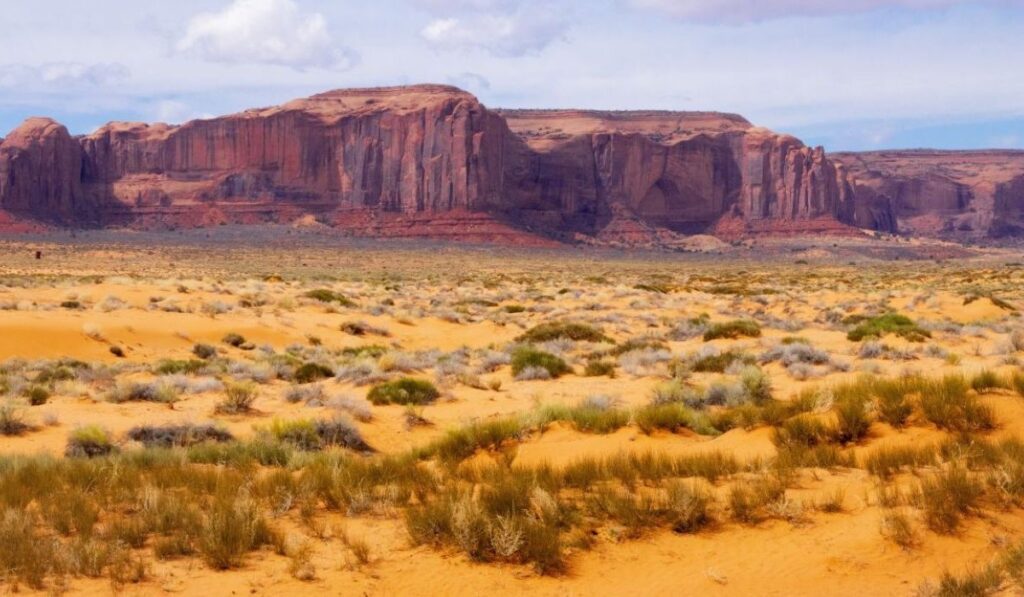
The dusty red expanse of Monument Valley, punctuated by sculptural geological formations, has served as the backdrop for so many films that it is the epitome of the American West – as imagined by Hollywood. But Monument Valley is more than a backdrop. It sits entirely within the Navajo Nation, the largest Indigenous reservation in the United States, and is administered by the Navajo people rather than the federal government.
The towering sandstone buttes – some rising more than 1,000 feet from the valley floor – were formed over hundreds of millions of years as softer rock eroded away. The Navajo name for the area, Tsé Bii’ Ndzisgaii, means “valley within the rocks.” The fact that this landscape is also the most photographed natural formation in American advertising and cinema says something interesting about how non-Native America has long borrowed images from Indigenous land to construct its own mythology.
23. Joshua Tree National Park, California
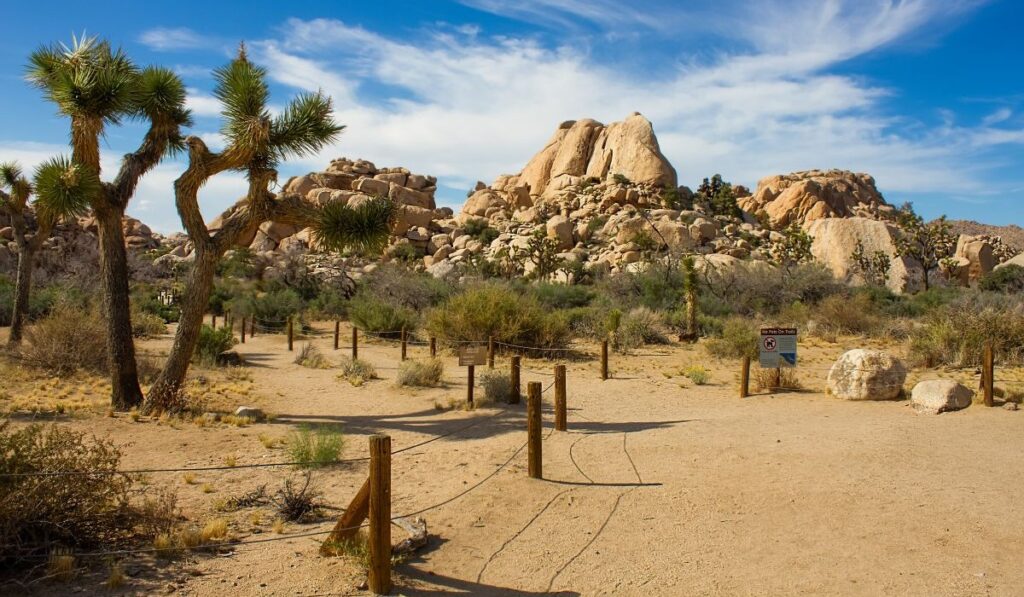
Named for the hardy desert species Yucca brevifolia, or Joshua tree, this park marks the meeting of the Mojave and the Colorado deserts. Its arid, rocky landscape is popular with campers and rock-climbers; after dark it’s a stargazing paradise.
The Joshua tree itself is an ecological indicator species – its range is directly tied to climate, and research has shown that warming temperatures are shifting and shrinking the zones where it can reproduce. Young Joshua trees require winter frost to germinate; as winters warm, their future in the lower-elevation reaches of the park grows uncertain. The park has become a living case study in how climate change affects not just polar ice but the specific biology of desert ecosystems.
24. Blue Ridge Parkway, Virginia/North Carolina
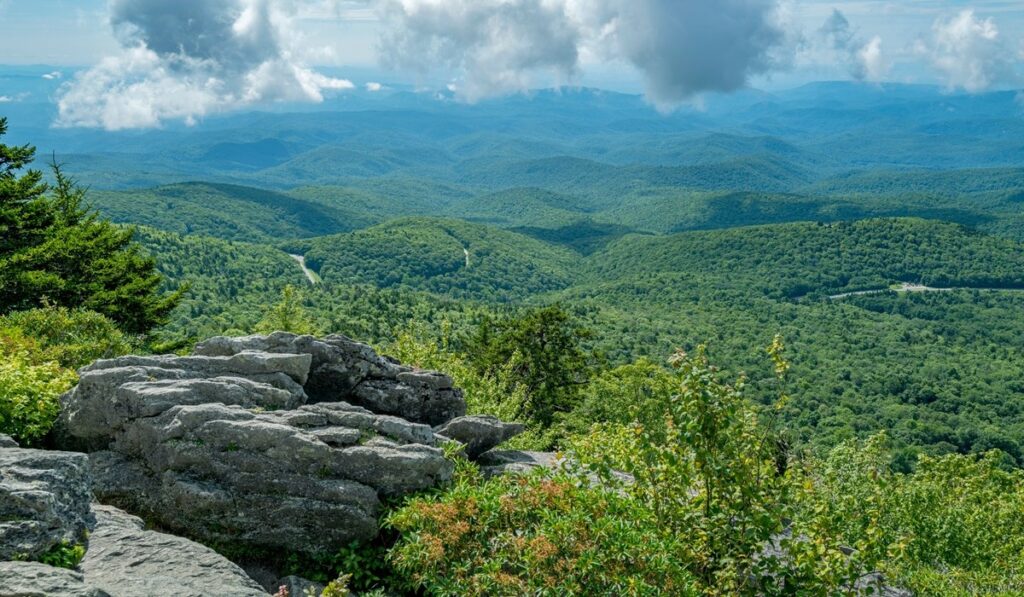
Stretching along the Blue Ridge Mountains, the Blue Ridge Parkway comes with stunning mountain views and opportunities for hiking, picnicking, and biking. With 16.5 million visitors, it was ranked number one for visitation nationally in 2025. That makes it, technically, the most visited unit in the entire National Park System – though few people think of a highway as a natural wonder.
The Parkway covers 469 miles and connects Shenandoah National Park in Virginia to Great Smoky Mountains National Park in North Carolina. Built between 1935 and 1987 as part of New Deal employment programs, it was designed specifically to give ordinary Americans access to the Appalachian high country. In autumn, when the hardwood forest turns red and gold for hundreds of miles in each direction, it becomes one of the most spectacular drives on Earth.
25. Hawaii Volcanoes National Park, Hawaii
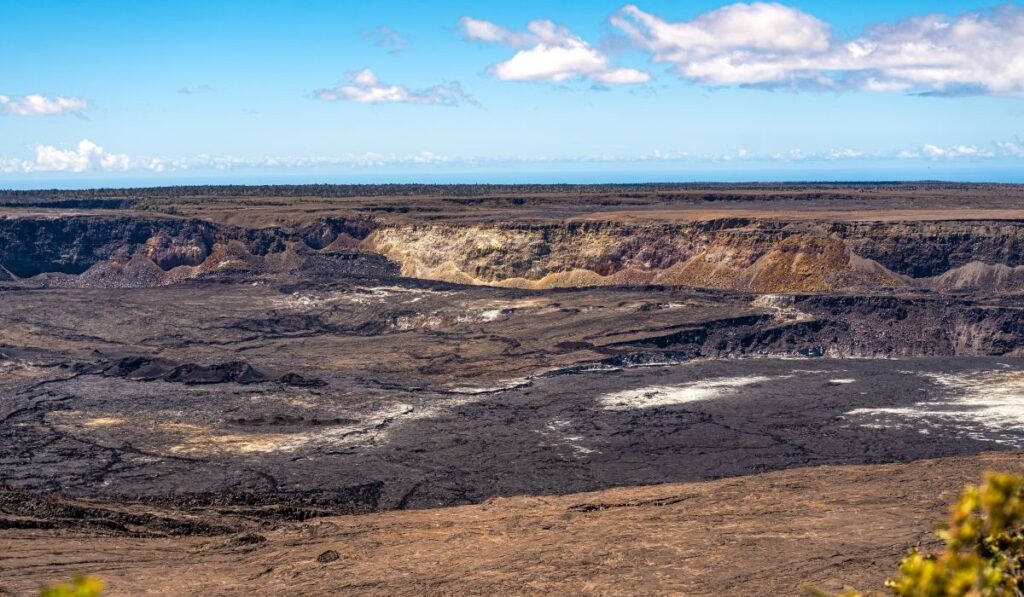
No list of American natural wonders is complete without acknowledging that this country contains active volcanoes. In January 2025, geologists at Kilauea summit caldera measured lava fountains reaching approximately 197 feet high – a reminder that the land here is still being made, in real time, by the planet itself.
Hawaii Volcanoes National Park on the Big Island contains two active volcanoes: Kilauea, one of the most continuously active volcanoes in the world, and Mauna Loa, the largest shield volcano on Earth by volume. The park is sacred to Native Hawaiians, who regard Pele – the volcanic deity – as the creator of these islands. The landscape shifts from black lava fields to lush rainforest within a few miles, and the night glow of active lava flows has drawn visitors from around the world for generations. America’s story here isn’t one of preservation of the old; it’s witnessing the act of geological creation itself.
These 25 places are not just travel destinations. They are arguments about what a country chooses to value. Every protected acre, every restored wetland, every converted freight rail represents a decision made – usually after a fight – to hold something back from pure commercial use. That’s not a given in any society, and it certainly hasn’t been guaranteed in American history.
The National Park Service manages parks whose health benefits are open to anyone, and there are more than 400 national park units to explore across the country, each presenting its own unique opportunities for experiencing nature. Millions of people flock to national parks every year, and in 2025, the top ten parks alone brought in nearly 49 million visitors. That kind of engagement is a form of democratic endorsement – a statement that wild and protected land matters to people across every region, age group, and background. If you haven’t visited a place that genuinely stopped you in your tracks recently, these 25 are a good place to start. The land has been waiting.
A.I. Disclaimer: This article was created with AI assistance and edited by a human for accuracy and clarity.