

Lars von Trier’s Antichrist, released in 2009, quickly became one of the most discussed controversial films of its time. The Danish production stars Willem Dafoe and Charlotte Gainsbourg as a couple who isolate themselves in a forest cabin after the death of their child. The movie combines psychological tension with disturbing imagery and strong sexual content, earning both critical praise and condemnation.
Why It Caused Controversy
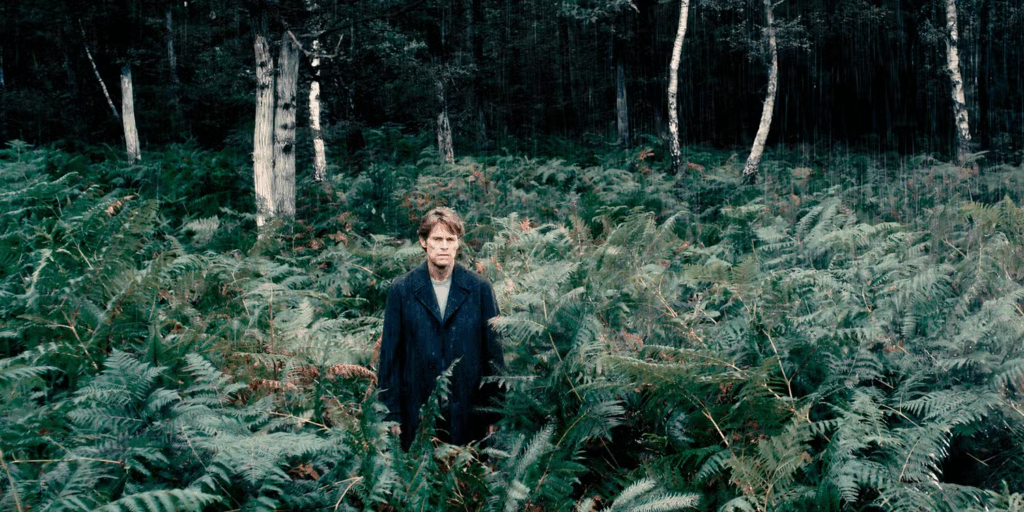
The content of Antichrist included scenes that were considered highly explicit for a festival film. Several reviewers and audience members described it as distressing and visually extreme. Some critics regarded it as a serious portrayal of grief and mental decline, while others criticized the level of on-screen violence. Its graphic nature led to content restrictions and limited releases in some countries.
The “Anti-Prize” at Cannes
During the 2009 Cannes Film Festival, the Ecumenical Jury issued an “anti-award” for Antichrist. Jury president Radu Mihaileanu described it as “the most misogynistic film” shown that year. The decision was not officially recognized by the festival itself, but received wide media coverage. Cannes director Thierry Frémaux later said the move went beyond normal criticism. Lars von Trier did not comment publicly on the statement.
Divided Critical Response
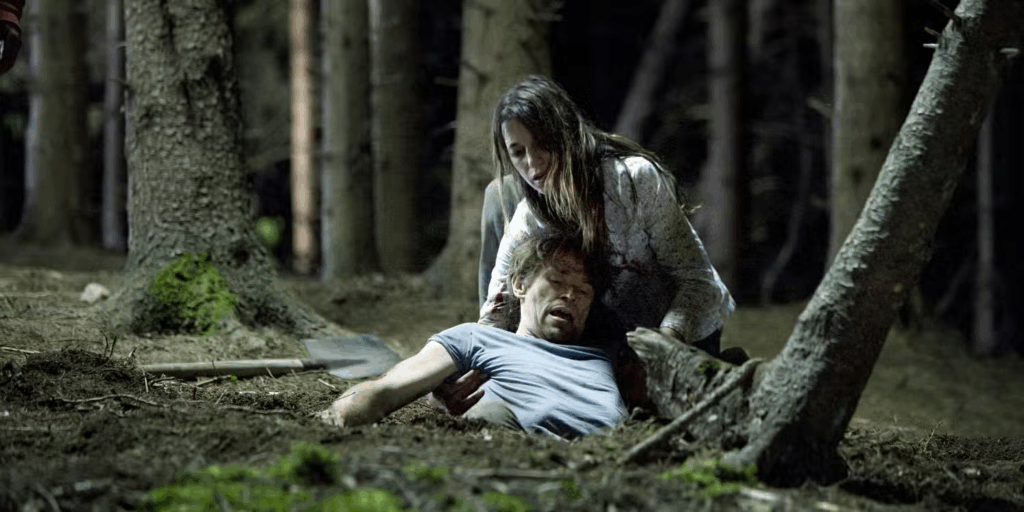
Despite the controversy, Antichrist also received formal recognition. Charlotte Gainsbourg won the Best Actress award at Cannes for her performance. The film went on to receive multiple Danish Robert Awards, including Best Film and Best Director. Critics highlighted its visual composition and production design, while others viewed the film’s style as unnecessarily confrontational.
Academic and Industry Analysis
The movie has been studied extensively in film courses and journals. Researchers have analyzed its use of symbolism, nature imagery, and depiction of mental illness. Opinions remain divided over whether Antichrist should be classified primarily as horror, psychological drama, or experimental art. It continues to be used as an example in discussions of censorship policies and film classification systems.
Read More: J.R.R. Tolkien’s Legendary Response When Nazis Questioned His Heritage
Censorship and International Release
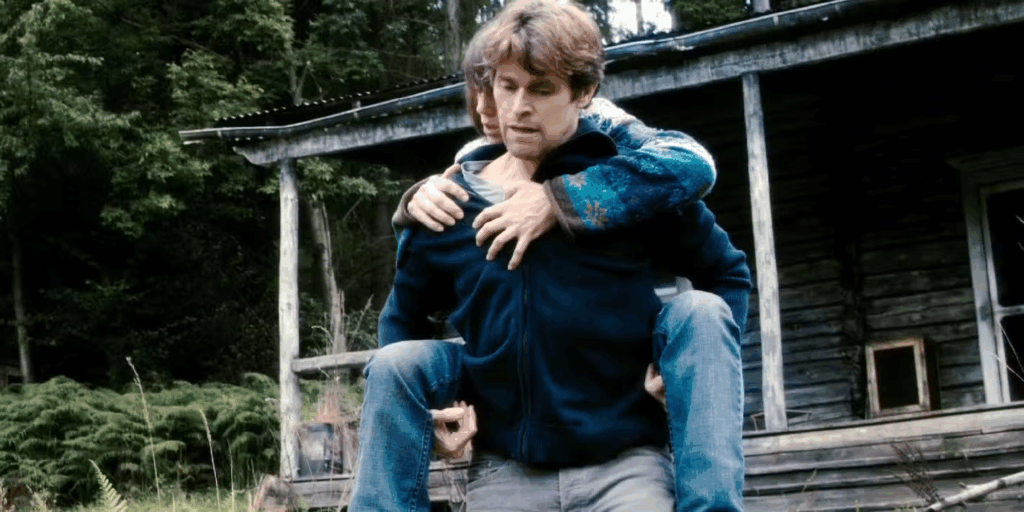
Following its premiere, Antichrist was subject to age restrictions in several countries. In France, the film was temporarily banned in 2016 before being reclassified for adult audiences. The British Board of Film Classification approved it with detailed content warnings. In Denmark, it remained available without cuts but with advisory labels for sexual and violent material. As far as controversial films goes, Antichrist left its mark.
Legacy and Continuing Reputation
More than ten years after its release, Antichrist is still known for its extreme approach to storytelling. The “anti-award” it received at Cannes remains a notable example of festival controversy. While opinions differ, the film holds a place in cinema history as one of Lars von Trier’s most divisive works and a defining entry in modern European horror.
The trailer is even a little too disturbing to post here, but you can find it on YouTube.
Disclaimer: This article was created with AI assistance and edited by a human for accuracy and clarity.
Read More: The Bone-Chilling Horror of ‘Cropsey’: One of the Scariest Documentaries Ever