
Every month, millions of homeowners stare at their electricity bill with the same frustrated question: Where is all this money going? Between 2021 and 2024, the average monthly electric bill climbed by $22, adding $264 annually to household expenses. Residential electricity rates jumped 13% from 2022 to 2025. Most people point to the big stuff – air conditioning, heating, the clothes dryer. But Corey Gilgan, owner of Oregon Generators, a Portland-based generator installation and energy services company, says the real culprit might be something sitting right on your kitchen counter – something most of us never think twice about.
The appliance Gilgan has in mind isn’t new, and it’s not smart. It doesn’t heat your home or cool your food. It sits there quietly, doing very little, running 24 hours a day. And according to Gilgan, it’s one of the single biggest contributors to what energy experts call “phantom load” – a term worth understanding before we go further.
Phantom load (also called “standby power” or “vampire energy”) is the electricity that a plugged-in device pulls from the outlet even when you’re not actively using it. Many appliances continue to draw a small amount of standby power when they are switched “off” – and these phantom loads occur in most appliances that use electricity, such as televisions, stereos, computers, and kitchen appliances. Think of it like leaving a garden hose running at a trickle. Each drop seems tiny. Over a year, the water bill tells a different story.
The Appliance Nobody Suspects
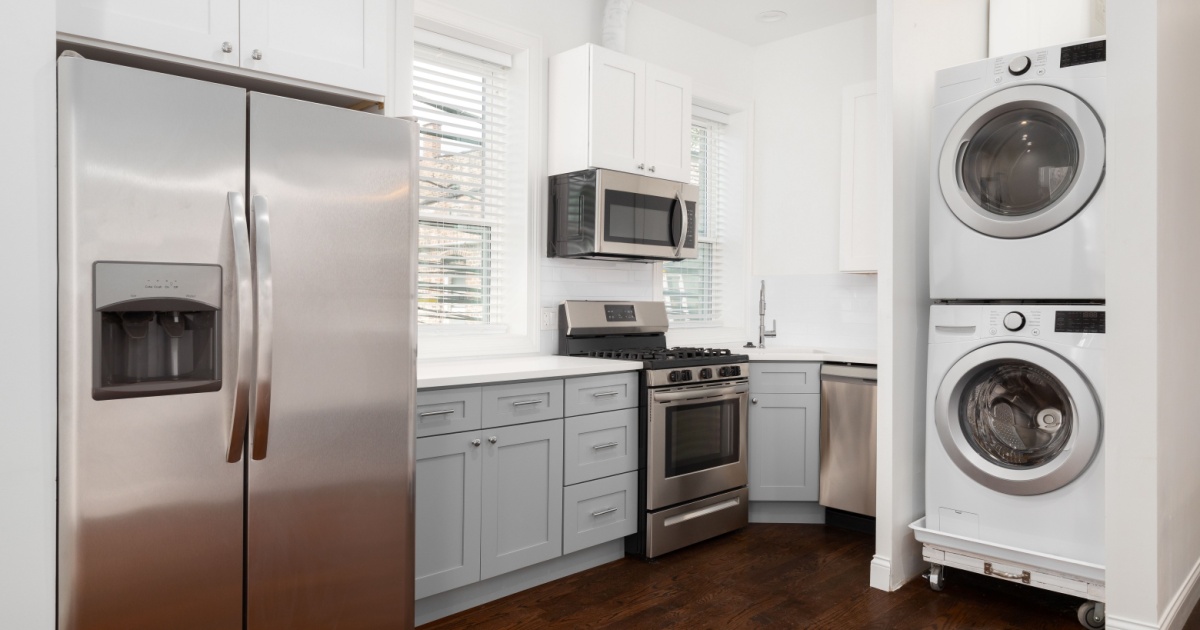
Now, here’s the reveal. The device Gilgan is talking about isn’t your TV, your laptop charger, or even your gaming console. While most people focus on big-ticket energy hogs like air conditioning or heating, Gilgan says the microwave is the appliance he sees costing people the most in phantom energy – and it often flies under the radar.
Think about your microwave for a second. You probably use it for a few minutes each day – reheating leftovers, defrosting something, warming up a cup of coffee. For the other 23+ hours, it sits there with the clock glowing, completely “off” in your mind. Except it isn’t. Most homeowners have no idea their microwave is drawing power 24/7, even when they’re not heating up leftovers – because microwaves keep internal circuits running and digital displays lit up at all times.
So, how much microwave standby power drain are we actually talking about? The U.S. Department of Energy Compliance Certification Database (2025) confirms standby power consumption of 2-7 watts for microwaves. That range depends heavily on the age and model of your appliance. Models from the ’90s and early 2000s can pull 6 to 10 watts on standby, compared to 3 to 4 watts for newer Energy Star models, Gilgan noted. The worst culprits are microwaves with bright LED displays that show the time in big, glowing numbers.
The U.S. Department of Energy has moved to address this. DOE finalized amended standards in 2023, which require compliance starting June 22, 2026, with updated specifications limiting maximum standby power to 0.6 watts for microwave-only ovens and countertop combination microwave ovens, and 1.0 watt for built-in and over-the-range combination microwave ovens. That’s good news going forward – but if your microwave is more than a few years old, those standards don’t apply to what’s already in your kitchen.
Why 4 Watts Adds Up Faster Than You Think
At this point, you might be thinking: 4 watts? That’s nothing. Gilgan hears this response a lot – and he has a very clear counter-argument. It’s the multiplication effect that gets people. Four watts doesn’t sound like much, but you’re never dealing with just one device.
Here’s how the math actually plays out in a real home. That microwave at 4 watts is joined by your cable box pulling 15 watts, your coffee maker at 3 watts, a laptop charger at 2 watts, your printer at 5 watts, your TV at 8 watts – and that’s just in two rooms. Modern homes usually have 20 to 40 devices in standby mode. Add those small draws together, and you’re looking at 50 to 200 watts running 24/7 – like leaving two lightbulbs on constantly, doing absolutely nothing for you. Over a year, that can hit $50 to $60 just evaporating.
And those numbers represent a conservative estimate. According to EnergySage, standby power accounts for 5-10% of residential energy use, and energy vampires could cost the average household up to $183 per year. Some estimates run even higher. The National Resources Defense Council found that phantom loads collectively cost American households around $19 billion every year. That’s not a rounding error. That’s real money leaving real wallets – quietly, invisibly, every single hour of the day.
Gilgan puts it plainly: “I wish more homeowners understood that phantom energy is completely invisible until you start looking for it. You can’t see it, you can’t hear it, and most people never think about it until someone points it out.” Most homeowners would never leave lights on all night, but they’re doing the equivalent with phantom loads and don’t even realize it.
The Other Big Offenders in Your Home
The microwave standby power drain gets Gilgan’s attention as a top home energy cost because it’s so overlooked. But home energy waste doesn’t stop there. Understanding which appliances use the most power – both while running and while sitting idle – gives you a complete picture of where your money goes. The Silicon Valley Power appliance energy use chart and data from ATCO Energy help illustrate the full ranking.
Cable Boxes and Entertainment Systems
Cable boxes average around 16 watts in standby mode and draw nearly the same power whether you’re watching TV or not – that’s about $19 to $20 per year for a single box. Pair that with unplugging your microwave overnight, and you’ve tackled your two biggest kitchen and living room vampires without much effort, Gilgan said. Gaming consoles aren’t far behind. A PlayStation or Xbox in rest mode can draw 10 to 15 watts. Laptops average 60 watts per hour while running, and gaming consoles average 90 watts per hour – with high-end systems potentially using up to 220 watts per hour.
The Water Heater
This one is a genuine giant. Your water heater uses about 4,000 watts per hour compared to the average freezer, which uses only 35 watts per hour. Your hot water tank often runs 24/7 to maintain temperature, which is why it’s the second-largest energy guzzler in most homes – making up about 19% of total energy usage. Unlike the microwave, you can’t just unplug your water heater, but you can turn the thermostat down. Most units come pre-set to 140°F, which is 20 degrees higher than the U.S. Department of Energy’s recommended setting of 120°F. That one adjustment alone can trim your water heating bill noticeably.
The Clothes Dryer
On average, a clothes washer uses 500 watts per hour, whereas the average clothing dryer uses 3,000 watts per hour. Doing just five loads per week means your dryer could easily consume over 1,000 kWh per year, which translates to hundreds of dollars annually depending on your local electricity rate. Typical electric dryers use about 680 kWh of energy per year – meaning that for the average person, washer and dryer combined account for about $125 in energy costs annually, with nearly all of that cost coming from the dryer. This figure is based on December 2025 energy pricing data from Reviewed.com.
The Refrigerator
Your fridge is the one appliance running around the clock, 365 days a year – but modern models have improved substantially. The average refrigerator uses an estimated 657 kWh of electricity per year, costing upwards of $78.84 over 12 months. Older units, however, can cost two to three times that amount. Energy Star certified appliances use up to 20-30% less energy than standard ones – and replacing an old refrigerator alone can help you save $100-200 per year in electricity costs.
If you’re concerned about the energy impact of an aging fridge, you might also be wondering about other lifestyle factors affecting your health and wellness budget, which connects well to broader thinking about sustainable daily habits.
How Much Does Microwave Electricity Usage Actually Cost You?
Let’s do some real-world math, so this stops being abstract. The average energy cost in the U.S. as of December 2025 was $0.18 per kilowatt-hour (kWh), though this may be as high as $0.30 per kWh in areas like New England.
Take a microwave drawing 4 watts on standby. That’s 0.004 kilowatts. Multiply by 8,760 hours in a year and you get roughly 35 kWh of standby consumption annually. At $0.18 per kWh, that’s around $6.30 per year just sitting there doing nothing. For average usage of 20 minutes of active cooking daily, a 1,000-watt microwave costs approximately $19-31 per year to operate in total, including both active use and standby power, based on 2025 electricity rates ranging from $0.13-0.17 per kWh across most U.S. regions.
Now, that standalone standby cost looks small. But remember: it’s one device. And as Gilgan points out, the microwave standby power drain gains significance as part of your total home energy waste picture. Some electronic gadgets – including TVs, computers, and speakers – never truly power off. Instead, they sit in standby mode using a trickle of power that can account for 5%-10% of home energy use and roughly $100 a year. Plugging these electronics into a smart power strip, which cuts off current when the devices aren’t in use, is a simple fix.
One more thing worth knowing on the microwave electricity usage question: if your microwave is older than 10 years, you’re likely paying more than the numbers above suggest. Consider replacing your microwave if it’s over 10 years old and you use it frequently – 30 or more minutes daily. Newer Energy Star-compliant models draw significantly less standby power, and the savings compound over time.
How to Reduce Phantom Load Energy Costs at Home
Here’s the part that matters most. You don’t need to spend money on an electrician or a major home upgrade to start cutting these costs today. These are practical, low-effort steps that work.
Unplug the Microwave Overnight
This is Gilgan’s top recommendation – and his most polarizing one. Many people push back, saying it’s inconvenient to lose the clock display and reset the settings each morning. But Gilgan’s response is simple: if nightly unplugging isn’t realistic for you, it’s especially worth it during long absences like vacations, when the standby draw continues for days with zero benefit.
Use a Power Strip With an On/Off Switch
This is the more practical fix for daily use. For those who said unplugging nightly isn’t realistic, Gilgan recommends getting a basic power strip with an on/off switch. Plug your microwave and coffee maker into one strip on your counter. Before bed, flip one switch. It takes two seconds, and you’ve killed multiple phantom loads at once. The same principle applies to your entertainment center – TV, cable box, game console, sound system all on one power strip, with one switch when you’re done watching. Smart power strips and smart plugs can also automate this process, cutting power to devices in standby mode on a set schedule. Always follow your appliance manufacturer’s instructions when using power strips to avoid any risk.
Upgrade to Energy Star Models
When purchasing a new microwave, consider opting for an energy-efficient model. Look for appliances that are Energy Star certified, as these are designed to consume less energy in both active and standby modes. The same logic applies to your refrigerator, washer, dryer, and dishwasher. Modern appliances are designed to do the same job while using far less electricity – with Energy Star certified models using up to 20-30% less energy than standard ones.
Use an Energy Monitor
One of the most powerful tools for cutting home energy waste is a simple plug-in energy monitor – available at most hardware stores for around $25-50. You plug the monitor into the outlet, plug your device into the monitor, and it shows exactly how many watts the device is pulling – both in active use and on standby. Electricity usage monitors are easy to use and can measure the electricity usage of any device that runs on 120 volts. They can be bought at most hardware stores for around $25-$50. Once you see the actual numbers in your own home, the motivation to act becomes very real.
Target the Biggest Offenders First
You don’t have to unplug everything in your house to make a real dent. Focus on the items drawing the most power. Cable boxes average around 16 watts in standby mode and draw nearly the same power whether you’re watching TV or not. Gaming consoles in rest mode are similarly hungry. Combine these with your microwave, and you’re addressing the top tier of household phantom load energy drains without touching anything else. Simple solutions like smart power strips and unplugging devices can reduce phantom load waste significantly.
Read More: Yes, Your Refrigerator Can Explode – Here’s How
What This Means for You
Electricity prices are not coming down. Electricity rates are climbing 4.2% in 2026, with some regions seeing increases of 10% or more. In that environment, every watt you can recover from phantom load energy adds up in a way that compounds across months and years. The microwave standby power drain is a useful entry point precisely because it challenges one of the most deeply held assumptions in most households – that a device not being used isn’t costing you anything.
It is. They all are. The good news is that the solutions Gilgan recommends require no technical skill, no major investment, and no more than a few minutes of setup. A $20 power strip, a few seconds each night, and a habit of unplugging devices when you leave for a few days can put real money back in your pocket. Add up your cable box, your microwave, your gaming console, your printer, and your TV, and you have a compelling case for reducing home energy waste one plug at a time. Start with the two rooms you use most, and build from there.
Disclaimer: This article is intended for general informational purposes only and does not constitute professional electrical or energy advice. Always follow appliance manufacturer guidelines and consult a licensed electrician for home electrical changes.
A.I. Disclaimer: This article was created with AI assistance and edited by a human for accuracy and clarity.
Read More: These 5 Hacks Will Lower Your Energy Bills