All of Baba Vanga’s Predictions That Have Come True so Far in 2026
Baba Vanga predicted the year she died that AI would one day start controlling humans. She died in 1996, four years before the term “artificial intelligence” entered mainstream public vocabulary. That detail sits at the center of the Baba Vanga predictions 2026 discussion, and it’s worth holding onto as context: the predictions attributed to her are almost always broad enough to seem prescient only after the fact.
Vangeliya Pandeva Gushterova, known to the world as Baba Vanga, was a blind Bulgarian clairvoyant who lost her sight at age 12 when, by her own account, a tornado threw her into a field. Her reputation grew through the Cold War and has intensified every year since her death. Her followers credit her with forecasting the Chernobyl disaster, the death of Princess Diana, the September 11 attacks, and the end of the Soviet Union. The problem with verifying any of it is a practical one: Vanga left no written record of her prophecies. What circulates online is a mix of authentic historical accounts, embellishment, and outright fabrication. Investigations have identified fabricated “Baba Vanga predictions” spread by coordinated social media campaigns, particularly those involving contemporary political figures – but those investigations have not been formally attributed to a single named published source, which means that specific claim should be read as a pattern recognized by multiple journalists, not a singular documented finding. With that caveat firmly in place, here are the 2026 forecasts most actively discussed – and how each maps onto the world right now.
1. AI Reaches a Dangerous Tipping Point
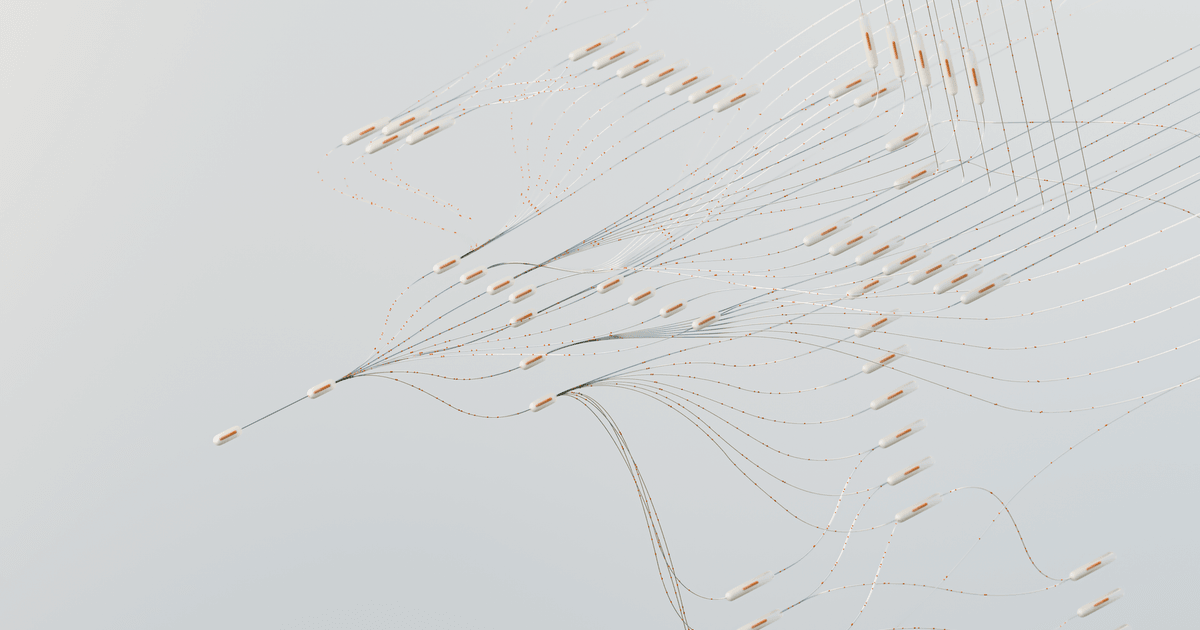
Advanced AI systems like those visualized here represent the technological threshold Vanga warned could spiral beyond human control in 2026. Image Credit: Google DeepMind / Pexels
Vanga is said to have predicted that by 2026, artificial intelligence would start controlling humans, displacing jobs, disrupting personal relationships, and reshaping daily routines. Her followers frame this less as a neutral technological milestone and more as a loss of human agency.
In 2026, that framing has found material to attach itself to. The world’s first fully AI-generated reality television series launched in late 2025. AiMation Studios released Non-Player Combat, described as “the world’s first 100 percent AI-generated reality TV show,” streaming on YouTube. For believers, that development fits Vanga’s alleged warning precisely.
The broader labor anxiety has real grounding in current data. Goldman Sachs Research estimates that 300 million jobs globally are exposed to automation by AI, with management consultants, call center workers, and graphic designers among the most affected. Whether any of this constitutes a fulfilled prediction depends entirely on how loose a reading you’re willing to accept. A vague warning about technology “going too far” will always find confirmation in a year when AI advances are accelerating.
2. A Rise in Natural Disasters
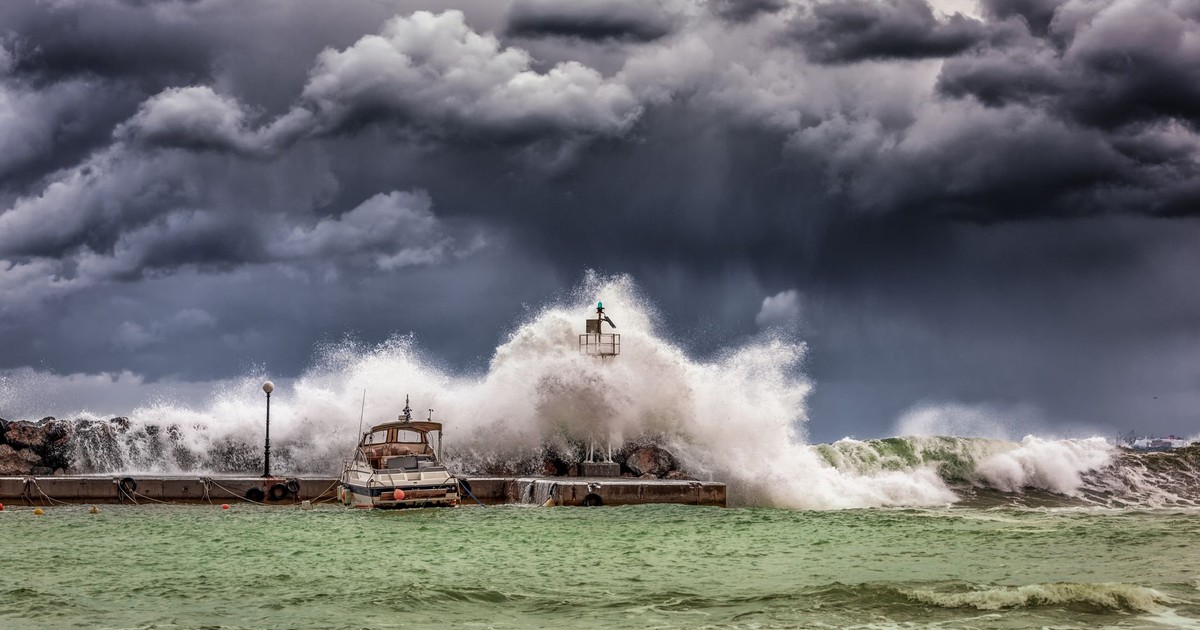
Devastating storms and flooding events shown here align with Vanga’s predictions of intensified natural disasters reshaping global geography this year. Image Credit: GEORGE DESIPRIS / Pexels
One frequently repeated Baba Vanga forecast says natural disasters will intensify in 2026, with some versions claiming earthquakes, volcanic eruptions, and storms could affect 7 to 8 percent of Earth’s land area. Given record heatwaves in Europe, devastating wildfires in Australia and Canada, and mass-casualty earthquakes in places like Myanmar, this particular claim has gained traction among her followers.
A fair assessment requires separating what is observable from what is mythology. The Earth experiences seismic events constantly, every year, regardless of prophecy. The USGS Earthquake Hazards Program tracks worldwide seismic activity and publishes annual statistics showing thousands of significant earthquakes occur globally in a typical year. A prediction about earthquakes without a specific location, date, or magnitude threshold can be stretched to fit nearly any calendar year. That said, extreme weather events in 2026 have continued to draw attention globally, and Vanga’s followers are pointing to each one as evidence.
3. Escalating Global Conflict
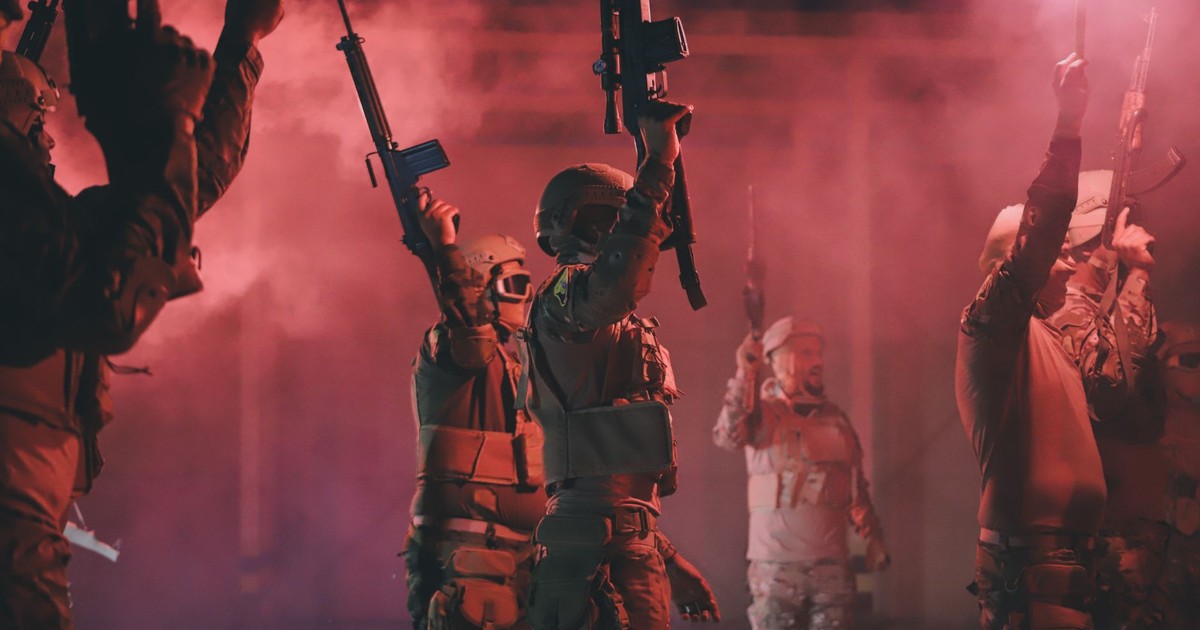
Armed conflicts mirror Vanga’s foresight about escalating military tensions and regional instability that define the geopolitical landscape of 2026. Image Credit: Ibrahim Bashr / Pexels
Vanga’s name is attached to predictions of rising global conflict, sometimes shading into WWIII rhetoric or suggesting that 2026 will mark a dangerous turning point. In 2025, that frame centered on an East versus West divide and the beginning of what her followers called the “downfall of humanity.” In 2026, devotees have pushed the theme forward as a wider escalation across multiple regions.
The geopolitical backdrop for this claim is real enough. Russia’s war in Ukraine continues. Tensions between the United States and Iran escalated sharply in early 2026, and those developments drew predictable comparisons to Vanga’s alleged forecasts about widening global conflict. The problem is that most of what circulates as 2026 Baba Vanga predictions rests on second-hand claims, not written records from Vanga herself, which makes certainty elusive.
Vanga died in 1996, but her name keeps resurfacing whenever a crisis breaks, because followers and content farms alike are quick to stitch current events onto vague prophecies. Predicting geopolitical conflict in any given year is less a demonstration of foresight and more a reasonable expectation – there has not been a year in recorded modern history without serious armed conflict somewhere on Earth.
For those tracking the 2026 predictions more closely, the global conflict narrative is considered the most broadly “confirmed” of her 2026 forecasts, precisely because it is the least falsifiable.
4. Economic Instability and Financial Disruption
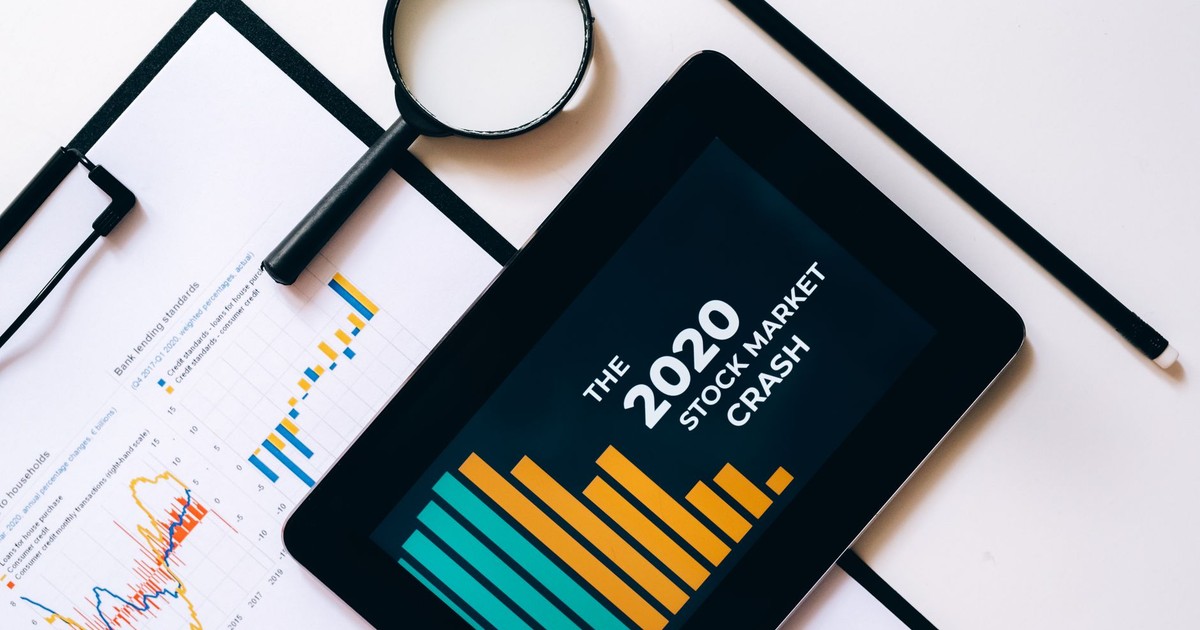
Stock market volatility and financial turmoil depicted here validate Vanga’s long-standing prediction of economic collapse impacting billions worldwide. Image Credit: Leeloo The First / Pexels
Some Baba Vanga followers extend her economic warnings into 2026, pointing to currency crises, heightened market volatility, and worsening inflation as potential outcomes. The idea is that political conflict, natural disasters, and broader disruptions will ripple through supply chains and global markets.
The 2026 economic picture has given those believers material to work with. Trade war tariffs, geopolitical disruptions, and shifting energy markets have combined to produce conditions of real financial uncertainty across multiple continents. These predictions are vague enough to apply to almost any economic downturn – financial instability that began in 2025 could easily persist into 2026. Every year contains economic turbulence of some kind; that’s not the same as a successful prediction. Attributing these trends to a mystic who died in 1996 requires a significant leap of faith.
5. Medical Breakthroughs and Synthetic Organs
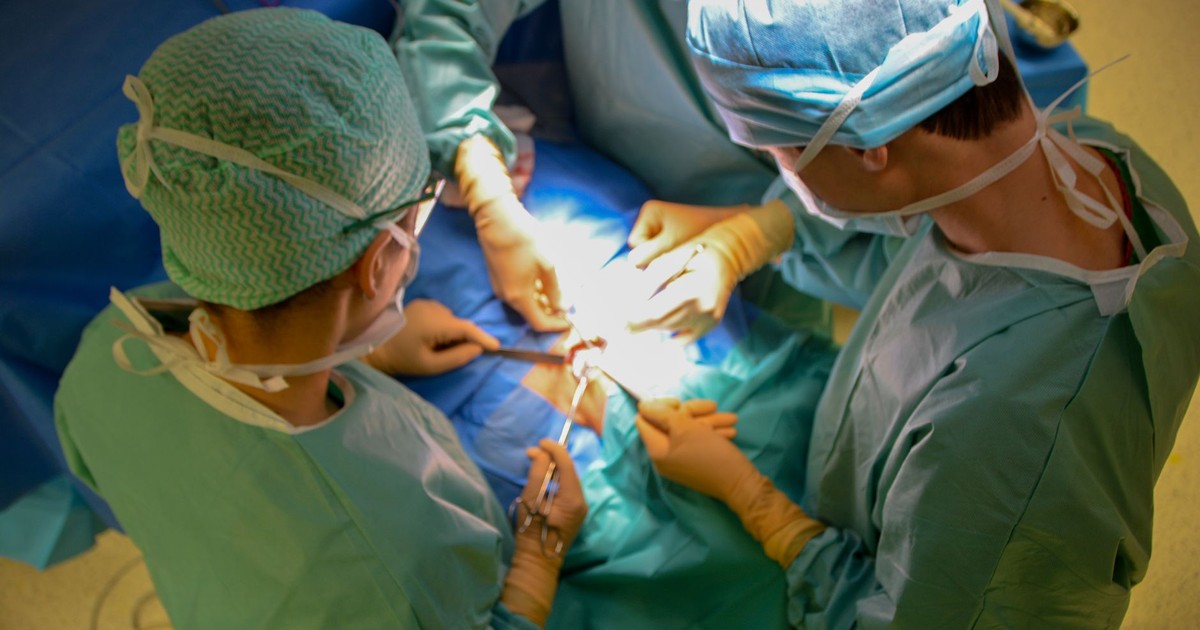
Surgical innovations and synthetic organ development represent the medical breakthroughs Vanga prophesied would transform healthcare and extend human lifespans dramatically. Image Credit: Stéf -b. / Pexels
Not all of Vanga’s 2026 claims are catastrophic. Some of her followers point to a prediction about scientists growing synthetic organs, noting that while her original timeline for mass-produced synthetic organs pointed to 2046, real developments in 2026 are moving faster than expected.
The science on this front is genuinely advancing. Massachusetts General Hospital performed the world’s first transplant of a genetically edited pig kidney into a living human in March 2024, then completed a second such transplant in January 2025. A third patient received a pig kidney at the same hospital in June 2025. The procedure – called xenotransplantation – involves transferring organs from one species to another and is being actively studied as a potential solution to the global organ shortage.
Fans also credit Vanga with foreseeing a leap in cancer diagnosis, with 2026 potentially being the year multi-cancer early-detection blood tests move from pilots to national screening programs in at least one major country. These are real and meaningful developments. Whether they connect to Vanga in any verifiable way is a different question. Organ transplantation science and cancer diagnostics have been progressing steadily for decades, independently of any prophecy.
6. Alien Contact – The November Prediction
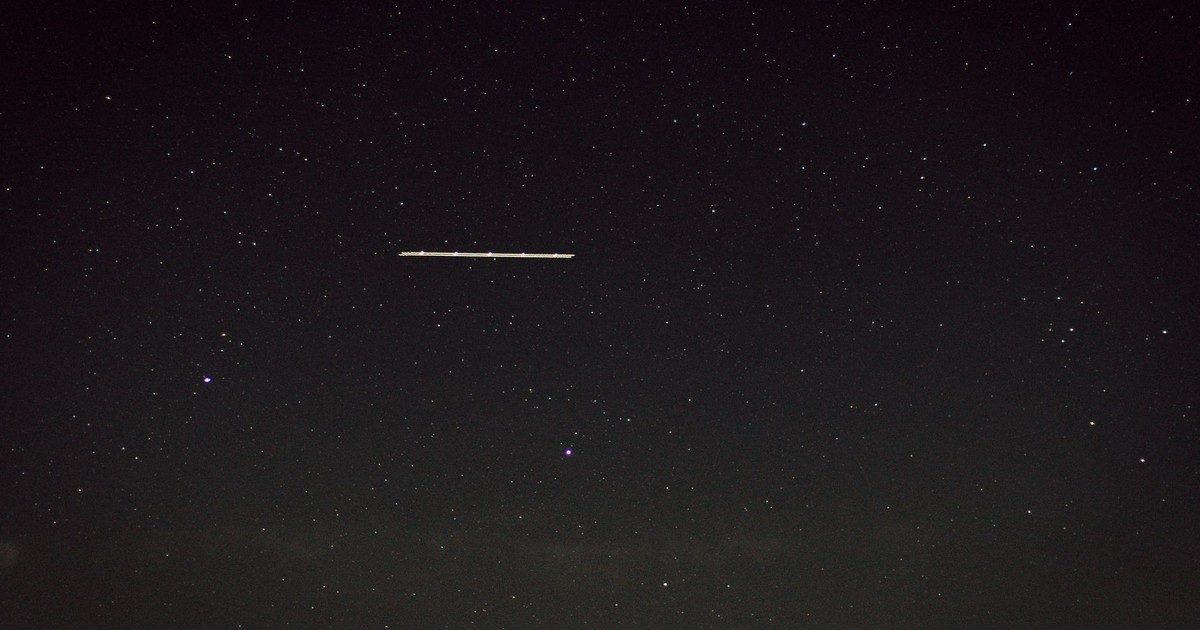
Mysterious celestial phenomena captured in night skies worldwide fuel speculation about Vanga’s November 2026 prediction of extraterrestrial contact confirmation. Image Credit: Jonas Von Werne / Pexels
For 2026, Vanga is said to have predicted that a large spacecraft will arrive on Earth in November, marking the first official contact between humans and extraterrestrial life. As of July 2026, November hasn’t arrived, so this one remains open.
Some online roundups have woven the interstellar object 3I/ATLAS into Vanga’s alien contact prediction, pointing to the object as evidence that “the sky is unusually busy.” According to NASA, 3I/ATLAS is an interstellar comet – the third confirmed object from outside our solar system to pass through it – discovered on July 1, 2025, by the ATLAS survey telescope in Chile. Astronomers tracked it with Hubble, Webb, and multiple spacecraft as it passed through the inner solar system before heading back out. The SETI Institute subsequently conducted a full radio scan of the object and found no signs of artificial signals, further confirming that 3I/ATLAS is a natural comet, not an alien craft.
November 2026 will be the moment of reckoning for this particular claim.
The mystical tools shown here underscore how Vanga’s controversial methods continue generating debate about prediction accuracy versus coincidence in prophecy. Image Credit: cottonbro studio / Pexels
The whole Baba Vanga cottage industry operates on a specific logic: the prophecies are usually elastic enough to survive almost any news cycle, then precise enough – after the fact – to appear spooky. A forecast about “conflict,” “disaster,” and “technology going too far” will find confirmation in 2026 for the same reason it found confirmation in 2022, 2018, and every other year. The world is always doing at least one of those things.
Psychologists identify the Barnum Effect as central to understanding psychic credibility. This phenomenon describes the tendency for people to accept vague, general statements as personally accurate – think horoscopes, personality tests, or prophecy roundups. Applied to Vanga’s legacy, it explains why broad forecasts about conflict, disaster, or political upheaval always seem to resonate. When predictions feel true, they’re usually reflecting fears that already exist, not introducing new ones. The alien contact prediction for November 2026 is the one exception: specific enough to be either proven or disproven in a single month. Everything else attributed to Vanga for this year has already passed through the familiar cycle – loose prediction meets anxious world, and the internet does the rest.
AI Disclaimer: This article was created with the assistance of AI tools and reviewed by a human editor.