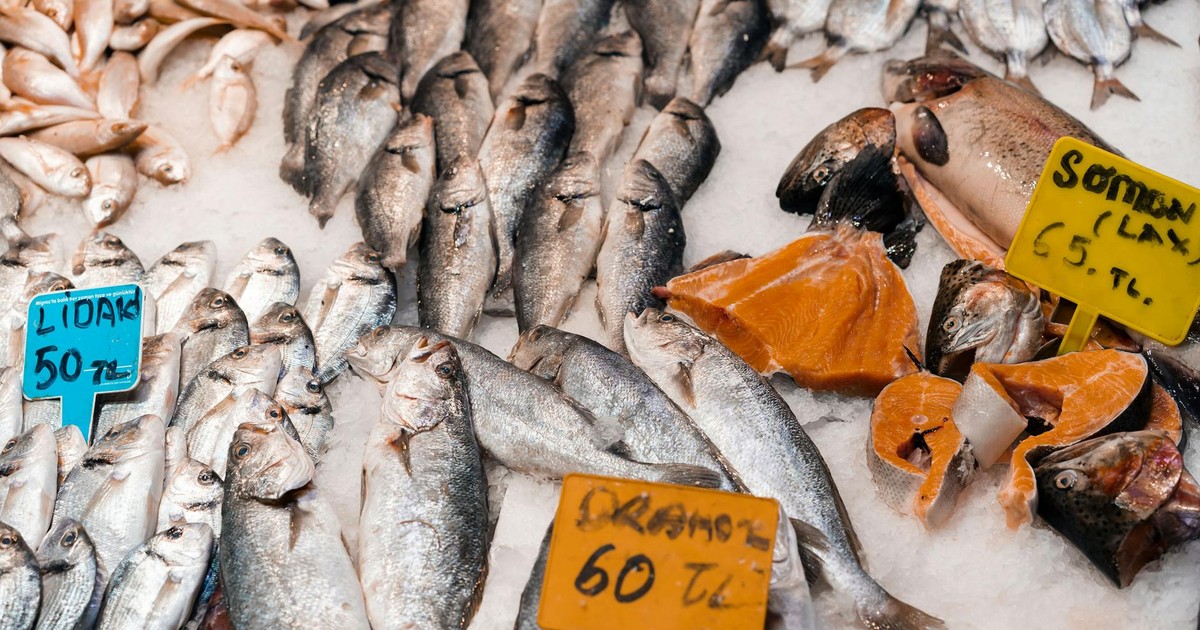

Salmon is one of those foods that looks perfectly fine from a distance. You grab it from the fridge, it smells a bit off, and a voice in the back of your head says, it’s probably fine. That internal debate, the one where you’re trying to talk yourself into not wasting $18 worth of fish, is exactly how a lot of foodborne illness cases start. The bad salmon signs are usually right in front of you. The problem is knowing which ones actually matter.
Fish is among the fastest-spoiling proteins in your kitchen. Unlike beef or chicken, where the margin for error can stretch a day or two, salmon operates on a much shorter clock. The way it’s stored, handled, and even purchased determines how quickly the clock runs out. And once it’s gone bad, no amount of heat, seasoning, or wishful thinking changes the outcome.
This guide covers the five clearest signs your salmon has turned, why each one matters from a food safety standpoint, and what to do to get more life out of your fish before it ever reaches that point. If you’ve been on the fence about a piece of salmon sitting in your fridge, keep reading.
1. The Smell Has Shifted From Mild to Offensive

The single fastest and most reliable way to catch bad salmon signs early is your nose. Fresh salmon has almost no smell at all, or at most a very clean, faint ocean scent. The moment that changes, you need to pay attention.
Fish should smell fresh and mild, not fishy, sour, or ammonia-like. Any of those three odor profiles are your cue to toss it. The science behind why this happens is straightforward. A compound called trimethylamine oxide (TMAO) is naturally present in marine fish and helps them maintain osmotic balance. TMAO does not serve as a substrate for bacterial catabolism but instead acts as an alternative electron acceptor, enabling some bacteria to grow rapidly under anaerobic conditions. The product of this reaction is trimethylamine (TMA), an important component of the odor of stored fish that gives it that characteristic fishy smell. That rotten, sharp smell isn’t just unpleasant – it’s a chemical marker of bacterial activity happening inside the flesh. You can read more about the science of trimethylamine and its role in seafood spoilage in the published literature.
A pungent, vinegary, or fermented odor means the fats and proteins are already breaking down. If you detect a rotten egg smell, the fish has reached a level of decomposition that is unsafe to eat. Cooking spoiled salmon does not make it safe. The heat can actually intensify these unpleasant odors. The practical rule: if the smell makes you hesitate, you already have your answer. Don’t try to cook through it.
2. The Color Has Gone Dull or Gray
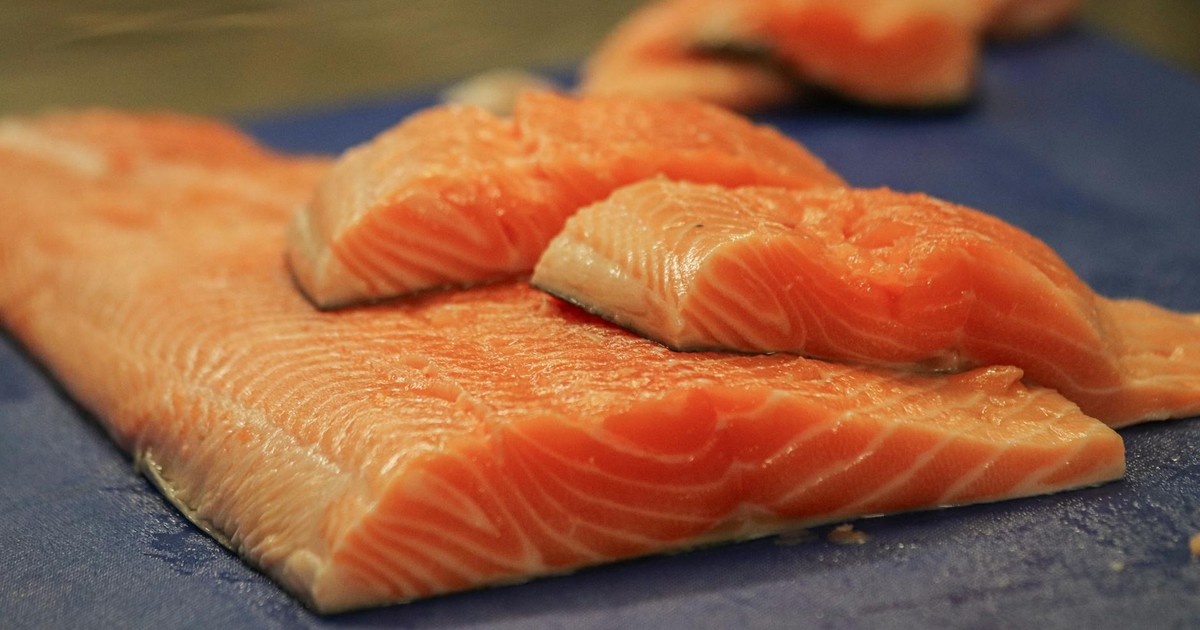
Color alone can’t always tell you whether fish is safe, but a noticeable shift in salmon’s natural color is a reliable red flag worth acting on. If your salmon is dull, has a gray tinge, or has patches of odd coloring, it may be spoiled.
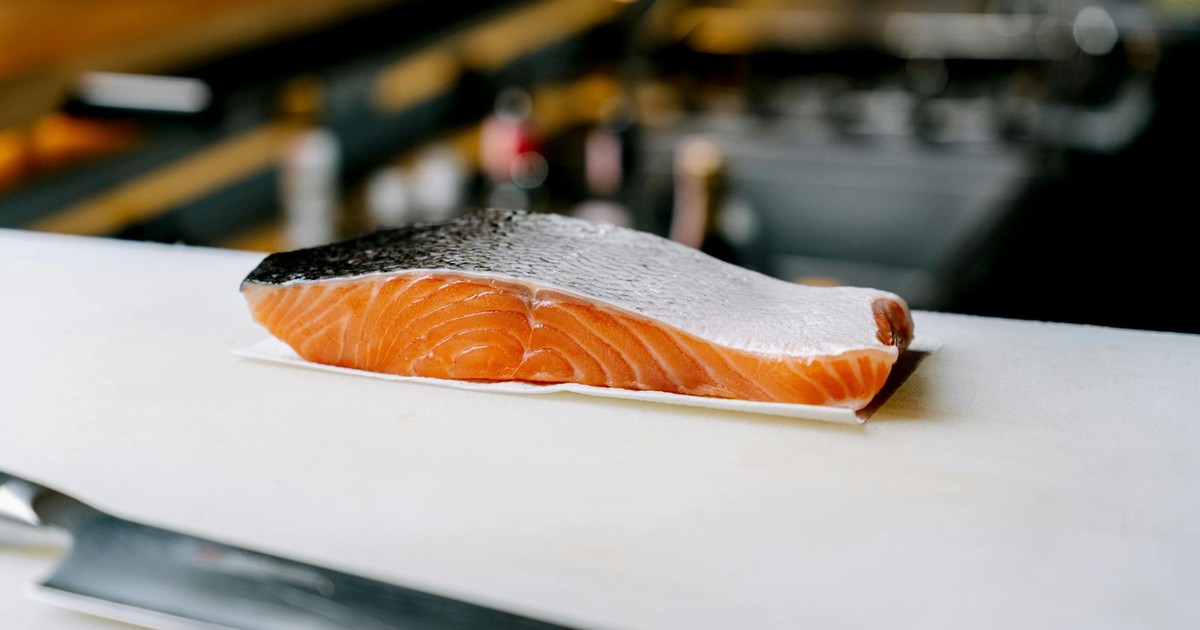
Fresh salmon typically has a bright, vibrant pink or orange hue with distinct white fat lines. If the salmon looks dull, faded, or has developed grayish, brownish, or greenish patches, that is a strong indicator of spoilage. The discoloration happens because bacteria and enzymes are actively breaking down the fish’s cellular structure, and those bright pigments degrade alongside the tissue itself.
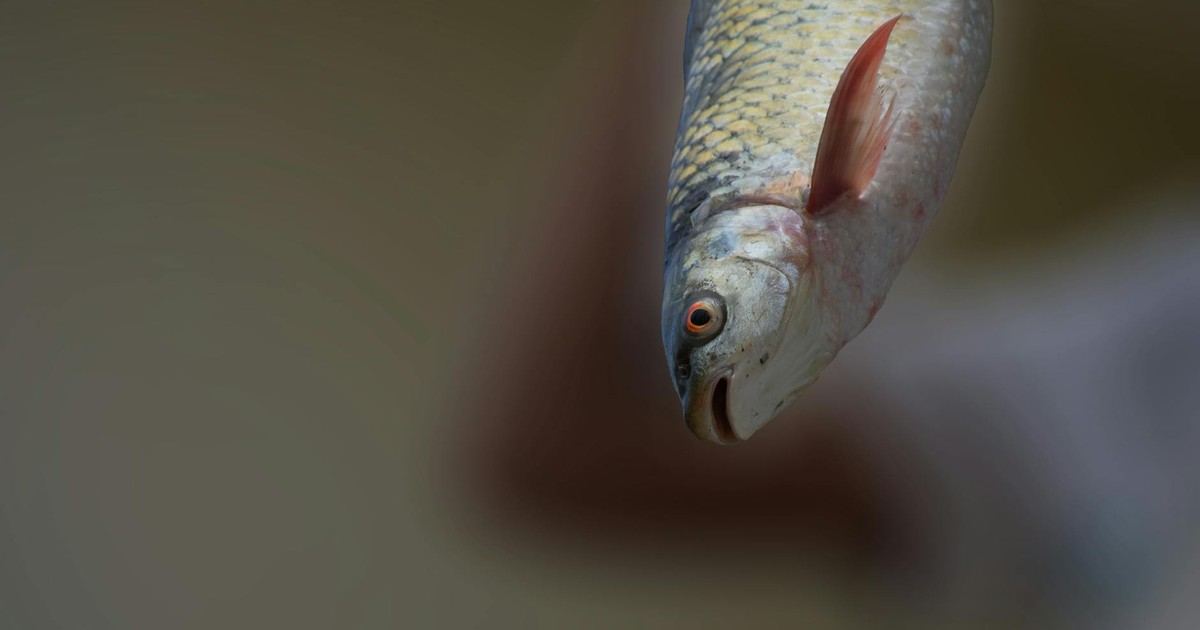
Dry or shriveled edges can indicate that the salmon has been exposed to air for too long or is beginning to dehydrate, which can accelerate spoilage. If you’re inspecting a whole salmon rather than fillets, check the eyes. A fish’s eyes should be clear and shiny, and whole fish should have firm flesh and red gills with no odor. When salmon begins to spoil, the eyes become cloudy and may appear sunken into the head, while the gills fade from vibrant red to brownish. Use these visual cues together rather than in isolation. A slightly pale fillet paired with a strong odor is a definitive call to discard.
3. The Texture Feels Mushy, Slimy, or Sticky
How salmon feels under your fingers tells you almost as much as how it smells. Texture changes are among the clearest bad salmon signs because they reflect what’s happening structurally inside the flesh itself.
If your salmon is mushy or sinks in when you press it, it may be spoiled. Fresh salmon should feel firm under your fingers and spring back when you press it. That springback is the result of intact muscle fibers. When bacteria and naturally occurring enzymes start breaking down the protein structure, the hydrolysis of myofibrillar proteins (the structural proteins that give fish its firm texture) causes the flesh to become progressively softer and mushier.
Sliminess is a separate but equally important warning. If the surface is slippery or slimy, bacteria have begun to grow on the surface and are breaking down the fish. If your salmon is sticky or tacky when you touch the surface, bacteria may have begun to grow and break down the flesh. And if you notice a white, filmy residue on raw salmon, don’t dismiss it as harmless. White, filmy material on raw salmon is evidence that bacteria have begun to break down the flesh, and it is likely spoiled. One clarification worth making: the white substance that appears when you cook fresh salmon is a completely different thing. As explained in this piece on fish albumin, it’s a harmless protein that coagulates when heated, so don’t confuse the two. The white slime shows up before cooking. The white albumin shows up after.
4. It Has Been in Your Fridge Too Long

Even perfectly stored salmon has a hard expiration point. No amount of careful wrapping extends that window indefinitely, and this is one bad salmon sign many people underestimate because the fish may still look and smell acceptable.
If seafood will be used within 2 days after purchase, store it in a clean refrigerator at a temperature of 40°F or below. The federal food safety guidance on this is equally firm. FoodSafety.gov advises that seafood should be stored in a clean refrigerator at a temperature of 40°F (4°C) or below if it will be used within 2 days of purchase. Cooked salmon gets a little more runway, but not much. According to the USDA, cooked fish including salmon should be eaten within 3 to 4 days when stored properly in the refrigerator.
Frozen raw salmon is a different matter. If you won’t use it within that window, wrap it tightly in plastic, foil, or moisture-proof paper and store it in the freezer. The lesson here is that “sell-by” dates tell you when the store should pull it from the shelf, not necessarily when it’s safe for you to eat. What matters more is how your fish has been stored since you bought it and how many days have passed.
5. You Left It Out Too Long at Room Temperature
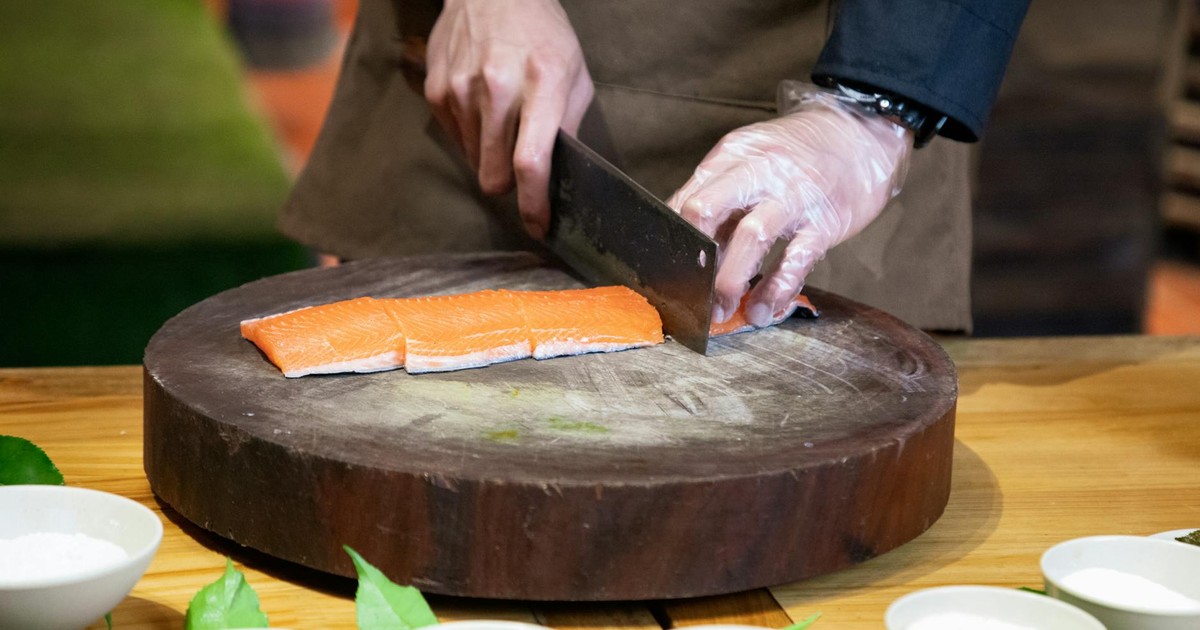
This one is less about what you can see or smell and more about what already happened. Time at room temperature is one of the most overlooked bad salmon signs, and the consequences go beyond ordinary spoilage.
Once fish drops below 40°F, bacteria begin to grow. The reverse is equally true. Never leave seafood or other perishable food out of the refrigerator for more than 2 hours or for more than 1 hour when temperatures are above 90°F. According to the FDA’s seafood safety guidance, if your salmon sat on the counter and crossed that window, the safest call is to discard it, even if it still smells fine.
Here’s the part that surprises most people. When fish sits at room temperature, bacteria convert an amino acid called histidine into histamine. Since histamines are heat-resistant, cooking spoiled fish will not make it safe to eat. The toxin is heat-stable, so even thoroughly cooked salmon can make you sick if it was improperly stored beforehand. This is the mechanism behind scombroid poisoning (also called histamine fish poisoning), one of the most common fish-related foodborne illnesses. Scombroid fish poisoning, also known as histamine fish poisoning, is an allergic-type reaction that occurs within a few hours of eating fish contaminated with high levels of histamine. The diagnosis is made clinically with symptoms of rapid onset within one hour of a fish meal, including flushing, rash, headache, diarrhea, and prompt improvement after antihistamine administration. Because it mimics an allergic response, many people don’t connect it to the fish they ate at all.
After histidine is converted to histamine and other scombrotoxins, it is not destroyed by gastric acid, canning, cooking, freezing, or pickling. The California Department of Public Health confirms that rash, diarrhea, and facial flushing are among the most common symptoms. Once histamine has formed in the fish, it cannot be neutralized – by any cooking method.
Read More: Not Just Salmon: These 6 Fish Are Omega-3 Powerhouses
Keep It Safe From the Start
Knowing the signs is only useful if you also know how to keep salmon fresh long enough to eat it safely. Store raw salmon in the coldest part of your refrigerator, which is generally the back or bottom shelf, at or below 40°F. If you won’t cook it within two days of purchase, move it to the freezer immediately. For cooked salmon, keep it sealed in an airtight container and use it within three to four days.
Never taste raw salmon to check whether it has gone bad. No method of cooking can neutralize histamines once they form in spoiled fish. Your nose, eyes, and fingertips are the right tools. The smell test, color check, and firmness test take about 30 seconds combined and can keep you and anyone you’re cooking for out of serious discomfort. Bacteria that can cause illness grow quickly at warm temperatures, between 40°F and 140°F, so temperature control is as important as any sensory check you do at home.
When you’re unsure, throw it out. Salmon is a protein worth enjoying at its best, and at its worst it can put you in bed for days. The five-second smell test costs you nothing. Ignoring it might cost you quite a lot.
Disclaimer: This information is not intended to be a substitute for professional medical advice, diagnosis or treatment and is for information only. Always seek the advice of your physician or another qualified health provider with any questions about your medical condition and/or current medication. Do not disregard professional medical advice or delay seeking advice or treatment because of something you have read here.
A.I. Disclaimer: This article was created with AI assistance and edited by a human for accuracy and clarity.
Read More: 14 Fish You’ll Think Twice About Eating Again