

Researchers have discovered that glaciers across the United States, Switzerland and Canada are melting at astonishing rates. This is far faster than scientists previously projected. Glaciers in western Canada, the mainland United States, and Switzerland just had their worst year and worst 4-year period on record for ice loss. This rapid ice melt has severe implications across coasts, weather, ecosystems, and economies. Researchers warn that record high temperatures, prolonged heat waves, and dry conditions amplify glacier melt.
The growing crisis of glacier melt
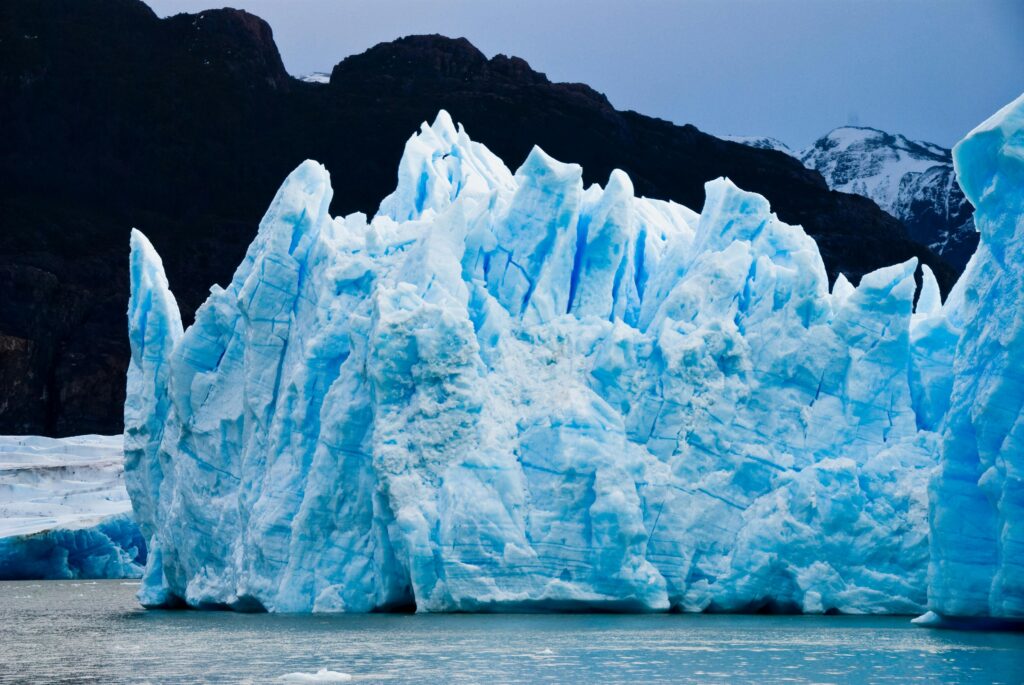
Record heat and prolonged dry seasons are accelerating glacier melt, with western Canada and the U.S. facing severe losses.
Since 2020, glaciers in western Canada and the conterminous United States have lost about 12% of their ice volume. Swiss glaciers lost 13% over the same period, approximately twice the rate of the previous decade. Researchers are concerned at the rate of the ice melt as many lower-elevation and mid-latitude glaciers face severe shrinkage within decades if warming continues.
Heat waves and dry conditions driving ice loss
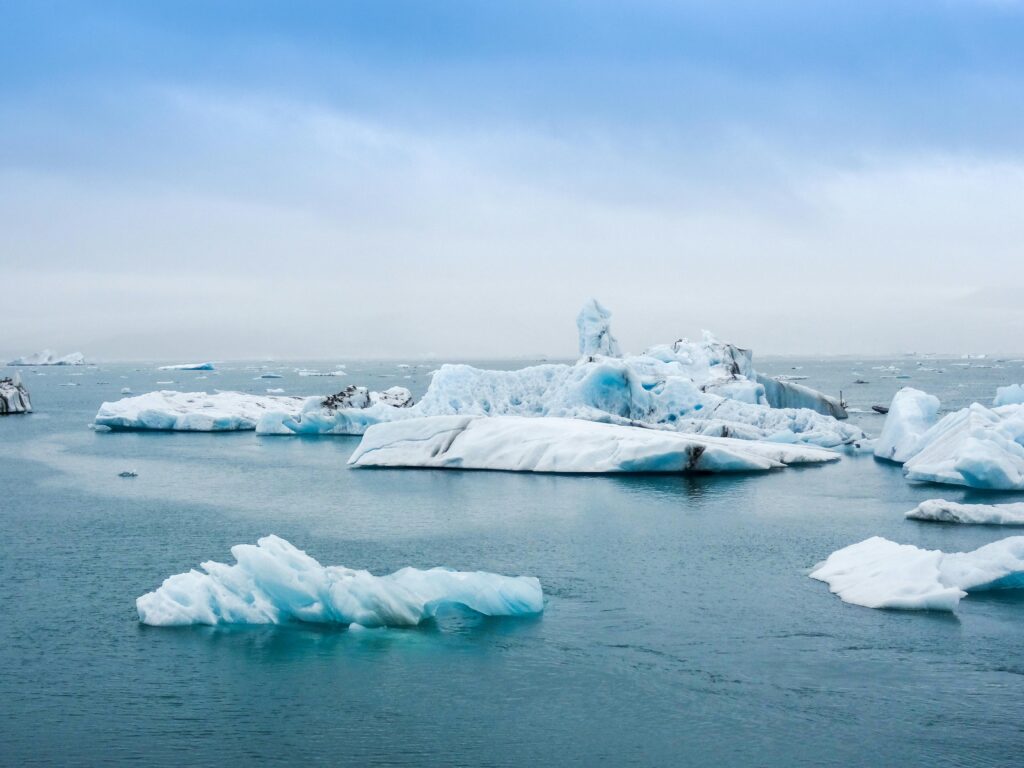
Researchers warn that rapid glacier retreat is driving rising seas, extreme weather, and global climate risks.
The rapid melt is closely linked to early-season heat waves, unusually warm and dry conditions. Reduced winter snowfall that exposes and darkens ice, accelerating the melting of glacier ice. Increased impurities from wildfires further reduce reflectivity, compounding heat effects and creating a feedback loop of loss without meaningful snow cover recovery. While Saharan dust has a similar effect and substantial loss in Switzerland.
This reduced reflectivity strengthened the ice-albedo feedback, driving extra thinning. This is a reinforcing loop where melting leads to darker surfaces, which then absorb even more energy and drive further thinning. The rapid melt will likely continue unless fresh seasonal snow covers the newly exposed dark ice and firn at higher altitudes. It means the darker glacier surface absorbed more sunlight, which made it melt even faster.
A global pattern emerging
This rapid glacial ice loss is not unique to North America. It is also indicative of a larger growing trend with Swiss glaciers posting a 13% volume decline since 2020. The latest State of the Climate Report shows that 2024 marked another year of record-breaking rise in global surface temperatures. The period from 2015 to 2024 is now the hottest decade on record. Scientists confirm that all 58 reference glaciers suffered ice loss, showing the persistent impact of global warming. Greenhouse gases also hit some of the highest atmospheric peaks recorded, further fueling extreme climate events. Record rainfall battered many regions, with many places globally experiencing severe flooding and infrastructure damage.
Rising seas and flooding risk
Melting glaciers contribute to sea-level rise, which causes coastal flooding. Rising sea levels leave storms pushing more water inland. U.S. coasts projected to rise 10-12 inches by 2050, an alarming rise is a shift equal to the previous century’s total. NOAA and the interagency predict that this could result in frequent flooding, 10 times more than the current flooding for American coastal locations.
Climate change and storm intensification
Higher global temperatures result in warmer oceans, which, in turn, melt the glacial ice. Warmer oceans and warmer air create a climate for intense storms. The record heat in sea surface temperature also fuels extreme hurricane seasons. This forms a feedback loop where warming accelerates glacier loss while stronger storms and ocean dynamics further destabilize the ice margins, threatening coastal places.
Impacts on wildlife and food systems
Sea ice is imperative for polar ecosystems, and loss of this ice results in habitat loss that affects many organisms. Polar species, including polar bears, penguins, and fish, rely on the sea ice for food supply and breeding grounds. Fish populations in the Arctic are adversely affected due to glacier ice melt. It disrupts economies and food supplies that rely on the fish supply from the Arctic waters. Altered glacial runoff also negatively impacts downstream agriculture and water management systems.
Human society facing consequences
Lead author Brian Menounos warns society must prepare for a future without many of Western Canada’s and the U.S. glaciers. This threatens hydropower, water security, and tourism economies due to the cascading effects of the rapid ice melt. Insurance and infrastructure risks will rise with compounding flood hazards and changing water availability as meltwater “bank accounts” are rapidly depleted.
Read More: New Study Predicts Grim Future for the Arctic by 2100 if Climate Change Persists
Scientific tools and new solutions
To mitigate rapid glacier ice melt, researchers are focusing on ways to detect changes in sea level and the causes of ice melt. New monitoring approaches, such as fiber-optic Distributed Acoustic and Temperature Sensing, reveal how calving-induced waves and currents can accelerate ice melt. A research paper shows that warming-induced shifts from snowfall to rainfall during monsoon seasons could be amplifying glacier mass loss.
Preparing for a glacier-free future
Global climate reports warn of record multi-year glacier losses and urge immediate intervention and aggressive emissions reductions to limit further rapid ice melt. Failing to do so will eventually lead to a series of disasters triggered by cascading hazards. Priorities include resilient coastal defenses, risk-informed insurance, and zoning. Diversified water and energy systems and accelerated decarbonization to slow warming and protect communities are also of priority. If an immediate implementation of these strategies and priorities is not done, we face future cataclysmic climate events and irreversible damage to our ecosystems.
Read More: Scientists Propose Releasing 12 Million Tons of Particles Into Atmosphere to Combat Climate Change