

Dementia affects millions worldwide, and women carry a heavier burden than men. Longer life spans, hormonal shifts during menopause, and higher prevalence rates make prevention especially important for women. The good news is that science shows lifestyle choices can lower risk in powerful ways. You don’t need to overhaul your life overnight. Instead, adding brain-healthy habits to your daily routine can make a difference over time. From exercise and diet to social engagement and medical care, these evidence-backed habits can give women more control over their brain health.
What is Dementia?

Dementia is not a single disease, but a group of conditions that affect memory, thinking, and daily function. Alzheimer’s disease is the most common type, followed by vascular dementia and other less common forms. Symptoms often begin with mild forgetfulness but progress to confusion, disorientation, and difficulty managing everyday tasks. These changes happen because of damage to brain cells, which disrupts communication between different areas of the brain. Dementia is more than just aging, as it represents a serious decline in cognitive health. Understanding what dementia is helps highlight why prevention matters and why lifestyle choices are such powerful tools.
Why Dementia Affects Women More

Women face higher rates of dementia than men, and researchers are working to understand why. Longer life expectancy plays a role, since dementia risk increases with age. Hormonal changes during menopause may also affect brain function, as declining estrogen levels influence memory and blood flow in the brain. In addition, women are more likely to develop conditions like depression or autoimmune disorders, which may add to risk. These combined factors emphasize why women need extra focus on prevention, making healthy lifestyle habits even more essential.
1. Physical Activity and Exercise

Moving your body is one of the most effective ways to protect your brain. Studies show that aerobic activities like brisk walking, swimming, or cycling improve blood flow to the brain and support memory. Strength training also plays a role by boosting muscle health and reducing inflammation, which benefits cognitive function. Women who stay active in midlife and beyond have a lower risk of developing Alzheimer’s and other dementias. The benefits are not only long-term, as regular workouts also sharpen focus and energy today. Exercise is one of the most reliable lifestyle strategies for preventing dementia, and it fits into daily routines more easily than many people think.
2. Healthy Diet for Brain Protection

What you put on your plate can protect your brain just as much as your body. Diets rich in colorful fruits, leafy greens, nuts, and berries supply antioxidants and flavonoids that fight cell damage. These nutrients reduce inflammation and help preserve memory and thinking skills as you age. Research highlights the Mediterranean-style diet as one of the most effective for brain health. Women who follow this eating pattern often experience slower cognitive decline. Every balanced meal contributes to preventing dementia, making nutrition a powerful tool for both physical and mental well-being.
3. Cognitive and Social Engagement

Your brain thrives on challenge and connection. Reading, learning new skills, solving puzzles, or practicing a hobby keeps your mind active and builds what scientists call “cognitive reserve.” This reserve helps your brain handle changes that come with aging. Social interaction is just as powerful. People who maintain friendships, join clubs, or stay engaged in community life often experience sharper memory and slower decline. Isolation, on the other hand, raises dementia risk significantly. Staying mentally and socially active is not only enjoyable, it is also a direct way of preventing dementia and protecting long-term brain function.
4. Managing Vascular and Metabolic Risk Factors

Your heart and brain health are deeply connected. High blood pressure, diabetes, and other vascular conditions can quietly increase the likelihood of dementia. For women, who face higher rates of dementia overall, keeping these risk factors under control is especially critical. Regular checkups, medication when needed, and lifestyle changes like reducing salt and maintaining a healthy weight all protect the brain. Research shows that even controlling blood pressure alone can lower the risk of cognitive decline. Preventing dementia often starts with managing these underlying health conditions, making medical care and consistent monitoring essential.
5. Avoiding Smoking and Excessive Alcohol

What you avoid matters as much as what you do. Smoking harms circulation and significantly raises the risk of Alzheimer’s disease. Quitting brings benefits at any age by improving blood flow and reducing brain damage. Alcohol also plays a complicated role. While small amounts, such as a glass of wine with meals, may offer some protective effects when combined with other healthy habits, drinking too much increases dementia risk. Women are especially vulnerable because their bodies process alcohol differently. Preventing dementia means making smart lifestyle choices, and avoiding smoking and excessive drinking are two of the most important.
The Combined Effect: Lifestyle Synergy

Each of these habits is powerful on its own, but their real strength shows when combined. A woman who eats a brain-friendly diet, stays active, manages her blood pressure, engages with others, and avoids harmful substances builds a strong shield against dementia. Scientists emphasize that no single habit is a cure, but together they create a lifestyle that promotes long-lasting cognitive resilience. The earlier these habits begin, the stronger the protection, but it is never too late to start. Every healthy choice stacks up and improves brain health. When practiced consistently, these steps make preventing dementia far more achievable.
Building a Brain-Healthy Future
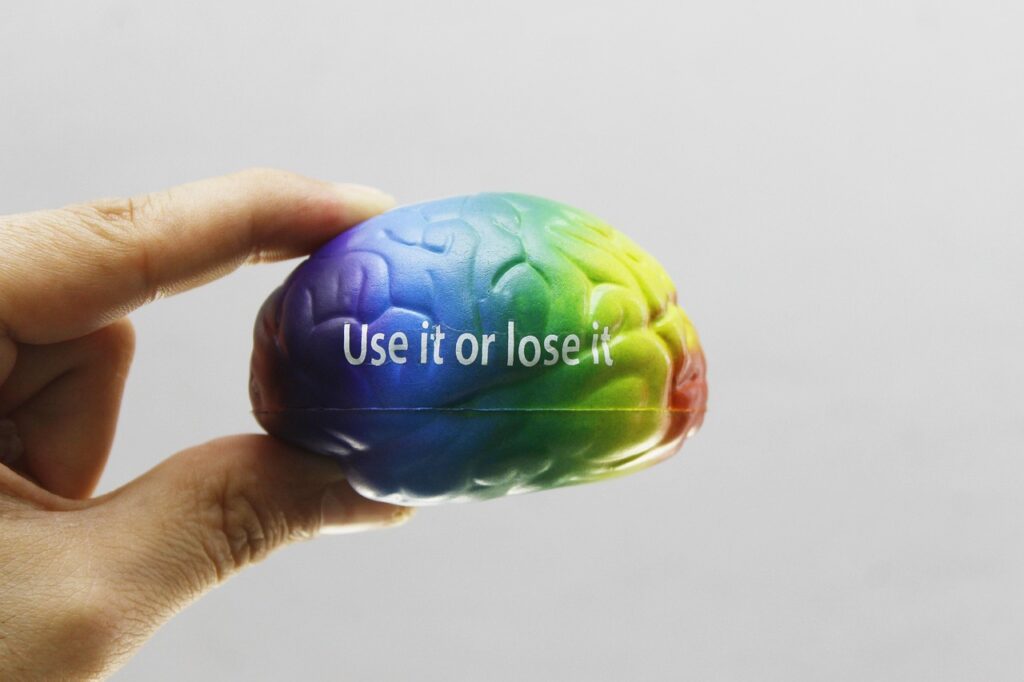
Dementia prevention is not only about living longer; it’s about living better. Women face unique risks, but they also have powerful tools to take charge of their brain health. Exercise, nutritious food, social connection, medical care, and avoiding harmful habits all add up to stronger memory and clearer thinking in the years ahead. The science is clear, but the choice to act rests with each woman. Small daily changes become lifelong protective habits when repeated over time. Preventing dementia begins with action today, and investing in your brain health is one of the best gifts for your future self.
Read More: Common Dementia Symptoms You Might Miss, And What to Do Next