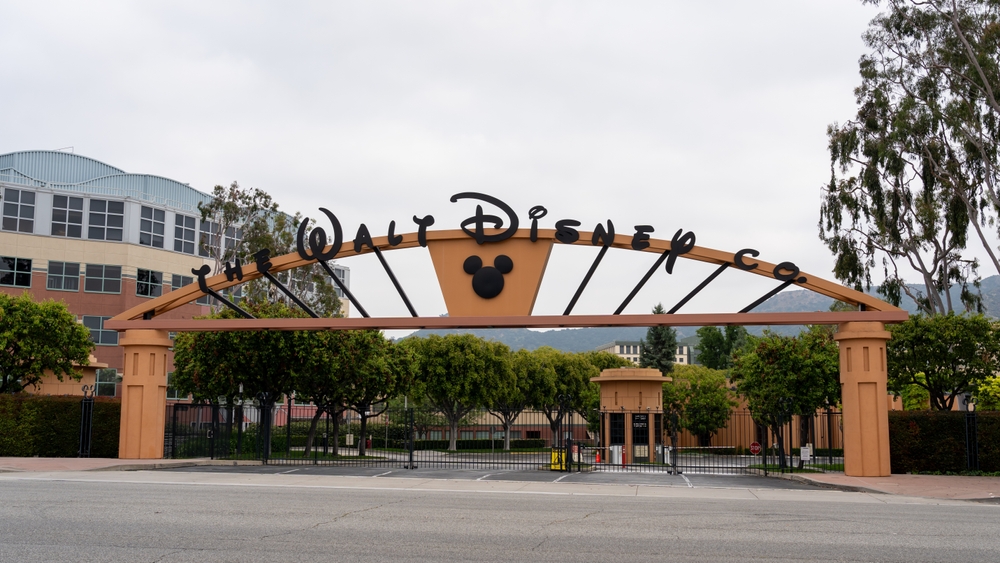
It Can Now Cost $1,000 To Take A Family To Disney – Here’s a Hack to Go for a Fraction of That
Picture this: you’ve been promising the kids a Disney trip for two years. You’ve saved up, mapped out the dates, started mentally rehearsing the look on their faces when they see the castle. Then you sit down to actually price it out – and the total on your screen makes you blink twice.
You’re not bad at math. Disney vacations have just gotten genuinely, verifiably expensive. And families across the country are doing the same double-take right now, wondering whether the dream trip they planned is still the affordable celebration it used to be – or something else entirely.
What’s happening to the cost of a family Disney park visit in 2026 is worth understanding clearly, with real numbers. Because there’s also a part of this story that’s getting less attention: another Disney park, in another country, where the same brand of magic runs for a fraction of the price.
How Much Does a Family Disney Trip Cost in 2026?
The short answer to the question of how much a family of 4 spends at Disney World is: more than most people expect, even if they think they already know it’s expensive. In 2026, Walt Disney World ticket prices start at $119 per person and can reach $209 per person for a one-park, one-day ticket, depending on the date and park. But that base ticket is only where the math begins.
The 2026 Disney vacation cost story isn’t defined by one major price hike – it’s defined by several smaller ones hitting all at once. Individually they don’t seem dramatic, but when you combine tickets, hotels, Lightning Lane access, and food, the total cost of a typical Disney World vacation has quietly climbed by around 15% compared to just a year or two ago.
The add-ons are where families get caught off-guard. The cost of skipping the lines has gone up again in 2026. Magic Kingdom’s Lightning Lane Multi Pass now reaches up to $45 per person during peak times, meaning a family of four is spending around $180 per day just for access to shorter wait times on select attractions. That’s before a single churro, souvenir, or character meal. Parking at Walt Disney World has risen to $35 for standard lots, with preferred spots running $50 to $60. There’s also a factor that catches families off guard every year: once a child turns 10, Disney considers them an adult for dining purposes, and that shift alone can add hundreds of dollars to a trip.
When you add it all up – multi-day tickets for a family of four, hotel, dining, Lightning Lane passes, and parking – a baseline Disney World vacation for a family of four runs approximately $7,422 in 2026. Budget-focused travelers who choose off-peak dates, value resorts, and fewer park days can bring that number down. But for many families, even a single-day local visit to Disneyland in California crosses the $1,000 threshold once you factor in tickets for four, parking, a meal, and a few basics.
The Disney World Ticket Price Pattern That Keeps Repeating
Disney’s pricing structure has become a moving target, and understanding how it works helps you plan more honestly. Prices are “dynamic,” so busy dates like holidays and spring break trend toward the top end of each range, while off-peak weekdays tend toward the bottom. The challenge is that Disney doesn’t always announce changes in advance. Disney often doesn’t pre-announce increases – prices just update overnight, and October and February are frequent change windows.
Cumulative Disney ticket increases have reached nearly 40% since 2019, with some multi-day tickets seeing the biggest jumps – going up by over $100 per ticket. That’s a meaningful shift for any family on a fixed vacation budget. Families who used to visit yearly now only plan trips every other year or less, and those who still go every year are finding ways to cut expenses, whether it means fewer meals out or spending more time at the resort and less in the parks.
The financial context around this matters too. A February 2026 ABC News/Washington Post/Ipsos poll found that 74% of Americans say a new car is unaffordable for their household, 60% say a weeklong vacation is unaffordable, and 56% say health care is unaffordable. A Disney World vacation – the multi-day, full-experience kind – sits squarely in that category for a significant portion of middle-income families. Disney’s financial stability increasingly hinges on guests who can afford premium experiences, leaving middle-income families with fewer incentives and options.
Is Tokyo Disneyland Cheaper Than Disney World? The Numbers Say Yes
For families considering alternatives, the Disney World vs Tokyo Disneyland price comparison is a striking one. Tokyo Disneyland is operated not by Disney directly but by Oriental Land Company under a licensing agreement, and that ownership structure produces a very different pricing model. Tokyo Disney Resort single-day tickets for either of the parks currently cost between 7,900 yen ($55) and 10,900 yen ($75) per adult.
Related Videos
Why Japan Disney parks cost families around $200 compared to US parks.
A four-day ticket package at Tokyo Disney Resort runs approximately $240, compared to $448 for four days at Disneyland Resort and $472 at Walt Disney World. For a family of four, that ticket gap alone is substantial. The math on a single day is similarly favorable: Tokyo Disney Resort tickets cost $51 to $70 per day with no multi-day discounts, versus Disney World’s $109 starting price that drops to about $70 per day for a seven-day pass.
The food cost comparison also favors Japan. Daily food averages $40 per person in Tokyo, compared to $60 at Disney World – and Tokyo Disneyland doesn’t charge for a line-skipping service equivalent to Lightning Lane, which adds $15 to $45 per person per day in Florida. Much of this price differential comes down to the current exchange rate. As of January 2026, the rate sits at approximately $0.64 to 100 yen – a favorable conversion for American travelers that has made Japan an exceptionally good-value destination right now.
That said, the Tokyo Disneyland cost calculation isn’t complete without accounting for airfare. Roundtrip flights from US cities to Tokyo average $500 to $1,200 per person in 2026, while Orlando flights stay under $300. For families on the East Coast, that difference in flights often closes or reverses the overall savings. Families on the West Coast, however, have a shorter flight to Tokyo – roughly similar in distance to flying to Florida – and the overall budget gap remains meaningful. The practical takeaway: for a West Coast family, a Tokyo Disneyland trip can genuinely beat Disney World pricing from start to finish. For East Coast families, the savings at the park gates are largely offset by transatlantic flights, but the experience itself is still considerably less expensive per park day once you’ve arrived.
What’s the Cheapest Disney Park to Visit?
The cheapest Disney park to visit among all the global options depends on how broadly you define “accessible.” Within the US, Disney’s Animal Kingdom remains the least expensive park to visit, with Magic Kingdom the most pricey. On off-peak weekdays, Animal Kingdom base tickets can sit at the lower end of the pricing range, making it the most budget-friendly single-day option on US soil.
Globally, Tokyo Disneyland offers surprisingly good value compared to Disney parks in the US – but that doesn’t mean it’s cheap across the board. A full-day visit can still add up, especially when buying tickets for a family, eating in the parks, and grabbing a few souvenirs. One important planning note: unlike Disneyland Paris or Walt Disney World, Tokyo Disney does not sell tickets at the gate. Ticket booths are closed, and on busy days entry is restricted to guests with pre-purchased tickets only. Book well in advance, particularly for peak travel periods.
Disney parks in Southeast Asia and Hong Kong also offer lower price points than US parks, though they’re naturally further from most American travelers’ starting points. The overarching answer is that if cost is your primary concern among affordable Disney park alternatives, Tokyo is currently the most compelling option for American families willing to make the international trip.
The Hidden Costs Most Families Miss
There’s a specific category of Disney spending that consistently surprises even veteran visitors: the costs that appear after you’ve already committed. At Disney World in 2026, adding a Park Hopper option to your ticket increases the overall cost, with Park Hopper adding roughly $198 to $264 total, depending on travel dates. That’s a significant line item that appears optional but feels essential once you’re planning a multi-day trip across four parks.
Then there’s the hotel factor. If tickets are creeping up, hotel costs are where things really start to accelerate. Disney resort rates have climbed in 2026, and value resorts like Disney’s Pop Century and the All-Star Resorts are still positioned as budget-friendly options, but even those are noticeably more expensive than they were just a year ago. Families choosing to stay off-property can save on accommodation, but lose the early park entry benefit and complimentary transportation that help a trip feel efficient.
One underrated cost-saving strategy: guests are allowed to bring their own food into the theme parks as long as it’s in a soft-sided cooler with no ice. This can save a significant amount across a vacation without sacrificing the in-park experience. Another is timing. The cheapest time to visit Disney World in 2026? Late August and early September typically offer the lowest ticket prices. Skipping peak weeks – spring break, Thanksgiving, the Christmas holiday run – keeps you at the lower end of the dynamic pricing range and off the busiest days simultaneously.
At Tokyo Disneyland, the comparable strategy is weekday visits. Tokyo Disneyland ticket prices vary depending on the day of the week, with weekends and national holidays being the most expensive, while weekdays are generally the least expensive. A family visiting on a Tuesday in shoulder season pays noticeably less than one arriving on a Saturday in peak summer.
What This Means for Your Family Theme Park Budget
The honest picture for families in 2026 is this: a Disney World vacation is not getting cheaper, and the gap between the sticker price and the real total has widened. Disney’s fiscal year 2025 numbers show that domestic theme park attendance in the United States continued a slow downward slide, with domestic parks seeing a 1% drop, and yet Disney is pulling in more money than ever. The model has shifted toward extracting more revenue from a smaller pool of visitors, which means the experience is being optimized for high spenders, not for the average family trying to stay within a reasonable vacation budget.
None of that makes the parks bad or unenjoyable. It just means going in with clear numbers is more important than ever. For families committed to the Disney experience, the best practical moves are: visit in late August or early September when pricing is at the year’s lowest, skip the Park Hopper upgrade if you can commit to one park per day, build a plan before purchasing Lightning Lane passes rather than assuming you’ll need them for every ride, and bring your own snacks and drinks in a soft-sided bag.
For families open to alternatives, the affordable Disney park alternatives don’t require giving up the brand entirely. Tokyo Disneyland delivers the full Disney aesthetic – the character meet-and-greets, the themed lands, the meticulous attention to storytelling – for dramatically less per park day than its American counterparts. If your family is already attracted to international travel, Japan’s broader affordability for US visitors right now makes it a compelling option. The flights aren’t trivial, but families on the West Coast in particular may find the total cost lands surprisingly close to – or below – a comparable Disney World trip when the park, hotel, and food costs are compared.
The $1,000-per-day family Disney park visit is real. So is the alternative. Knowing both gives you options your planning didn’t have before.
A.I. Disclaimer: This article was created with AI assistance and edited by a human for accuracy and clarity.