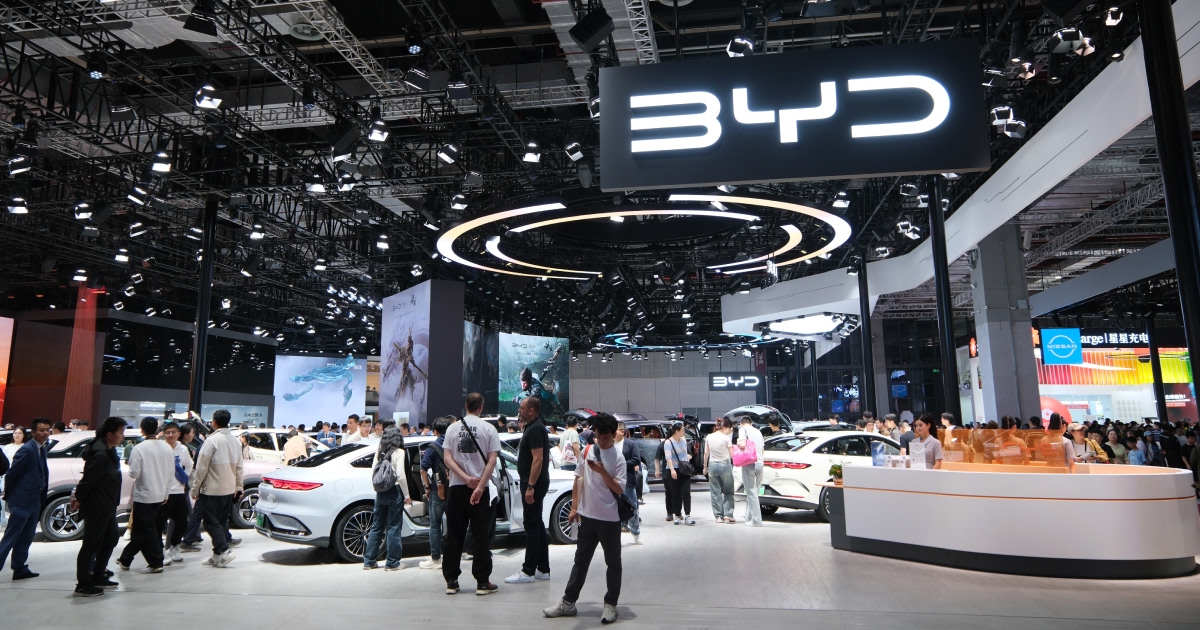

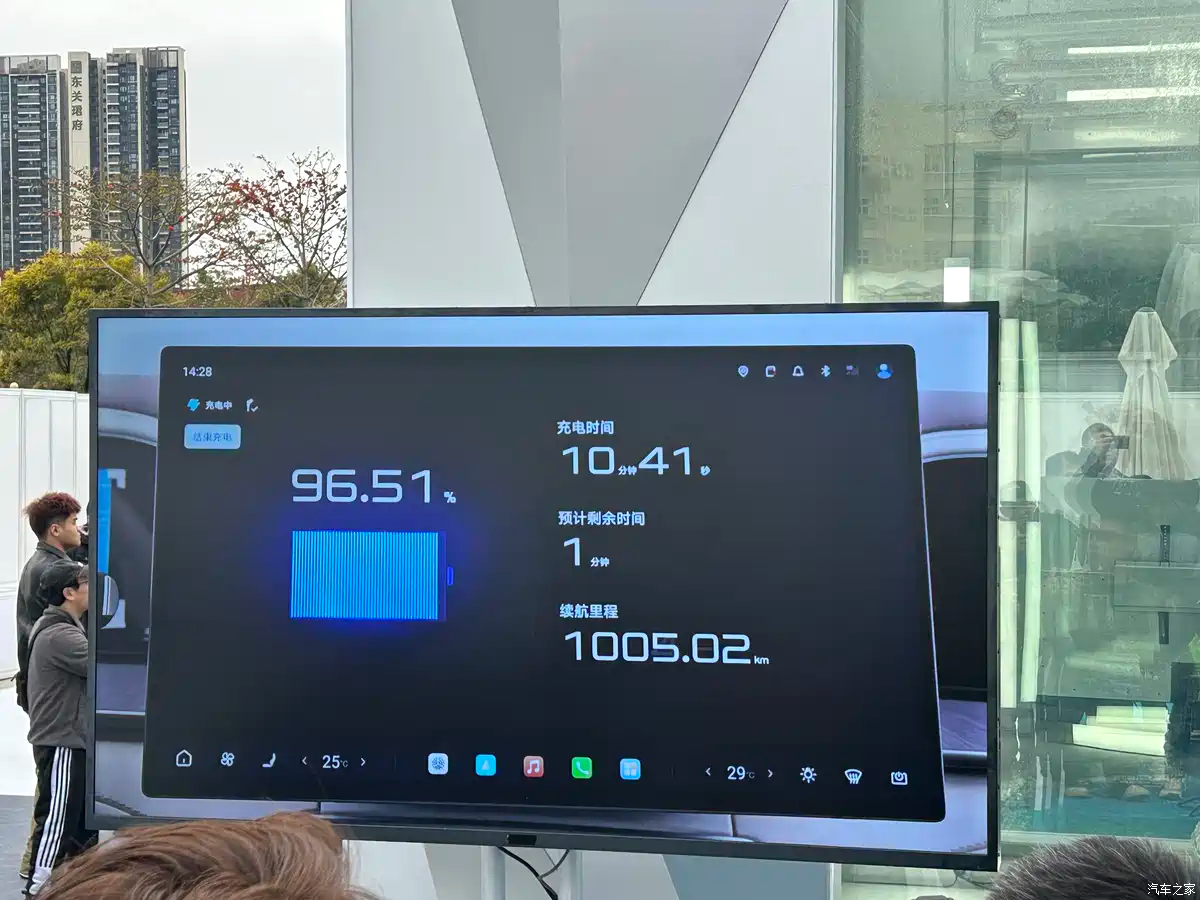
A car sat parked in a freeze chamber at -22 degrees Fahrenheit for 24 hours. When a charging cable was plugged in the next morning, it went from 20% battery to 97% in 12 minutes flat. Cold temperatures are the condition where EV batteries are supposed to fail – where charging slows to a crawl, range estimates collapse, and the argument for keeping a gas car starts to sound reasonable again.
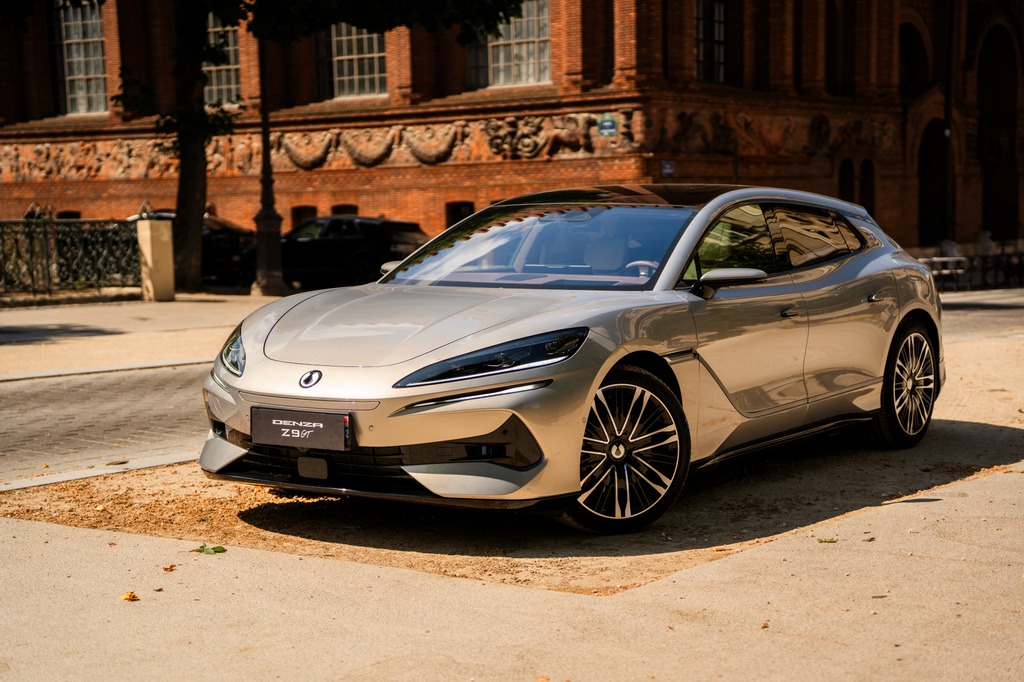
That demonstration involved BYD’s Denza Z9GT. Denza is a premium sub-EV brand from BYD. The company chose the coldest, worst-case scenario it could construct specifically to make a point about fast EV charging under conditions that defeat almost every other electric car on the road. The result was a nine-minute full charge under normal temperatures, and only three minutes more when the battery had been frozen overnight.
Two technologies make this possible together: a second-generation battery pack called Blade Battery 2.0 and a new charging system BYD calls Flash Charging. Each one is a meaningful advance on its own. Together, they produce charging numbers that nothing currently on sale in the US or Europe can match.
The Flash Charger pushes 1,500 kilowatts through a single cable
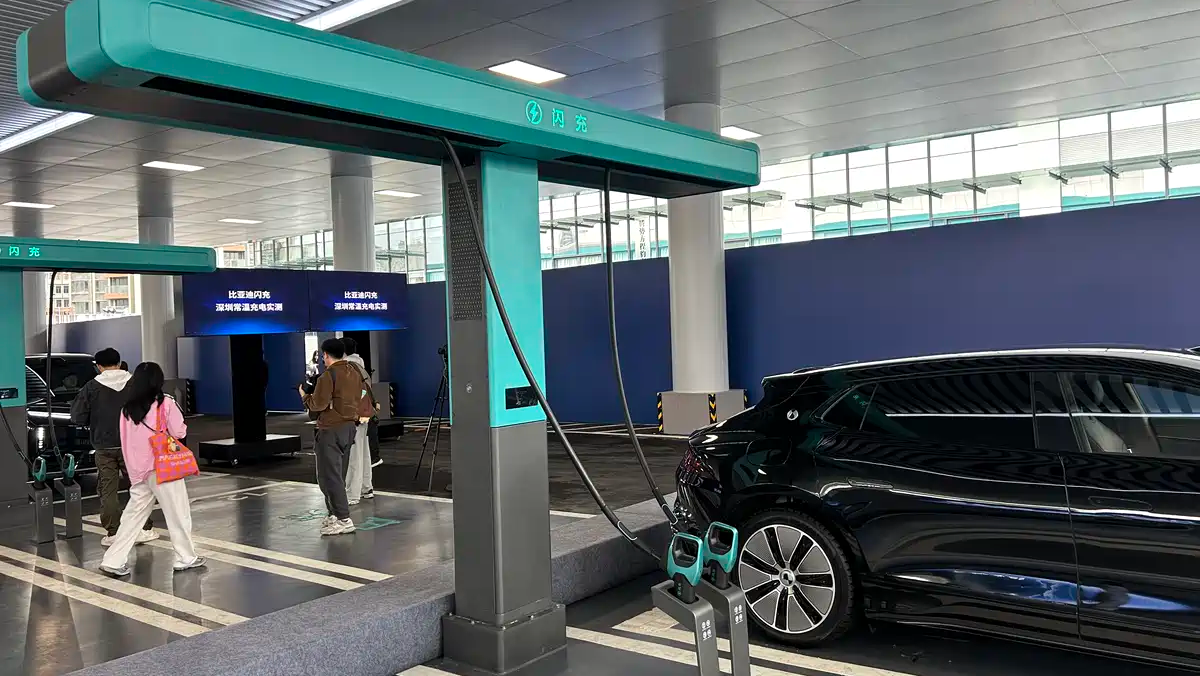
BYD’s Flash Charging system delivers up to 1,500 kilowatts through a single connector, achieving a 10% to 70% charge in five minutes and a 10% to 97% refill in nine minutes. To put that number in context, most DC fast chargers available today in the US and Europe top out at 150 to 350 kilowatts. Even the fastest widely available hardware on European highways runs at about 350 kilowatts.
The vast majority of EVs sold in Europe can only accept a maximum of 400 kilowatts of DC power, and Ionity, the region’s leading ultra-fast charging network, operates more than 5,000 chargers capable of delivering up to 350 kilowatts. BYD’s Flash Charging stations more than quadruple that ceiling.
BYD launched the second-generation Blade Battery alongside its Flash Charging technology on March 5, 2026, and announced plans to build 20,000 Flash charging stations in China by the end of 2026, with overseas rollout also targeted before year-end. The infrastructure build is already well underway. BYD confirmed the Z9GT would bring this charging capability to Europe when it launched at the Palais Garnier opera house in Paris on April 8.
The battery chemistry is the real breakthrough
The speed of Flash Charging doesn’t work without a battery that can physically accept electrons that fast. Most lithium-ion batteries would degrade rapidly, or worse, overheat, if you tried to push 1,500 kilowatts into them. BYD’s solution is rooted in the chemistry of the cell itself.
The Blade Battery 2.0 uses lithium iron phosphate (LFP) chemistry, a formulation known for its thermal stability and long cycle life. Traditional LFP batteries trade some energy density for that safety advantage, but BYD’s second generation addresses this directly. The flagship Z9GT carries a 122 kWh Blade Battery 2.0 pack, good for up to 800 kilometers in the rear-wheel-drive configuration.
What makes the 2.0 version faster-charging is its 10C rating, a measure of how quickly a battery can be charged relative to its total capacity. The system relies on improved ion transport within the cell to increase both energy density and charging speed across a wider temperature range, which is why it maintains performance at extreme cold. BYD’s second-generation Blade Battery is the foundation that makes the Flash Charging speeds possible.
The battery also improves on longevity. Capacity degradation over the life of the pack is reduced compared to the first-generation Blade Battery – a practical concern for anyone who plans to own an electric car for five or more years and worries about losing range over time.
The 97% cutoff is intentional — and clever
One detail about the Z9GT’s charging behavior puzzled some observers: the car stops at 97%, not 100%. BYD’s approach to ending the charging process at 97% is a deliberate design decision. According to Electrive, BYD Chairman Wang Chuanfu confirmed that stopping at 97% is “a deliberate energy-saving measure” to preserve battery headroom for regenerative braking. If the battery is completely full, any energy recovered when the driver lifts off the accelerator or applies the brakes has nowhere to go – the regenerative braking system is effectively disabled until the pack drops below 100%. By stopping at 97%, the car always has room to capture that recovered energy from the moment the driver pulls out of the charging station.
It’s a small margin with a real practical payoff. On a spirited drive after a fast charge, the driver gets full regenerative braking from the first corner – and the brake discs see less wear because more of the vehicle’s kinetic energy is being harvested rather than converted to heat.
This design choice also reflects a broader philosophy in the Blade Battery 2.0’s engineering: optimize the system for real-world use, not spec-sheet numbers. A 97% charge that takes nine minutes is more useful on a road trip than a 100% charge that takes twelve.
The cold-weather fast EV charging test sets it apart from the competition

The freeze test was the most striking proof of concept BYD ran in 2026. Cold weather is where EV charging universally suffers. Lithium ions move more slowly through a cold electrolyte, which forces most charging systems to reduce power input dramatically – sometimes to as little as 20 to 30 kilowatts – until the battery warms up. The result can turn a 30-minute charge into a 60-minute wait on a winter road trip.
Even at -30°C (-22°F), BYD’s Flash Charging delivers a 20% to 97% charge in just 12 minutes – according to both BYD’s official statement and an independent test documented by InsideEVs, where a Denza Z9GT was frozen at that temperature for 24 hours before being plugged in. The car’s state of charge went from 20% to 97% in exactly 12 minutes, with the range meter reading close to 626 miles.
The improved ion transport in the second-generation Blade Battery is the mechanism that allows charging to continue at high speeds even when the pack is frozen – a capability conventional battery architectures don’t match. For drivers in Canada, Scandinavia, or anywhere a January morning means sub-zero temperatures, this is the single most relevant performance claim in the entire spec sheet.
How it compares to the fastest charging EVs in the West
Fast ev charging has been advancing across the industry, not just at BYD. The 2027 Mercedes-AMG GT electric, for example, accepts up to 600 kilowatts from a DC charger. InsideEVs notes that Mercedes-AMG’s latest electric GT goes from 10% to 80% in 11 minutes in ideal conditions – an impressive figure for a Western luxury car. The BYD Flash system’s advantage becomes clearer when you note that the Mercedes reaches 80% in 11 minutes, while the Denza Z9GT reaches 97% in nine minutes – a higher state of charge in less time.
The Denza Z9GT, priced at 115,000 euros in Europe – more than a Porsche Taycan – can recharge from 10% to 80% in six and a half minutes and hit 97% in under 10 minutes. The Lucid Gravity Touring, often cited as the benchmark for US charging speed, took 12 minutes to reach 50% in an independent test.
Range backs up the charging numbers. The Denza Z9S sedan, a sibling model using the same Blade Battery 2.0 platform, is rated at up to 683 miles on a full charge – though that figure is based on China’s CLTC test cycle, which favors lower urban speeds over highway cruising, according to InsideEVs’ 2026 coverage. A realistic EPA-equivalent figure would be closer to 480 miles – still competitive with any long-range EV currently sold in the US.
The infrastructure question still has to be answered
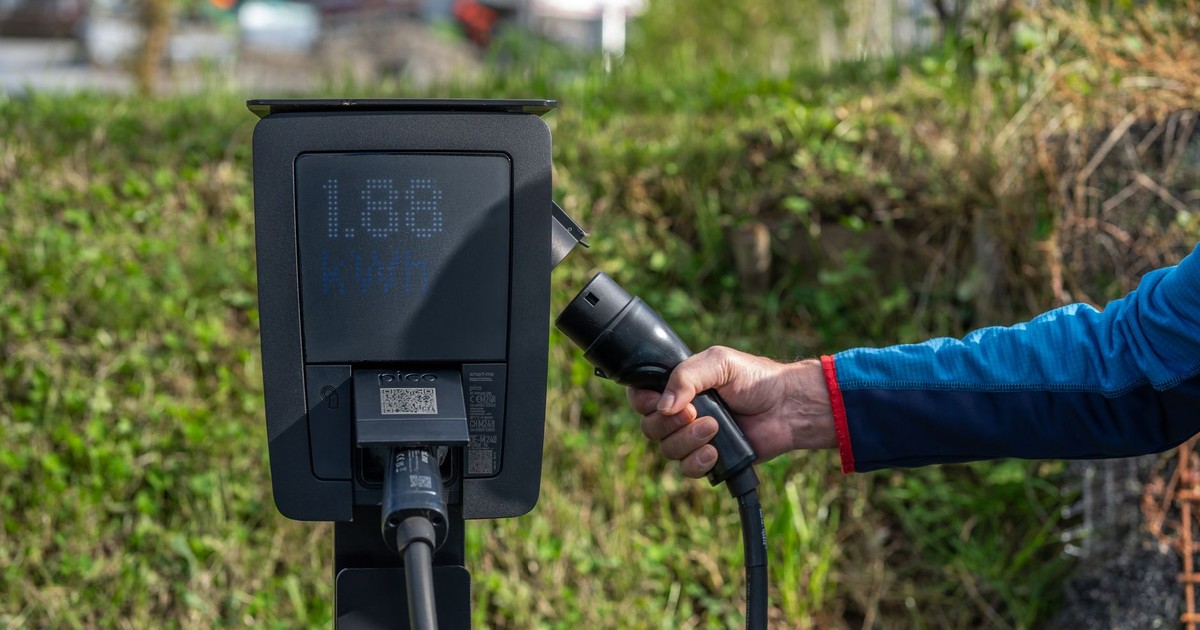
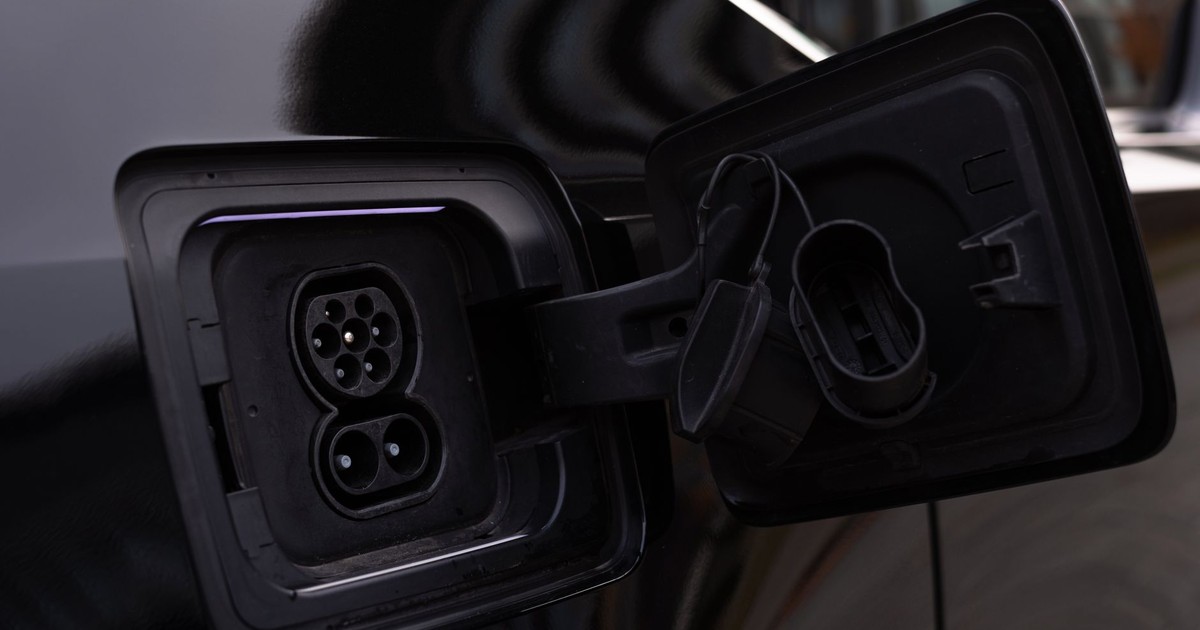
A 1,500-kilowatt charger is only useful if you can actually find one. BYD plans to have 20,000 Flash charging stations operating in China by the end of 2026, and has confirmed it will bring the network to overseas markets before year-end. In China, the 1,500 kW output is achieved using two charging cables simultaneously under the GB/T national standard, while European vehicles use the CCS2 connector – meaning the European maximum may land closer to 1,000 kW per vehicle.
Most EVs currently sold in Europe can only accept 400 kW, meaning BYD’s initial European Flash Charging infrastructure would have a single compatible vehicle: the Z9GT itself. That’s a real limitation in the near term. BYD is essentially building infrastructure for a car it also makes, and the chicken-and-egg problem of fast charging networks – you need cars to justify chargers, and chargers to sell cars – applies here as much as anywhere.
The trajectory, though, is clear. BYD’s overseas sales surpassed 1 million units for the first time in 2025, with the company subsequently raising its 2026 target to 1.5 million, according to GlobalChinaEV. As more Flash-capable models roll out across BYD’s sub-brands, the case for building the supporting network strengthens. The Z9GT is the proof of concept. The network buildout is the follow-through.
Read More: Does Driving an Electric Car Actually Save You Money?
What to do with this information now
Flash charging stations outside China are still rare in 2026, and the Denza Z9GT starts at €115,000 in Europe – well above the reach of most buyers. That’s the honest constraint. But the Z9GT and its 10C Blade Battery 2.0 platform are setting the performance floor that BYD’s cheaper models will eventually meet. The same engineering that produced a nine-minute charge in a €115,000 GT will migrate to a €35,000 hatchback in the same way that radar cruise control went from S-Class to Corolla.
If you’re shopping for an EV in the next two to three years, use these numbers as a practical checklist. Ask whether a prospective car can charge above 200 kW, whether its cold-weather charging speed is published, and whether the charging network for that car is already built out where you live and drive. Nine minutes from 10% to 97% at room temperature and 12 minutes from a frozen start are now documented, independently verified benchmarks. Any charging claim that doesn’t specify temperature and state-of-charge endpoint is giving you an incomplete number.
AI Disclaimer: This article was created with the assistance of AI tools and reviewed by a human editor.
Read More: Stanford Research Gives Warning About Charging Electric Vehicles at Home Overnight