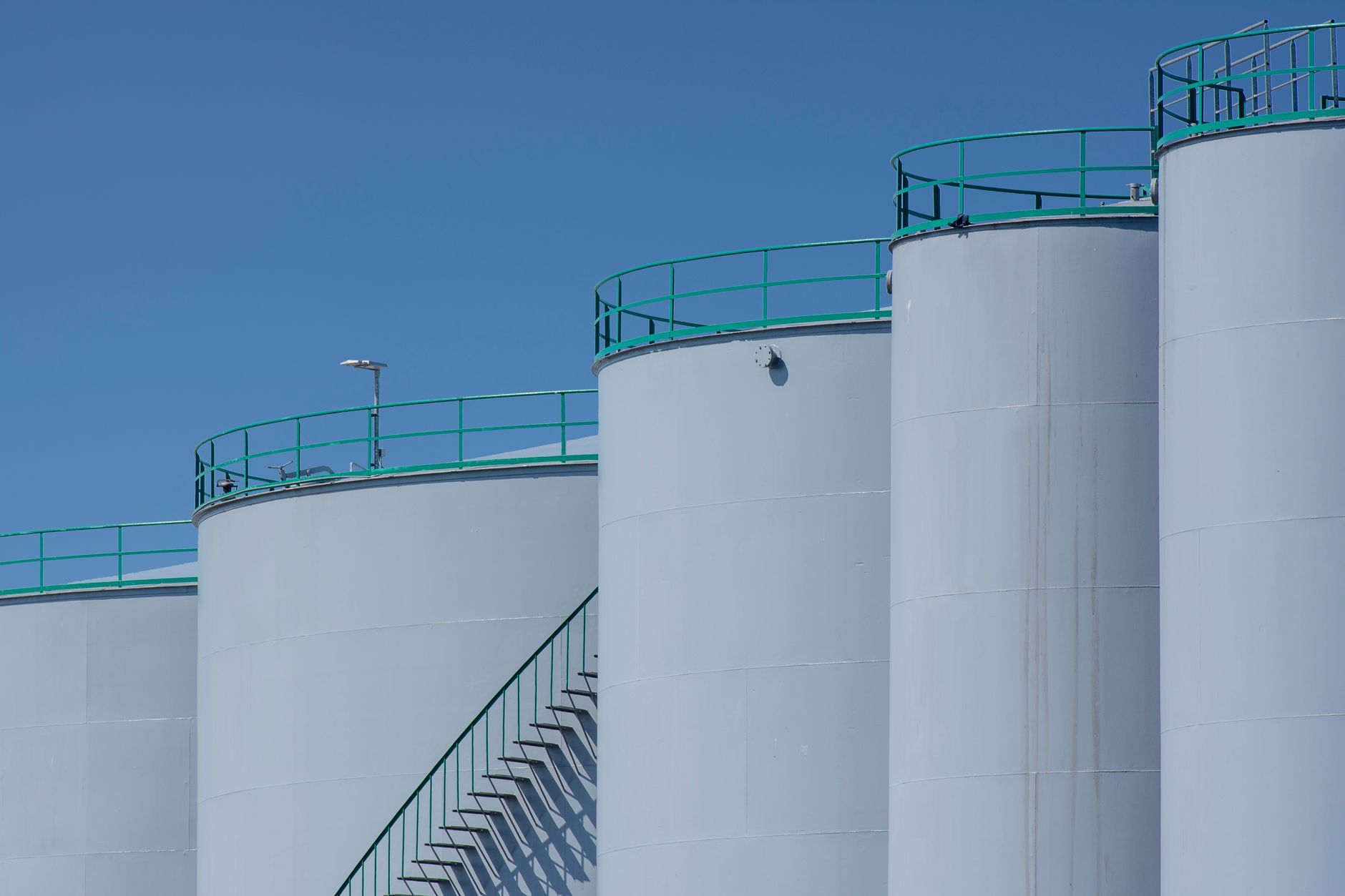

Something rare and deeply unsettling is unfolding right now in suburban Southern California. Tens of thousands of families were told to pack up and leave, with no clear answer about when, or even whether, they could come back. The cause wasn’t a wildfire. It wasn’t an earthquake. It was a single industrial tank, sitting inside a quietly operating aerospace factory in an ordinary neighborhood, slowly becoming one of the most dangerous objects in the state.
The crisis didn’t arrive with fanfare. It started with an industrial call, a routine enough beginning for what would turn into a multi-day emergency that has prompted a governor’s declaration, mass school closures, and an admission from fire officials that they have essentially run out of good options.
What’s happening in Garden Grove, California, is being called unprecedented by the very officials managing it. And the more details emerge, the clearer it becomes that this is the kind of event that forces a hard look at what sits quietly inside our communities, and what happens when industrial chemistry goes catastrophically wrong.
How It Started
Crews arrived Thursday afternoon at the GKN Aerospace facility on Western Avenue in Garden Grove after receiving a hazardous materials call just before 3:40 p.m. The chemical in the industrial tank initially stayed at the same temperature, but about four hours after firefighters arrived, the temperature rose, causing a relief valve and sprinkler system to activate near the tank.
A storage tank holding between 6,000 and 7,000 gallons of methyl methacrylate overheated Thursday and began venting vapors into the air at an aerospace plastics facility in Garden Grove, a city in Orange County, according to NBC Los Angeles. Evacuations were briefly lifted overnight, then reissued Friday morning and later expanded in the afternoon as the situation worsened.
Orange County Fire Authority Division Chief Craig Covey stated that a faulty valve on the tank blocked emergency crews from accessing, off-loading, or introducing a neutralizing stabilizer into the chemical material. That detail matters enormously. The standard responses, the ones that might stop a chemical runaway under normal circumstances, were off the table from early in the crisis.
“Two Options Left”
By Friday afternoon, officials stopped hedging. The situation had escalated significantly overnight, and crews had been unable to fully stabilize the overheating 34,000-gallon tank. Division Chief Craig Covey told reporters at a Friday afternoon press conference: “This is not precautionary… this thing is gonna fail, and we don’t know when.”
OCFA Division Chief Covey said in a video statement: “This morning we have determined that the tank that is in the biggest crisis is, in fact, unable to be secured.” He described two options remaining: the tank fails and spills between 6,000 and 7,000 gallons of chemicals into the surrounding area, or “the tank goes into a thermal runaway and blows up, affecting the tanks around it that have chemicals in them as well.”
A fire captain warned: “The tank could crack and start spilling out all that 7,000 gallons of chemical, or there could be a catastrophic explosion and the other two tanks would be affected as well.” That secondary explosion risk, the possibility of neighboring chemical tanks being caught up in a chain reaction, is what pushed officials to expand the evacuation zone far beyond the immediate block.
Public safety officials called the situation “significant” and “unprecedented” and urged people in the area to leave immediately at a press conference on Friday afternoon. No answer was given for how long evacuations would remain in place.
The Scale of the Evacuation
More than 44,000 people remained evacuated in multiple Southern California cities on Saturday after officials warned a leaking toxic chemical tank at an Orange County aerospace facility would inevitably fail and potentially explode. Earlier, the Orange County Fire Authority told CNN 79,000 residents were impacted.
Mandatory evacuation orders were issued for around 40,000 people in Garden Grove, California, and surrounding cities, including parts of Anaheim, Stanton, and Westminster, amid the critical situation at the GKN Aerospace facility. Evacuation orders were initially issued to those in the 9-square-mile area around the facility, but the evacuation zone was expanded after experts evaluated the volatile situation.
The human cost has been immediate. Over a dozen schools have temporarily closed, and those adjacent to the evacuation area canceled outdoor activities “out of an abundance of caution,” the Garden Grove Unified School District said. Evacuation centers have been established across Garden Grove, Cypress, Stanton City Hall, Anaheim, and Buena Park.
The industrial site where the tank is located is about 5 miles from Disneyland and about 4 miles from Knott’s Berry Farm. Both major theme parks said they were monitoring the situation closely. A voting center in Garden Grove and a number of ballot boxes were also closed on Saturday, with those displaced encouraged to use any of the 38 other voting centers in the county ahead of the June 2 primary election.
What Is Methyl Methacrylate?
Most people have never heard the name methyl methacrylate. Many of them live within a few miles of a facility that uses it. The 7,000-gallon tank contains methyl methacrylate, a toxic chemical used to manufacture resins and plastics, including Plexiglas.
The Garden Grove operation specifically manufactures acrylic plastics, aircraft windows and canopies used in aerospace systems. The chemical is described as highly volatile and highly flammable. What makes it particularly dangerous in a situation like this isn’t just its toxicity, but its chemistry. USC Assistant Professor of Chemistry Elias Picazo explained: “In an uncontrolled environment with a leak, you can potentially have a lot in the atmosphere, and any flash or spark or even temperature can cause what is known as a runaway reaction. When you begin the polymerization, it’s exothermic, meaning that the reaction releases heat… Heat initiates the reaction, but the reaction releases heat, and so you get what we call ‘runaway,’ where it’s uncontrolled. It can lead to fires, explosions, where pressure really builds up very quickly.”
In plain terms: once methyl methacrylate starts generating its own heat, it can become self-sustaining and uncontrollable. The only real solution is to prevent that reaction from starting. Once it starts, stopping it becomes extraordinarily difficult. The chemical is also heavier than air, so its vapor would settle and sink, meaning any release would pool in low-lying areas, near the ground where people breathe.
The Health Risks of Exposure
For residents who live near the facility or who might re-enter before the situation is fully resolved, understanding the health risks is not an academic exercise.
Short-term exposure to the chemical can cause skin and eye irritation, as well as breathing problems, according to the EPA. Orange County Health Officer Dr. Regina Chinsio-Kwong said in a video update Friday evening that an explosion could cause the chemical to be released as a vapor which, if inhaled, could cause “severe respiratory issues.” Other symptoms include a sore throat, runny nose, itchy and burning eyes, and potentially nausea and headache.
The longer-term picture is concerning too. According to EPA toxicology data, chronic inhalation of high levels of methyl methacrylate has resulted in degenerative and necrotic changes in the liver, kidney, brain, spleen, and bone marrow. Respiratory effects have been reported in humans following both acute and chronic inhalation exposures, with symptoms including chest tightness, dyspnea, coughing, wheezing, and reduced peak flow.
Acute inhalation exposure is also linked to headaches and lightheadedness, while prolonged or repeated exposure can damage organs such as the lungs and kidneys. Anyone who believes they have been exposed should contact emergency medical services and follow official guidance. If you smell a strong fruity odor, know that officials said that alone doesn’t confirm dangerous exposure levels, but leave the area anyway and seek guidance. Understanding how chemical exposures can silently affect your respiratory system makes clear why following evacuation orders isn’t optional in a situation like this.
The Rising Temperature and Race for Solutions
What turned a serious incident into an emergency declaration was the overnight discovery that cooling efforts weren’t working as hoped. Orange County Fire Authority incident commander Craig Covey said firefighters and chemical experts made a risky overnight attempt to stabilize the situation, sending crews close enough to inspect the tank directly. What they found was troubling: the tank’s internal temperature had climbed from 77 degrees to 90 degrees overnight and was continuing to rise by roughly 1 degree per hour.
He had previously said the chemical’s “happy place” is at 50 degrees, making a temperature in the 90s and climbing a deeply worrying sign. Aerial footage on Saturday morning showed unmanned fire hoses and an automatic sprinkler system spraying water on the overheated tank, which is facing a potential catastrophic failure.
Crews are simultaneously preparing for three scenarios: the tank rupturing and spilling toxic chemicals, the tank exploding, or a slower “curing” process in which heavy water cooling could reduce pressure buildup enough to prevent a disastrous explosion. Officials now believe the water may be helping slow the “curing” process, comparing it to an ice cube freezing from the outside inward. Officials said it gets hard from the outside first, and inside there is still liquid until it completely “ices over,” which is what they are hoping will happen, but warned the process may not succeed.
Firefighters also attempted overnight to neutralize an additional 15,000-gallon tank nearby to reduce the overall risk at the site. Emergency crews have already built sand berms and storm-drain protections around the facility in preparation for a possible tank rupture. Covey said firefighters are also developing contingency plans for a possible environmental disaster if the tank spills, including efforts to divert the chemical away from storm drains, river channels, and ultimately the ocean.
GKN Aerospace and the Question of Accountability
Until this week, most Southern California residents had never heard of GKN Aerospace, despite the company being one of the world’s largest aerospace suppliers. Now the company sits at the center of one of the region’s largest recent hazmat emergencies. According to ABC7, GKN Aerospace builds engines, landing gear, and aircraft transparencies for both commercial and military aircraft, including F-35 canopies and Boeing 787 Dreamliner windows.
U.S. Representative Derek Tran, who represents California’s 45th Congressional District covering Garden Grove, said on Friday he had spoken to GKN Aerospace leadership and urged the company “to take full responsibility for the panic and disruption that tens of thousands of residents are currently experiencing.”
Tran said he was also in contact with federal disaster relief officials, including FEMA and the EPA, urging them to provide available federal assistance for Garden Grove. What initially caused the chemical inside the GKN Aerospace tank to overheat remains unclear. The incident has raised broader questions about industrial chemical storage, aerospace manufacturing oversight, and how hazardous operations coexist alongside residential neighborhoods. Federal occupational safety records show the Garden Grove facility has previously been the subject of OSHA inspections and worker complaints dating back years. The cause of the leak remains under investigation. No injuries have been reported.
A State of Emergency on Memorial Day Weekend
California Gov. Gavin Newsom declared a state of emergency in Orange County on Saturday as officials desperately searched for a safe resolution to the leaking toxic chemical tank at the aerospace facility. The proclamation directed the California Governor’s Office of Emergency Services and all state government agencies to support Orange County and impacted local jurisdictions in addressing the emergency.
It also unlocks additional emergency response resources and authorities, including making state-owned properties and fairgrounds available to provide shelter for the thousands of families who have been displaced. Garden Grove sits next to Anaheim, home to Disneyland’s two theme parks, which were not under evacuation orders as the Memorial Day weekend got underway.
Thousands of Southern California residents have also refused to obey evacuation orders, a predictable but troubling complication in any mass emergency. Officials have been firm: this is not a precaution. The tank is described as actively failing. On Friday night, OCFA told residents not to call the emergency number to propose solutions. “We understand this is a unique hazmat incident and appreciate the public’s concern and willingness to help. Please know that subject matter experts are working around the clock to mitigate the emergency safely and effectively,” the agency posted.
What This Means for You
If you or someone you know is in the affected area of Garden Grove, Anaheim, Stanton, or Westminster, the guidance from every level of government is the same: follow the mandatory evacuation orders and do not return home until officials give the formal all-clear. The situation remains active and unresolved as of Saturday, May 23, 2026.
Do not rely on the absence of a smell or visible smoke as a sign that it’s safe. Dr. Chinsio-Kwong noted that methyl methacrylate has a strong fruity odor, but smelling it doesn’t necessarily mean health impacts will follow. The reverse is equally true: the absence of a smell is not confirmation that the air is clean. Officials have specifically warned residents against using their own senses to judge whether the situation has passed.
A 24-hour emergency hotline has been established: Garden Grove at 714-741-5444 and Orange County Public Information at 714-628-7085. All Planet Fitness locations in Orange County are also open to evacuees and first responders with no membership needed, offering access to locker rooms, showers, and a place to rest with electrical outlets and Wi-Fi. Certain hotels in Anaheim are offering special rates to people displaced by the incident.
This story is still developing. The tank has not been resolved, and officials continue to search for a third option that avoids both catastrophic outcomes. The single most important action any affected resident can take right now is to stay out of the evacuation zone and monitor updates from the Orange County Fire Authority until an official all-clear is issued. In a situation this unpredictable, patience isn’t just a virtue. It may be the only safe move available.
A.I. Disclaimer: This article was created with AI assistance and edited by a human for accuracy and clarity.
Read More: The Dry Cleaning Chemical That Could Be Damaging Your Liver