
Many people easily recognise mint for its fragrant and refreshing flavor. Known particularly for its cooling effect when consumed, it is a popular ingredient in culinary dishes and beverages globally. Mint is a general group term for over a dozen plant species belonging to the genus Mentha. These include peppermint, which is widely used in desserts and other culinary dishes, and spearmint, used in lozenges.
Mints applications extend beyond adding robust flavor to dishes. For years, mint has been hailed for its health benefits. From teas to soothe indigestion to aromatherapy oils to alleviate stress and muscle pain, the health benefits of mint are extensive. Mint is rich in nutrients and a potent source of antioxidants, helping protect your body against cell damage. It is also a good source for vitamin A, which is crucial for eye-health.
While very robust in flavor and often difficult to consume in large quantities, mint is nutrient-dense. However, there are various ways to consume mint to benefit from its properties. Mint is usually consumed orally, either prepared as tea, as raw leaves or medicinal drops. Some research has suggested that mint applied topically on the skin and aromatherapy oils purport several health benefits.
More Than Just a Refreshing Herb
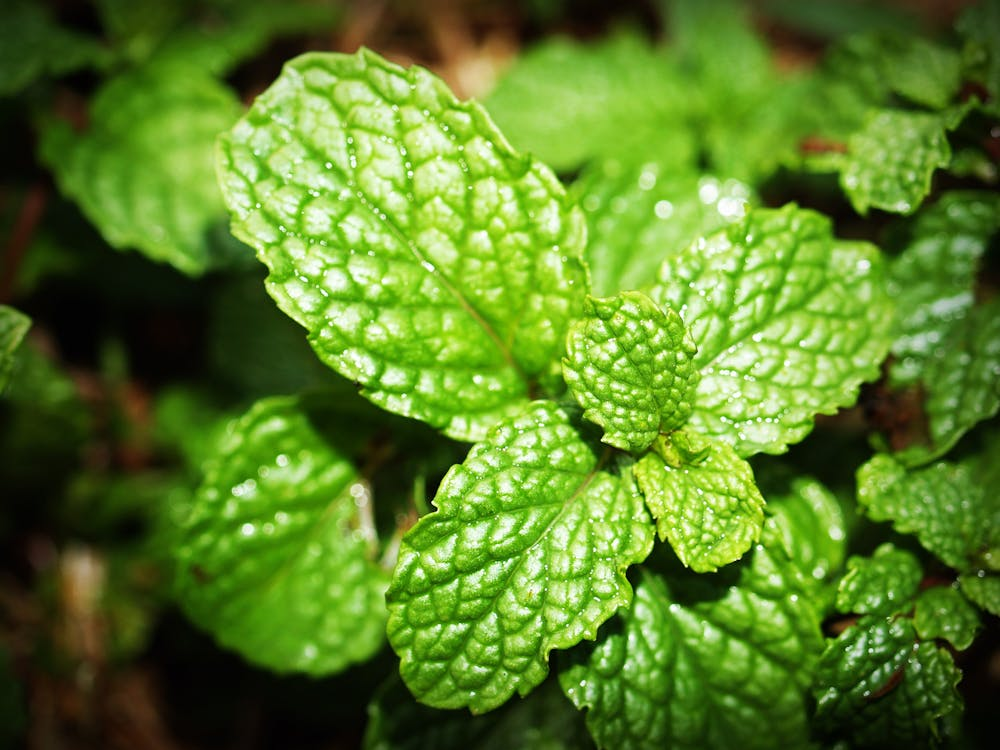
Mint’s health benefits are wide-ranging, from supporting digestion and cognitive function to promoting oral health and immune resilience. Whether enjoyed fresh, as a tea, or in supplement form, mint is a versatile herb that can enhance both flavor and well-being. Here are a few of the many health benefits that mint supports.