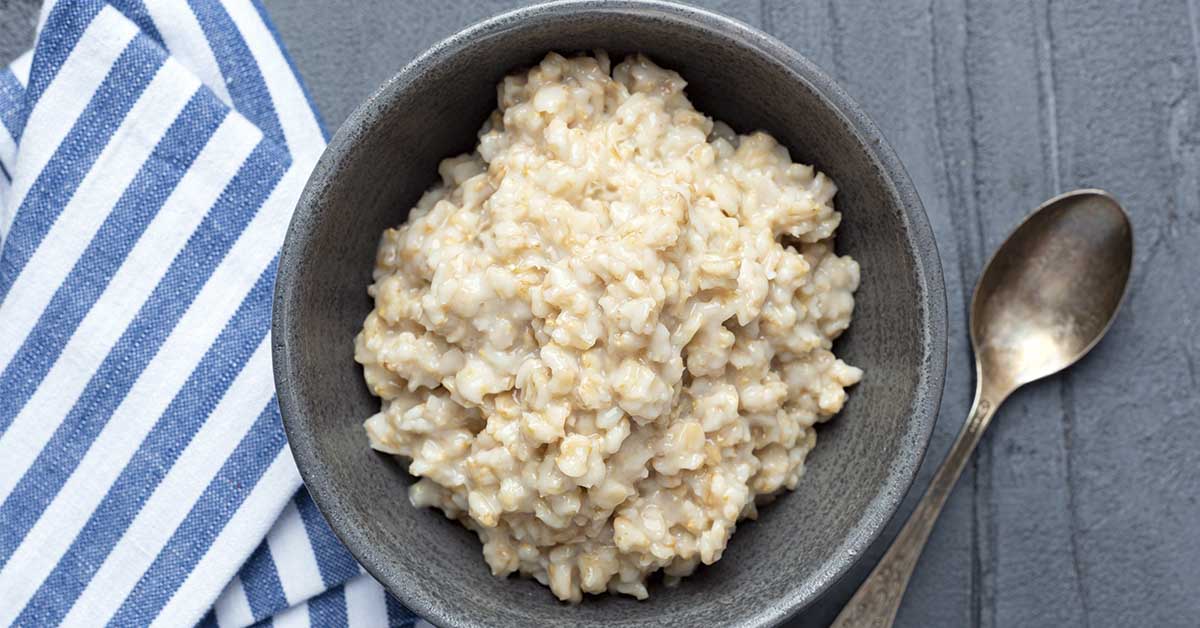

Most people eat oatmeal without thinking about what it does inside their bodies. It satisfies you and tastes familiar. The surrounding conversation usually ends there. New research from one of Europe’s top research institutions has completely altered that. The findings point to something much more powerful than most people realize.
A surprising finding from University of Bonn researchers in Germany has caught the attention of even veteran nutritionists: consuming oatmeal for just 2 days led to a clinically significant reduction in harmful cholesterol. This was not a small or fleeting benefit; the positive effects endured for as long as 6 weeks after participants concluded the diet. Experts consider such lasting durability from a brief 2-day dietary change exceptional.
A study published in Nature Communications in January of this year confirmed the unique health benefits of oats for managing cardiovascular risk. The research involved a randomized controlled dietary intervention that compared an oat-based eating plan with a calorie-controlled diet that excluded oats. The study indicated that oats provide cardiovascular benefits that caloric restriction alone cannot achieve, an important distinction for managing heart health through diet.
All the participants suffered from metabolic syndrome. This group of conditions affects about one-third of all adults worldwide. It involves excessive body weight, high blood pressure, elevated blood sugar, and abnormal cholesterol levels. People with metabolic syndrome are at a significantly higher risk of developing heart disease, stroke, and type 2 diabetes.
Neither of the 32 participants had diabetes at the time of the trial. However, all of them had multiple risk factors pointing to that outcome. Their initial health status made them ideal for testing short-term dietary changes. The researchers wanted to know if brief interventions could influence meaningful metabolic markers. The oatmeal results surpassed the research team’s initial expectations.
Contrary to what some may say, the findings bolster oatmeal’s reputation as one of the healthiest breakfast foods available. They pose an important question for anyone seeking to improve cardiovascular health solely through diet. According to German scientists, the answer could start with a bowl of oats and little else.
What Researchers Found
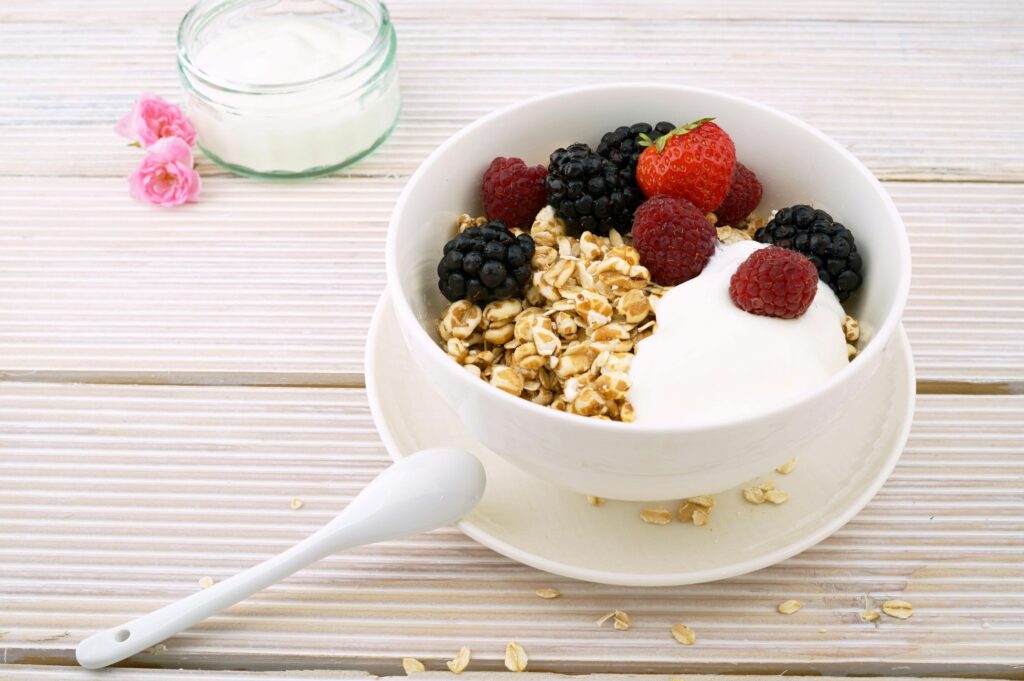
LDL cholesterol, sometimes referred to as bad cholesterol, was the main focus of the University of Bonn team’s investigation. Elevated LDL facilitates the accumulation of plaque within blood vessels. That accumulation causes the arteries to narrow over time, increasing the risk of heart attacks and strokes. One of the most important modifiable causes of cardiovascular disease, according to the Cleveland Clinic, is high LDL.
The oat-based diet caused a 10% decrease in LDL cholesterol in participants. Marie-Christine Simon is a junior professor at the Institute of Nutritional and Food Science at the University of Bonn. This result, she said, was significant. “That is a substantial reduction, although not entirely comparable to the effect of modern medications,” Simon said. Her team recorded this drop after just 48 hours on the oat-based protocol.
Weight Loss and Blood Pressure Improvements
Over the course of the 2 days, the oatmeal group also lost weight. Participants lost an average of 2 kilograms while also keeping track of their blood pressure and body composition. Blood pressure in the oat group also fell slightly. These additional findings suggest that oatmeal’s benefits go beyond cholesterol and address several interconnected risk factors at the same time.
Both groups followed a calorie-reduced diet, but only the oatmeal group saw a significant improvement in LDL levels. The control group, which reduced calories but did not include oats, showed no significant change in cholesterol levels. This contrast made it clear that oats played an important role in cholesterol reduction. Reducing calories benefits health in various ways, but it does not appear to lower LDL like oats.
Results That Lasted 6 Weeks
The research team was surprised by how long the results would last. Following the 2-day intervention, participants resumed their regular eating habits. Despite this, their LDL cholesterol levels remained significantly lower at the 6-week follow-up. Researchers attribute this to long-term gut microbiome changes. The short burst of intensive oat consumption appeared to reprogram the gut in a measurable and long-term way.
Simon emphasized the practical implications of this persistence for long-term cholesterol control. “A short-term oat-based diet at regular intervals could be a well-tolerated way to keep the cholesterol level within the normal range and prevent diabetes,” she said. This means that people don’t need to commit to eating oatmeal every day to reap the benefits. Repeating a short, intensive oat protocol regularly may be sufficient to maintain healthy cholesterol.
Superiority Over a Longer, Moderate Oat Plan
In addition to the 2-day trial, the University of Bonn conducted a parallel dietary study. In the second study, participants ate 80 grams of oatmeal every day for 6 weeks under normal caloric conditions. This enabled researchers to directly compare the intensive plan with a longer, more moderate approach. A 2-day high-dose intervention yielded stronger cholesterol-lowering results than the 6-week moderate version.
A concentrated, short-term oat exposure appeared to alter gut microbiome composition. A smaller daily serving did not produce the same intensity of effect. The findings suggest that periodic intensive oat protocols are a useful tool for managing LDL cholesterol. To achieve meaningful results, no permanent daily addition is required.
How the Study Was Structured
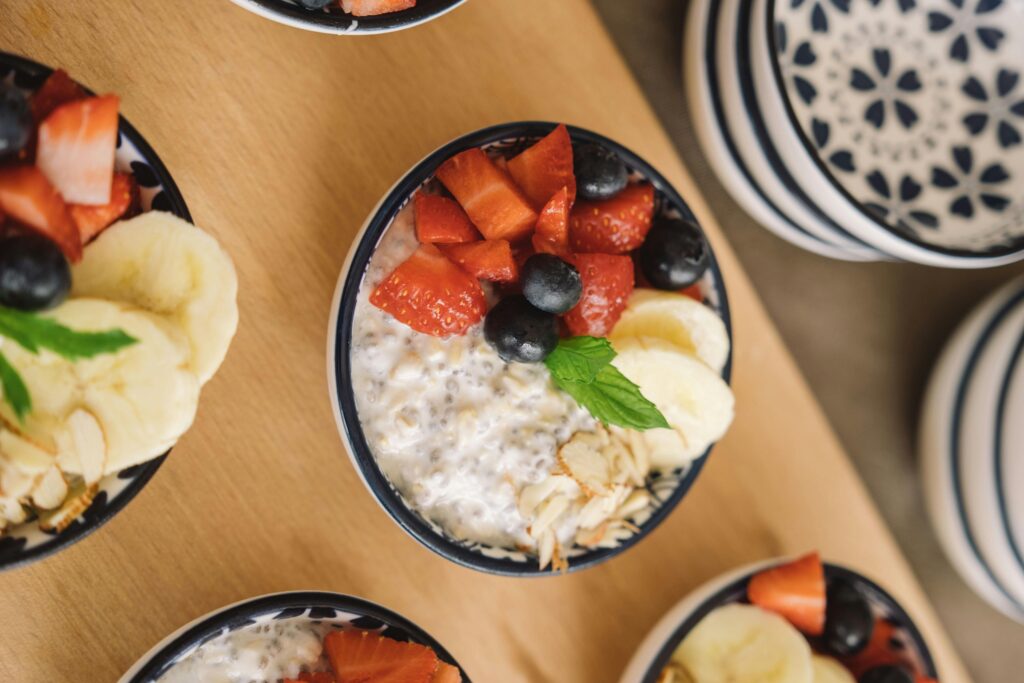
The clinical trial included 32 adults with metabolic syndrome, a condition chosen for its direct link to an increased risk of cardiovascular complications and type 2 diabetes. All the participants met the syndrome’s full diagnostic criteria, including excess body weight, high blood pressure, elevated blood sugar, and lipid metabolism disorders. Crucially, none of the participants were taking cholesterol-lowering medications when they enrolled in the study.
Participants were separated into 2 groups. The first group ate almost entirely oats for 2 days. The second group followed a low-calorie diet that excluded oats. Researchers collected blood, stool, blood pressure, and body measurements both before and after the intervention. They conducted follow-up examinations 2, 4, and 6 weeks after the diet ended.
The Diet Protocol
Participants in the oatmeal group consumed a total of 300 grams of oatmeal daily, divided across three meals. The oats were boiled solely in plain water, with no sugar or flavoring added. Researchers allowed participants in both groups to include small amounts of fruits and vegetables with their meals. Across both days, the total caloric intake for all participants was limited to approximately half of their typical daily energy requirements.
This restrictive protocol was purposefully designed to provide concentrated dietary exposure to oats. The researchers needed to separate the effects of oatmeal from other dietary variables as much as possible. The equal caloric reduction applied to both groups allowed scientists to attribute any differences in outcomes to the oats. This design greatly improved the reliability and credibility of the study’s conclusions.
The Gut Bacteria Connection
Within the digestive system, there is a community of trillions of microorganisms known as the gut microbiome. The way the body handles cholesterol, controls immunological response, and breaks down food is all influenced by these bacteria. Oatmeal consumption raised certain bacterial populations in participants’ guts, per the University of Bonn study. The compounds that these bacteria subsequently produced had a direct impact on the body’s cholesterol processing.
Lead trial author Linda Klümpen confirmed the microbiome shift in the study’s published findings. “We were able to identify that the consumption of oatmeal increased the number of certain bacteria in the gut,” Klümpen said. Her team detected a corresponding rise in phenolic compounds in participants’ blood following the oat-based diet. These compounds were the direct byproduct of gut bacteria breaking down and fermenting the oats.
Ferulic Acid and Cholesterol Synthesis
One of the most important phenolic compounds identified in the study was ferulic acid. Gut bacteria produce this compound as they ferment the phenolic content of oats. Animal studies had previously established a link between ferulic acid and improved cholesterol metabolism. The University of Bonn research now suggests the same mechanism operates in humans under controlled dietary conditions.
Ferulic acid inhibits an enzyme called HMGCR, which controls cholesterol synthesis in the liver. By reducing this enzyme’s activity, ferulic acid limits the body’s internal production of cholesterol. A related compound called dihydroferulic acid was also elevated after the two-day oat diet. Gut bacteria produce this compound through microbial fermentation of ferulic acid. Both compounds contributed to the measured drop in total and LDL cholesterol.
The Histidine Pathway and Diabetes Prevention
Additionally, the study discovered a mechanism that is directly related to the risk of diabetes and insulin resistance. The way that gut microbes reacted to the amino acid histidine was altered by eating oats. Histidine has the potential to change into a substance that encourages insulin resistance under normal circumstances. One important risk factor for type 2 diabetes is insulin resistance.
One of the many concurrent ways that oats enhance metabolic health is through gut microbes. In particular, when the participants ate oats, their gut microbes eliminated histidine, preventing it from being transformed into a harmful substance. This action decreased a quantifiable risk factor for diabetes in the group. This finding helps to explain why regular oat consumption is consistently linked to a lower risk of developing diabetes in population studies.
A Key Bacterial Strain
The study identified a specific genus of bacteria that increased substantially in response to oat consumption. This genus, Erysipelotrichaceae UCG-003, is associated with healthy aging processes in prior research. It showed a strong positive correlation with elevated phenolic compounds in participants’ blood. It also correlated inversely with cholesterol levels. Higher counts of this bacterial strain are linked directly to lower LDL readings in the data.
Researchers proposed that this genus metabolizes phenolic compounds from oats and lowers cholesterol as a result. The relationship creates a beneficial cycle in the gut. Oats feed specific bacteria. Those bacteria produce compounds like ferulic acid, which then suppress cholesterol synthesis in the liver. This chain of events explains why the cholesterol reduction outlasted the oat diet by several weeks.
Why Oats Are a Superior Breakfast Choice
Oats contain beta-glucan, a soluble fiber that has long reduced cholesterol. The study from the University of Bonn confirmed that beta-glucan still plays a role in this mechanism. However, the study also revealed that phenolic compounds and microbiome interactions are both important driving forces. This gives oats more therapeutic power than their fiber content alone would imply.
Beta-glucan forms a viscous gel in the digestive tract, which slows cholesterol absorption. It binds to bile acids and transports them out of the body before they re-enter circulation as cholesterol. Oats also have a low glycemic index, which allows them to release energy gradually and promotes stable blood sugar management. Oatmeal’s combination of fiber, phenolics, and microbiome activity makes it a particularly effective cardiovascular breakfast food.
Accessible and Well-Tolerated
One of oatmeal’s most underappreciated advantages is its accessibility. It is among the most affordable staple foods available in most countries. Unlike pharmaceutical interventions for cholesterol management, oatmeal carries virtually no side effects for healthy individuals. Simon’s team recorded that all 32 participants, each carrying multiple metabolic conditions, tolerated the 2-day oat protocol without adverse reactions.
The two-day protocol provides a realistic alternative framework for people who struggle to maintain long-term dietary changes. This short plan, repeated at regular intervals, may help keep cholesterol within a healthy range. It does not necessitate a permanent lifestyle change. The researchers described it as a well-tolerated approach that most people could realistically incorporate alongside regular eating.
Read More: A Nutritionist Says to Eat These 20+ Anti-Inflammatory Foods for Breakfast
Cardiovascular Disease and the Case for Diet
Cardiovascular disease remains one of the most common causes of death worldwide. LDL cholesterol is one of the most important and modifiable risk factors. Studies that identify affordable, scalable dietary tools to reduce LDL have significant public health implications. According to the University of Bonn’s findings, oatmeal falls squarely into this category.
A 10% reduction in LDL, achieved in 48 hours and sustained for 6 weeks, is a significant clinical outcome. Doctors and registered dietitians can now include short-term oat-based protocols in their recommendations for patients with cardiovascular risk. The Nature Communications research lends clinical credibility to a food that formal cardiovascular care has long overlooked.
How to Apply These Findings at Home
Adding plain oatmeal to breakfast is the simplest starting point for most people. Oats boiled in water and topped with fresh fruit mirror the study protocol and keep sugar content low. Avoiding added syrups, flavored instant sachets, and processed toppings preserves the nutritional composition that drives the gut microbiome response. The oats need to reach the gut largely intact to feed the bacteria that produce ferulic acid. Each meal should contain approximately 100 grams of oatmeal, totaling 300 grams per day. Small additions of fruit or vegetables are permitted. This replicates the conditions that produced the 10% LDL reduction in the University of Bonn trial. People with existing health conditions should consult a healthcare provider before beginning a calorie-restricted plan. For everyone else, two days of oats may be all it takes to start protecting the heart.
Disclaimer: This information is not intended to be a substitute for professional medical advice, diagnosis or treatment and is for information only. Always seek the advice of your physician or another qualified health provider with any questions about your medical condition and/or current medication. Do not disregard professional medical advice or delay seeking advice or treatment because of something you have read here.
Read More: Common Breakfast Food May Lower Alzheimer’s Risk, New Study Finds