
Creatine is one of the most trusted supplements for muscle recovery, energy, and performance. Athletes, bodybuilders, and everyday people use it to train harder, recover faster, and maintain steady progress in the gym. To understand why it works so well, it is important to look at what creatine really is and how it fuels your body. Unlike supplements with bold claims but little proof, creatine is reliably backed by science. Many people wonder what happens if you stop taking creatine, and the answer is more straightforward than most expect.
What Creatine Is and Where It Comes From
Creatine is a compound that your body makes from amino acids and then stores in your muscles. While it is produced naturally in small amounts, you also get creatine from foods like red meat, poultry, and fish. The levels from food are limited, so supplementation is often the best way to reach full muscle saturation. This is why creatine remains one of the best practices for taking creatine when aiming for peak performance. According to The Cleveland Clinic, around 95 percent of creatine in your body is found in skeletal muscle, with the rest supporting your brain and other organs. Supplementation makes sure you have enough stored to perform at your best.
How Creatine Supports Energy Production

Every movement your body makes depends on adenosine triphosphate, or ATP. During intense exercise, ATP is used up quickly, which leads to fatigue. Creatine boosts your phosphocreatine stores, which help regenerate ATP at a faster rate. This gives your muscles more fuel, so you can push through heavy lifts or short sprints without tiring as quickly. Women generally have lower natural creatine stores in their bodies compared to men, about 70-80% less, mainly due to differences in muscle mass and hormonal profiles. Because of this, creatine supplementation can be very beneficial for women. With the right creatine dosage and timing, your body maintains these higher energy levels consistently. Essentially, creatine acts as a reserve energy system that keeps you performing at top capacity when your muscles need it most.
Benefits for Strength and Performance

One of the main reasons people take creatine is its ability to boost both strength and endurance. Weightlifters find they can push harder and handle more sets, leading to long-term strength gains. Athletes in high-intensity sports such as football or basketball benefit from being able to sprint and jump at full effort repeatedly. Even endurance athletes use creatine to recover between high-intensity intervals. By using supplements for muscle recovery like creatine, workouts become more productive and performance improves over time. The results of many studies are clear: consistent creatine use leads to stronger muscles, better recovery, and higher energy for training.
Recovery and Muscle Growth

Waking up the day after an intense workout can feel harder than the workout itself, with every step reminding you of your sore muscles. I’ve been there too. That’s where creatine can make a difference. After demanding workouts, your muscles need time and energy to repair. Creatine helps this process by quickly restoring energy reserves, which speeds up recovery, eases soreness and reduces downtime. It also pulls more water into your muscle cells, creating an environment that supports protein synthesis and growth. This extra hydration makes muscles appear fuller and also helps signal the body to build lean tissue. Over time, these effects help you train harder while avoiding excess fatigue. Using creatine as part of your routine ensures your recovery and growth stay on track after tough training sessions.
Effects Beyond the Gym
Creatine is often seen as a gym-only supplement, but its benefits go further. The brain also relies on ATP and creatine has been shown to help support memory and focus during mentally demanding tasks. Early research also found that creatine may support bone strength and help older adults maintain muscle health. It may even slow down natural muscle loss that happens with age. These benefits make creatine more than just a tool for athletes. Whether you are training hard or simply aiming for better long-term health, creatine remains one of the most useful supplements available.
Safety and Long-Term Use
Creatine has a strong reputation for being safe when taken correctly. The standard maintenance dose is three to five grams per day, which provides steady benefits without risk. Some people try a loading phase with higher amounts for a short time to quickly boost creatine levels, but this is not required. Concerns about kidney issues or unsafe water retention are myths that research has consistently disproven. The most common side effects are mild, such as temporary bloating or stomach upset. As long as creatine dosage and timing are consistent, it remains one of the safest and most effective supplements on the market.
What Happens If You Stop Taking Creatine

One of the most common questions is what happens if you stop taking creatine. Many wonder, does creatine stop working if you miss a day, or will missing creatine for a few days ruin progress? The answer is reassuring. The Cleaveland Clinic states that your body gradually uses up stored creatine over two to four weeks, not overnight. Your body continues to produce creatine on its own, but the sudden drop in supplementation can bring temporary changes as you adjust. Some people notice more fatigue, a slight reduction in muscle size, or even a bit of weight loss. Your body’s natural creatine production may also slow briefly before returning to its usual rhythm. A slight decrease in muscle fullness and a small dip in explosive power may happen, but your actual muscle mass stays. As long as you continue training, your progress is safe. Short breaks do not undo the work you have put in, and your performance remains strong.
Restarting After a Break
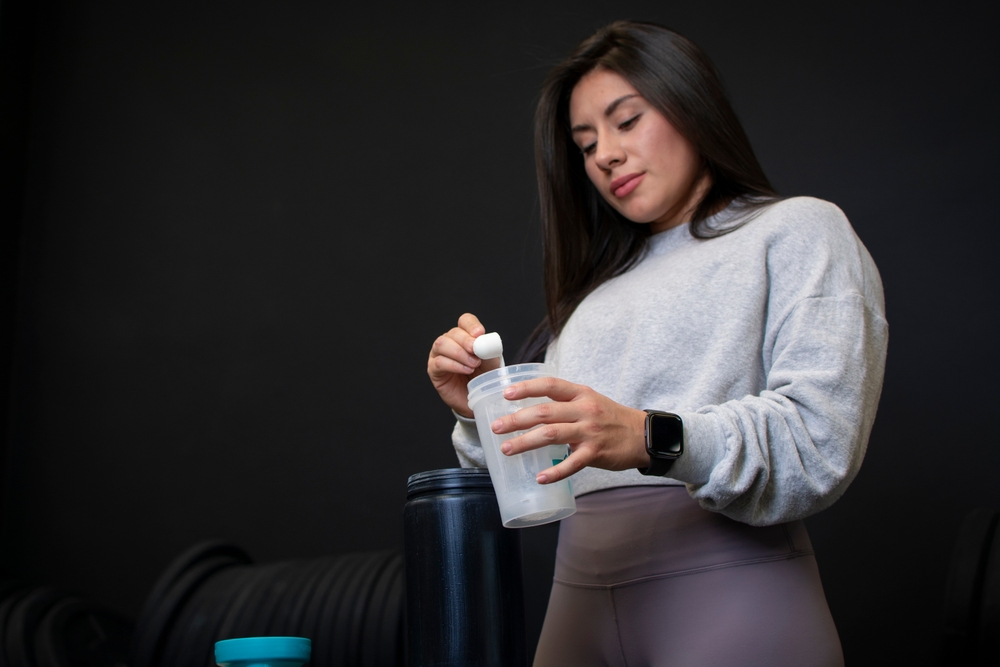
If you take a break and want to start again, the process is simple. Some people prefer a loading phase of 20 grams per day for a week to quickly refill their stores. Others return straight to the regular three to five grams per day, which restores muscle saturation within two to three weeks. Both methods are effective, though the gradual approach is easier on digestion. Once your muscles are resaturated, strength, recovery, and energy benefits return fully. Even after long breaks, creatine works just as well as before, making it one of the most reliable supplements for muscle recovery.
The Takeaway
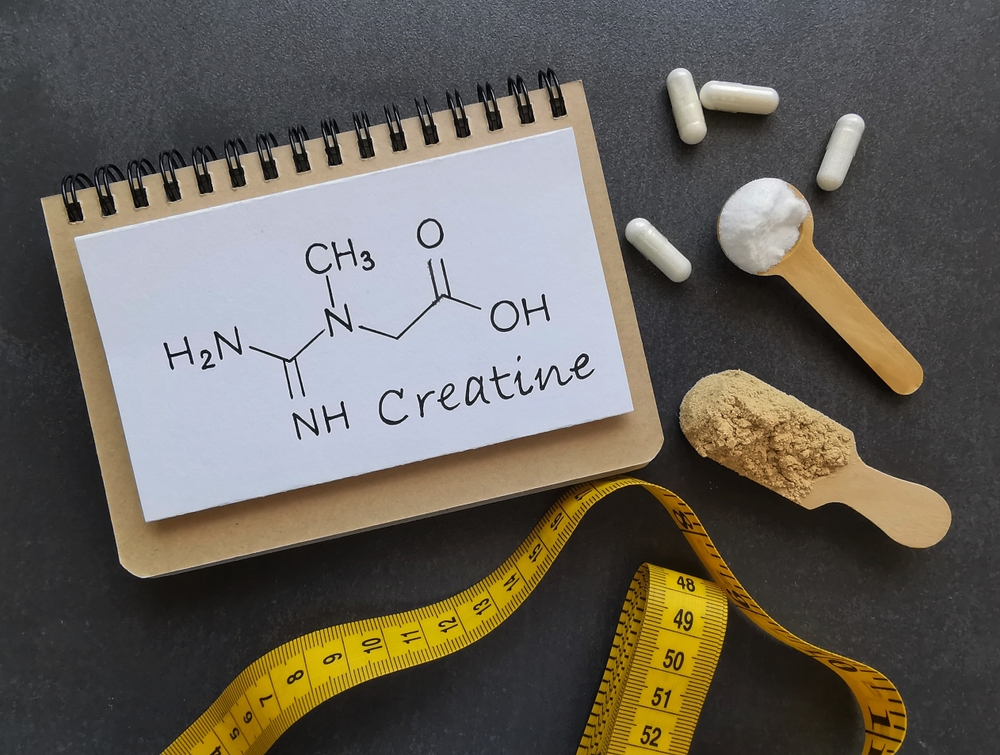
Creatine stands out as a supplement that consistently delivers results for both performance and recovery. It boosts energy production, builds strength, improves recovery, and even benefits mental performance. Missing creatine for a few days does not ruin your progress, and even longer breaks only gradually reduce your levels. With proper creatine dosage and timing, the benefits come back quickly once you restart. Using creatine regularly, alongside solid training and nutrition, is one of the best practices for taking creatine effectively. Whether you use it continuously or step away from time to time, creatine remains a safe and powerful supplement for strength and overall well-being.
Disclaimer: This information is not intended to be a substitute for professional medical advice, diagnosis or treatment and is for information only. Always seek the advice of your physician or another qualified health provider with any questions about your medical condition and/or current medication. Do not disregard professional medical advice or delay seeking advice or treatment because of something you have read here.
Read More: 5 Creatine Myths Debunked by Experts