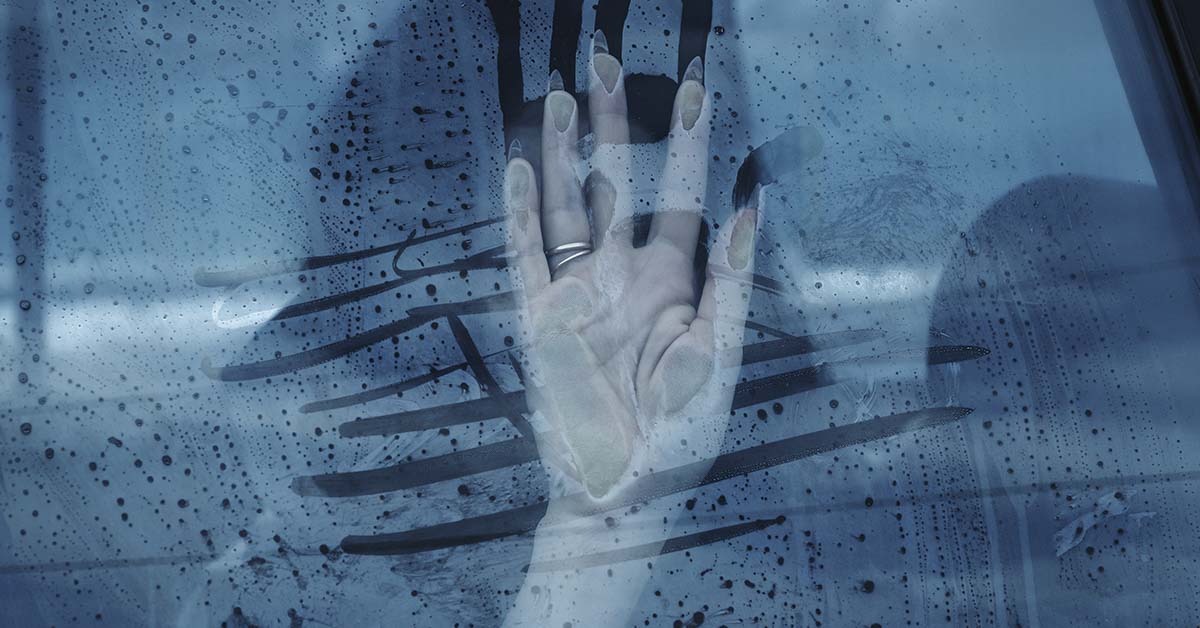
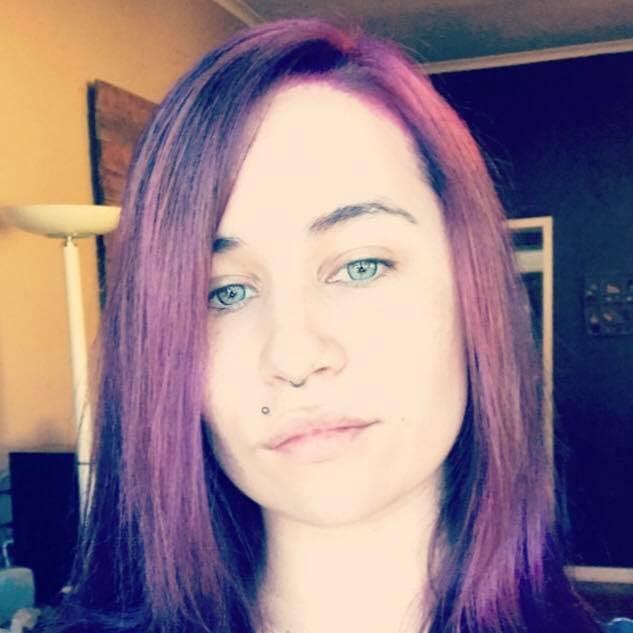
The dark web is a scary place. In July 2017, twenty‑year‑old British model Chloe Ayling travelled to Milan believing she was attending a legitimate modelling assignment organised by her agent, Phil Green. The assignment was purportedly for a motorbike photoshoot and arranged after a prior scheduling attempt in Paris was cancelled. As she arrived at the agreed location, she was ambushed from behind by two men who injected her with ketamine. For those who don’t know, ketamine is a powerful sedative. This shocking act incapacitated her and left her unable to resist her abductors. She was then confined in a suitcase, placed in the boot of a car, and transported roughly one hundred twenty miles to a secluded farmhouse near Turin in northern Italy.
Upon regaining consciousness in the farmhouse, Chloe discovered she was handcuffed to a chest of drawers in a sparsely furnished room. The captors, later identified as Lukasz Herba under the alias “Andre Lazio” and his brother Michal Herba, informed her she had been targeted for an auction on the dark web as a sex slave. They claimed to be acting on behalf of a criminal syndicate known as the Black Death Group. They then demanded a ransom of €300,000 ($350,000) for her release. The ransom demand was passed to her agent, who immediately alerted the British consulate in Milan and Italian authorities. The Metropolitan Police then initiated an investigation following a report from Chloe’s mother.
Captors, Ransom, And The Dark Web Threat
During the six days Chloe was held captive, she believed she would not survive the ordeal. She described mentally resigning herself to death amid the overwhelming fear and helplessness she felt in captivity. In her own words, she said she “accepted that she was going to die” because she believed nothing she could do would change her fate.
However, amid the terror, Chloe perceived a shift. She realised that Lukasz Herba, her primary captor, appeared to develop a soft spot for her over time. Recognising this, she seized the opportunity and began to employ emotional intelligence as a survival tactic. She persuaded him that they could become a couple if she were freed. This manipulation caused Lukasz to relent, treating her with comparative kindness. He allowed her to sleep beside him rather than on the cold floor, provided her with pizza and fruit to eat. He even took her shopping to replace her lost shoes. Six days after the kidnapping, he transported her back to Milan, dropping her at the British consulate. This effectively ended her captivity without the ransom being paid.
Legal Convictions And Sentence Reductions
Following her release, investigators began to question the narrative that Chloe had been abducted by an international crime ring. Suspicion swiftly fell on the Herba brothers, as surveillance footage showed Chloe and Lukasz appearing calm and composed together in public before the consulate visit. Both Lukasz and Michal were soon arrested and brought to trial in Italy.
At trial, evidence revealed that Chloe had been injected with ketamine, traces of which were found in her hair. She had indeed been transported in a bag, handcuffed, and placed in a holdall bag in the boot of a car. Lukasz was convicted of kidnapping and attempted extortion on 11 June 2018. He was sentenced to sixteen years and nine months in prison. In 2020, his sentence was reduced to twelve years and one month. Michal Herba was convicted later and initially sentenced to sixteen years and eight months, but his sentence was reduced on appeal in 2021 to five years and eight months.
The court rejected Lukasz’s defence that the kidnapping had been staged as a publicity stunt intended to boost Chloe’s modelling career. The Herba brothers’ claim that Chloe had conspired with them was dismissed. The court concluded that the kidnapping was a genuine crime.
Read More: It’s One of The Safest Countries in the World, and The U.S. Has Issued a Travel Advisory
Public Doubt, The Media Backlash
Upon her safe return to the UK, Chloe faced overwhelming public suspicion and media scrutiny. Many people doubted her story, suspecting the kidnapping had been faked for notoriety. This response was fueled in part by images of Chloe shopping with Lukasz, holding his hand, and her composed demeanour in media appearances. Critics questioned why she did not react with visible distress as expected of a trauma victim. Her calmness, composure, and professionalism were misinterpreted by tabloids and the public as manipulation.
Chloe later explained that her outward calm was part of a survival strategy developed during captivity. She recognised that showing fear or panic could escalate the danger she faced, so she deliberately suppressed emotional expression. Her approach challenged societal expectations about how victims “should” behave under extreme stress.
Diagnosis and New Insight via Documentary
In March 2025, Chloe Ayling revealed she had been diagnosed with autism spectrum disorder (ASD). She believes this new awareness helps explain why her reactions to the trauma appeared atypical. The diagnosis shed light on how her communication style, emotional expression, and body language may have contributed to public misunderstandings about her case.
In summer 2025, the BBC released a three‑part documentary, Chloe Ayling: My Unbelievable Kidnapping. In it, she revisits her experience in her own words, addressing the kidnapping, media fallout, and public disbelief. The series features interviews with those involved and explores why many still find the case unbelievable. Chloe intends to reshape public perception of her story, to show the complexity of trauma, and to challenge stereotypes about victim behavior.
Trauma, Resilience And A Voice For Victims
Chloe Ayling’s kidnapping in July 2017 defied expectations of both crime and trauma. Lured by a fabricated photoshoot, she endured six days of captivity. Only gaining freedom through psychological survival strategies rather than the payment of ransom. Although the Herba brothers were convicted, her composed response during and after the event sparked enduring controversy. The revelations of her ASD diagnosis and the BBC documentary have begun to offer new perspectives on how trauma manifests and how quickly public narratives can distort the truth. Her story remains a powerful reminder that human resilience can manifest in unexpected ways and that appearances can mislead.
A.I. Disclaimer: This article was created with AI assistance and edited by a human for accuracy and clarity.
Read More: U.S. Government Expands ‘Do Not Travel’ List to 21 Nations