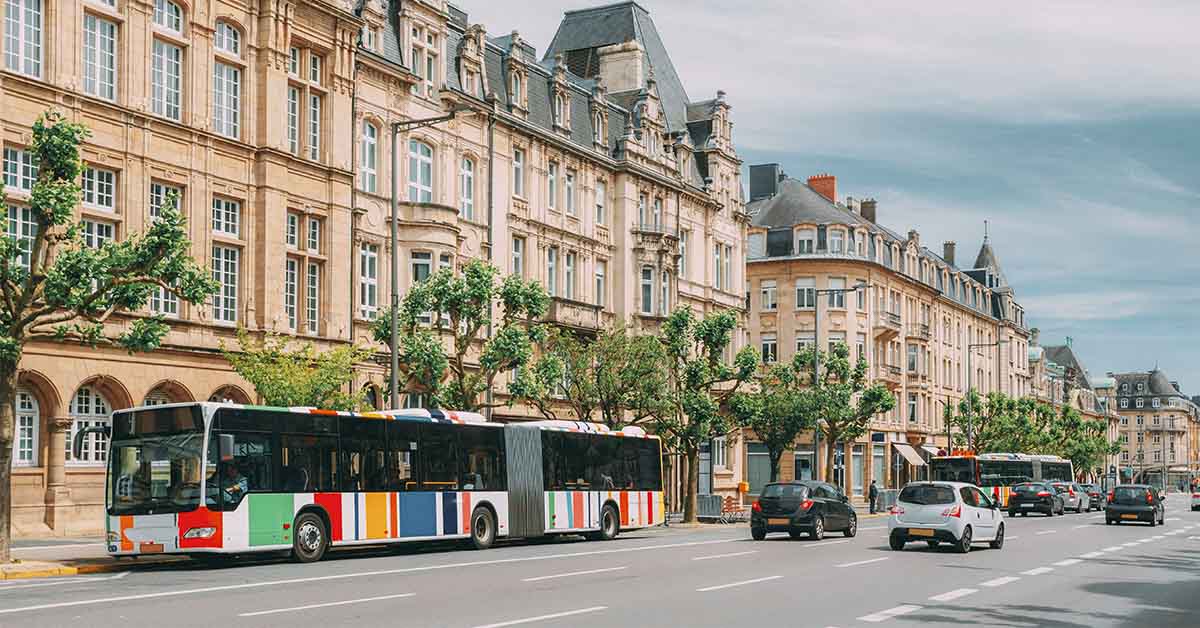

Luxembourg has shown a shift towards more progressive transport policies over the years. In 2020, under the leadership of the left-wing Socialist Workers’ Party and the Greens, Luxembourg made public transport free. Luxembourg City, home to 110,000 residents with a further 400,000 commuting into the city for work, suffered from severe traffic congestion. Many people from France, Belgium, and Germany travel to Luxembourg every day to go to work.
A Global First in Public Transport
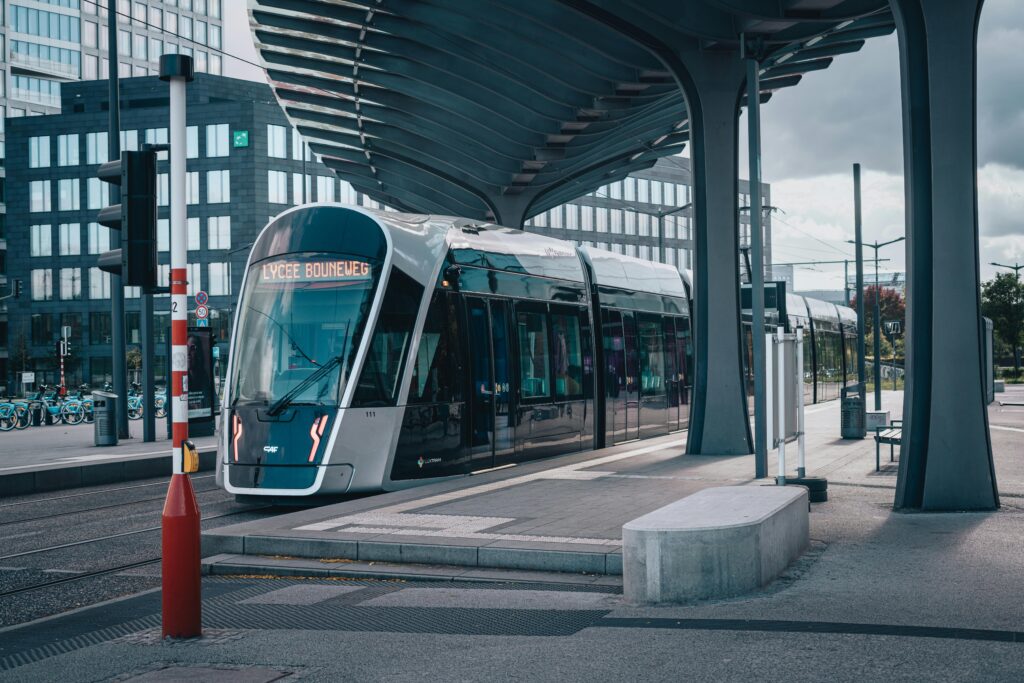
Back in March 2020, Luxembourg made international headlines by becoming the first nation to make all public transport free. Trains, trams, and buses across the small European country eliminated ticketing under the oversight of the coalition government led by Xavier Bettel. While many cities around the world had tested fare-free transit on smaller scales, Luxembourg was the first to enact such a system nationwide.
This shift addressed issues pertaining to traffic congestion, pollution, and accessibility for all in commuting. While it may be the first country, Tallinn in Estonia was the first European capital city to implement this program. Since then, cities like Dunkirk in France and Kansas City in the USA have begun implementing similar free transport programs.
Why Luxembourg Took the Leap
This decision to make public transport free was a multi-faceted plan meant to resolve many challenges that Luxembourg’s transport and traffic faced. Luxembourg City consistently experiences severe congestion, with drivers losing an average of 33 hours to traffic jams in 2016.
Nearly 200,000 cross-border commuters travel into the country daily from France, Belgium, and Germany, straining infrastructure. The government, led by Prime Minister Xavier Bettel, framed free public transport as both an environmental and social policy. The program aims to reduce car dependence, ease commuter frustration, and create more energy-efficient systems that are environmentally friendly.
Political Leadership and Vision
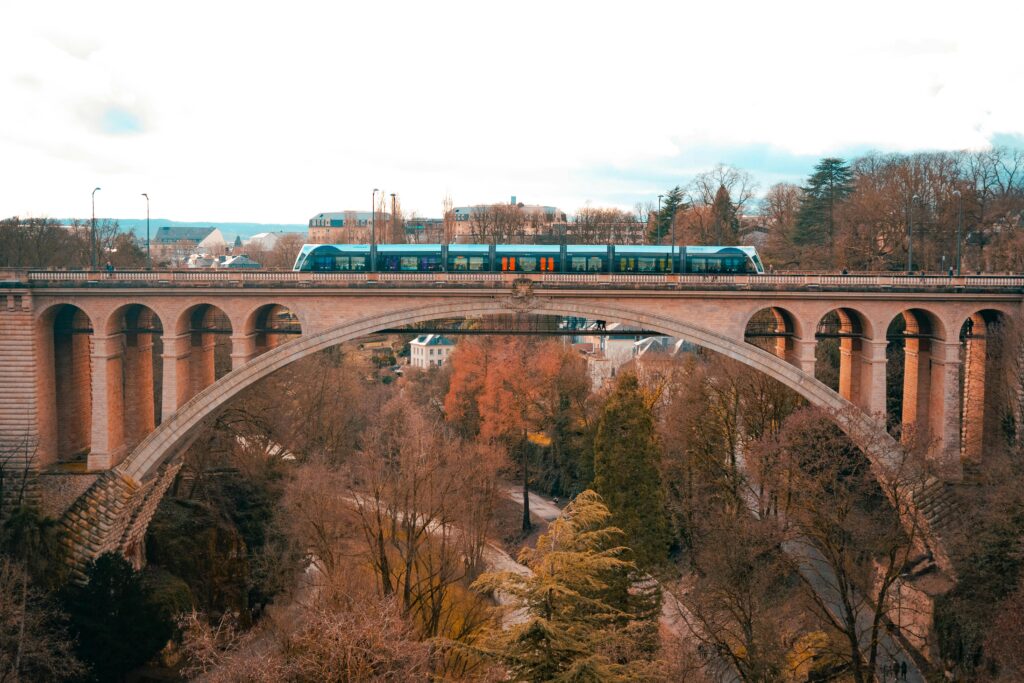
Prime Minister Xavier Bettel’s coalition, made up of the Democratic Party, Socialist Workers’ Party, and the Greens, championed these progressive policies. Xavier Bettel’s coalition saw transportation as central to sustainable governance.
Their free transport policy was part of a larger pledge, which saw the government considering legalising cannabis and two new public holidays. The political vision extended beyond simple congestion relief. Their coalition framed climate change mitigation as a practical policy. This reform also aligns with Europe’s green agenda.
Cutting Costs, Boosting Equity
Removing fares reduced complexity in Luxembourg’s transit system. Previously, commuters paid €2 for 2 hours of travel, covering almost all routes in the small country. Removing ticketing systems cut collection costs and eliminated the need to police fare evasion. More importantly, it created equity benefits.
Free transport ensures access for low-income communities, students, and job seekers, making mobility a guaranteed right rather than a conditional service. Public policy experts argue that access to affordable mobility strengthens participation in labor markets and increases access to essential services, driving inclusive long-term growth.
Challenges and Questions Ahead
While progressive, the reform raised questions about funding, overcrowding, and rail service structure. Luxembourg funded transport through taxation, but sustaining revenue required close monitoring. Additionally, unresolved issues emerged, such as how to treat first and second-class compartments on trains under a fare-free model.
Policymakers continue to monitor whether the system reduces car dependence at a scale consistent with European environmental expectations. These challenges illustrate that while free transit is visionary, it requires strong infrastructure investment and a long-term strategy to succeed.
Tallinn, Estonia: Setting the Model for Europe
Luxembourg was the first country in Europe to offer free public transport nationwide. However, the plan drew inspiration from earlier city-level policies. Tallinn, Estonia, became the first European capital to offer free public transport to residents in 2013. Funding came through increased local taxes, while the program gained strong public support through a citywide referendum.
Studies found ridership rose by 14% in the first year, with many trips taken for leisure and social purposes rather than necessity. This highlighted an important policy lesson: free transport not only facilitates access to work but also strengthens community engagement and urban life. Tallinn’s example continues to influence debates in other European capitals.
Dunkirk, France: Free Mobility Boosts Community Life
Another critical model comes from Dunkirk, France, which implemented citywide free public transit in 2018. Within a year, bus ridership soared by 60%. Importantly, researchers noted a measurable decline in private car use, with nearly half of new riders previously using personal vehicles.
The policy also encouraged more spontaneous city trips, boosting local economies and cultural activity within the city. Dunkirk demonstrated how fare-free systems could reshape urban behavior, reducing carbon emissions while rejuvenating social and economic life.
Read More: No Filter Needed: The Cleanest Drinking Water by Country, Ranked
Kansas City, USA: Free Transit as Social Justice
In the United States, Kansas City, Missouri, became the first large American city to adopt a universal fare-free transit system in 2019. City officials argued that public transport should be considered a public good, similar to schools or parks. The system was framed less as an environmental measure and more as a social justice tool.
Free transit benefits low-income riders, many of whom rely on buses for work, healthcare, and education. Policy experts in Kansas City note that the savings from eliminating fares can equal hundreds of dollars annually per household. The U.S. case illustrates how the rationale for free transport varies depending on social and urban contexts.
Environmental and Health Impacts
Transport emissions contribute nearly 25% of greenhouse gases in Europe. Free public transport incentivizes car users to switch to public modes of transport. In Dunkirk, surveys showed a 10% reduction in personal car use after fares were cut. Reduced traffic improves air quality, lowers stress, and limits the carbon footprints of the cities in which they are implemented. Long-term, this policy may strengthen Europe’s response to the climate crisis and help achieve their climate goals.
Community Benefits Beyond Mobility
Free public transport benefits extend beyond just environmental pollution and traffic congestion. It also assists those who rely on public transport to have better access to jobs and schools. Senior citizens also benefit by gaining affordable mobility, in some cases, when they are unable to drive themselves. Neighborhoods and communities become more connected, which also helps boost local economies and social activities. In Tallinn, free rides led to higher retail sales as residents traveled more often for shopping. Social interactions also increased across age and income groups. Accessible transport fosters inclusion, cohesion, and civic unity.
What the Future Holds for Free Public Transport
Luxembourg’s success inspired global discourse. European cities like Paris debated eliminating fares. Meanwhile, German cities tested 9-euro renewable transit passes. Dubai invested in modern metro systems to reduce congestion. Globally, the free public transport movement grows as governments seek equitable sustainability. Yet, long-term success requires consistent investment, integration with cycling and walking, and strong public support.
Read More: 30 things Europeans do that leave Americans raising their eyebrows