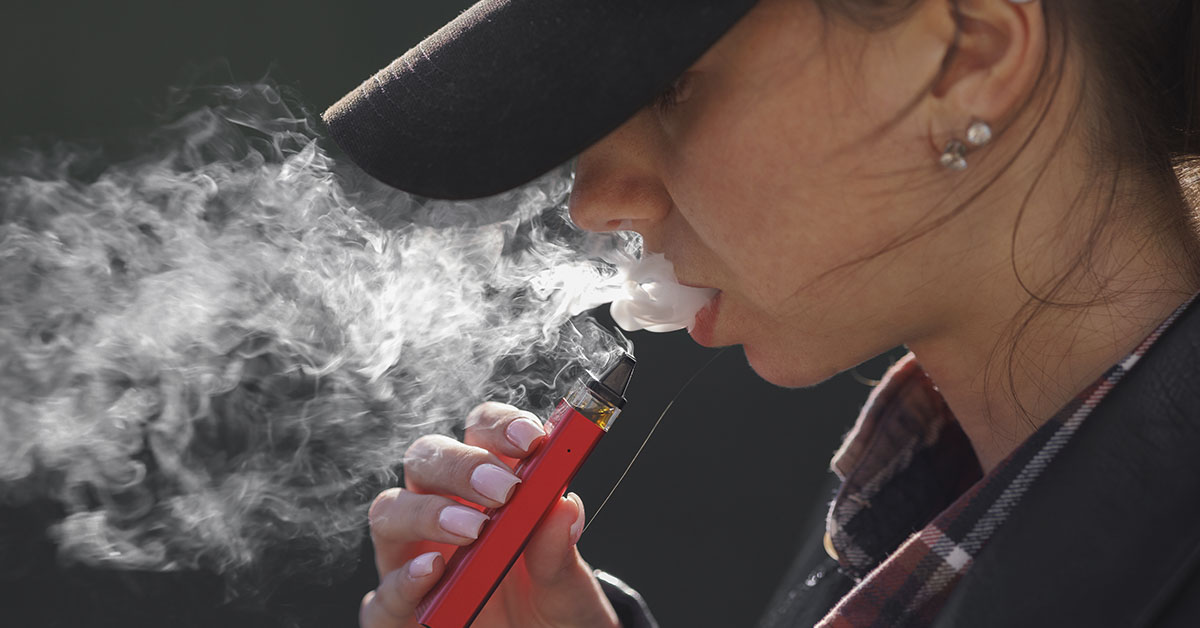

A 25-year-old mother from Florida, Cloey Eyes, is raising alarms about vaping after experiencing ‘popcorn lung’-type symptoms from 2 years of use. She woke at 2:30 a.m. with sharp chest pains and believed she was experiencing a heart attack. Terrified and struggling to breathe, she struck her chest repeatedly in an attempt to catch her breath before calling an ambulance. Doctors later revealed that vaping had caused severe lung damage and ‘oil’ buildup in her organs.
From Cigarettes to Vaping

After 3 years of smoking cigarettes, Eyes decided to switch to vaping as she hated the smell of smoke. She switched to disposable vapes in 2023, believing they were healthier and smelled less offensive. Eyes admitted she would get through a 5000-puff disposable vape in roughly 2 weeks. She notes she would smoke her vape non-stop, smoking more than when she smoked cigarettes due to the convenience.
A common misconception of vaping is that it carries less risk than smoking traditional tobacco products like cigarettes. However, Johns Hopkins’ research shows that vaping carries its own serious health risks and can expose users to nearly 2,000 mostly unidentified chemicals. Only recently has research revealed the effects of vaping on the lungs but current findings still remain intermediary.
The ‘Popcorn Lung’ Diagnosis

Medical tests revealed Cloey had lung damage resembling “popcorn lung.” This condition, known as bronchiolitis obliterans, affects the bronchioles, which are the smallest airways in the lungs, making breathing progressively more difficult. Cloey recalled, “I technically at that point had popcorn lung. That’s what they call it here.” A Harvard study found that diacetyl is used in some e-liquid flavors. It was present in more than 75% of the tested e-cigarettes. Diacetyl can cause the same type of lung damage once observed in popcorn factory workers.
Oils Filling the Lungs
According to the NIH, lipoid pneumonia occurs when fats or oils accumulate in lung tissue, restricting airflow and causing inflammation. Experts believe that vaping can cause lipoid pneumonia, and vapes containing THC oils have been tied to similar injuries.
Doctors were alarmed to find oil coating both of Cloey’s lungs. Medical experts recognize this as lipoid pneumonia. Research shows that vitamin E acetate is found in some vaping products. It can cause strong immune responses and has been linked to vaping-related injury cases. Another study confirmed that vitamin E acetate likely coats the lungs and interferes with gas exchange, leading to lipoid pneumonia.
Life in the Hospital
Cloey spent the night in the hospital undergoing treatment with antibiotics, inhalers, and cough suppressants. She described the emotional toll of feeling suffocated by her lungs. “It was scary to hear this,” she admitted. Eyes’ experience echoed the 2019 vaping-related lung injury crisis. Over 2,800 cases and 68 deaths were linked to vaping injuries across the United States. Cloey’s hospitalization mirrors many of those sudden, severe health episodes experienced by others her age.
A Wake-Up Call for Parents
The turning point came when Cloey considered the impact on her 5 children. “I would never pick up a vape again, especially because I’m a mum. I went cold turkey and quit vaping.” Within weeks, she noticed improvements. “I feel 10 times better now… My lungs feel better and I don’t feel out of breath all the time.” The American Lung Association warns that e-cigarettes produce dangerous chemicals including acetaldehyde, acrolein, and formaldehyde that can cause irreversible lung damage.
The Broader Ban on Disposable Vapes in the UK
The United Kingdom banned disposable vapes from June 1, 2025, citing youth addiction concerns and environmental damage. Officials stressed that manufacturers designed these products to appeal to teenagers and drive nicotine dependency in younger populations. Australia and parts of the United States have imposed similar restrictions on vaping products. This reflects a broader concern that vaping may fuel a new public health crisis, similar to the cigarette crisis in the 90’s.
What Science Tells Us About Vaping
Scientific research consistently finds new and severe long-term risks linked to vaping as studies continue. The American Lung Association’s report shows e-cigarettes emit harmful gases such as formaldehyde and acrolein. These gases can damage lung tissue and cause chronic obstructive pulmonary disease (COPD). COPD is caused by damage to the lungs, resulting in swelling and inflammation. Cloey’s experience aligns closely with these warnings, turning research into a lived reality for her and many others.
A Plea for Awareness and Change
Cloey uses her terrifying experience and story to alert others to the dangers of vaping. “Even if you don’t go through the pain, the amount of chemicals going through your lungs is probably knocking about 10 years off your life.” She states feels healthier after quitting and has no plans to return to vaping or smoking. Cloey’s plea is simple: vaping is not worth the risk. Awareness must spread before more young lives are disrupted by preventable lung injuries due to vaping.
Read More: Woman Claims Vaping Habit Left Her Unable to Lie Flat Without Risk of Suffocation