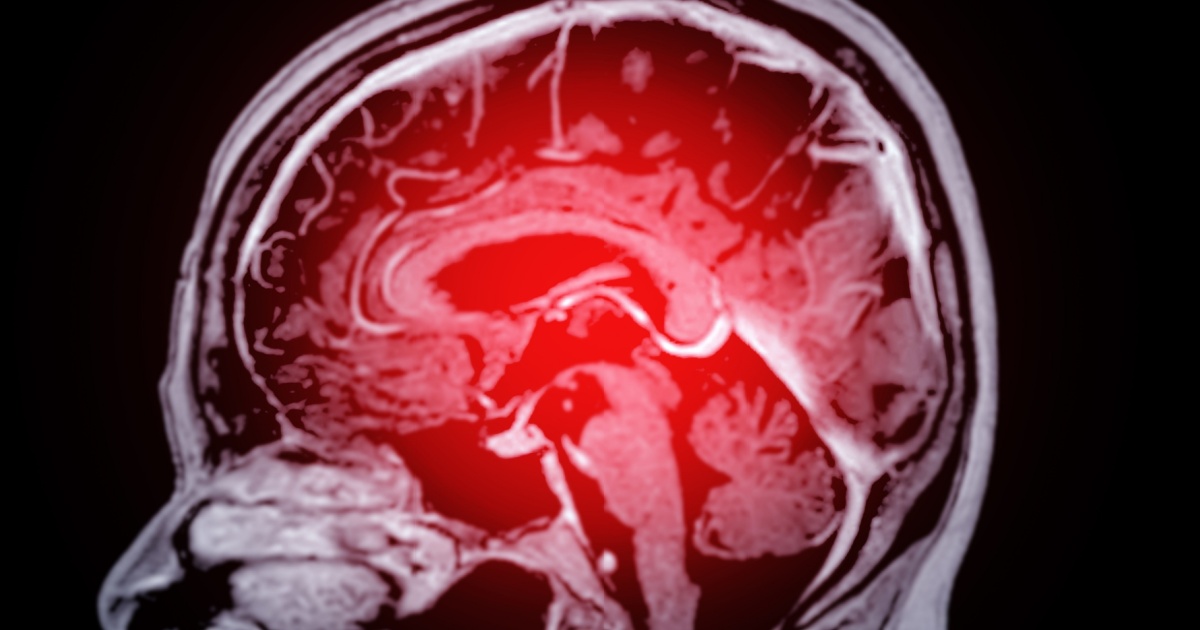

Most people picture dementia as something that creeps up in old age, something that belongs to a distant future most of us would rather not think about too carefully. But the science is shifting that picture in an uncomfortable direction. A wave of large-scale research is identifying the dementia risk factors that accumulate long before any diagnosis, and many of them aren’t the ones we’ve been warned about most. Feeling lonely, carrying extra weight around your midsection, living with untreated depression, or having had a common viral infection may all be quietly raising the odds.
What makes the recent findings so striking isn’t any single study. It’s the convergence. Research groups across multiple countries, using data from hundreds of thousands of participants, are pointing toward the same conclusion: dementia prevention starts earlier than most of us think, and the risk factors extend far beyond what shows up on a standard blood panel.
The Scale of the Problem
Before getting into the specific risk factors, it helps to understand what’s at stake. Around 45% of dementia cases are potentially preventable by addressing 14 modifiable risk factors at different stages of the life course, according to the 2024 Lancet Commission on dementia prevention. That updated commission increased the estimated proportion of preventable dementia from 40% to 45% and expanded the number of modifiable risk factors from 12 to 14, adding vision loss and high LDL cholesterol to the list.
Those figures apply to dementia at any age. But a separate body of research is focusing specifically on young-onset dementia, defined as dementia diagnosed before age 65. Globally, there are around 370,000 new cases of young-onset dementia each year. Until recently, most researchers assumed genetics was the primary driver. That assumption is no longer holding up.
A landmark study published in JAMA Neurology identified 15 factors linked to higher risk of young-onset dementia after following more than 350,000 participants under 65 in the UK Biobank. The 15 factors significantly associated with higher risk included lower formal education, lower socioeconomic status, social isolation, vitamin D deficiency, high C-reactive protein levels, lower handgrip strength, hearing impairment, stroke, diabetes, heart disease, and depression. Most of those factors are modifiable. The message, while sobering, is also empowering.
Loneliness and Dementia: A Risk Factor Comparable to Smoking
The answer to whether loneliness increases dementia risk, backed by some of the largest datasets in cognitive research, is yes.
A meta-analysis published in Nature Mental Health analyzed data from more than 600,000 participants across 21 longitudinal cohorts and found that feeling lonely increases the risk for all-cause dementia by 31%. Loneliness specifically increased the risk for Alzheimer’s disease by 14%, vascular dementia by 17%, and cognitive impairment by 12%, with findings consistent even after controlling for depression and social isolation. The magnitude of loneliness as a dementia risk factor was found to be comparable to that of being physically inactive or smoking.
That last point deserves a moment of attention. Loneliness, the subjective feeling of being disconnected regardless of how many people are physically nearby, carries a brain health burden on par with cigarette smoking.
A separate Norwegian study adds important texture to the timing question. According to the National Institute on Aging, persistent loneliness from midlife into older age, as well as newly becoming lonely, were associated with increased odds of dementia, whereas transient loneliness in midlife was not. Loneliness measured up to 11 years before cognitive assessment was independently associated with subsequent dementia diagnosis.
The key distinction is between loneliness that passes and loneliness that persists. A rough patch doesn’t appear to carry the same risk as years of chronic disconnection.
Why might this be? Researchers believe several pathways are at work. Loneliness activates stress-related physiological responses. Lonely individuals have heightened stress exposure and lack social relationships capable of buffering those stress responses, which may cause chronic inflammation. Inflammation is increasingly implicated in neurodegenerative processes. Additionally, lonely people are more likely to drink heavily, smoke, not exercise, and be overweight, all of which increase dementia risk, while social contact is thought to help build cognitive reserve, the brain’s resilience against disease.
If you or someone close to you has been feeling chronically isolated, treating that as a health concern, not just a personal one, is medically justified by the evidence.
HSV1 and Dementia: What the Virus Research Shows
Whether HSV1 is linked to Alzheimer’s disease has been one of the more contentious questions in dementia research, and 2025 produced some of the strongest data yet.
Herpes simplex virus type 1 (HSV1) is the strain most commonly associated with cold sores. It is extremely widespread, infecting the majority of adults globally. Once contracted, the virus remains dormant in the nervous system and can reactivate periodically throughout life. Researchers have been investigating for years whether that repeated reactivation might quietly damage brain tissue over time.
A 2025 UTMB study, using U.S. electronic health records from more than 120 million patients, found that individuals with a history of HSV-1, HSV-2, or co-infections had up to 2.44 times higher odds of developing dementia compared to those without an HSV diagnosis. The researchers described it as the first study to provide nationwide, large-scale evidence that herpes simplex virus infections may be a significant risk factor for dementia, including Alzheimer’s disease. Men with HSV-2 were found to be at significantly higher risk than women.
A 2025 meta-analysis of 32 studies found a pooled hazard ratio for all-cause dementia of 1.36 following a clinical episode of HSV1 or HSV2. That is a more conservative estimate than the UTMB figure, reflecting the heterogeneity across different study populations and methodologies.
The biological mechanism being proposed involves neuroinflammation. The constant presence and potential reactivation of HSV1 has been implicated in the immune response and subsequent development of Alzheimer’s disease. The virus initiates an innate immune response that causes the production of amyloid beta, and the accumulation of amyloid beta due to increased production subsequently causes neuroinflammation. Most of this mechanistic understanding comes from observational and laboratory research, not controlled trials proving causation. The UTMB study used retrospective records, meaning the direction of cause and effect remains open to investigation.
Still, the signal is consistent enough that researchers are now actively exploring whether antiviral treatments might reduce dementia risk in HSV-positive individuals. People with HSV infections shouldn’t panic, but should discuss any concerns with their doctor as this research continues to develop. The Alzheimer’s Association maintains updated guidance on causes and risk factors as the evidence base evolves.
Depression’s Role in Cognitive Decline
The connection between depression and dementia risk is well-established in broad terms, but 2025 research is making the picture considerably more precise.
A 2025 UCL study in The Lancet Psychiatry found that six particular depressive symptoms when experienced in midlife predict dementia risk more than two decades later. Midlife depression has long been considered a risk factor for dementia in later life, but the new findings suggest this relationship is driven by a small cluster of specific symptoms rather than depression overall.
Participants classified as depressed in midlife had a 27% higher risk of subsequently developing dementia. This increased risk was driven entirely by the six specific symptoms in adults under 60. Loss of self-confidence and difficulty coping with problems were each associated with a roughly 50% increased risk of dementia.
The researchers note that these symptoms can lead to reduced social engagement and fewer cognitively stimulating experiences, both of which are important for maintaining cognitive reserve. The broader research base reinforces the link. Mental disorders, particularly depression, significantly increase dementia risk, with symptoms sometimes manifesting up to two decades before a dementia diagnosis, suggesting depression’s potential role as a prodromal marker, meaning an early signal of what is to come.
The scientific picture is not fully settled on causality. Researchers continue to debate whether depression causes neurodegeneration, whether early neurodegeneration causes depression, or whether the two conditions share underlying biological pathways. Research has identified specific inflammatory pathways linking depression and neurodegeneration, with elevated inflammatory markers serving as a potential biological bridge between the two conditions.
What’s actionable: treating depression aggressively, at any age, is not just a quality-of-life issue. Based on the current evidence, it’s a legitimate brain health strategy.
Metabolic Conditions and Dementia: A Broader Threat Than Previously Recognized
The list of metabolic conditions that increase dementia risk has grown considerably. Metabolic syndrome is a cluster of interrelated conditions, including abdominal obesity, high blood pressure, high blood glucose, abnormal cholesterol levels, and elevated triglycerides, which collectively increase the risk of cardiovascular disease, type 2 diabetes, and dementia.
A major 2025 study published in Neurology, led by researchers at Hallym University Sacred Heart Hospital in South Korea, analyzed data from nearly two million South Korean adults aged 40 to 60 who underwent standardized national health screenings. One quarter of these middle-aged individuals met the clinical criteria for metabolic syndrome.
The findings revealed a dose-response effect: the more components of metabolic syndrome a person had, the higher their risk. People with all five components had a 70% increased risk of dementia. When looking at specific types, metabolic syndrome was associated with a 12% increased risk of Alzheimer’s disease and a 21% increased risk of vascular dementia. Female participants with metabolic syndrome had a 34% increased risk compared to male participants who had a 15% increased risk.
As lead researcher, Dr. Minwoo Lee explained, each component, such as elevated blood pressure, high blood sugar, obesity, and abnormal cholesterol levels, is individually linked to higher dementia risk, and the risk is cumulative. About 1 in 3 adults in the United States have metabolic syndrome, according to the National Heart, Lung, and Blood Institute. The good news is that metabolic syndrome is among the most modifiable conditions on this list. Dietary changes, regular exercise, and appropriate management of blood pressure, blood sugar, and cholesterol levels can all meaningfully shift the trajectory.
Beyond the Headlines: Other Risk Factors Building the Picture
The JAMA Neurology study on young-onset dementia pointed to several other risk factors that have received less public attention but appear in the data consistently, including social isolation, vitamin D deficiency, orthostatic hypotension, and high C-reactive protein levels.
Orthostatic hypotension refers to a sudden drop in blood pressure when standing up from a seated or lying position. Its presence as an independent dementia risk factor points toward the importance of cardiovascular regulation in brain health, even in ways that don’t involve the more obvious metrics like resting blood pressure.
On vitamin D, a dose-response meta-analysis of 22 observational studies found that participants in the lowest vitamin D category had a 49% higher risk of dementia compared to those in the highest category. Researchers caution that vitamin D deficiency often co-occurs with other risk factors such as frailty and limited sun exposure, which could confound the findings, but the signal across multiple studies is consistent enough to warrant attention. Getting your vitamin D levels checked is a simple, inexpensive step.
Hearing loss is considered a very important and modifiable risk factor. Researchers believe that untreated hearing loss may make the brain work harder at the expense of thinking and memory, and that treating hearing loss with hearing aids may reduce dementia risk. Hearing loss also leads to social withdrawal, which connects directly back to the loneliness data discussed earlier. These factors don’t operate in isolation. They tend to cluster and compound.
Read More: 15 Early Signs of Dementia You Should Know
What This Means for You
The most important takeaway from this body of research is that dementia isn’t something that simply happens to you or doesn’t. It has identifiable, measurable precursors, and many of them can be addressed years or even decades before any cognitive symptoms emerge.
The risk factors discussed here share common threads. Nearly 45% of all dementia cases may be prevented or delayed, according to the CDC. Concrete steps that address multiple risk factors at once include regular physical exercise, which improves cardiovascular health and insulin sensitivity; keeping blood pressure, blood sugar, and cholesterol within healthy ranges; prioritizing meaningful social connection rather than waiting for loneliness to resolve on its own; and seeking treatment for depression rather than waiting it out.
If you’ve had a herpes simplex infection, speak with your doctor, not out of alarm, but to stay informed as research in this area continues to develop. If you haven’t had your vitamin D levels checked recently, it’s a straightforward blood test. If you’ve been putting off getting your hearing checked, the evidence now gives you a concrete brain health reason to make the appointment.
The research also points toward middle age as a particularly critical window. Dementia risk is lowest in people who have healthy behaviors in midlife, aged 40 to 65. The habits built in your forties and fifties don’t just affect how you feel now. They appear to meaningfully shape what happens to your brain decades later.
Medical Disclaimer: This information is not intended to be a substitute for professional medical advice, diagnosis, or treatment and is for information only. Always seek the advice of your physician or another qualified health provider with any questions about your medical condition and/or current medication. Do not disregard professional medical advice or delay seeking advice because of something you have read here.
A.I. Disclaimer: This article was created with AI assistance and edited by a human for accuracy and clarity.
Read More: The One Night Time Disorder That Increases Your Dementia Risk by 50% – And What To Do About It