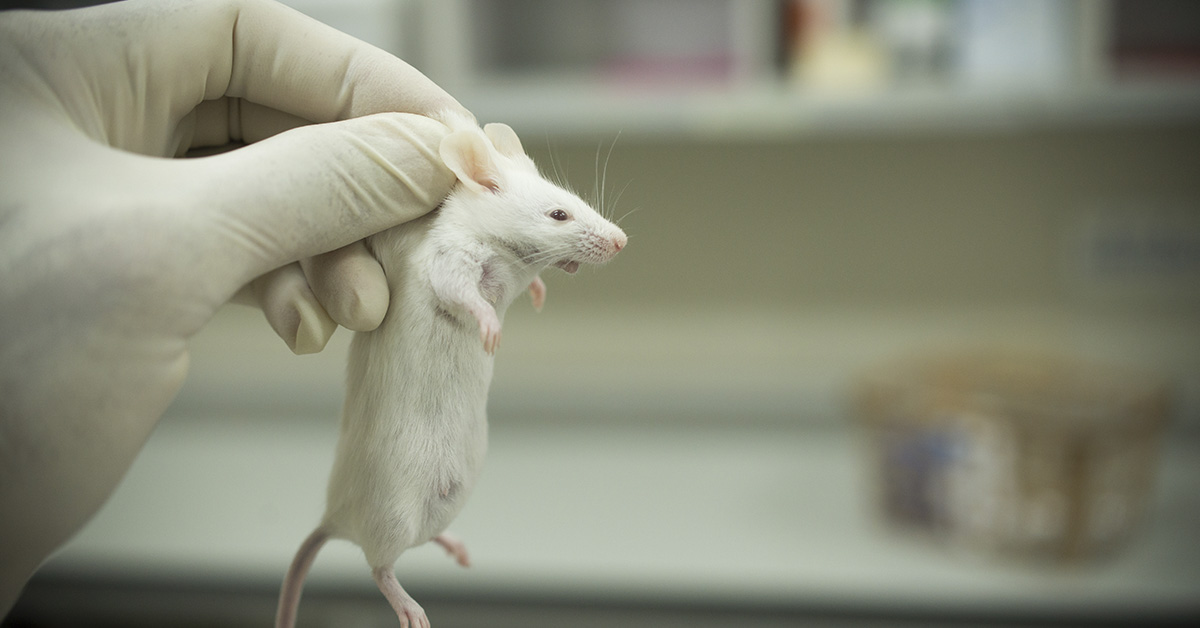

A research team led by Mariano Barbacid at Spain’s National Cancer Research Centre successfully eradicated pancreatic tumors in mice using a triple-drug therapy, as reported in December 2025 in the Proceedings of the National Academy of Sciences. They achieved complete tumor removal without noticeable side effects and prevented relapse for over 200 days. Although the scientific community hailed this breakthrough as a potential game-changer, social media users largely ignored the discovery and instead mocked Barbacid for a birthmark on his face.
The study, co-authored by Carmen Guerra, Vasiliki Liaki, and Sara Barrambana, summarizes six years of research on pancreatic ductal adenocarcinoma, a cancer with a 5-year survival rate of only 13%. Approximately 67,530 Americans will be diagnosed with pancreatic cancer in 2026, with 52,740 deaths expected, according to the American Cancer Society. The disease is now the third-leading cause of cancer-related deaths in the United States. However, comments on X (formerly Twitter) and other platforms focused on Barbacid’s appearance rather than the scientific achievement.
“What does he have on the face? Anyway, great news for pancreatic cancer patients!” one person wrote on X. Another commented, “Bro has this remedy, but nothing for his face??” A third asked, “Can they cure whatever is on his face?” One user wrote, “Dude looks like a Batman villain.”
The comments attempted to derail the conversation, moving it away from the incredible discovery and focusing on body-shaming Barbacid. Barbacid has a facial angioma, a congenital disability that covers half of his face. Although he dedicated his career to cancer research and achieved groundbreaking results in pancreatic cancer treatment, social media users mainly concentrated on the physical mark.
The Backlash Against the Backlash
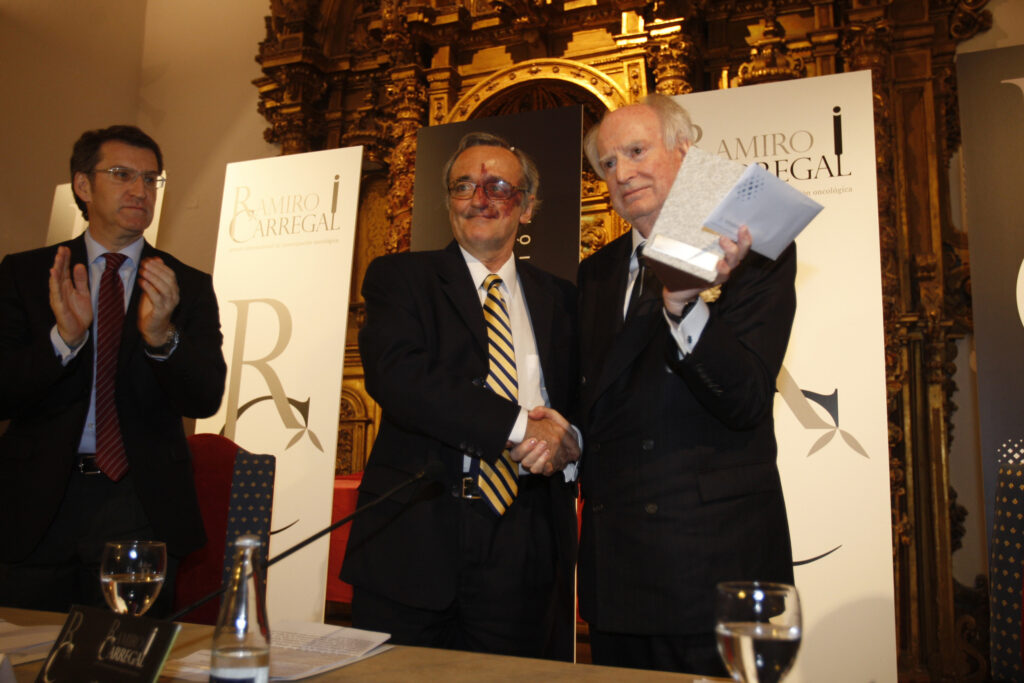
However, despite the negative comments, many users rallied to Barbacid’s defense and condemned those who mocked his appearance. One individual wrote, “This 76-year-old man could have retired long ago to enjoy a hedonistic life, but he keeps working to give hope to thousands of people and maybe save millions of lives in the future. And yet, some mongrels mock the birthmark on his face. We don’t deserve him.”
Another said, “What’s wrong with today’s world? This man has made a breakthrough in cancer treatments, and the world wants to mock him for a congenital disability. Fuck everyone in these comments, seriously.”
A third expressed, “Bro discovered a cure for cancer, and all the comments are about his appearance, omg some of you are just truly awful awful people, and there’s nothing cute about it.” A fourth wrote, “This guy found a cure for cancer with one of the lowest survival rates, and still people make fun of his face. We deserve nothing.”
Someone else commented, “This man is literally curing cancer, and the comments are worried about his face; we are doomed.” Another wrote, “Pancreatic cancer is cured, yet many X cretins are in the comments making remarks about the scientist’s face.”
Who Mariano Barbacid Is

Barbacid received his PhD from Madrid’s Universidad Complutense in 1974. He pursued postdoctoral research at the US National Cancer Institute from 1974 to 1978. In 1982, his work led to the discovery of the first human cancer-causing gene, called an oncogene. He found a small change in the HRAS gene in bladder cancer that showed how one genetic mistake could turn a normal cell into a cancer cell. This discovery helped scientists understand the molecular basis of human cancer and started a new area of research in molecular oncology.
He is also credited with isolating the TRK oncogene from a colon carcinoma in 1983. This discovery, decades later, led to TRK inhibitors and a new tumor-agnostic therapy paradigm targeting genetic alterations regardless of tumor origin.
Between 1988 and 1998, Barbacid served as Vice President of Oncology Drug Discovery at Bristol-Myers Squibb, pioneering targeted therapies targeting cancer vulnerabilities. In 1998, he returned to Spain to establish the Spanish National Cancer Research Centre, stepping down in 2011 to focus on KRAS-mutant tumor research. In 2020, he received the Echegaray Medal, Spain’s top scientific honor. Despite a 50-year career in cancer research, social media fixated on a birthmark.
Why Pancreatic Cancer Is So Deadly
Pancreatic ductal adenocarcinoma resists treatment due to its biology and late diagnosis. Only 17% of patients are diagnosed early, and 5-year survival is 44%. Once it spreads to lymph nodes, survival drops to 17%, and to 3% for metastatic disease. These stats have remained unchanged for decades despite massive research efforts.
The cancer grows in dense tissue with few blood vessels, leading to low oxygen levels called hypoxia. This low-oxygen environment makes cancer cells become more aggressive and resistant to chemotherapy. The tumors also adapt their metabolism when certain growth pathways are blocked. When a drug stops one pathway, pancreatic cancer cells quickly activate other pathways to keep growing. This ability to adapt has prevented any single-drug therapy from working.
The Breakthrough Study
Barbacid’s team has developed a new pancreatic cancer treatment that combines three drugs to target multiple survival pathways in cancer cells. This combo includes: daraxonrasib, which blocks mutant KRAS proteins; afatinib, an EGFR family inhibitor approved for lung cancer; and SD36, an experimental drug that degrades STAT3 proteins. By attacking multiple points in the signaling network simultaneously, downstream, upstream, and parallel, the team aims to stop tumors from activating resistance mechanisms, which often cause single-drug therapies to fail after just a few months.
The research team tested the triple combination in 3 distinct mouse models. The first model involved putting mouse tumor cells directly into the pancreas. The second used mice that were genetically changed to develop pancreatic cancer on their own. The third used human tumor samples grown in mice that lack a working immune system, called patient-derived xenografts. In all three models, the combination treatment completely eliminated the tumors. The mice receiving therapy had body weight, blood counts, metabolic markers, and organ health similar to those of tumor-bearing mice given a placebo, indicating that the therapy was well tolerated.
The tumors did not return. This durability sets the study apart from typical preclinical results, in which tumors shrink temporarily before recurring. The triple combination therapy seems to effectively break down the cancer’s survival strategies, demonstrated by the lack of tumor resistance for over 200 days post-treatment. This addresses a major challenge, since previous attempts to target KRAS mutations with single drugs were quickly thwarted by rapid resistance. Barbacid’s team overcame this challenge by simultaneously targeting multiple pathways, effectively blocking the escape routes that cancer cells usually exploit.
What Barbacid Says About the Results
Although the results are promising, Barbacid urged caution. He explained that, while such experimental outcomes are unprecedented, the research team is not yet ready to proceed with clinical trials for the triple therapy. Further research is necessary to optimize the treatment for clinical application, as this involves a complex process. The authors of the study emphasize that these findings should inform future clinical trials that could potentially benefit patients with pancreatic ductal adenocarcinoma patients.
Barbacid has requested 30 million euros to start human trials. The study, supported by Fundación CRIS and conducted at the National Cancer Research Centre, followed strict protocols and peer review before publishing in PNAS. Future steps include pharmaceutical partnerships, regulatory approval, and ongoing funding.
Translating findings from mouse models to human patients presents several challenges. Drugs that work well in laboratory animals often do not replicate the same success in humans due to differences in metabolism, tumor biology, and immune response. Although genetically engineered mice and patient-derived xenografts used in this research better resemble human pancreatic cancer than simpler models, some gaps still exist. Clinical trials usually take years and go through multiple phases before patients can benefit. Many cancers have been successfully treated in mice repeatedly, yet they fail to translate into success in human testing.
The Issue With Social Media
When the pancreatic cancer breakthrough was announced on X and Facebook, people flooded the comments with memes, but many paid more attention to Barbacid’s birthmark than to the study itself or how it might help patients. It really showed how social media can spread negativity, even when there is important science that could save millions of lives.
The birthmark, a facial angioma that covers half of Barbacid’s face, led to jokes comparing him to Batman villains. Some people wondered why he couldn’t “cure” his own face, while others said his appearance distracted from his research. These shallow comments shifted attention away from the life-saving potential of the study and toward personal criticisms of the researcher’s looks, something he has probably faced his whole life.
Why This Study Matters Despite the Noise
This research marks a significant step forward in pancreatic cancer treatment. It introduces the key idea that successfully targeting KRAS-driven cancers requires blocking multiple pathways simultaneously. This concept is relevant not only for pancreatic cancer but also for other KRAS-mutant tumors such as lung and colorectal adenocarcinomas. The study shows that total tumor elimination without resistance is possible when potential escape mechanisms are prevented early, before cancer cells can develop ways to bypass treatment.
Since the 1990s, pancreatic cancer incidence has risen by about 1% each year. The disease impacts Black Americans more significantly, with a 5-year survival rate of 11% compared to the overall 13%. The Pancreatic Cancer Action Network warns that, without intervention, it will be the second leading cause of cancer-related deaths by 2030. Current screening methods are not sensitive or specific enough for widespread use, resulting in most diagnoses occurring too late for potentially curative treatment.
Progress in pancreatic cancer survival lags behind other cancers. While overall cancer mortality in the U.S. continues to decline and 5-year survival for all cancers is now 70%, pancreatic cancer has not seen similar progress due to late diagnosis, aggressive biology, and treatment resistance. Advances such as early detection, improved surgery, immunotherapies, and targeted treatments benefit many cancers but largely fail to benefit pancreatic cancer.
Read More: 5 Prostate Cancer Symptoms Every Man Should Watch For
What Happens Next
The research team’s next steps include further optimizing the drug combination and preparing for eventual human trials. They need to establish optimal dosing schedules, identify biomarkers that predict treatment responses, and develop methods to monitor potential toxicities in patients. Additionally, they will explore whether the triple-combination strategy is effective for pancreatic cancers with diverse genetic profiles, particularly the 10% that lack KRAS mutations.
Pharmaceutical companies developing KRAS inhibitors may pursue similar combination strategies based on Barbacid’s findings. Daraxonrasib is being evaluated in clinical trials as a single agent and in combinations for various KRAS-mutant cancers. Afatinib is already approved for lung cancer treatment, which could accelerate its incorporation into pancreatic cancer trials. SD36, the STAT3 degrader, remains an experimental compound requiring further development before human use.
Scientists acknowledge that the “one drug, one target” paradigm has limitations for complex cancers. Network-based approaches targeting multiple nodes could be standard for resistant cancers. Designing these combinations requires understanding tumor biology and managing potential toxicities. The PNAS publication has sparked debate in oncology about designing combination therapies for other hard-to-treat cancers.
Barbacid, at 76, continues his work despite social media mockery. His four-decade career in cancer biology includes isolating the first human oncogene in 1982 and developing therapeutic strategies. The triple-drug therapy, 6 years in the making, depends on ongoing research, funding, and successful human trials. His facial mark, often mocked, does not affect the scientific achievements, which stand on their own merit.
Read More: 12 Ways to Support Mental Health When Facing Prostate Cancer
Disclaimer: This information is not intended to be a substitute for professional medical advice, diagnosis or treatment and is for information only. Always seek the advice of your physician or another qualified health provider with any questions about your medical condition and/or current medication. Do not disregard professional medical advice or delay seeking advice or treatment because of something you have read here.