
In the current political climate, public distrust of politicians has increased rapidly. Politicians do not hold themselves to account, especially when making campaign promises. They also manufacture statistics or massage narratives to leverage for their political gain. In an effort to restore public trust in politics and curb political dishonesty, Wales has spearheaded legislation that could criminalize such conduct. This means politicians could be charged with making false statements to win over voters.
Lawmakers in the Senedd spent approximately two years examining how to punish deliberate lies by politicians. They argue that the current system offers almost no real consequences for candidates who mislead voters. Given that trust in institutions continues to decline, they now want legal tools to remove politicians who lie.
The development of this legislative proposal has been thorough and detailed. Lawmakers in the Senedd (the Welsh Parliament) spent about two years thoroughly reviewing how to effectively punish political figures who intentionally lie. Their main point is a key flaw in the current democratic system that, they argue, rarely imposes meaningful consequences on candidates who deliberately mislead voters. This ongoing neglect to hold individuals accountable continues the cycle of dishonesty and increases public disillusionment.
Given the ongoing decline in trust across many public institutions, not just political ones, the Senedd has determined that a stronger, more effective approach is necessary. They are now working to provide the legal system with the tools needed to remove politicians from office if they are found guilty of intentional deception. This represents a shift in perspective: from viewing political lying as an unfortunate but tolerable part of politics to treating it as a criminal offence that undermines democracy’s integrity. The Welsh initiative could serve as a model for other countries facing similar issues with political honesty and public confidence.
Wales Wants Consequences When Politicians Lie
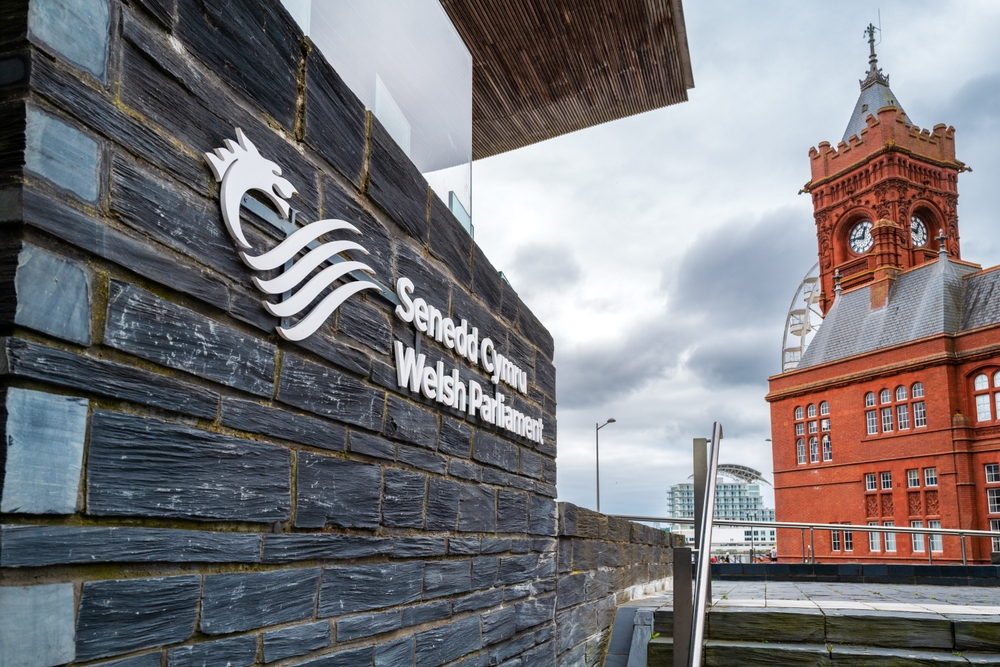
The Welsh government is seeking to become the first country in which politicians face legal consequences for deliberate campaign lies. Given that trust in institutions continues to decline, supporters argue that allowing lies to “flourish” with impunity is unsustainable.
Lawmakers argue that dishonesty is widespread in Welsh politics because current regulations impose minimal real penalties on dishonest candidates. A Senedd member expressed concern that politicians often “get away with it” when they deceive, further widening the credibility gap with voters. Supporters now contend that only enforceable sanctions, rather than voluntary commitments, can help restore public trust in politics.
Supporters argue that Wales can lead a global initiative to restore trust by enacting new regulations targeting political deception. The Welsh government has committed to creating “globally pioneering” laws that would criminalize political lying under certain circumstances. If successful, campaigners believe Wales could set a standard for other democracies facing similar trust challenges.
What the New Welsh Lying Bill Actually Does
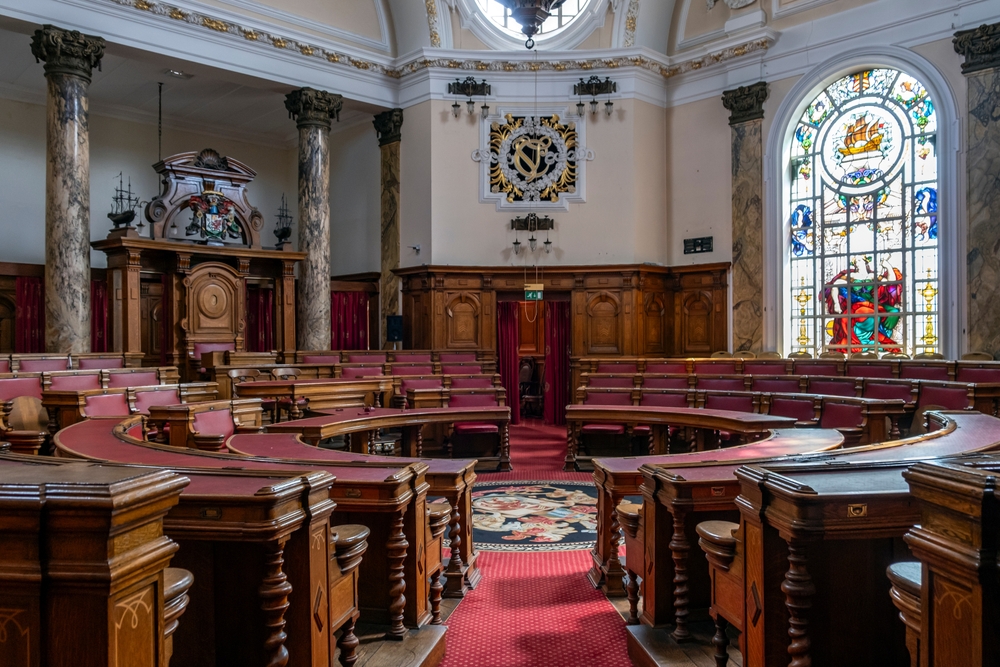
The bill focuses on false or misleading claims made during election campaigns, not statements made by politicians after their election. It follows the suggestions of the Senedd’s standards committee, which aims for practical reforms by 2026 and for longer-term deterrents. Notably, the draft law specifically targets statements meant to impact election results, rather than everyday parliamentary discussions.
Ministers are seeking the power to create a criminal offence for campaign statements that deliberately mislead voters on factual issues. UK law currently bans publishing false claims about a candidate’s character or conduct during elections. The Welsh proposals aim to broaden this by covering any false statement made to secure electoral advantage, not just personal smears.
Outside election periods, the Senedd’s standards commissioner handles dishonesty cases instead of criminal courts. This process addresses misleading statements made during parliamentary activities or public campaigns. Committee members observed that implementing broader criminal bans on dishonesty among elected officials might be too complex and potentially problematic to enforce.
When Politicians Could Be Removed for Lying
The standards committee seeks to ensure the Senedd code explicitly states that members must refrain from making deliberately misleading statements. Although the existing code regulates conduct both inside and outside parliament, it does not specifically ban intentional deception. The proposed update would obligate members to retract any false statement and issue a correction if they have lied.
Members who intentionally lie may face public corrections, suspension, or, in severe cases, recall polls that can remove them. These corrections would be displayed on their official Senedd profiles, establishing a permanent public record of the deception. In extreme cases, voters could initiate a ‘recall and remove’ process to oust the member and arrange for a replacement from the same party list.
Candidates who break expanded false‑statement rules during campaigns could face prosecution and lose their seats if convicted. The offence would be investigated by the police and decided by an electoral court, rather than by party bodies. Bangor analysts note that a successful prosecution could disqualify a candidate from serving as a Member of the Senedd.
Why Lawmakers Say Honesty Rules Are Needed
Supporters argue that the new rules address a significant credibility gap between politicians and voters in Wales. Surveys indicate that many believe politicians often lie and face little to no consequences when caught. With trust in institutions still low, they contend that unchecked deception will only further erode Welsh citizens’ confidence in their democracy.
Committee members and campaigners contend that politicians should adhere to the same standards of professional honesty expected in other regulated fields. Sam Fowles of the Institute for Constitutional and Democratic Research points out that many professions already demand strict honesty. He suggests that politicians should be held to similar standards to maintain the legitimacy and authority of public office.
The Welsh government states that the legislation aims to reinforce Welsh democracy amid declining trust. Officials view the bill as part of broader reforms to improve accountability and update Senedd elections. Ministers also stress that they only intervened after previous attempts to combat dishonesty in politics almost fell apart.
The Free Speech Problem Lawmakers Cannot Ignore
Critics endorse honest politics but caution that the bill currently lacks precise definitions of “false or misleading.” Two bipartisan committees pointed out that the draft law does not clearly specify which statements, individuals, or contexts are affected. They contend that giving ministers broad powers to limit political speech during campaigns is “extraordinary” without more specific restrictions and parameters.
Legal experts state that any restrictions on political speech must meet the criteria of clarity, necessity, and proportionality under Article 10. According to the European Convention on Human Rights, politicians are strongly protected in their right to free expression, especially during election debates. The standards committee cautioned that a vaguely worded criminal offence aimed at political speech could face significant legal challenges.
They worry that a vague offence might suppress open debate by making politicians and journalists hesitant to discuss controversial topics. Some members are concerned that when boundaries are unclear, candidates might prefer silence over risking missteps when evidence is inconclusive. Professor Jeremy Horder also cautioned that an overly broad law could discourage responsible media outlets from engaging in vigorous election coverage.
Why Defining ‘False or Misleading’ Is So Difficult
Analysts note that campaign assertions often rely on changing evidence, disputed statistics, and personal political opinions. Political discussions often involve interpreting partial data, highlighting a single part of a complex issue, or making forecasts about uncertain outcomes. Critics argue that these practices differ significantly from outright lies, even if later events show they were wrong.
People continue to debate whether issuing disputed economic forecasts or overly optimistic promises should be classified as criminally false. Commentators question how courts might handle differing interpretations of the same data or manifesto pledges, given unpredictable forecasts. They caution that confusing intentional deception with political optimism could limit acceptable disagreements in campaigns.
Scholars caution that an overly broad false-statements law might penalize honest speech rather than intentional deception. The standards committee stated that the potential risks and unintended effects of creating a new offence currently surpass the apparent benefits. They also emphasized the strain on the justice system and the practical challenge of proving that complex political statements are objectively fraudulent.
Senedd Committees Warn Against ‘Bad Law in a Poor Way’
The Senedd’s standards committee concluded that new criminal offences may carry more risks and unintended consequences than benefits. In its February 2025 report, it said it was “not convinced” that creating a criminal offence would restore trust. Members warned that vague drafting and enforcement problems could deepen public cynicism rather than reassure voters.
Senior Labour members caution that rushing complex legislation could leave Wales with “bad law passed in a poor way”. Deputy presiding officer David Rees told colleagues that the Senedd must “get the law right” rather than chase headlines. Labour MS Alun Davies warned against rushing measures “to make people feel good” while failing to address deeper problems.
Committees voiced concerns about the brief scrutiny period, citing insufficient time for consultation and thorough evidence collection. The legislation committee pointed out that the bill’s late introduction in the term reduced chances for public participation. Several Labour and Conservative members also questioned whether the government could implement the necessary amendments before progressing to the next stage.
Supporters Still Want Real Consequences for Liars
Supporters like Adam Price insist the government will face public anger if it drops the anti‑lying provisions altogether. The former Plaid Cymru leader argued that voters will “rightly hold to account” ministers who retreat after promising action. He urged colleagues to improve the bill at later stages rather than scrap the commitment to tackle deception.
Jane Dodds argues that lying flourishes in politics because candidates can mislead voters without facing real sanctions. The Liberal Democrat MS acknowledged serious concerns about the draft but urged the Senedd to amend, not abandon, the proposals. She warned that failing to act would leave in place a culture where dishonest campaigning remains effectively cost‑free.
Campaigners hope a successful Welsh model could pressure Westminster and other parliaments to adopt similar standards of honesty. Compassion in Politics said the report puts Wales at the forefront of the battle against political deception. The group now calls on Westminster to follow, arguing that voters elsewhere also want meaningful consequences for deliberate lies.
Criminal Courts or Stronger Standards Rules?
Lawmakers briefly considered a general criminal ban on lying by elected members but rejected it as too complex. The standards committee examined options for making political lying illegal in all contexts but found serious drafting and enforcement problems. It concluded that such a broad offence could conflict with free expression and prove unworkable in practice.
Instead, they propose widening existing election offences so any false statement for electoral advantage can trigger prosecution. Currently, the law only covers false statements about a rival’s personal character or conduct during campaigns. Under the Welsh proposals, police and electoral courts could investigate a broader range of deceptive campaign claims.
Some experts prefer independent oversight bodies that focus on corrections and transparency rather than heavy criminal penalties. Policy groups have suggested systems in which independent panels assess accuracy and require prompt public corrections rather than prosecutions. Supporters argue this approach could deter deliberate lies, reduce pressure on criminal courts, and protect open debate.
Read More: AI Has a Bold Take on the 2028 U.S. Election Winner
Could Wales Become a Test Case for Political Honesty?
Observers say Wales could either pioneer enforceable honesty rules or become a cautionary tale about over‑reaching speech laws. The Senedd must craft a law narrow enough to hit deliberate deception, yet flexible enough to preserve robust argument. Whether that balance can be achieved will decide if other democracies treat Wales as a model or a warning.
The lying ban will not apply at the next election and may not take effect until 2030 at the earliest. Even ministers admit that this timetable may prove optimistic, given the bill’s complexity and the number of safeguards required. Critics already question whether a delayed law that faces strong legal headwinds will ever meaningfully change campaign behavior. If it survives legal and political tests, the law would allow Welsh politicians to lose their seats for deliberate lies. That would make Wales the first country where some campaign lies carry both criminal penalties and direct electoral removal. For supporters, that outcome would finally align political accountability with the standards already expected in other professions.
Read More: Internet ‘Detectives’ Zero In on Charlie Kirk and His Wife in Bizarre New Theory