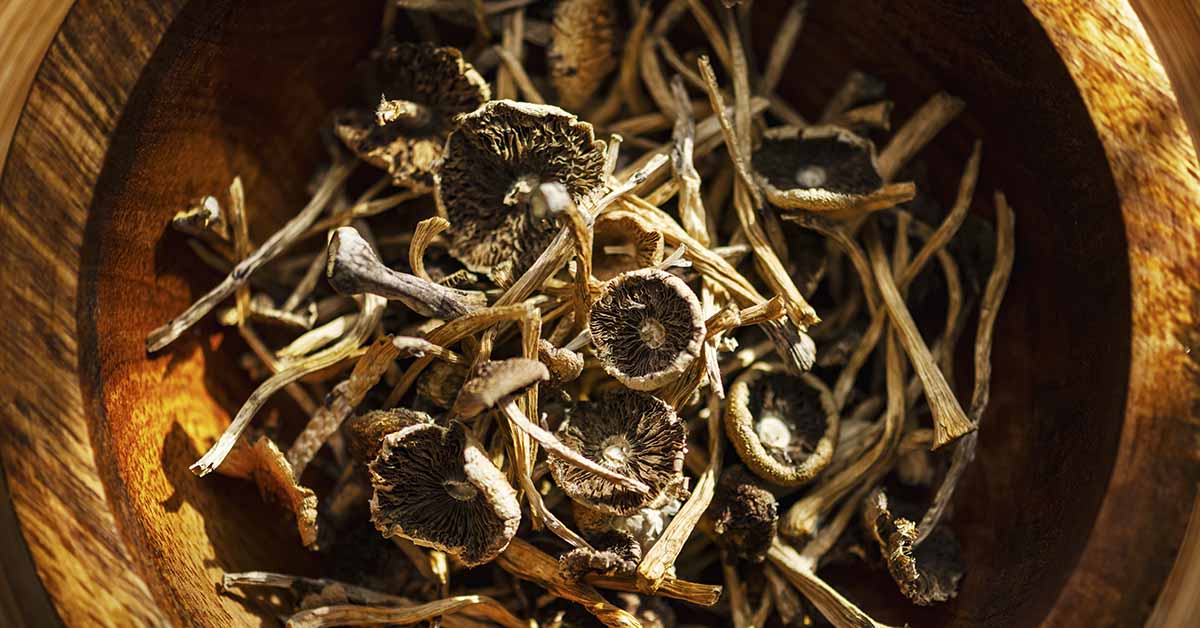

Psilocybin is well-known as the psychoactive compound in psychedelic mushrooms. It is known for its effects on the brain, beyond just its hallucinogenic effects. In clinical trials, psilocybin has shown potential in treating mental conditions such as depression, anxiety, addiction and post-traumatic stress. When conditions do not adequately respond to standard treatments, alternative treatments like psilocybin may prove effective.
Most studies have primarily focused on how psilocybin impacts the brain. However, researchers at Baylor College of Medicine (BCM) have discovered that psilocybin can improve and prolong the lifespan of cells in aged mice. Their findings suggest that compounds like psilocybin may also delay the cellular clock that drives aging. If future trials confirm these early signals, clinicians could gain a radically different tool for promoting healthy longevity.
The Telomere Clue

Telomeres are protective layers that guard chromosome ends but shorten as a person ages. Oxidative stress accelerates this loss, and critically short telomeres push cells into senescence – the process of aging. People with chronic depression or PTSD often carry shorter telomeres, linking mental stress and quicker biological aging.
Conversely, people with better mental health tend to have longer telomeres and reduce their biological aging. A so-called “psilocybin-telomere hypothesis” has been formulated from the connection between telomeres and aging stating that psilocybin reduces cellular aging by maintaining telomere length.
In cultured human lung and skin fibroblasts, its active metabolite psilocin preserved telomere length and delayed senescence by up to 57%. Because telomere length predicts disease risk, even modest protection could translate into healthier years.
A Connection Between Mind and Cell
Scientists long focused on psychedelics for their neuroactive effects. Yet serotonin 5-HT2A receptors, the main target of psilocybin, appear in our skin, lung, heart, and immune tissues. That widespread reach prompted researchers to ask whether psychedelic signaling might influence the markers of aging, such as genomic instability and telomere erosion.
In 2025, a Baylor and Emory team fed aged mice monthly psilocybin doses. Treated animals lived dramatically longer, with 80% of the mice surviving the 10-month study versus 50% of the control group. The treated mice’s furs regained sheen, showing promising of potential cell regeneration and slowing oxidative stress.
Lessons From Lab-Grown Cells
Beyond telomeres, psilocin raises the longevity enzyme SIRT1 while damping reactive oxygen species. SIRT1 orchestrates DNA repair, mitochondrial biogenesis, and metabolic regulation. Boosting it typically demands calorie restriction or intense exercise; psilocybin triggers similar pathways pharmacologically.
Researchers also found higher levels of GADD45a-mediated DNA repair proteins, suggesting improved response to molecular damage. Together, these changes match several recognized “hallmarks of aging” and may explain the extended cellular lifespan.
Read More: Mild Head Trauma Reversed in Rats with Psilocybin Treatment
Older Mice, Longer Lives
Scientists administered monthly oral psilocybin to 19-month-old female mice, approximately equal to 60 year old humans. The mice received an initial 5 mg/kg dose followed by 9 monthly 15 mg/kg doses. Despite their advanced age, their survival rate jumped 30 percentage points. Hair repigmentation and thicker coats emerged within months, echoing human reports of improved skin tone after psychedelic therapy. The doses mirrored human clinical regimens designed for mental health studies, suggesting translational potential. Importantly, treated mice showed no weight loss or overt toxicity, countering fears of cumulative harm.
SIRT1
Multiple studies confirm SIRT1 plays a central role in delaying senescence, enhancing mitochondrial function, and protecting vasculature. Psilocin’s ability to raise SIRT1 positions it alongside known geroprotectors like resveratrol. Unlike plant polyphenols, however, psilocybin engages serotonin receptors to spark SIRT1 activity, revealing a distinct pharmacology that could be combined with dietary interventions for additive benefit.
Safety and Dosing Questions
Large studies show that only 0.2 percent of psilocybin users require emergency medical care. Most problems resolve within a day without lasting harm. However, anti-aging treatments would involve repeated doses over months or years. This raises new safety questions that single-use psychiatric studies have not addressed. Regular psilocybin use might cause tolerance, where patients need higher doses for the same benefits.
Repeated psychedelic experiences could also trigger psychological distress in some individuals. The mental preparation needed for therapeutic sessions becomes more complex with frequent dosing schedules. Additionally, extending cellular lifespan sounds positive but carries theoretical cancer risks. If cells live longer and divide more, they might accumulate genetic mutations that lead to tumors.
Therefore, anti-aging psilocybin protocols will need careful cancer screening throughout treatment. Doctors must monitor patients for early tumor signs using advanced imaging and blood tests. Psychological support systems will also be crucial for managing repeated psychedelic experiences safely.
Where Clinical Trials Stand
Currently, 70 registered studies are investigating psychedelics for psychiatric disorders, and a growing number include older adults. Phase II trials are exploring micro-dosing schedules that might deliver cellular benefits without intense psychedelic experiences. Regulatory momentum continues despite setbacks for other compounds. Recently, the FDA granted breakthrough status to psilocybin-assisted therapy for major depression, easing future aging-focused applications.
What Comes Next
Psilocybin’s ability to extend cellular lifespan in mice opens exciting possibilities for human longevity treatments. While promising, researchers need extensive human trials to confirm safety and effectiveness. If successful, monthly psychedelic sessions could become a revolutionary approach to healthy aging, complementing diet and exercise for longer, healthier lives.
Read More: Researchers Turn to LSD to Invent Innovative Brain-Healing Medicine