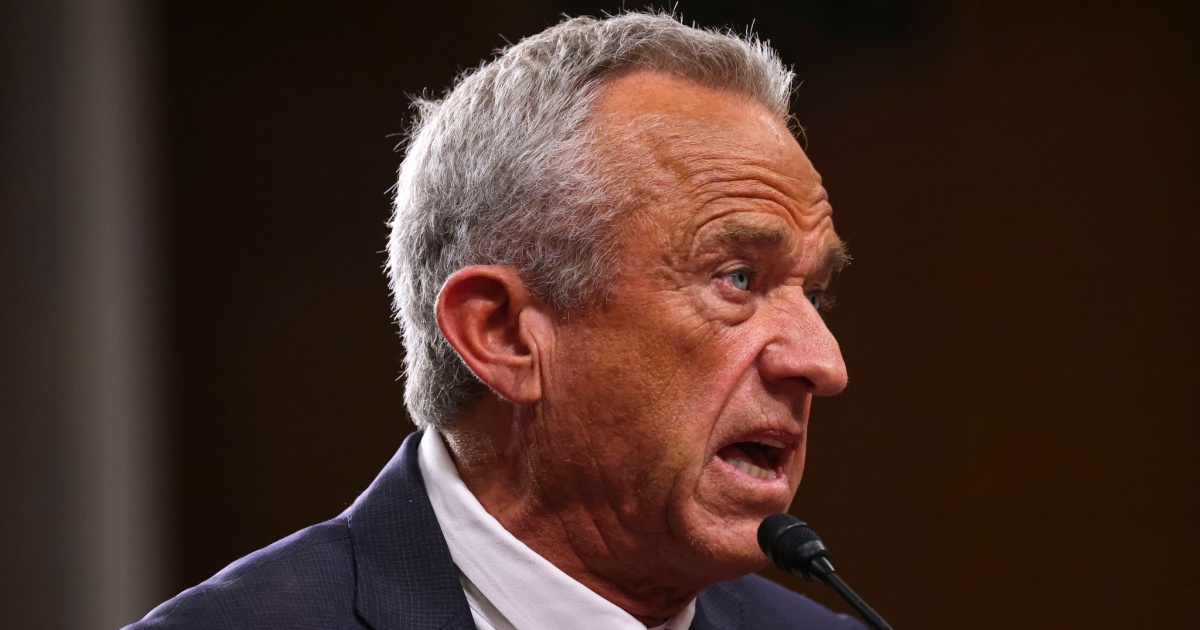

When the nation’s top health official stands before a crowd and announces that a popular diet can “cure” one of the most serious psychiatric conditions known to medicine, it demands scrutiny. Not partisan scrutiny – scientific scrutiny. The claim travels fast, lands hard in vulnerable communities, and carries the institutional weight of a cabinet-level office. For millions of Americans living with schizophrenia or supporting someone who does, the word “cure” is not a casual remark. It is either the most important thing they have heard in years, or a dangerous oversimplification that could pull someone away from the treatments keeping them stable.
The diet in question is the ketogenic diet – the high-fat, very low-carbohydrate eating plan that became a mainstream weight-loss tool but has roots in clinical medicine going back more than a century. The psychiatric claims now attached to it are not invented from nothing. There is a genuine and growing body of research exploring what this diet does to the brain, and some of that research is genuinely encouraging. But encouraging early signals are not the same as clinical proof of a cure, and the distance between those two things matters enormously when we are talking about a condition as severe and complex as schizophrenia.
What follows is a close examination of what was said, by whom, what the actual science shows, where the evidence is legitimately promising, and where it still falls short – together with the known risks of the diet that no responsible discussion can ignore.
What RFK Jr. Actually Said
According to an AFP Fact Check, while speaking at the Tennessee state capitol on February 5, 2026, U.S. Health and Human Services Secretary Robert F. Kennedy Jr. told an audience that a Harvard University doctor had “cured schizophrenia using keto diet.” The remarks came as Kennedy was touting the Trump administration’s new Dietary Guidelines for Americans document, which sets food policy for federally funded nutrition programs, including food stamps and school lunches.
Kennedy also said there were studies showing people “lose their bipolar diagnosis by changing their diet.” He framed it with the broader claim that “we now know that the things that you eat are driving mental illness in this country.”
In his speech, Kennedy mentioned a “Dr. Pollan” at Harvard, but there appears to be no such person there or elsewhere who has studied the keto diet and its effect on schizophrenia. He may have meant to cite Christopher Palmer, an assistant professor of psychiatry at Harvard Medical School. The attribution error was not a minor slip. It signals that the claims were not carefully checked before being delivered to a national audience from a position of official authority.
The New York Times characterized Kennedy’s assertion as “an unfounded claim that experts say vastly overstates preliminary research into whether the high-fat, low-carbohydrate diet might help patients with the disorder.”
The Researcher Kennedy Apparently Had In Mind
Dr. Christopher Palmer is a Harvard psychiatrist and researcher working at the interface of metabolism and mental health. He is the Founder and Director of the Metabolic and Mental Health Program and the Director of the Department of Postgraduate and Continuing Education at McLean Hospital, and an Assistant Professor of Psychiatry at Harvard Medical School. His theory – that conditions like schizophrenia and bipolar disorder stem in part from dysfunction in the brain’s energy production systems – has attracted legitimate academic attention and forms the intellectual foundation of a field now called metabolic psychiatry.
Kennedy appeared to be referring to research by Palmer, who described two patients in 2019 whose schizophrenia symptoms went into remission while on a keto diet. Those two case reports, published in a peer-reviewed journal, are notable. But they are case reports – observations of individual patients, not controlled experiments. They cannot establish whether the diet caused the improvement, or whether other factors were responsible.
When Kennedy’s remarks went public, Palmer did not stay silent. He responded: “While I appreciate the secretary’s [apparent] enthusiasm for my research, I have never claimed to cure schizophrenia, and I have never used the word cure in any of my talks or my research.” Palmer explained that the way he thinks about the ketogenic diet is “not about a good diet versus a bad diet or a healthy diet versus an unhealthy diet” – he thinks about it as “a metabolic intervention.”
He was explicit about the risks of misrepresenting the evidence: “People following diets for health and wellness advice or even long-term cardiovascular health – it’s not at all the same thing as treating a serious brain disorder like epilepsy or schizophrenia. By no means would I ever want them to think that [a person with schizophrenia] can go wing it and just try a diet and cure themselves.”
Palmer co-authored a 2025 study that reviewed the evidence for the ketogenic diet as a possible treatment for schizophrenia. His position is that the research is promising enough to investigate seriously – but that it is nowhere near ready to be called a cure, and that doing so is both scientifically wrong and potentially harmful to patients.
What Independent Experts Say
The expert response to Kennedy’s claim was consistent across multiple institutions and disciplines.
Dr. Mark Olfson, a Professor of Psychiatry, Medicine, and Law at Columbia University Medical Center, told The New York Times: “There is currently no credible evidence that ketogenic diets cure schizophrenia.”
Dr. Paul Appelbaum, the Elizabeth K. Dollard Professor of Psychiatry, Medicine and Law and Director of the Division of Law, Ethics and Psychiatry at Columbia, is a past president of the American Psychiatric Association. He acknowledged there is some “very preliminary evidence” that the diet “might be helpful” in patients with schizophrenia, but said it is “simply misleading to suggest that we know that ketogenic diets can improve schizophrenia symptoms, much less that they can ‘cure’ the condition.”
Experts across the board agree that ketogenic diets show promise for schizophrenia and bipolar disorder, but the research is preliminary and not backed by randomized controlled trials – the gold standard in clinical medicine. An RCT (randomized controlled trial) is a study where participants are randomly assigned to different treatment groups, allowing researchers to isolate the effect of a single intervention. Without RCT data, claims of efficacy rest on a much weaker evidential foundation.
Some short-term studies do suggest keto diets may help certain symptoms, but most lack control groups for comparison. That absence of control groups means researchers cannot rule out the placebo effect, lifestyle changes, increased clinical attention, or other concurrent factors as the real drivers of any improvement seen.
The Science Behind the Theory – And Why It Has Merit
Dismissing the entire scientific premise behind these claims would itself be inaccurate. There is a coherent biological theory, supported by a growing body of preliminary research, that links metabolic dysfunction to psychiatric illness.
There is increasing evidence that psychiatric diseases such as schizophrenia and bipolar disorder stem from metabolic deficits in the brain, which affect the excitability of neurons. Mental illnesses such as bipolar disorder, schizophrenia, autism, Alzheimer’s disease and depression share common pathophysiologies, including mitochondrial dysfunction, glucose hypometabolism, dysregulated insulin signaling, chronic inflammation, and oxidative stress.
The reasoning connecting this to the ketogenic diet is straightforward. When the brain cannot efficiently use glucose (sugar) for energy, ketones – produced by the liver when the body burns fat instead of carbohydrates – may provide an alternative fuel source. The ketogenic diet can provide ketones as an alternative fuel to glucose for a brain with energy dysfunction.
Ketogenic therapy also increases the ratio of gamma-aminobutyric acid (GABA) to glutamate in neurons. Balancing these inhibitory and excitatory neurotransmitters helps suppress excessive neuronal firing that contributes to certain forms of mental illness. Additionally, ketogenic therapy significantly reduces inflammation in the brain, which is strongly associated with depression, anxiety, schizophrenia and bipolar disorder, by regulating immune signaling and reducing oxidative stress.
The diet also has a well-established precedent in neurology. In 1921, endocrinologist Russell Wilder, MD, discovered that the ketogenic diet could mimic the metabolic effects of fasting, long known to reduce seizures. More than a dozen randomized controlled trials have since shown that ketogenic diets significantly and safely stabilize neuronal networks, quelling seizures in many patients with epilepsy. The logic of testing a diet that modulates brain activity in epilepsy patients on psychiatric conditions that also involve abnormal brain activity is not unreasonable. It is, however, a hypothesis – not a proven treatment protocol.
The Key Clinical Findings So Far
The most frequently cited human trial is a 2024 pilot study from Stanford Medicine led by psychiatrist and obesity specialist Dr. Shebani Sethi. The study found that a ketogenic diet not only restores metabolic health in patients as they continue their medications, but it further improves their psychiatric conditions. The results were published in Psychiatry Research.
In the four-month pilot trial, Sethi’s team followed 21 adult participants diagnosed with schizophrenia or bipolar disorder who were taking antipsychotic medications and had a metabolic abnormality. Participants were instructed to follow a ketogenic diet with approximately 10% of calories from carbohydrates, 30% from protein, and 60% from fat.
The metabolic outcomes were striking. After four months, none of the participants had metabolic syndrome. On average, they lost 10% of their body weight, reduced their waist circumference by 11%, and had lower blood pressure, triglycerides, blood sugar, and insulin resistance. On the psychiatric side, participants with schizophrenia showed a 32% reduction in Brief Psychiatric Rating Scale scores, and overall Clinical Global Impression severity improved by an average of 31%.
These are meaningful numbers – in a very small, uncontrolled pilot study. Sethi herself noted that multiple mechanisms are likely at work and that the main purpose of the small pilot trial is to help researchers detect signals that will guide the design of larger, more robust studies.
More than 40% of people with severe mental illnesses also have metabolic syndrome. Metabolic dysfunction certainly exacerbates symptoms of mental illness, and evidence indicates it might often be an underlying cause as well. This co-occurrence is part of what makes metabolic interventions worth studying seriously – many patients dealing with serious psychiatric conditions are also contending with significant physical health problems that existing treatments often make worse, not better.
On the depression front, a 2026 meta-analysis published in JAMA Psychiatry assessed the effects of ketogenic diets on mental health outcomes in adults with treatment-resistant depression. The analysis found that ketogenic diets were associated with modest improvements in depressive symptoms, particularly when biochemical ketosis was verified, though the evidence for anxiety outcomes was inconclusive. Given the heterogeneity of studies, different comparison groups, and short follow-up periods, well-powered trials with standardized, verified protocols are needed to confirm whether the effects are real and lasting.
Looking ahead, Palmer, who was a consultant to one of the trials, noted that “two randomized, controlled trials of the ketogenic diet for schizophrenia just wrapped up,” with results to be published over the coming year. Those results will matter significantly. If large RCTs confirm what small pilot studies have suggested, the field of metabolic psychiatry will stand on considerably firmer ground.
The Real Risks That Cannot Be Ignored
Experts have pointed to long-term concerns related to “cholesterol levels, kidney function, nutrient balance, and overall cardiovascular risk, particularly if the diet is poorly designed or unsupervised.” These are not hypothetical warnings. They reflect documented patterns in the clinical literature.
Ketogenic diets appear to lower blood levels of triglycerides but raise levels of artery-clogging LDL cholesterol. With respect to lowering blood sugar and blood pressure, the observed short-term benefits tend to fade over time. A 2024 review cited by Harvard Health concluded that the ketogenic diet does not meet the standards for a healthy diet and may not be safe for some people with heart disease.
Ketogenic therapy is a serious medical intervention, not to be confused with the related but much less rigorous weight-loss diet based on similar principles. Keto therapy can interact dangerously with some antipsychotic medications, as well as with other health conditions, so an experienced physician and trained nutritionist must guide and monitor it.
For people with diabetes, the risks are particularly acute. Patients with diabetes who use insulin or oral hypoglycemic agents are at heightened risk for significant hypoglycemia (dangerously low blood sugar) when initiating the ketogenic diet, and their medication regimens typically require close monitoring and careful dose reduction. Individuals with diabetes who use SGLT2 inhibitors – a common class of diabetes and heart failure medications – should avoid the ketogenic diet altogether, as the combination carries serious risks.
Studies in mice have also shown long-term risks of keto, including fatty liver disease. Researchers note that while the findings can inform other trials, they are not immediately translatable to humans. Still, they are a reason for caution rather than wholesale adoption.
Read More: Scientists Find High-Fat Diet Could Help Maintain Brain Health
The population that would theoretically benefit most from ketogenic psychiatric therapy – people with serious mental illness – is also among the most vulnerable to unsupervised dietary changes. Many take medications with narrow therapeutic windows. Many face barriers to consistent medical monitoring. Telling this group through a national speech that a diet can “cure” their condition, without clinical context or safety caveats, is not health promotion. It is misinformation with potentially serious consequences.
The Bipolar Dimension
Kennedy’s claims were not limited to schizophrenia. He also asserted that people “lose their bipolar diagnosis by changing their diet.” The evidence here is similarly preliminary – but similarly real in its early signals.
The ketogenic diet, initially developed for epilepsy treatment, has gained attention as a potential intervention for neuropsychiatric disorders. A 2025 pilot study published in BJPsych Open highlighted its feasibility and potential efficacy in bipolar disorder.
A randomized placebo-controlled clinical trial involving 100 adult participants with diagnoses of bipolar disorder, schizoaffective disorder, or schizophrenia is underway, comparing a dietitian-led, medically supervised ketogenic diet against a standard healthy eating guide over 14 weeks. Primary outcomes include psychiatric and cognitive measures – symptom improvement and functional changes tracked across multiple validated psychiatric rating scales. This is exactly the kind of rigorous study the field needs, and the results will help determine whether the early pilot findings hold up under controlled conditions.
The Distinction Between Symptom Improvement and Cure
The scientific disagreement here is not really about whether keto has any effect on the brain. The disagreement is about what kind of effect, how large, how reliable, for whom, under what conditions – and whether “cure” is anywhere close to the right word.
The number of clinical trials assessing the effect of the ketogenic diet on serious mental illness is still limited. Preliminary research, predominantly case studies, suggests potential therapeutic effects including weight gain reduction, improved carbohydrate and lipid metabolism, decreased disease-related symptoms, increased energy and quality of life, and in some cases reductions in medication dosage.
Reduction in dosage is not the same as being cured. Symptom improvement is not the same as remission. Remission is not the same as being free of a diagnosis. These distinctions are not pedantic – they are the difference between an informed patient making safe decisions with their doctor and a patient abandoning medication on the basis of a political speech.
Ketogenic therapy is a serious medical intervention, not a casual dietary switch. It can interact dangerously with some antipsychotic medications and other health conditions. Because there are multiple versions of the diet, a professional should work with patients to select the right one. Sethi has emphasized that ketogenic therapy should be seen as an adjunctive, safe, and promising treatment for metabolic and psychiatric disorders – not a replacement for conventional care.
That framing – a tool among many, supervised, adjunctive, carefully monitored – is the version of this story supported by the evidence. The version involving a cure announced at a political rally is not.
What to Do With This Information
The science of ketogenic diets and mental health is a legitimate and rapidly developing field that deserves serious attention. The research infrastructure is building – pilot trials, case studies, and the first genuine RCTs are beginning to generate data. Researchers at Stanford Medicine, Harvard Medical School, and institutions around the world are investing in this question. That work should continue.
What it should not do is get ahead of itself. Experts are in agreement that Kennedy’s comments overstated promising initial results from studies that examined the role of the high-fat, low-carbohydrate diet as an intervention for psychiatric patients who do not see relief from pharmaceutical treatments. The distinction between “promising early evidence” and “proven cure” is not a technicality. In medicine, it is everything.
For anyone living with schizophrenia, bipolar disorder, or major depression – or caring for someone who does – the message from the evidence is clear enough to act on, even if incomplete. Metabolic health matters for mental health. Diet may one day be a recognized adjunct to treatment for serious psychiatric conditions. The early signals are worth watching. But any dietary change that intersects with psychiatric medication requires direct, ongoing supervision from qualified physicians. No cabinet secretary’s speech, however well-intentioned, substitutes for that clinical relationship.
The RCT results Palmer referenced – due to be published within the coming year – will be among the most important data points this field has seen. When they land, they should be read carefully, contextualized honestly, and communicated to patients with precision. That is what the evidence deserves. And so do the patients.
Disclaimer: This information is not intended to be a substitute for professional medical advice, diagnosis or treatment and is for information only. Always seek the advice of your physician or another qualified health provider with any questions about your medical condition and/or current medication. Do not disregard professional medical advice or delay seeking advice or treatment because of something you have read here.
A.I. Disclaimer: This article was created with AI assistance and edited by a human for accuracy and clarity.
Read More: RFK Jr., Thimerosal, and the Global Vaccine Fight