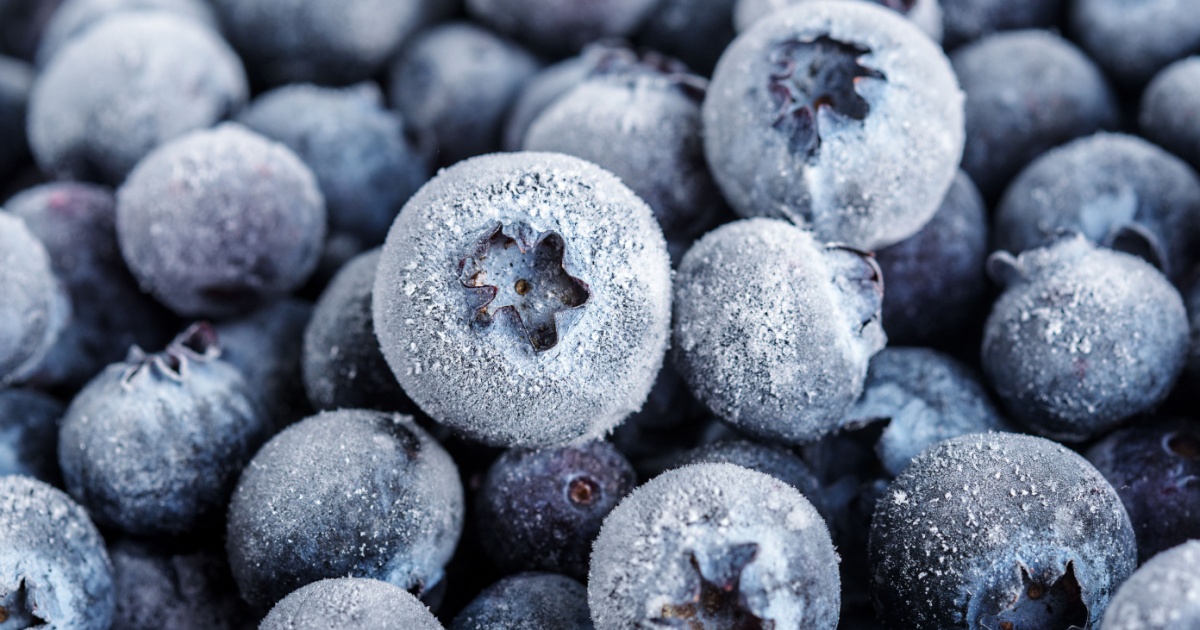

Nutritional researchers have long assumed that fresh always beats frozen when it comes to the quality of our food. For blueberries, at least, the evidence says otherwise. Multiple lines of research – including work by Lohachoompol, Srzednicki, and Craske published in the Journal of Biomedicine and Biotechnology and a separate study out of South Dakota State University – show that frozen blueberries anthocyanins content holds up remarkably well, and in some cases may be higher than what you’d find in the fresh berries sitting in your produce aisle. For anyone trying to eat well without spending a fortune or chasing seasonal availability, this finding has real practical meaning.
Before going further, it helps to understand what anthocyanins actually are. Anthocyanins (pronounced an-tho-SY-uh-ninz) are natural plant pigments – the compounds responsible for the deep blue, purple, and red colors you see in berries, red cabbage, and certain other fruits. They belong to a larger family of plant chemicals called polyphenols (poly-FEE-nolz), which are protective compounds that plants produce naturally. In humans, anthocyanins act as antioxidants – meaning they help neutralize free radicals. Free radicals are unstable molecules your body produces during normal processes like digestion and exercise, as well as from external stressors like pollution and UV rays. When free radicals build up unchecked, they damage cells, accelerate aging, and raise the risk of chronic diseases. Anthocyanins help offset that damage, and blueberries happen to be one of the richest sources of these compounds found anywhere in the food supply.
What the Research Actually Shows About Frozen vs. Fresh Blueberries
The question of whether frozen blueberries retain more nutrients than fresh is not a new one, but the research answers it more clearly than most people realize. A key study examined the effects of freezing, storage, and cabinet drying on the anthocyanin content and antioxidant activity of blueberries (Vaccinium corymbosum L.), with fresh samples stored at 5°C for two weeks and frozen samples kept at -20°C for up to three months. The frozen samples showed no significant decrease in anthocyanin levels during three months of storage. That’s a big deal. Three months in the freezer, and the antioxidant profile stays essentially intact.
Marin Plumb, a graduate researcher at South Dakota State University, took this question further and found something even more compelling. She analyzed the anthocyanin content of blueberries frozen for one, three, and five months and found no decrease in antioxidants compared to fresh berries. The leaching that occurs from freezing actually increased the anthocyanin concentration, because ice crystals that form during freezing disrupt the structure of the plant tissue, making the anthocyanins more available. In plain terms, the freezing process physically breaks open the cells of the berry, releasing anthocyanins in a way that makes them easier for your body to access when you eat them.
The process of freezing blueberries enhances their color because when blueberries are frozen, ice crystals that form can rupture the cell walls of the fruit – a process called “cryogenic fracturing” – which allows the anthocyanins to become more concentrated and more easily released. A study by the University of Chester found that frozen blueberries showed higher levels of anthocyanins and other antioxidants compared to fresh ones stored in a refrigerator for three days. Refrigerator storage, it turns out, is not as neutral as we tend to assume.
Why the Fresh Blueberries in Your Grocery Store May Fall Short
To understand why frozen vs. fresh blueberries nutrition is such an interesting comparison, you need to understand how fresh blueberries actually get to you. The journey from farm to store shelf is longer than most people picture.
In order for berries to be ripe by the time they reach consumers, they are often picked in their pre-ripe form and further lose some of their nutrients during their long travel to the grocery store. Ripeness matters enormously for anthocyanin levels. Anthocyanin content is usually proportional to color intensity and can range from 2 to 4 g/kg, increasing as the fruit ripens. A blueberry picked early to survive shipping carries fewer anthocyanins than one left on the bush to reach full color. By the time it sits in a refrigerated truck, arrives at a distribution center, gets restocked, and reaches your cart, it may be days or even weeks past harvest.
Frozen blueberries follow a completely different timeline. Frozen fruits and vegetables are picked at the peak of ripeness and then flash frozen to preserve optimal nutrition. Flash freezing – which drops the temperature of the fruit very rapidly – prevents the formation of large, damaging ice crystals and locks the berry’s nutrient profile in place at the moment it’s most nutritionally valuable. That’s a meaningful structural advantage over fresh blueberries that travel long distances before sale.
There is one caveat worth knowing. Freezing appears to be an acceptable form of storing blueberries for up to approximately 66 days (about 2 months), depending on ice crystal formation. Because anthocyanins are water-soluble, they may be removed from the flesh of the blueberry and locked into the ice crystals. When the blueberries are thawed prior to extraction, the anthocyanins are then leached from the berry, increasing the amount found in the extract. After about two months, some anthocyanins may migrate into the surface frost of the bag – commonly known as freezer burn. This doesn’t make the berries harmful, but it is a reason to rotate your frozen stock and not leave a bag sitting untouched for half a year.
The Health Benefits of Blueberry Anthocyanins
So why does frozen blueberries’ anthocyanin content research matter to your health in practice? The case for regular anthocyanin intake is built on a solid body of evidence across cardiovascular health, brain function, and inflammation control.
Heart Health
Epidemiological studies associate regular, moderate intake of blueberries and/or anthocyanins with reduced risk of cardiovascular disease, death, and type 2 diabetes, and with improved weight maintenance and neuroprotection. The mechanisms behind these effects are increasingly well understood. Mechanistic insights indicate that anthocyanins are cardioprotective agents that refine arterial health, inducing vasodilation and constraining platelet aggregation. In simpler terms, they help blood vessels relax and reduce clotting risk – two things that matter a great deal for long-term heart health.
A 2024 meta-analysis published in Frontiers in Physiology found that blueberry consumption significantly improved flow-mediated dilation (a measure of how well blood vessels respond to increased blood flow) and led to a meaningful reduction in diastolic blood pressure (the bottom number in a blood pressure reading). A team from King’s College London also reported that individuals who followed dietary patterns high in polyphenols had lower predicted cardiovascular disease risk, with the study published in BMC Medicine tracking more than 3,100 adults for over ten years, finding that polyphenol-rich diets were linked to healthier blood pressure and cholesterol levels.
It’s worth being honest about the limits of this evidence. Most cardiovascular studies on blueberries are relatively short-term, and findings around blood pressure effects are mixed across different populations. A higher intake of one to three or more servings per week is associated with cardiovascular health benefits based on population studies, with findings from acute and chronic blueberry consumption studies promising for cardiovascular disease risk and vascular function – though more research is warranted for blood pressure specifically.
Brain Function
A 2024 report in Frontiers in Pharmacology found that metabolites in blueberries have the potential to protect the brain, with the authors calling out anthocyanins, flavonoids, carotenoids, and vitamins C and E as potentially protective compounds that may change processes implicated in age-related cognitive decline, amnesia, and neurodegenerative diseases such as Alzheimer’s and Parkinson’s.
One of the more compelling human trials on this topic was published in Geroscience. In a double-blind, randomized placebo-controlled trial, participants experiencing cognitive issues consumed either wild blueberry powder or a placebo powder daily for six months, with results revealing an improvement in speed of processing in the blueberry group – and the effect was most robust in those 75 to 80 years of age. These are the kinds of improvements that can make a real difference in daily function for older adults. That said, a 2024 randomized controlled trial published in the American Journal of Clinical Nutrition found mixed results in participants with metabolic syndrome, suggesting that blueberry benefits on cognition may vary depending on individual health status, and that larger, longer-term studies are still needed.
Blood Sugar and Inflammation
Research suggests that anthocyanins in blueberries have beneficial effects on insulin sensitivity and glucose metabolism, with these anti-diabetes effects observed with both fresh and freeze-dried berries. For anyone managing blood sugar or at risk for type 2 diabetes, that’s a useful property.
On the inflammation side, among the more important healthful aspects of blueberries are their anti-inflammatory and antioxidant actions and their beneficial effects on vascular and glucoregulatory function. Chronic low-grade inflammation – where the body’s immune response stays switched on at a low level over months and years – is a contributing factor to conditions including heart disease, type 2 diabetes, and some cancers. Foods that consistently dampen that response have real preventive value.
Blueberries also offer nutrients beyond anthocyanins. One cup of blueberries provides one-quarter of your daily vitamin C requirement and 4 grams of fiber. The berries also contain vitamin K and manganese. They’re also about 85% water and carry only around 84 calories per cup – making them one of the most nutrient-dense, low-calorie options in the produce section.
For more on how plant compounds like these support long-term health, see how polyphenol-rich plants support blood sugar, blood pressure, and immune health.
Are Frozen Blueberries as Healthy as Fresh? The Direct Answer
People searching “do frozen blueberries have more antioxidants than fresh” or “are frozen blueberries healthier than fresh blueberries” are usually expecting a simple yes or no. The honest answer is: for most people buying blueberries outside of a local peak harvest season, frozen is at least as good and very likely better.
Research reveals that frozen blueberries retained anthocyanin levels as high – or even slightly higher – than freshly picked berries, with no significant degradation over three months. The comparison gets even more favorable for frozen when you factor in what “fresh” actually means in most grocery stores: early-harvested, lower-anthocyanin berries that have been sitting in cold storage and transit for days before reaching you.
Two decades of research have suggested that anthocyanins may play important roles in helping reduce the risk of cardiovascular disease, cognitive decline, and cancer. Frozen blueberries put that full anthocyanin load within reach, year-round, at a lower price point than fresh. Frozen blueberries can last up to 10 months in a home freezer. That’s not a compromise – it’s a genuine advantage.
What about the one area where frozen blueberries do lose ground? Frozen blueberries have less vitamin C than their fresh counterparts. Vitamin C is heat and oxidation-sensitive, and the blanching step some frozen fruit undergoes before freezing can reduce it. If vitamin C is a priority for you, pairing frozen blueberries with a vitamin C-rich food (like an orange or kiwi) is an easy fix.
Practical Ways to Eat More Frozen Blueberries
The anthocyanin advantage of frozen blueberries doesn’t require any elaborate preparation. These are some of the most practical, evidence-backed ways to work them into a daily routine.
Smoothies
This is the most natural fit. Frozen blueberries lend a beautiful color and cool, refreshing flavor to smoothies without the need for ice. Blend half a cup with a banana, some Greek yogurt, and almond milk for a fast breakfast that delivers anthocyanins, protein, and fiber in one go. The cell disruption that occurs during freezing means the anthocyanins are already partially released – blending them further increases that availability.
Oatmeal and Yogurt
Stir a half-cup of frozen blueberries straight into hot oatmeal as it cooks. The heat will thaw them in about a minute while releasing their deep purple color into the oats. The same approach works with plain Greek yogurt – thaw slightly and fold in, or drop them in frozen and let them thaw over a few minutes. Aim for around half a cup (roughly 75 grams) as a daily serving, which aligns with the amounts used in most clinical research.
Baking
During baking, frozen blueberries hold their shape well and bleed less while maintaining their robust flavor. When adding frozen blueberries to muffins, pancakes, or quick breads, toss them lightly in a tablespoon of flour before folding into the batter. This helps distribute them evenly and prevents them from sinking to the bottom of the pan. Don’t thaw them first – going straight from frozen to batter reduces color bleed.
Sauces and Compotes
Warm a cup of frozen blueberries in a small saucepan over low heat with a squeeze of lemon juice and a teaspoon of honey. Within five minutes, you have a thick compote that works over pancakes, stirred into oatmeal, or spooned onto plain yogurt. This is one of the best ways to eat blueberries if you want maximum color and flavor concentration.
Eating Them Straight from Frozen
This sounds simple, and it is. Many people eat frozen blueberries directly from the bag as a cold, crunchy snack – no thawing required. The texture is firm rather than mushy, which some people actually prefer. Keep a bag accessible in the freezer door so it’s easy to grab a handful without thinking about it.
Savory Uses
Blueberries don’t have to be sweet. Thawed frozen blueberries work well in vinaigrettes (blend with balsamic vinegar, olive oil, and Dijon mustard), as a sauce for grilled chicken or salmon, or tossed into a grain bowl with feta and arugula. If you use Grade A IQF (Individually Quick Frozen) berries, they maintain their round shape after thawing and hold up better in salads and savory dishes.
Read More: 5 Reasons Why You Should Freeze Your Blueberries
What This Means for You
The bottom line on frozen blueberries anthocyanins is straightforward: freezing does not destroy these compounds. The research from Lohachoompol and colleagues and from South Dakota State University’s Marin Plumb both point in the same direction – frozen blueberries maintain or slightly increase their anthocyanin content compared to typical fresh blueberries purchased from a grocery store. The mechanism behind this is well-understood: rapid freezing preserves the berry at peak ripeness, and the formation of ice crystals within the berry tissue increases the accessibility of anthocyanins rather than reducing it. The key limitation to watch for is storage time. Keep frozen blueberries for no more than about two months for optimal anthocyanin levels, and store them in a sealed bag to minimize frost formation.
Practically speaking, a half-cup to one cup of frozen blueberries daily – blended into a smoothie, stirred into oatmeal, or eaten straight from the freezer – is one of the most efficient and affordable ways to consistently deliver anthocyanins, blueberry polyphenols, and supporting nutrients to your body. You don’t need fresh blueberries in season, you don’t need to spend extra, and you don’t need to worry that the frozen option is a nutritional step down. For most people, most of the time, it’s actually a step up.
Disclaimer: This information is not intended to be a substitute for professional medical advice, diagnosis or treatment and is for information only. Always seek the advice of your physician or another qualified health provider with any questions about your medical condition and/or current medication. Do not disregard professional medical advice or delay seeking advice or treatment because of something you have read here.
A.I. Disclaimer: This article was created with AI assistance and edited by a human for accuracy and clarity.
Read More: 20 Reasons Avocados Are Truly a Superfood