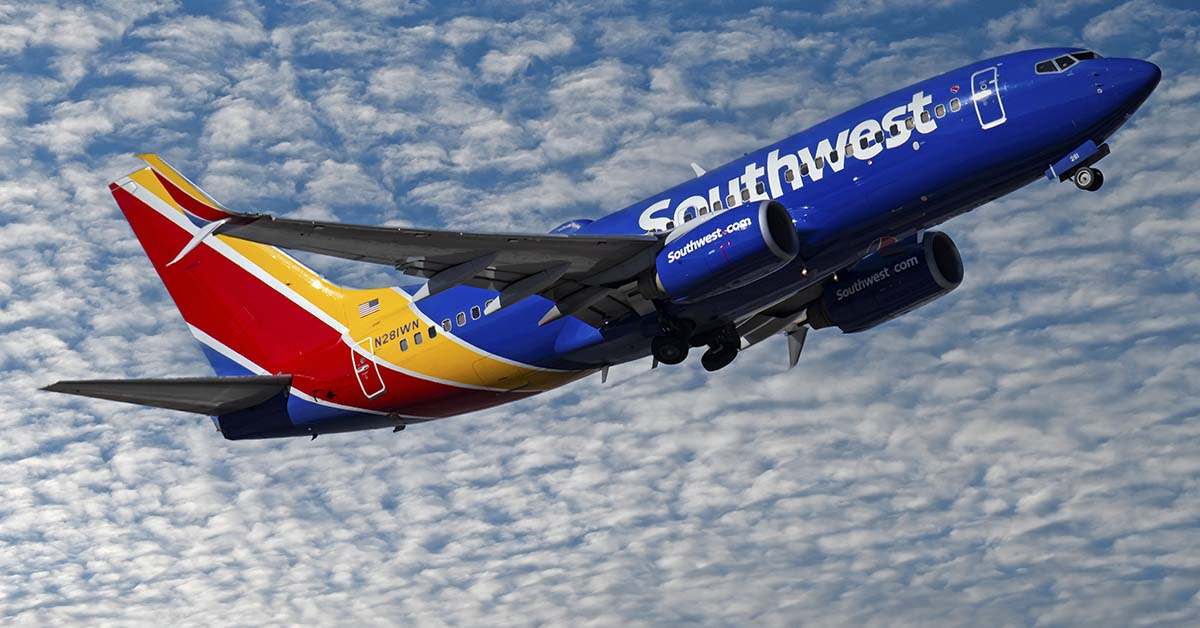

From next year, January, Southwest Airlines will drastically change how plus size travellers fly. The airline plans to implement a new policy that requires “plus-size” passengers who cannot fit within their seats’ arm rests to purchase an extra ticket before boarding. This marks a significant departure from Southwest’s long-standing customer-friendly approach that made it a preferred choice among larger passengers.
New Policy Changes Everything for Plus Size Travellers

The existing policy, which has an open-seating model and allows travelers to purchase an extra seat in advance and receive a refund later or request one for free at the airport if necessary. Under the new policy model plus size travellers can either buy an extra seat upfront with refund options or request a free additional seat at the airport when space allows. This policy change will do away with the traditional policies that made Southwest popular amongst plus-sized travellers
How The Refund System Will Work
Southwest will still offer refunds for extra seats under specific conditions. Passengers must purchase both seats in the same fare class and request refunds within 90 days of travel. Most importantly, refunds only apply when flights depart with at least one empty seat available. Travellers who fail to purchase extra seats ahead of time will be liable to purchase a ticket at the airport at potentially higher last-minute tariffs. If flights are completely full, these passengers will be rebooked on later flights.
Industry Expert Reactions Paint Concerning Picture
Jason Vaughn, an Orlando-based travel expert who operates Fat Travel Tested, has been very critical of the changes. He warned that the new policy will make flying worse for everyone, not just plus size travellers. Vaughn described the change as another disappointment for loyal Southwest customers, comparing it to other recent policy reversals that have betrayed longtime customers.
The National Association to Advance Fat Acceptance called Southwest a “beacon of hope for many plus-size individuals who otherwise wouldn’t have flown”. Executive director Tigress Osborn described the changes as devastating for larger travelers, noting that increased costs could prevent many from flying altogether.
Comparing Airline Policies Across The Industry
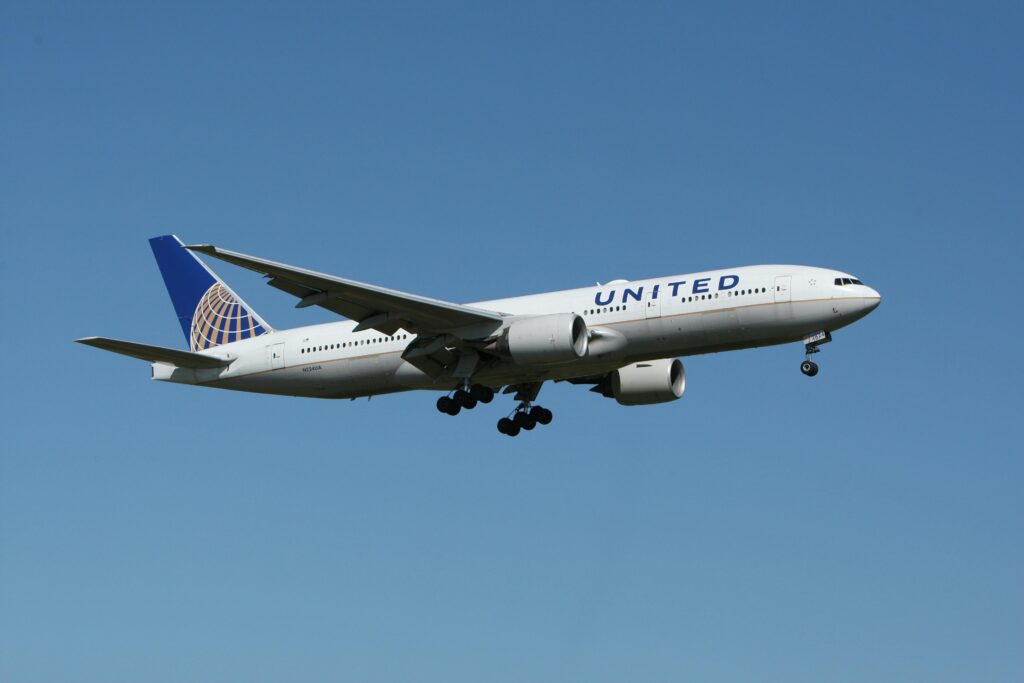
While Southwest’s policy change poses a financial burden on plus-size travellers, it still remains more accommodating than most of its competitors. United Airlines requires plus size passengers to buy second seats at full fare with no refund options. Spirit Airlines mandates extra seat purchases for anyone unable to lower both armrests. Frontier Airlines follows similar requirements for passengers needing additional space.
Delta Air Lines does not require passengers to purchase extra seats in advance but may reassign passengers or request different flights if space conflicts arise. American Airlines recommends extra seat purchases during booking while offering adjacent seating requests through airport staff. However, this is subject to availability and is not always guaranteed. Alaska Airlines provides potential refunds for extra seats when vacant seats remain available.
Revenue Impact From Ancillary Fees
Airlines increasingly rely on ancillary revenue streams beyond ticket sales. U.S. airlines collected a record $7.1 billion in checked baggage fees alone during 2023. These additional charges, including seat selection fees and reservation changes, now represent significant portions of airline revenue. Southwest introduced baggage fees in May 2025, ending its popular “Bags Fly Free” policy. The airline also launched basic economy fares with extra paid-for legroom options.
Statistics Reveal Growing Challenge
Current obesity rates in America highlight these policies’ potential impact on American travellers. Between August 2021 and August 2023, 40.3% of American adults were classified as obese, with 9.4% considered severely obese. These statistics highlight why accommodation policies matter for a substantial portion of the American traveling population.
Economy class seats average a width of around 17.3 inches on passenger airplanes. New aircraft deliveries from Boeing and Airbus in 2025 maintain similar dimensions, offering little improvement for passenger comfort. The Council on Size and Weight Discrimination notes that over 60% of Americans are classified as overweight according to National Institutes of Health guidelines.
Implementation Timeline Creates Urgency
The January 27, 2026 effective date gives plus size travellers limited time to adjust. Passengers can already book assigned seats for flights departing after this date. Southwest’s new seating categories include Standard, Preferred, and Extra Legroom options with varying prices.
Seat selection becomes available July 29, 2025 for flights operating January 27, 2026 and beyond. This timeline allows travelers to plan ahead while creating urgency around understanding the new requirements. The simultaneous implementation of assigned seating and revised plus-size policies represents Southwest’s most dramatic operational change in decades.
The policy shift reflects broader industry trends toward revenue optimization and standardization. While Southwest maintains some flexibility through its refund system, the elimination of free extra seats marks the end of an era for plus size travellers who relied on the airline’s inclusive approach.