

Brunei Darussalam records the lowest depression burden of any country on Earth, according to the Global Burden of Disease Study 2021 – yet it sits in the same Southeast Asian region where mental health stigma, limited psychiatric access, and cultural taboos around seeking help are well documented. That combination should give anyone reading a depression league table reason to pause before taking the numbers at face value.
Global depression data is shaped by what gets counted as much as by what actually exists. Depression is far more likely to be diagnosed in highly developed countries, whose more robust healthcare infrastructures are better equipped to identify and treat mental illnesses. Which means a low rank on the global table doesn’t necessarily reflect a genuinely healthier population – it can just as easily reflect a population where people suffer without a diagnosis.
The WHO estimates that 5.7% of adults globally live with depression, and the condition is the single largest contributor to global disability worldwide. The top 8 countries with the lowest rates of depression reported stand out against that backdrop – though as the data shows, “reported” is doing a lot of work in that sentence. These are the top eight countries with the lowest rates of depression.
1. Brunei Darussalam – The Consistent Low-Marker
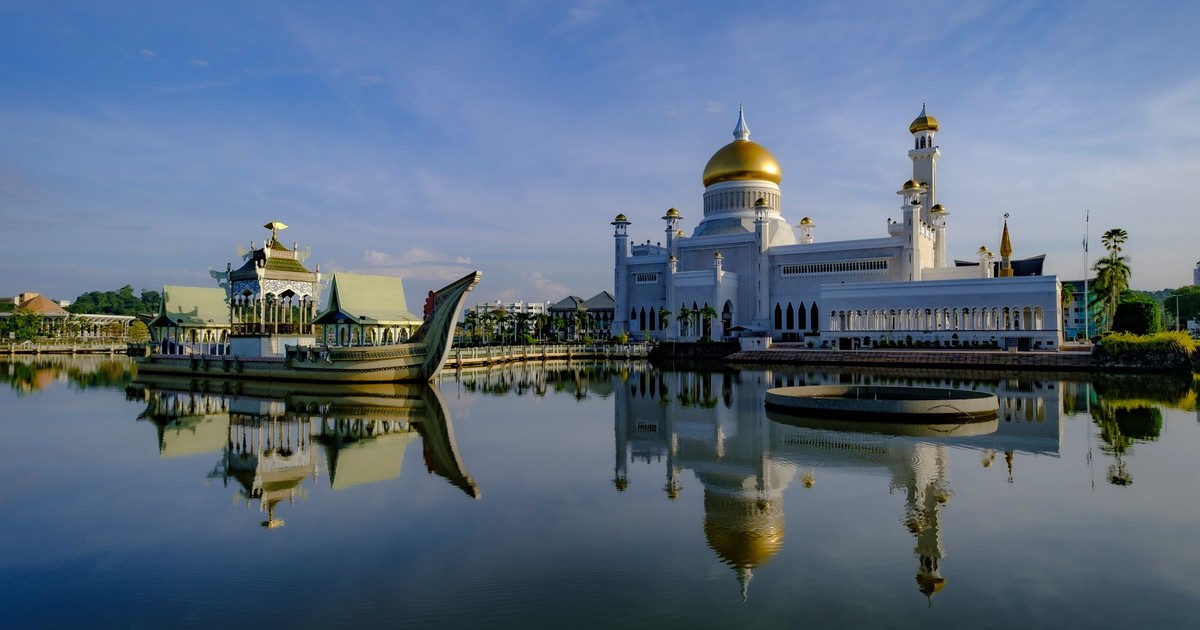
Greenland and Brunei Darussalam had the highest and lowest age-standardized disability-adjusted life years (DALYs) rates respectively in the 2021 Global Burden of Disease Study, making Brunei a consistent outlier at the low end of the global depression scale. The lowest disability burden from depression was recorded in Brunei Darussalam, with a rate of 260.29 per 100,000 people – far below the global average.
Several factors may genuinely contribute to this. Brunei is a small, wealthy, oil-rich sultanate with universal free healthcare and very low unemployment. Mental disorders account for a fifth to a quarter of disease burden in children, adolescents, and young adults in several ASEAN countries, including Brunei and Singapore – which suggests that while the overall depression figure is low, the condition isn’t invisible. The low rate also likely reflects the intersection of a culturally Muslim society where psychological distress is often framed through religious rather than clinical terms, potentially keeping formal diagnoses lower.
Among the 204 countries studied, most had a negative association with the Sociodemographic Development Index, with Myanmar and Brunei both sitting significantly lower than expected given their level of development. For Brunei, the question researchers raise is whether the low number reflects genuine population wellbeing or a combination of cultural underreporting and limited psychiatric diagnostic capacity relative to the country’s wealth. The honest answer is probably both.
2. Singapore – High Income, Low Reported Rates
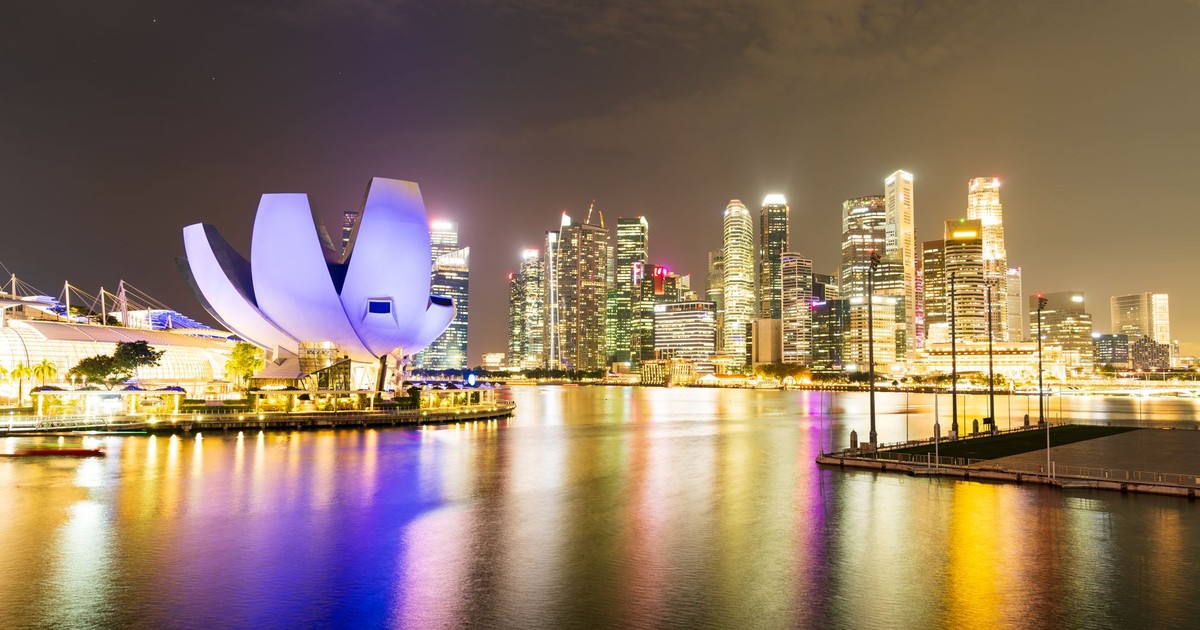
Singapore sits just above Brunei in the Global Burden of Disease rankings, with Brunei Darussalam, Singapore, Tonga, Samoa, and Myanmar presenting the five lowest depression prevalence rates globally in the 2021 GBD data. For Singapore, the number is striking precisely because the country has a highly developed healthcare system, strong diagnostic capacity, and one of the highest GDP per capita figures in Asia.
Singapore’s reported depression rate sits at approximately 2.45% of the population, according to Global Burden of Disease data compiled by the Institute for Health Metrics and Evaluation (IHME). A 2022 study tracking Singaporean adults after the COVID-19 pandemic found that depression and anxiety symptoms were prevalent enough to carry measurable economic costs in lost productivity. Singapore’s rate is also well below those seen in comparable Western nations – and it sits in tension with what clinicians on the ground report about mental health burden in the city-state.
Depression’s lower reported rate in Singapore may partly reflect the way the condition is expressed and categorized across East Asian cultures, where somatic symptoms – physical complaints like fatigue or pain – are more commonly reported than the emotional symptoms that Western diagnostic tools are built to detect. Cultural biases, social stigma, and a lack of access to screening can all influence rates of underreporting. Singapore, despite its wealth, still carries a strong cultural stigma around mental health that discourages many from seeking a formal diagnosis.
3. Tonga – Pacific Resilience and Hidden Distress

Tonga appears in the five lowest prevalence countries in the GBD data, but ground-level research paints a more complicated picture. Surveys conducted in 2023 provided the first comprehensive national data on mental health in Samoa and Tonga, co-led by Professor Sir Collin Tukuitonga from the University of Auckland’s Centre for Pacific and Global Health.
The research uncovered “significant” levels of mental distress in both nations. The higher rate in Tonga could be associated with extreme storms caused by climate change, the 2022 volcanic eruption and subsequent tsunami that displaced people from Ha’apai, and chronic conditions of poverty, under-employment, and violence. These are not conditions associated with low depression – they’re textbook risk factors for it.
Mental health literacy is poor across Pacific Island countries, and stigma, false beliefs, and narratives are prevalent. In Tonga, as in many Pacific nations, psychological distress is frequently expressed through cultural or spiritual frameworks rather than clinical ones. Formal diagnosis rarely follows. The result is a population that may carry significant mental health burden that simply never appears in government statistics – or in global disease burden models that rely on those statistics.
4. Samoa – The Data Gap in Plain Sight
Samoa’s position among the top 8 countries with the lowest rates of depression reported is one of the clearest illustrations of the difference between reported burden and actual burden. Women in Samoa were more than twice as likely as men to suffer major depression – a figure from the 2023 University of Auckland surveys that directly challenges the impression created by Samoa’s low GBD ranking.
The Samoa study also found that people in the Apia urban area were 32 times more likely to suffer psychological distress than those in rural Savai’i, despite better access to health services in Apia. Researchers suggest that urban life is more stressful and that cultural connections in less developed areas may help protect against distress. If that’s true, cultural cohesion may be a genuine protective factor – but the enormous gap between urban and rural distress levels also shows that aggregated national data obscures a great deal.
Among Pacific Islander adolescents, four themes consistently emerge around mental health help-seeking: stigma and judgment, cultural misalignment in professional services, fear of disclosure and perceived punitive consequences, and a complex ecosystem of trusted relationships as informal mental health support. Participants expressed belief that disclosing mental health challenges would “ruin their lives.” When that is the prevailing attitude, a low diagnostic rate tells you almost nothing about the true burden of depression.
5. Myanmar – Numbers That Don’t Add Up

Myanmar’s placement among the countries with the lowest reported depression rates is the most troubling entry on this list. The GBD Study 2021 identifies Myanmar among the five countries with the lowest prevalence rates. Independently verified research draws a very different conclusion from conditions inside the country.
Myanmar sat significantly lower than expected given its Sociodemographic Development Index score – a flag in the data that researchers interpret as a sign of systematic underreporting rather than genuine population health. A 2025 study published in a peer-reviewed NIH journal found that while conditions inside Myanmar would suggest very high rates of depression and anxiety, government statistics report an exceptionally low figure – with the researchers noting a reported rate of just 0.00006%, a number so far outside plausible range that it is widely attributed to deliberate suppression by the military regime rather than any actual measurement of mental health.
Myanmar’s entry in any “lowest depression rates” list should be read as a data quality problem, not a public health success. Mental health conditions in conflict zones and under authoritarian governance don’t disappear – they go uncounted.
6. Indonesia – Scale, Stigma, and Undercount

Indonesia records one of the lowest depression burden rates globally in the GBD data, at 350.26 DALYs per 100,000 people – ranking it among the countries with the least measured depression burden in the world. But with a population of nearly 280 million people spread across thousands of islands, what goes unmeasured here is significant.
A 2025 study published in Frontiers in Psychology found that approximately 90% of Indonesians are Muslim and have been reported to religiously cope with symptoms of mental illness, a dynamic that may depend on the degree of recognition of Western medicine and attribution to biological factors – and one that has not been adequately investigated. When distress is attributed to spiritual causes and addressed through religious practice rather than clinical intervention, it rarely enters any national mental health database.
Low-income countries allocate less than 0.5% of health budgets to mental health, compared to over 3% in many high-income countries – and Indonesia’s mental health funding relative to its population size has historically lagged. Countries reporting very low prevalence may still have significant levels of depression; in many regions, underdiagnosis and social stigma surrounding mental illness result in substantial underreporting. Indonesia is a textbook case of this pattern.
7. Japan – Culturally Distinct, Diagnostically Complex

Japan’s reported depression rate sits at approximately 2.66% of the population according to GBD estimates – below the global average and significantly lower than comparably wealthy nations like the United States or Australia. For a country with one of the world’s most developed healthcare systems and the highest life expectancy on Earth, that figure seems puzzling.
Certain symptoms of depression are more common in some societies than others due to cultural factors. While depression is relatively uncommon in Japan by reported measures, suicide rates are high for children and teens ages 10 – 19. In Japan, depression has historically been underdiagnosed because patients more often present with physical complaints than with mood-based symptoms, and because cultural norms around stoicism and social harmony discourage disclosure.
The Japanese concept of “utsu” (depression) carries significant stigma, particularly in professional and educational contexts. Research comparing mental illness stigma between Japan and Western nations consistently finds that Japanese respondents show greater social distance toward people with depression – meaning greater reluctance to associate with, employ, or acknowledge someone who has received a psychiatric diagnosis. That stigma doesn’t reduce the prevalence of depression. It reduces the number of people who report it.
8. Solomon Islands – What Invisible Illness Looks Like
The Solomon Islands rounds out this list with one of the most stark examples of what “low reported depression” actually means in practice. Depression is far more likely to be diagnosed in highly developed countries with robust healthcare infrastructures. Less developed countries do not necessarily have less depression – their treatment of mental illnesses often takes a back seat to broader concerns such as hunger, disease, and sanitation.
The Borgen Project’s research on mental health in the Solomon Islands found that the country’s apparent low depression rate reflects inadequate healthcare resulting in undiagnosed and untreated mental illness – not a genuinely lower burden of the condition. The Solomon Islands has a severe shortage of psychiatrists, almost no community mental health infrastructure, and widespread stigma that leads most people experiencing psychological distress to seek help from traditional healers rather than clinical providers, if they seek help at all.
The Global Burden of Disease Study aimed to capture the global burden of depression and its spatiotemporal variation across 204 countries and 21 regions. That kind of data model depends on what countries can measure and report – and the Solomon Islands’ capacity to screen, diagnose, and record depression is fundamentally limited. A low number in the database reflects a measurement gap, not a health outcome.
Read More: Scientists Confirm Ultra-Processed Foods Are Damaging Every Major Organ in Your Body
What This Means for You
Brunei’s reported rate sits at 1.83% according to GBD data from IHME – the lowest of any country on Earth. The gap between that number and what researchers find when they look more closely is a reminder that a league table of global depression rates is only as reliable as the systems doing the counting. Treatment gaps remain large, especially in low- and middle-income countries – and in many of the nations that appear “low” on this list, that gap is precisely why the numbers look the way they do.
The countries at the other end of the scale tell a different story. Data compiled from GBD estimates places Ukraine at 6.3% and the United States at 5.9% – not simply more depressed nations, but nations with the diagnostic infrastructure to count their cases. A 2025 study in a peer-reviewed journal found that the global prevalence of depressive disorders increased by 88.52% between 1990 and 2021 – a rise driven partly by population growth and aging, and partly by genuinely worsening rates among younger adults. The countries that seem to have escaped that trend deserve scrutiny, not celebration. If you’re in one of the “low” countries and you’re struggling, the number in the database says nothing about your experience – and only 1 in 3 people with depression worldwide receive any treatment. Seeking help remains the single most evidence-backed step any individual can take.
Disclaimer: The information provided here is for educational and informational purposes only and is not a substitute for professional psychological, psychiatric, or mental health advice, diagnosis, or treatment. Always seek the guidance of a licensed mental health professional, therapist, psychologist, or psychiatrist with any questions or concerns about your emotional well-being or mental health conditions. Never ignore professional advice or delay seeking support because of something you have read here.
AI Disclaimer: This article was created with the assistance of AI tools and reviewed by a human editor.
Read More: The Hygiene Habits That Quietly Raise Your Risk of Depression