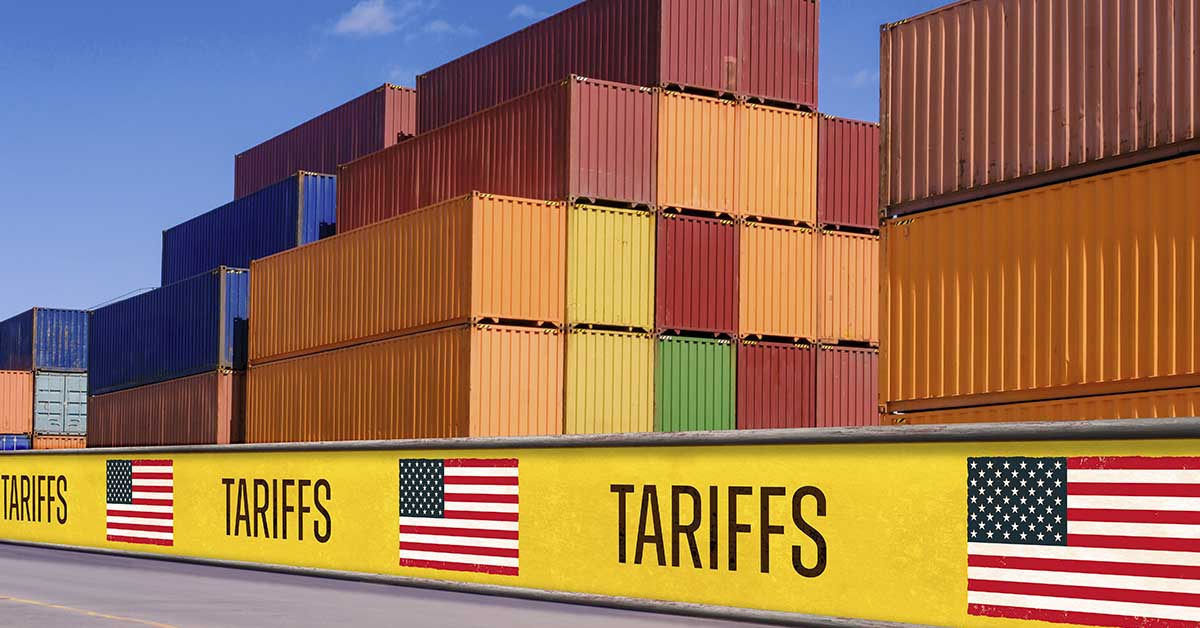

A federal appeals court has struck down most of former President Donald Trump’s tariffs, ruling they are unlawful and invalid. This deals a huge blow to the Trump administration’s agenda, with the tariffs being the centerpiece of their economic reform. The 7-4 ruling found that Trump had overstepped his congressional powers by imposing sweeping tariffs on other nations, citing them as “illegal”.
This ruling comes as a pivotal point in trade talks and negotiations with international trading partners were looking to wrap up by Labor Day. This ruling could reshape U.S. trade negotiations for years, with ripple effects felt by businesses, consumers, and international partners worldwide.
Tariffs as Trump’s Signature Policy
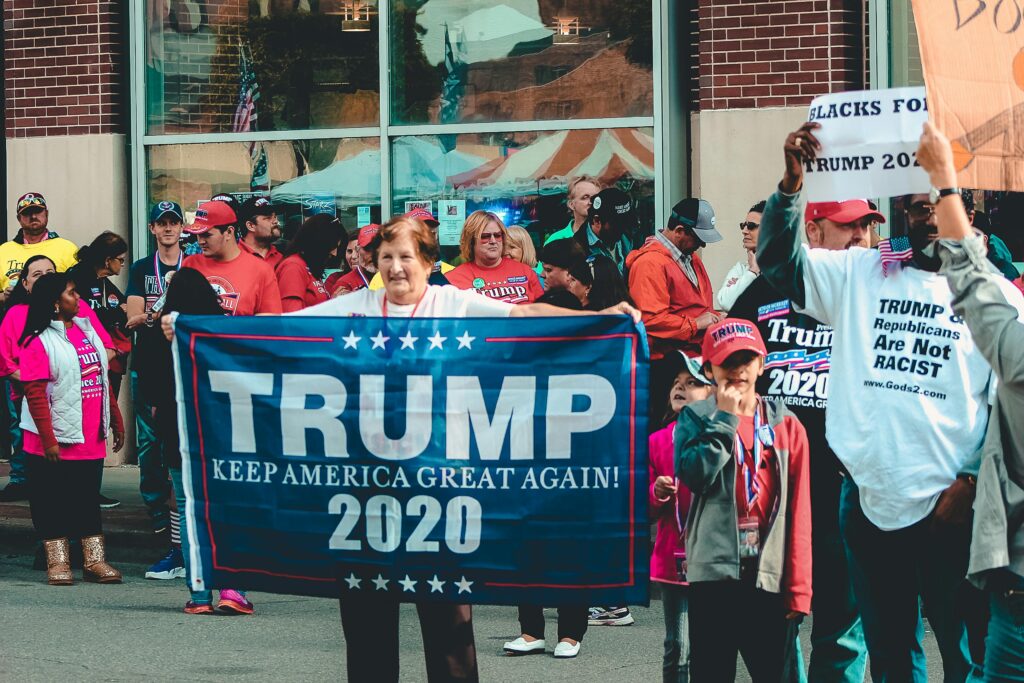
Trump’s tariff agenda is an integral part of his presidency and administration. He argued the tariffs would fix trade deficits, pressure other countries to change trade practices, and revive U.S. manufacturing. The Time article noted, “Trump’s sweeping tariffs have been a defining feature of his presidency”. Unlike past presidents, who emphasized multilateral trade deals, Trump used tariffs aggressively, often escalating disputes rather than negotiating a compromise.
The Liberation Day Plan and Its Fallout
On April 2, Trump declared “Liberation Day,” where he announced his aggressive tariff regime. Trump’s aggressive tariff implementation sparked a 5-month spiral in global trade. America’s trading partners, in response, introduced their own reciprocal measures, affecting American consumers looking to purchase imported products. From soybeans to electronics, prices rose while exporters lost markets abroad. China, Canada, and the European Union quickly targeted American goods in response.
The Court’s Legal Ruling

The legal ruling turns on the International Emergency Economic Powers Act (IEEPA). Trump invoked it to justify his sweeping tariffs, but the court ruled against the tariffs, stating it stretches beyond the limits of IEEPA. The majority wrote, “Tariffs are a core Congressional power.” Historically, IEEPA has been used to freeze assets or impose sanctions in national security cases. The IEEPA cannot be invoked to impose across-the-board import tariffs. Recently, IEEPA was invoked to impose economic sanctions on Russia at the beginning of the Russian invasion of Ukraine. The court states the tariffs still remain in effect giving the Trump administration time to appeal the decision.
Which Tariffs Were Struck Down?
The ruling targeted 2 of Trump’s most contested measures. The first were his “reciprocal tariffs” from April 2, which mirrored foreign tariffs against U.S. goods. The second was his February “trafficking tariffs,” aimed at China, Canada, and Mexico, accusing them for not doing enough to stop fentanyl and drugs from entering the U.S.. The court noted both were “unbounded in scope, amount, and duration.” Tariffs Trump justified under other laws, such as duties on steel, copper, and aluminum, remain unaffected for now.
What Happens Next Legally?
The ruling does not go into effect until mid-October, allowing Trump’s legal team to appeal. He has already vowed to bring the case to the U.S. Supreme Court. Still, a conservative-leaning Supreme Court could interpret executive authority in favor of Trump’s administration. Treasury Secretary Scott Bessent says the administration is confident the Supreme Court will uphold the use of IEEPA.
However, Bessent says the administration has a backup plan if the Supreme Court rules against the tariffs. He has flagged Section 338 of the 1930 Smoot-Hawley Tariff Act, which allows up to 50% tariffs for 5 months on countries discriminating against U.S. commerce. The government plans an appeal, emphasizing trade deficits and fentanyl as emergency justifications.
Trump’s Response and Political Messaging
Trump dismissed the ruling as partisan and doubled down in his rhetoric. On Truth Social, he declared, “ALL TARIFFS ARE STILL IN EFFECT!” and described tariffs as essential to protecting American workers. Trump called the panel “highly partisan” and warned that ending the tariffs would be a “disaster,” promising a rapid appeal and arguing tariffs are essential to support workers and domestic production. He believes the Supreme Court will repeal its ruling come October and believes he “will use them to the benefit of our Nation, and Make America Rich, Strong and Powerful Again!”
Economic Impact on Consumers and Businesses
Businesses and consumers have already felt the brunt of the tariffs. Higher prices to import goods mean companies will extend that cost to the consumer, and uncertainty may dampen investment until the legal endpoint is clear. Analysts warn that refunds on collected duties could be complex if the tariffs ultimately fall, while trade partners may delay deals pending clarity. Retail pricing actions and producer costs suggest continued pass-through risks through the fall.
Tariffs act as hidden taxes on consumers. The Peterson Institute estimated Trump’s tariffs during his first term cost households over $500 annually. Retail giants like Walmart warned of higher costs for everyday goods. Economists stress that tariffs rarely eliminate trade deficits, they usually shift costs onto consumers and businesses instead.
Trade Uncertainty and America’s Future Position
Due to Trump’s unpredictability, former global trade partners of the U.S. see Trump’s administration and economic strategy as highly unstable. India’s PM, Shri Narendra Modi, has been driven into the arms of America’s opposition. Recently, Russia’s president, Vladimir Putin, China’s leader XI Jinping and India’s PM Modi were all in talks of trade. China’s paramount leader Xi Jinping even made what could be seen as criticisms of America’s economic volatility, stating China’s economy and trade offer greater stability than their opposition.
Trade negotiations depend on predictability, but Trump’s shifting tariff policies created volatility. Now courts add new questions about legality. Global partners wait to see whether tariffs survive Supreme Court scrutiny or collapse entirely.
Read More: Trump Responds Angrily After Court Rules His Tariffs Unconstitutional