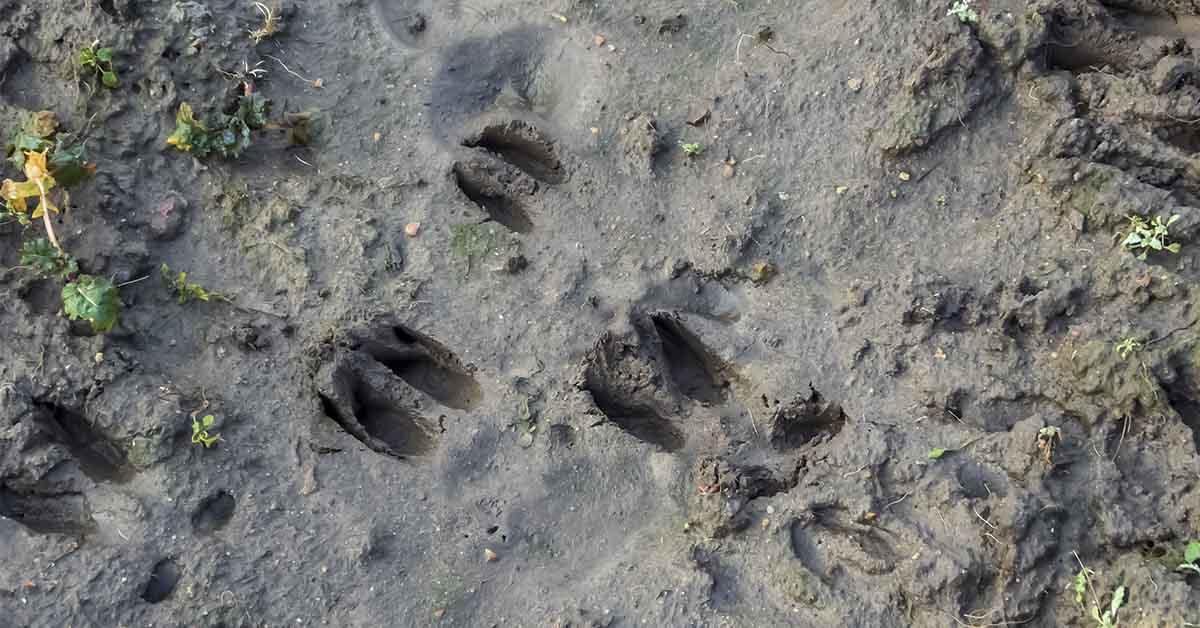

Images of deer covered in unusual black and warty lumps have surfaced on social media, sparking both fascination and concern across the United States. These sightings, reported in states such as Pennsylvania and Wisconsin, have drawn comparisons to other recent wildlife stories involving strange appearances, including “Frankenstein rabbits” in Colorado and “zombie” squirrels. While the animals may look alarming, experts say the explanation lies in a specific wildlife disease called deer fibroma.
Social Media Buzz Around Mysterious Deer
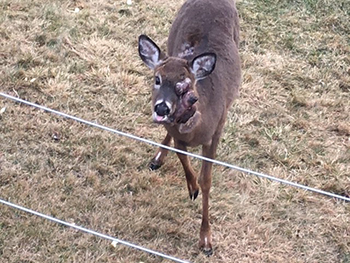
Several posts on platforms like Reddit have gone viral after users shared photos of deer with large skin growths. One individual wrote about seeing a deer in their backyard covered in lumps, wondering if the animal had suffered from gunshot wounds, tumors, or even prion disease. Another user uploaded an image of a deer with lumps across its chest and face, asking what might be wrong. These unsettling images have fueled online speculation about whether the condition could spread to humans or signal a larger public health issue.
What is a Deer Fibroma?
According to the Maine Department of Inland Fisheries and Wildlife, the growths are caused by a virus that leads to fibromas, sometimes called cutaneous fibromas. The condition is linked to a species-specific papillomavirus, similar to the virus that causes rabbit papillomas. The growths are usually firm, dark in color, and hairless, often giving them a lumpy, fissured appearance. They can range from a few centimeters to several inches in diameter. In most cases, deer develop only a small number of fibromas, but some animals can become extensively covered.
Is Deer Fibroma Dangerous to Humans?
Wildlife veterinarians emphasize that deer fibroma poses no direct threat to people. The virus is specific to deer and cannot spread to humans, livestock, or pets. Dr. Kristin Mansfield, a veterinarian based in Washington, explained that transmission typically occurs between deer when they share feeding areas, bedding spots, or rubbing posts during mating season. While humans are not at risk from the virus, deer can still carry ticks that transmit other illnesses, such as Lyme disease, particularly in regions where tick populations are expanding.
How Deer Fight the Virus
Fortunately, most cases of deer fibroma resolve naturally. A deer’s immune system can usually suppress the virus, leading to the gradual shrinking and disappearance of the warts over several months. Though disturbing in appearance, most affected deer continue to live everyday lives unless the growths obstruct vital functions such as eating, walking, or seeing.
Can Deer Fibroma Be Treated?
There is currently no widespread treatment for deer fibroma. In rare situations involving captive animals, veterinarians may remove the lumps surgically. However, wildlife experts recommend allowing nature to take its course for free-ranging deer. In extreme cases, when growths prevent the animal from surviving, euthanasia may be considered a humane option. Otherwise, the condition is typically self-limiting.
Climate Change and Rising Wildlife Diseases
The growing number of reports about unusual animal conditions may be linked to shifting environmental factors. Warmer temperatures have allowed disease-carrying insects such as ticks and mosquitoes to thrive in areas where they were once limited. Dr. Omer Awan, a public health expert from the University of Maryland School of Medicine, explained that climate change alters disease distribution. For example, Lyme disease, once confined to specific regions, now appears in parts of Canada and northern U.S. states like Maine. Climate change could influence the spread and visibility of conditions like deer fibroma.
Why Are We Hearing More About This Now?
Beyond ecological factors, the rise of social media has made unusual wildlife sightings more visible. Photos often spread rapidly online when people encounter an animal with striking features, fueling curiosity and concern. This increased attention can be helpful, as it helps raise awareness about wildlife health issues. However, they also caution that speculation without scientific context can lead to misinformation about the risks involved.
Implications for Wildlife and Communities
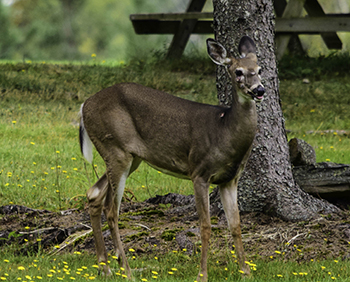
While deer fibroma is not a danger to people, sick-looking deer can still affect human communities. Encounters with diseased animals often raise concerns about hunting safety, ecological balance, and public health. Wildlife agencies encourage residents to report unusual sightings, as these observations can help track disease prevalence and environmental changes over time.
So What Now?
The images of deer with large black lumps may be unsettling, but they are just another example of the complex relationship between wildlife and the environment. Deer fibroma, caused by a papillomavirus specific to deer, is harmless to humans and often resolves naturally. For now, the best course of action is to leave affected deer undisturbed and allow nature to manage the condition, while continuing to monitor for emerging animal health trends.
Read More: Infected ‘Frankenstein’ Rabbits With Tentacles Spotted in the US, Phenomena Explained