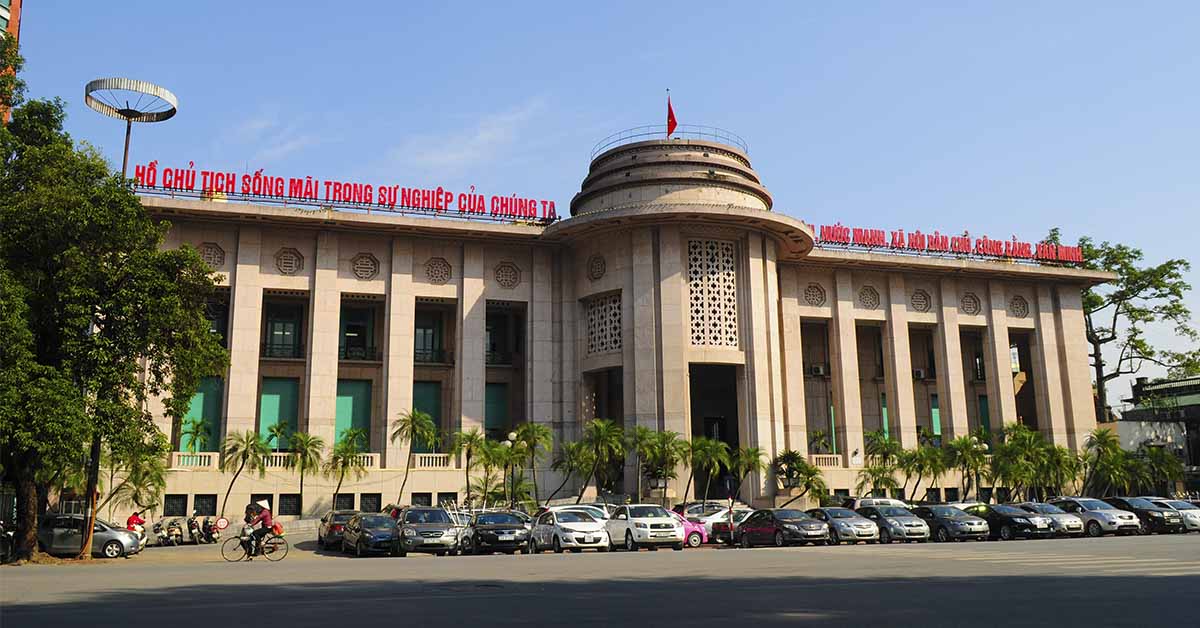

In a push towards biometric verification and as a significant data-cleansing effort, Vietnam’s State Bank of Vietnam (SBV) has deactivated more than 86 million bank accounts. At the beginning of September, SBV closed accounts that had been inactive or had not been biometrically activated. This initiative is part of a government project launched back in 2022 known as Project 06.
Authorities say the move targets fraud prevention, promotes a cashless economy and meets OECD and BIS international banking standards. With approximately 101 million citizens, Vietnam previously held roughly 200 million bank accounts. After verification, only 113 million personal accounts and 711,000 organizational accounts remain valid.
Understanding Project 06 and Digital Identity
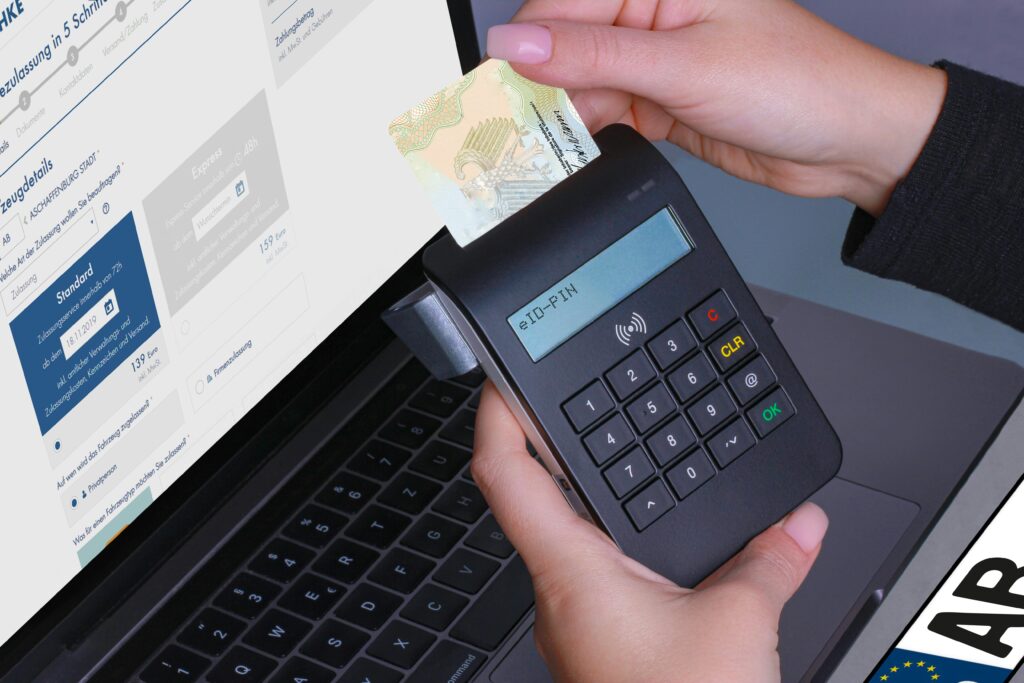
Project 06 is Vietnam’s ambitious digital transformation strategy to move towards exclusively using biometric identification for its citizens. The government launched this initiative in 2022 with full implementation targeted for 2025 and a vision extending to 2030. The project focuses on developing resident data systems, electronic identification, and authentication applications.
The goal of the project is to be able to integrate digital identity into public services, banking and daily transactions. Citizens can store electronic documents, verify their identity, and access government services through this system. The system integrates chip-based identification cards that contain biometric data including fingerprints and facial recognition information. Vietnamese authorities designed the program to modernize public services, reduce paperwork, and create a foundation for digital banking and transactions.
The Scale of Account Deactivation

Before implementation, the country maintained approximately 200 million bank accounts for a population of 101 million people. This ratio suggests many citizens held multiple accounts, while others were inactive or fraudulent. The verification process eliminated 86 million accounts starting September 1, 2025.
After the cleanup, 113 million personal accounts and 711,000 organizational accounts remained valid. Credit in Vietnam’s economy reached 17.2 quadrillion VND (approximately 658 billion USD) by June 2025, representing a 19% year-over-year increase. Pham Anh Tuan, Director of the SBV Payment Department, called the initiative a “data-cleansing revolution” necessary to combat rising cybercrime.
Timeline of Implementation
The implementation of biometric identification in Vietnam rolled out in phases over 9 months. The SBV began implementing mandatory biometric verification for banking services in December 2024. On January 1, 2025, unverified individual accounts already faced transaction restrictions including blocked online payments, QR code transactions, and digital transfers. Banks notified customers throughout early 2025 to update their biometric information.
July 1, 2025, marked a critical deadline when corporate accounts required legal representatives to complete biometric verification. A new decree took effect simultaneously, mandating facial scans or fingerprints for transactions over 10 million VND (approximately 379 USD). September 1, 2025, represented the final enforcement date when commercial banks began full deactivation of non-compliant and long-frozen accounts.
Government Objectives Behind the Cleanup
The primary objective of the program is fraud prevention, targeting fake accounts used for money laundering and unauthorized withdrawals. However, authorities cite other interlinked objectives to combat cybercrime and overall financial fraud. Vietnam recorded 659,000 cybersecurity incidents in 2024, affecting 46% of public and private institutions. The government aims to create a cashless society through its 2021-2025 National Cashless Payments Plan.
Digital payment transactions grew at an average annual rate of 62% through 2024. Vietnam seeks membership in the Organisation for Economic Cooperation and Development (OECD) and has already joined the Bank for International Settlements (BIS) in 2020. Aligning financial systems with international standards represents a strategic priority for Vietnam’s economic integration goals. The cleanup also supports stricter Know Your Customer (KYC) requirements that financial institutions must implement.
Cybercrime Context in Vietnam
In 2024, Vietnam recorded more than 659,000 cybersecurity cases, with roughly 46% affecting private and public institutions. Ransomware attacks caused 11 million USD in losses, while hackers encrypted 10 terabytes of data. Data breaches exposed 14.5 million accounts. These leaked accounts included personal information and corporate documents sold by syndicates on the dark web.
The banking sector bore the brunt of these cyberattacks, with 71% of the attacks targeting financial institutions. Scams caused 18.9 trillion VND (approximately 760 million USD) in damages to Vietnamese users in 2024. Financial fraud and brand impersonation increased dramatically, with fraudulent websites using unauthorized identities tripling to nearly 1,200 sites. Cybercriminals leveraged artificial intelligence to mass-produce phishing emails and sophisticated fake websites.
Impact on Foreign Residents
Under the new banking and biometric rules of Vietnam has created an issue for foreign nationals who hold Vietnamese bank accounts. Expatriates and foreign residents must complete in-person verification at bank branches because they lack Vietnamese chip-based ID cards. Banks do not offer remote verification options for international customers. Many foreigners who left Vietnam found their accounts frozen without the ability to access funds remotely.
One Reddit user reported needing to fly back to Vietnam to prevent his HSBC account from closing. Foreign customers with expired visas or outdated residence permits face automatic account freezes under government regulations. Accounts opened with old visa information, expired addresses, or deactivated local phone numbers trigger security flags. Bank staff guide foreign visitors through biometric registration at physical counters, storing the data for future transactions. The lack of remote solutions creates barriers for former residents, long-term travelers, and emigrants who maintained Vietnamese bank accounts.
Regional Comparisons and Global Context
Vietnam is not the first country in the region to implement this crackdown and is part of a trend in strengthening digital financial security measures. Thailand froze approximately 3 million bank accounts in September 2025 as part of an anti-scam campaign targeting mule accounts. The Bank of Thailand imposed daily transfer limits ranging from 50,000 to 200,000 baht, which affected legitimate users and businesses. Thai authorities estimated 6 billion baht (188 million USD) in losses to scams during the second quarter of 2025 alone.
In 2018, India’s Aadhaar biometric database had a security breach which potentially affected 1.1 billion registered citizens. Personal data including names, addresses, and biometric information became available for purchase on WhatsApp for as little as 500 rupees (7 USD). Canada froze bank and cryptocurrency accounts during the 2022 trucker protests using emergency powers.
Read More: 15 Million People’s DNA Data Hits the Market After Popular Testing Company Goes Bankrupt
Criticism and Privacy Concerns
Critics of biometric technology warn that it could transgress privacy boundaries, giving very personal information to government and financial institutions Critics describe the biometric requirements as forcing data harvesting for government surveillance. Bitcoin advocates argue the closures demonstrate the vulnerability of traditional banking systems to government control.
Users cannot access their funds when centralized systems freeze accounts, regardless of the legitimacy of their holdings. The mandatory biometric integration ties financial access directly to personal identity, concentrating control in government databases. Technical failures, human errors, or policy changes can instantly restrict transaction capabilities. Foreign residents report no practical appeal channels, requiring physical presence to resolve frozen accounts. Rural and elderly users with limited access and understanding to technology and new systems are at risk of not being able to access their funds. Some observers compare Vietnam’s approach to surveillance systems, linking it to debates over digital identity programs in the United States and European Union. The lack of extended grace periods beyond initial deadlines left many account holders scrambling to meet compliance requirements.
Balancing Security and Financial Access
The SBV maintains that deactivated accounts are part of a cleanup rather than seizure. They emphasize the funds still remain accessible but only through in-person verification. Officials emphasize that most affected accounts were dormant “ghost” accounts, fraud bots, or belonged to individuals who left Vietnam. The government positions biometric verification as essential for reducing financial crime and building trust in digital banking.
By end-2025, Vietnam expects near-100% biometric coverage for active accounts. The country’s push toward a cashless society aligns with broader digital transformation goals and aspirations for OECD membership. However, the enforcement creates real obstacles for vulnerable populations and foreign residents unable to complete verification processes.
Read More: The $31 Billion Fall: How One Mistake Bankrupted Kodak