

Adults in the United Kingdom now need to show valid ID before they can access pornographic websites under stringent rules introduced by Ofcom and backed by the Online Safety Act. This porn site ID check change represents a major shift from the old model of a simple checkbox, reflecting evolving concerns about the exposure of minors to adult content online. The regulations apply to a wide range of services, not only traditional adult sites but also social media, search, and user-generated platforms that may display pornographic or otherwise harmful content. Non-compliance can result in penalties as severe as $24 million or 10 percent of the global revenue of the offending service, whichever is higher. This article explains the rules, how they work, and the reactions they have provoked.
Legal Basis and Scope

The legal foundation for this requirement is the UK’s Online Safety Act 2023, which received Royal Assent on 26 October 2023 and grants regulation powers to Ofcom to enforce duties protecting children online. Under the Act, providers of services that feature pornography or material relating to self-harm, suicide, or eating disorders must implement “highly effective” age-assurance measures that prevent users under 18 from gaining access. Ofcom has issued codes of practice and industry guidance for both providers of their porn content, known as “Part 5” services, and user-generated content platforms, known as “Part 3” services, setting a deadline of 25 July 2025 for compliance.
How It Works in Practice – The Porn Site ID Check
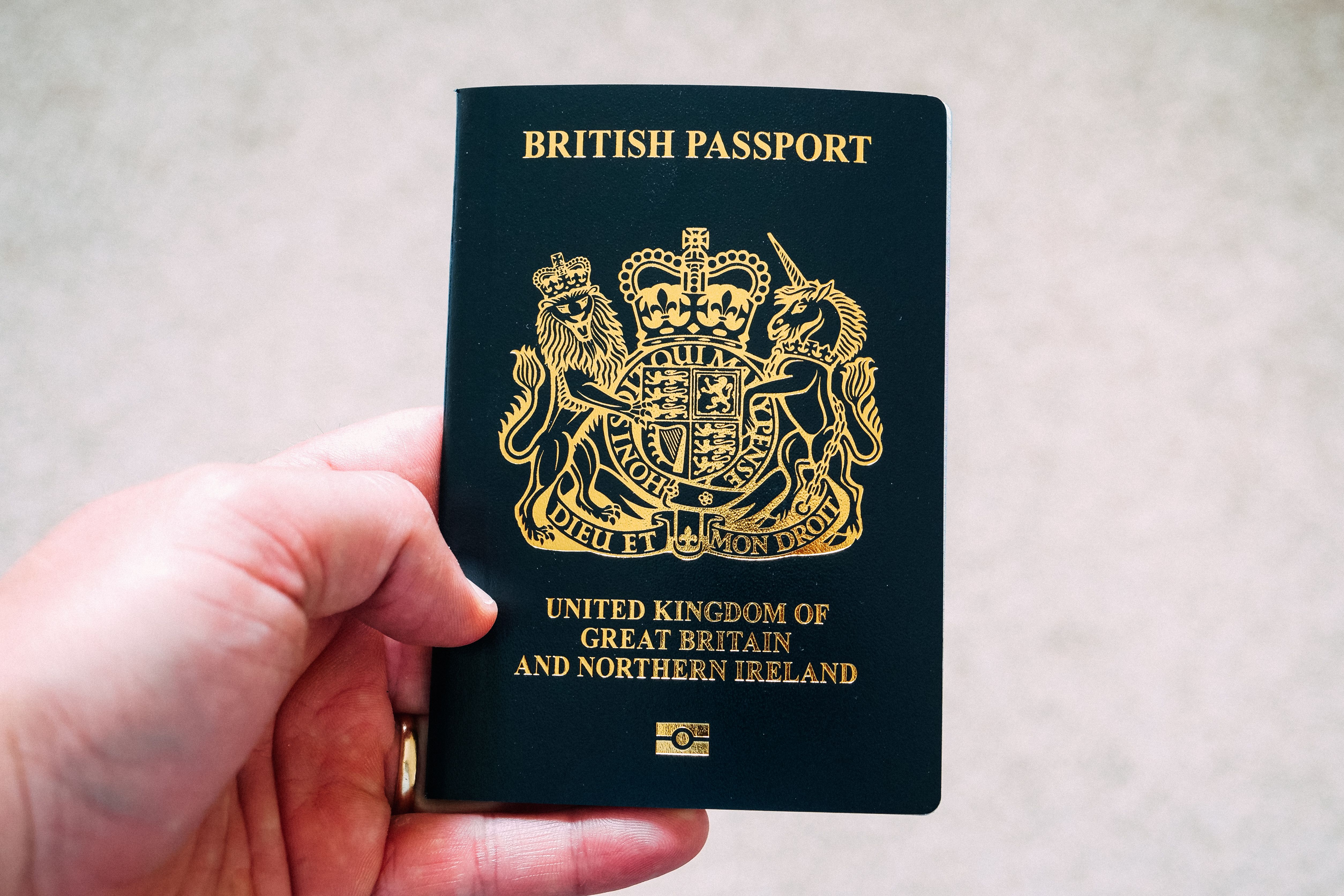
Since the rules took effect, users attempting to access pornography or related harmful content must go through robust age verification systems. Accepted methods include uploading government ID documents, submitting selfies for facial ID matching or facial age estimation, credit or bank checks, mobile network operator verification, email-based estimations, or third-party digital ID services such as Yoti or Persona.
These checks must reliably confirm that the user is aged 18 or over before access is permitted. Major platforms, including Pornhub, Reddit, X (formerly Twitter), Discord, Bluesky, Grindr, and others, have already rolled out age checks. Ofcom has actively engaged with hundreds of porn content providers, and thousands of sites are now implementing these highly effective age assurance mechanisms.
Enforcement and Penalties
Ofcom has the authority to impose fines reaching $24 million or 10 percent of global turnover for services failing to comply with the age verification requirements. In addition, the regulator may request court orders to block or restrict access to non-compliant platforms via internet service providers or app stores. Ofcom has already opened formal investigations into companies operating pornographic websites suspected of ignoring the rules.
Privacy Concerns and Public Reaction
While the rules aim to protect children, privacy advocates and experts have raised significant concerns. There is widespread anxiety that requiring sensitive data, such as ID documents or biometric information, could expose users to security risks, data breaches, or surveillance. The legislation itself does not mandate stringent data protection standards, so responsibility is largely shifted onto services and users.
A YouGov survey of nearly 4,400 British adults revealed that while almost 70 percent support the goals of the Online Safety Act, only about 64 percent believe it will be effective in preventing minors from bypassing restrictions. At the same time, downloads of virtual private network (VPN) services have surged, with reports indicating increases of up to 500 percent, as users look for ways to avoid age checks. Although using a VPN to get around checks is not illegal for individuals, promoting or facilitating such methods may lead to enforcement action.
Read More: Chinese Government Reaffirms Ban on OnlyFans in Latest Moral Enforcement
Industry Pressures and Broader Impact

The rules have placed significant pressure on smaller platforms and niche services, many of which lack the resources to implement complex age-verification systems. Critics argue this porn site ID check could drive consolidation towards large tech companies that can afford compliance. There are also concerns about overreach, censorship, or chilling effects on legitimate speech, especially on topics such as mental health or sexuality.
Ofcom’s Position and Industry Guidance
Ofcom has emphasized that sites must engage with the age-assurance requirements immediately and has sent letters to hundreds of services to ensure awareness and compliance. The regulator also published consumer-facing guidance explaining what users need to know, including enforcement mechanisms in case of non-compliance. Ofcom has made clear that services hosting their pornographic content must implement age checks without delay, while user-to-user platforms must comply by July 2025.
What This Means for UK Users

UK adults attempting to access pornographic or related harmful content must be prepared to go through robust verification. Simple tick-the-box methods are no longer accepted. Although the aim is to improve child safety, users now face new barriers both in terms of inconvenience and concerns about privacy. The law is in effect, enforcement is intensifying, and the actual impact on child protection and user rights will become clearer in the months ahead.
A Decision Aimed at Protecting Children Globally
The age-verification regime marks one of the toughest attempts globally to prevent children from accessing explicit online content. Grounded in the Online Safety Act 2023 and enforced by Ofcom, the approach mandates verification through ID, biometrics, banking data, or trusted digital services. Although it has strong support for its protective intent, the rules also highlight trade-offs between safety, privacy, and digital freedom. Enforcement mechanisms are active, with heavy penalties for non-compliance and ongoing investigations. The long-term success of this system will depend on technological resilience, robust data protection practices, and careful policy balancing to protect both minors’ and adults’ rights.
Read More: First-Ever Porn App Lands on iPhones, Apple Issues Safety Warning