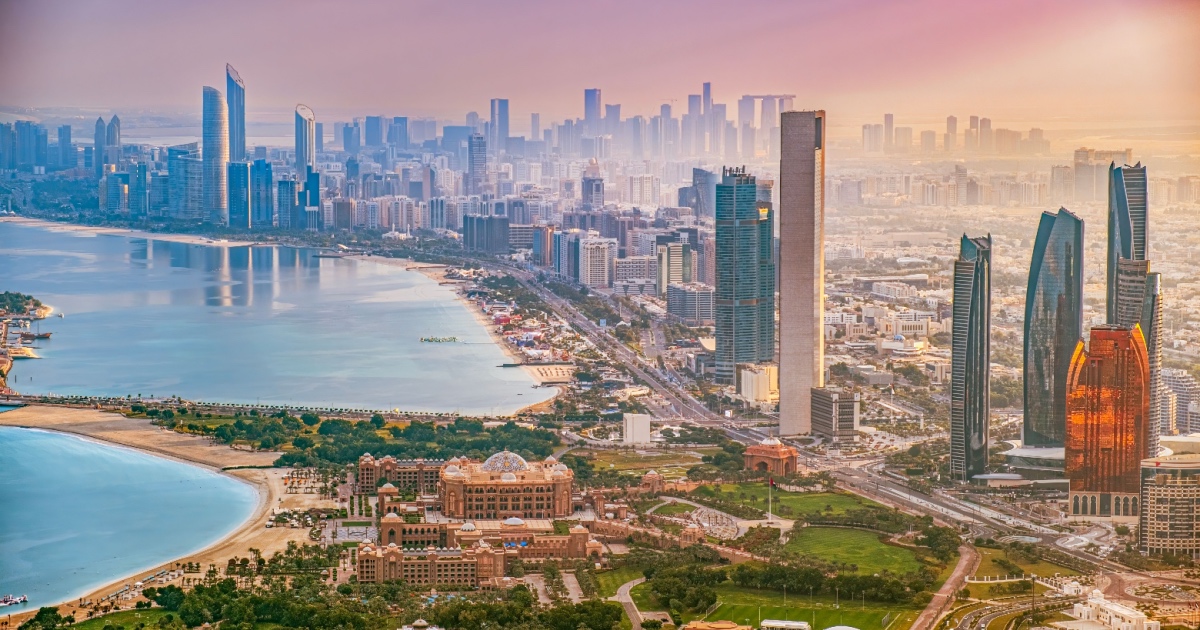

Abu Dhabi is spending $10.9 billion to build an entire island around the idea that your zip code determines your health. The project, called Fahid Island, isn’t a spa resort or a wellness retreat you visit on vacation. It’s a permanent residential community of more than 6,000 homes, and the explicit intention is that simply living there will make you healthier.
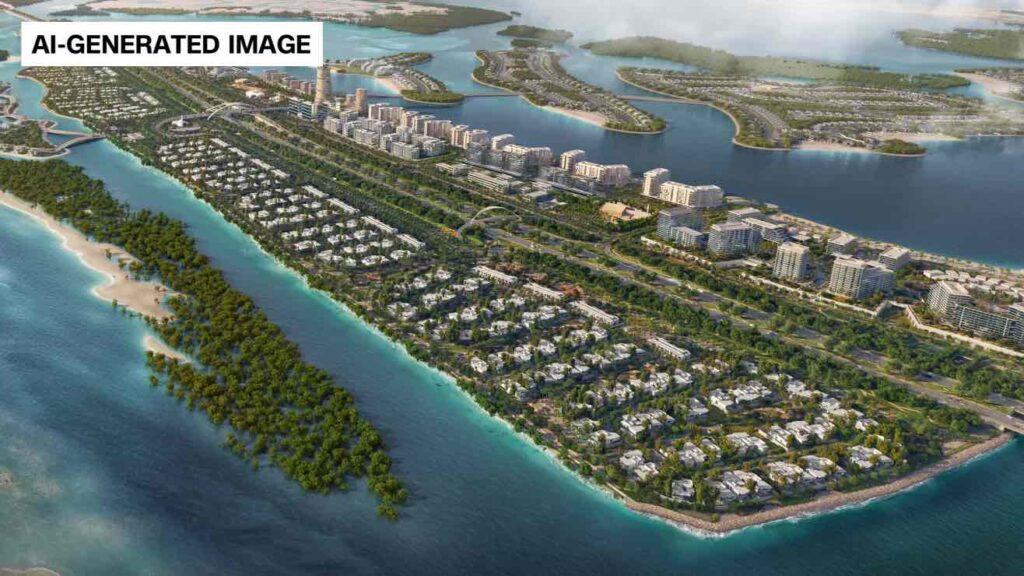
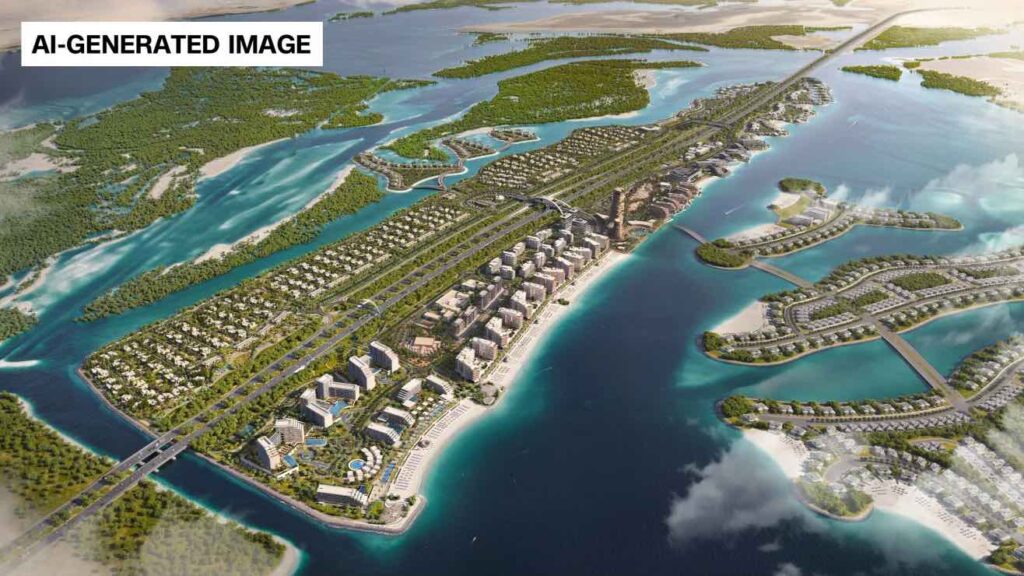
Scheduled to open fully in 2029, the development stretches along an 11-kilometer coastline and sits between two of Abu Dhabi’s most established island communities, Saadiyat Island and Yas Island, about a 20-minute drive from downtown. What’s different about Fahid isn’t just its price tag or its beachfront positioning. It’s the premise underneath it: that the buildings, pathways, parks, and even the street layout can be deliberately engineered to protect the health of the people who live there.
That premise is more grounded in science than it might first appear. Researchers have been accumulating evidence for decades that the physical environment people live in shapes their health just as powerfully as their diet or exercise habits. According to Aldar Development senior vice president Emma McCreery Breen, every architectural and commercial decision on the island has been made through a wellness lens – because abundant green space and pedestrian-friendly environments have been shown to positively influence health and mental state. The island is the physical embodiment of that argument, built at a scale no one has attempted before.
The Wellness Island Abu Dhabi Is Building From Scratch
The $10.9 billion project is led by Aldar Development, a real estate company owned by the Abu Dhabi government, and covers a wellness-focused development of more than 6,000 homes on a coastal stretch of the emirate. The range of homes runs from mid-rise apartments to ultra-luxury villas, with design teams from Japan, London, and Dubai contributing to individual residential components. Aldar enlisted architects including Japanese firms Kengo Kuma and Koichi Takada, London-based ACME, and Dubai-based NAGA Architects to craft the island’s residential areas.
Fahid has been described as the world’s first island certified by Fitwel, a healthy-building certification program developed in the US. Fitwel’s framework is generated by expert analysis of over 7,000 academic research studies and was originally created by the US Centers for Disease Control and Prevention (CDC) and the US General Services Administration. Certification isn’t handed out based on aesthetics or marketing language. The Fitwel scorecards include 55+ evidence-based design and operational strategies, with each strategy allocated points based on the strength of associated evidence and its demonstrated impact on occupant health.
Beyond the Fitwel certification, Fahid Island has also received LEED Cities and Communities Platinum pre-certification and is targeting Abu Dhabi’s Estidama 3-Pearl sustainability rating. Those are three separate, rigorous international benchmarks, which means the development is being held accountable to measurable standards, not just wellness branding.
What Actually Makes It Different
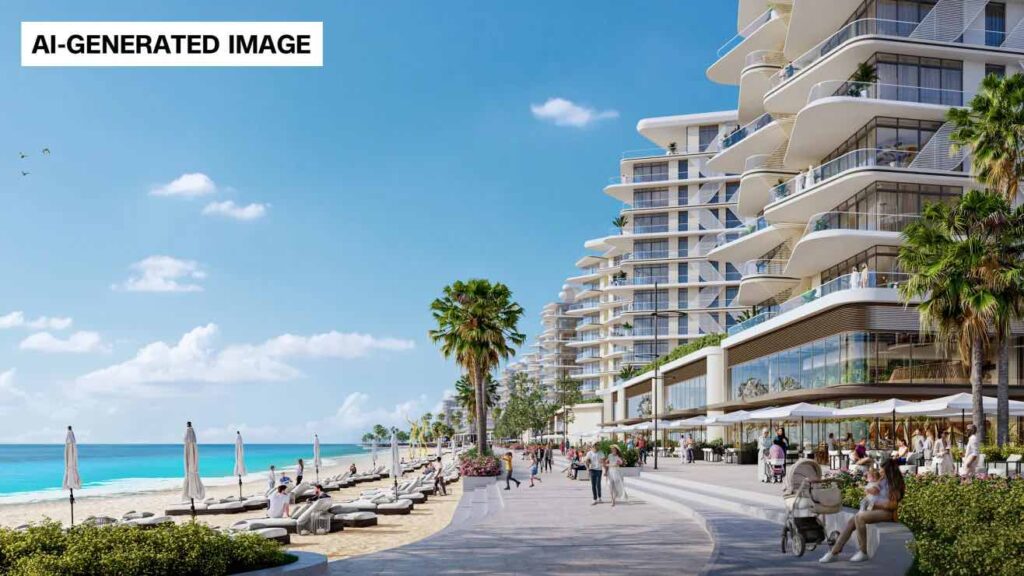
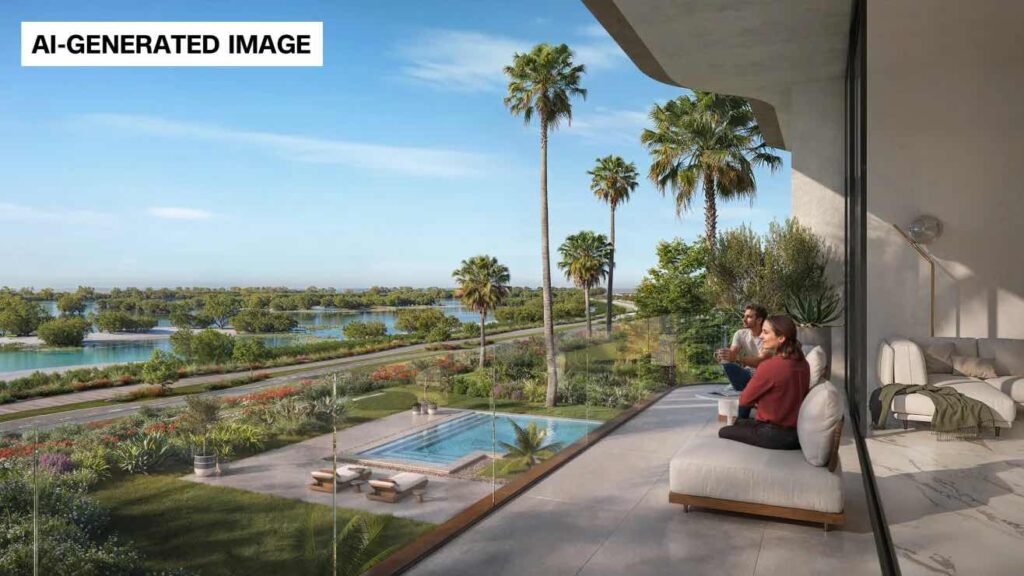
The centerpiece of the island’s health design is a 10-kilometer green corridor running straight through its middle. The 10km Berm Park serves as a landscaped wellness corridor with three cycling routes connected to Abu Dhabi’s larger cycle loop. The park includes shaded rest areas, water stations, fitness zones, and those three cycling routes linking to the city’s wider network. On a practical level, that means residents don’t need to own a car to get a meaningful workout – the infrastructure for daily physical activity is built into the commute.
More than 30% of the entire masterplan is dedicated to natural spaces, including mangrove forests, gardens, and shaded trails, with the island’s design aiming to integrate nature into daily life. That’s not decorative. Alongside beaches and lush mangrove forests, the development incorporates environmentally conscious infrastructure throughout.
The science behind this kind of design is substantial. Exposure to green space has been linked to positive physical and mental health outcomes including lower rates of heart disease, stroke, obesity, stress, and depression, according to the CDC. Research published in the International Journal of Environmental Research and Public Health in 2022 found that environment types, vegetation types, and the size and connectivity of green spaces were associated with improved health outcomes. The same systematic review found that health benefits were more consistently observed in areas with greater tree canopy. Mangrove forests and shaded green trails, in other words, aren’t incidental features – they’re doing real work.
The National Recreation and Park Association found that people living in residential areas with the least green space had 44% higher rates of physician-diagnosed anxiety disorders compared to those in areas with the most greenery. The implication is direct: for residents of Fahid Island, access to green space won’t be a weekend luxury – it’ll be a daily constant, woven into the physical layout of where they live and walk and run.
The Evidence Behind Building for Health
The walkable, mixed-use design of Fahid Island mirrors what urban health researchers have identified as a consistent formula for better population health outcomes. A 2026 analysis found that connected streets, mixed-use development, and abundant greenery in walkable neighborhoods support better physical and mental health. With environmental factors driving an estimated 80% of health outcomes, developers in multiple countries are now embedding well-being into the built environment.
Physical activity in green spaces produces stronger mental health benefits than the same level of physical activity in non-green spaces, according to research reviewed by the National Recreation and Park Association. This matters for how Fahid Island is designed: cycling and running tracks are placed within the green corridor, not alongside a road or behind a gym wall. The physical activity and the nature exposure happen simultaneously.
The health implications extend beyond mood. Green space exposure has been specifically associated with lower rates of cardiovascular disease – and a 2022 systematic review in the International Journal of Environmental Research and Public Health found that the main outcomes with evidence of health benefits included cardiovascular conditions related to green space quality and proximity. For a region where lifestyle-related disease is a documented public health concern, building those benefits into the physical environment – rather than relying on individual behavior change – is a meaningful shift in approach.
Read More: Inside the $100,000-a-Night Hotel Suite That Has Gold Toothbrushes
Why Abu Dhabi Is Doing This Now
The Fahid Island development doesn’t exist in isolation. The UAE’s National Strategy for Wellbeing 2031 places a strong focus on preventive health as a national priority. The UAE healthcare market is projected to reach $30.7 billion by 2028, growing at approximately 7.5% per year, with preventive health infrastructure identified as a primary driver.
At the same time, private sector wellness spending in the region is climbing fast. The UAE corporate wellness market was valued at $360.87 million in 2025 and is projected to reach $590.58 million by 2034, according to IMARC Group. A survey by Bupa Global found that 88% of UAE companies planned to increase their spending on employee well-being initiatives in 2025 due to measurable wellness return on investment. The financial logic is clear: wellness programs have been found to generate $3.27 in medical cost savings and $2.73 in absenteeism reductions for every $1 invested.
Globally, health and wellness has become the only discretionary category where consumer behavior is moving in one direction. According to eMarketer, health and wellness is the only discretionary spending category in 2026 where more consumers plan to increase spending than decrease it. Abu Dhabi is essentially making a $10.9 billion bet that people will pay a premium to live in an environment specifically engineered around that priority.
What You Can Take From This
Most people reading this won’t be buying a home on Fahid Island. The research underpinning its design, though, applies directly to daily life wherever you are. The data is consistent: regular contact with green space can enhance well-being, alleviate stress, and may even help mitigate income-related health inequalities around chronic disease and life expectancy. You don’t need a wellness-certified island to get those benefits. Walking through a tree-lined street, running in a park rather than on a treadmill, or choosing to spend more time in green outdoor spaces rather than indoors produces measurable physiological and psychological effects.
The practical takeaway is concrete. If your neighborhood has a park, use it for physical activity rather than visiting a gym – the combination of movement and green space delivers greater mental health benefit than either alone. If you’re choosing between routes on a commute or an evening walk, pick the one with more trees. The science behind Fahid Island’s $10.9 billion design budget makes the same point that is available to anyone at no cost: your environment is working on your health whether you intend it to or not, and small, repeated exposures to green space accumulate into real physiological change over time. The Fahid Island project is worth watching for what it might prove when it opens in 2029 – but the principle it’s built on is something you can act on today.
AI Disclaimer: This article was created with the assistance of AI tools and reviewed by a human editor.