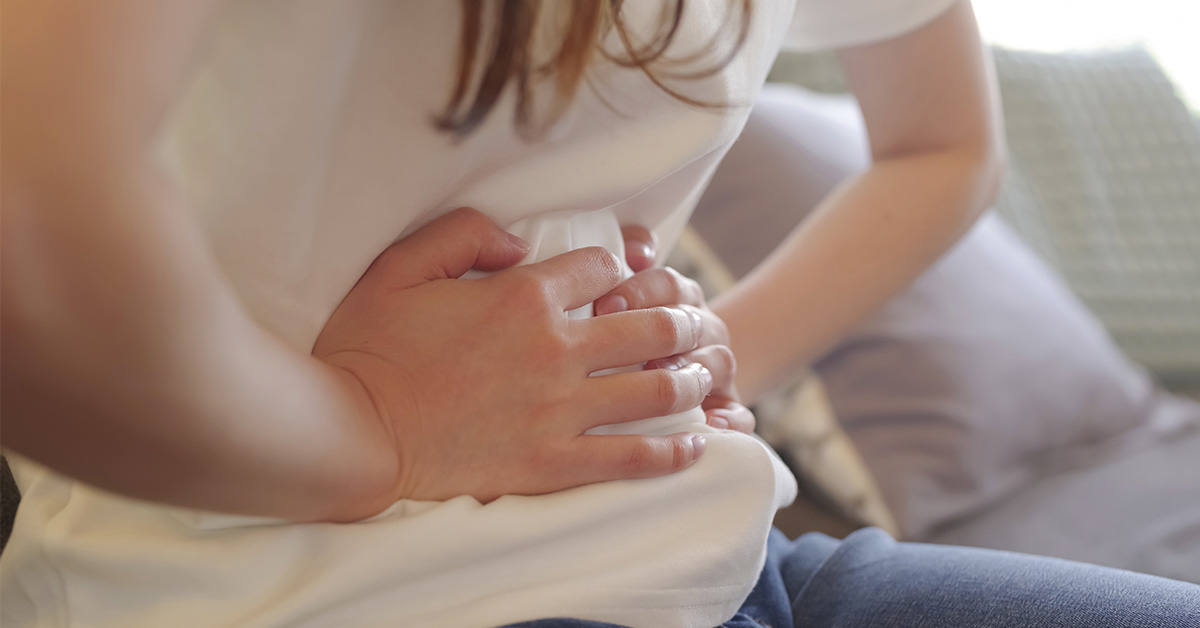

Have you ever wondered what the most intense natural sensation a human can experience is? Although ranking human pain objectively is challenging because it is subjective, extensive research points to kidney stone attacks, known as renal colic, as one of the most severe forms of physical suffering.
The intense, wave-like pain from the flank to the groin occurs when a kidney stone tries to pass through the ureter, the narrow tube connecting the kidney to the bladder. This pain is caused by spasms in the ureteral wall as the stone moves or blocks urine flow. Emergency physicians, pain specialists, and researchers agree that renal colic causes severe physiological distress. Its pain level is often rated as a 10 on a 0-to-10 scale, requiring immediate and potent medications, often opioids, to provide even partial relief.
Many who experienced both unmedicated childbirth and severe kidney stones report that the latter caused the worst natural pain they have ever felt. While labor pain is intense but purposeful, renal colic pain is relentless, unpredictable, and incapacitating, dominating the body and mind. This consensus really emphasizes how severe kidney stone pain can be, showing it’s one of the most intense types of pain that people can experience without injury physiology.
What the Study Actually Found

A 2017 study published in BMJ Open examined kidney stone pain by comparing it with other extremely intense pains that patients have experienced. Both men and women who came in with acute renal colic shared how severe their pain was and whether it was the worst they had ever experienced. The study also looked at women who had given birth before, which helped compare this kind of immense pain to childbirth experiences.
A total of 36 male and 23 female patients fully completed the questionnaire, with the team recording age, stone size, and pain scores on a 10-point scale. The average stone size was slightly over 5 mm, yet even these small stones caused pain scores near the highest end of the scale. The researchers observed no significant differences between men and women regarding age, stone size, or pain scores, indicating that the severity of renal colic is not strongly influenced by sex.
However, the subjective experience of “worst pain” showed a clear pattern that strongly favoured kidney stones as the most extreme pain event. Among the male patients, 88.9% reported that renal colic was the worst pain they had ever experienced. Among the female patients, 78.2% said the same, despite many having experienced childbirth in the past.
Why Kidney Stones Hurt So Much
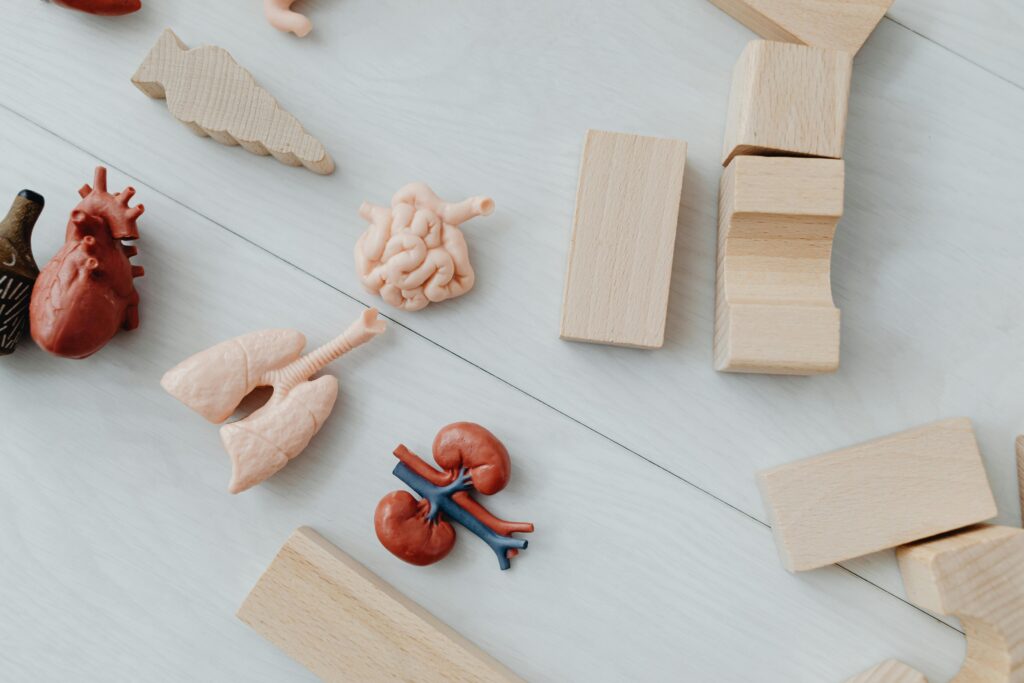
Kidney stones develop when minerals and salts in urine crystallise and clump together inside the kidney. Small stones might pass through the urinary tract unnoticed, especially if they stay in the bladder or exit quickly. Severe renal colic pain usually starts when a stone moves from the kidney into the ureter, the narrow tube that transports urine to the bladder. If the stone becomes lodged in the ureter and obstructs urine flow, it triggers a series of responses that the body perceives as intense pain.
Emergency physicians and urologists describe renal colic as visceral pain caused by the stretching and spasm as it tries to push a stone. Troy Madsen from the University of Utah Health said he rarely sees more pain than with kidney stones, with patients pacing, clutching their flanks, and experiencing waves of pain from ureter contractions.
The pain is described as deep, sharp, and cramping, originating in the back or flank and radiating to the lower abdomen or groin. Medical centres and urology practices list common kidney stone symptoms as severe pain in the side and back below the ribs, pain that moves toward the lower abdomen and groin, pain during urination, nausea, vomiting and a constant urge to urinate despite passing only small amounts of urine.
How Kidney Stones Compare to Other Severe Pains
While pain is subjective, a study comparing women who experienced both childbirth and kidney stones found that nearly 4 in 5 rated the kidney stone episode as the worst pain of their lives, putting renal colic at least on par with or exceeding labor pain for that group.
Clinicians regularly confirm these findings, with emergency room reports often describing kidney stone pain as particularly intense and severe. Patients frequently arrive vomiting and are unable to sit still due to the extreme discomfort. This severe pain results from the jagged, irregular shape of typical calcium oxalate stones, which scrape the delicate ureteral lining, coupled with inflammation, nerve stimulation, and increased pressure from obstructed urine flow. Together, these factors make renal colic a highly intense source of acute pain.
Recognising the Symptoms Early
Early detection of kidney stone symptoms can significantly influence the severity of pain and how quickly patients find relief. Many kidney stones cause no symptoms while they stay in the kidney, as urine can still flow around them. The typical appearance of renal colic occurs suddenly when a stone enters the ureter and obstructs urine flow. This pain usually starts in the flank area, just below the ribs, then radiates toward the abdomen, groin, or testicle on the affected side as the stone moves. Patients might notice that the pain occurs in waves lasting 20 to 60 minutes, which reflects the ureter’s effort to push the stone along.
In addition to pain, people with kidney stones may see blood in their urine, which can appear pink, red, or brown. Urine may look cloudy or have a strong odour, particularly if an infection develops alongside the obstruction. Nausea and vomiting are common, driven by the intensity of the pain and the body’s autonomic response to visceral distress. Many patients feel a strong urge to urinate frequently but pass only small amounts because the stone blocks the flow further up the urinary tract.
Health systems and kidney stone clinics recommend urgent medical care if patients experience severe side or back pain that does not improve, along with fever or chills, difficulty urinating, or persistent nausea and vomiting. These symptoms may indicate a large stone, significant blockage, infection, or kidney damage, necessitating immediate evaluation by a healthcare professional or emergency services. Even if symptoms seem to improve, recurring intermittent pain often indicates that a stone remains lodged in the ureter and needs further assessment.
How Doctors Treat the Worst Kidney Stone Pain
When patients arrive at the hospital with suspected renal colic, clinicians focus on pain control, then on identifying the stone and assessing for complications. In the emergency room, doctors often use intravenous NSAIDs, which reduce inflammation and relax ureter muscles while avoiding some risks of opioids.If NSAIDs are not enough, healthcare providers may add stronger analgesics, including opioids, for short-term relief. Imaging, such as CT or ultrasound, confirms the stone’s presence, size, location, and checks for swelling or damage to the kidney.
For smaller stones, the goal is to help them pass naturally. Urologists recommend drinking plenty of water to increase urine output, which gradually moves the stone down the ureter. Healthcare providers sometimes suggest alpha blockers to relax the ureter and improve the chances of passing stones, particularly those located in the lower ureter. To reduce discomfort, clinicians typically recommend oral NSAIDs and may prescribe short courses of stronger medication if needed.
When stones are too large to pass or cause discomfort, urologists may use interventional treatments such as shock wave lithotripsy, which uses sound waves to fragment stones into smaller pieces that pass naturally. Ureteroscopy involves inserting a scope through the urethra to remove or break stones directly. Rarely, surgeons perform small incisions or percutaneous procedures to extract large or lodged stones, especially when the kidney is blocked for a long time. These methods aim to relieve obstruction, reduce pain, and preserve kidney function.
Preventing Future Kidney Stone Attacks
Since kidney stone pain can be quite intense, many patients are eager to find ways to prevent future episodes once the emergency passes. Urologists emphasize that prevention starts with identifying the exact type of stone, as different kinds arise from different metabolic issues or dietary habits. When possible, doctors analyze the stones that are passed and may also suggest blood and urine tests to spot risk factors such as high calcium, oxalate, uric acid, or low citrate levels in urine.
Prevention of kidney stones begins with maintaining adequate hydration, eating a healthy diet, and taking medications as prescribed. If you have had kidney stones before, you should aim to drink enough fluids to produce about 2 to 2.5 liters of urine each day, depending on the weather and your activity level. Drinking more water helps dilute the substances that cause stones and prevents crystals from forming. When it comes to diet, maintain a normal calcium intake, reduce intake of high-oxalate foods, limit salt intake, and limit animal protein, as these can increase the risk of stone formation.
For patients experiencing recurrent stones or particular metabolic issues, doctors might recommend medications like thiazide diuretics, citrate supplements, or uric acid-lowering drugs to prevent stone formation. These medications work by regulating mineral and acid levels in the urine, making crystal development less likely. Regular check-ups with a urologist or nephrologist are essential to assess how well prevention strategies are working and to modify treatment as necessary. Healthcare professionals emphasize that prevention is just as important as treating acute episodes because, for many patients, the fear of another painful attack can be as upsetting as the initial episode.
Read More: Updated Guidelines Urge Doctors to Address Pain During IUD Insertion
Why “Worst Pain a Human Can Feel” Still Needs Nuance
Research indicates that kidney stone attacks can cause some of the most intense pain, surpassing childbirth or internal organ pain. A study revealed that approximately 90% of men and 80% of women considered this pain the worst they had ever felt, demonstrating that renal colic often pushes individuals to their pain threshold. Emergency doctors and urologists frequently encounter patients in severe distress, often describing the pain as sudden, relentless, and overwhelming. The pain’s intensity can lead to nausea, vomiting, and anxiety, requiring prompt medical intervention. The unpredictable nature of kidney stones and their potential for causing significant discomfort make understanding and managing this condition crucial for both healthcare providers and patients.
However, pain specialists caution that no single scale can capture every person’s experience because pain perception depends on biological differences, psychological factors, and previous exposure to severe pain. Some individuals may experience other events, such as major trauma, extensive burns, or certain nerve injuries, as equally or even more devastating than kidney stone pain, although these conditions may not appear in studies that focus on natural internal causes of pain rather than external injuries. In addition, labour pain has its own complex features, including hormonal influences and the knowledge that the process leads to the birth of a child, which can shape how people recall and interpret that experience compared to a sudden, frightening attack of renal colic.
Kidney stone pain is among the most severe pain experiences, often regarded as the worst by those who have endured it. This highlights the importance of timely recognition, effective pain management, and strong prevention strategies for those at risk. While discussions about the “worst pain” may persist, patients who experience renal colic are clear about its position on their personal pain scale.
Disclaimer: This information is not intended to be a substitute for professional medical advice, diagnosis or treatment and is for information only. Always seek the advice of your physician or another qualified health provider with any questions about your medical condition and/or current medication. Do not disregard professional medical advice or delay seeking advice or treatment because of something you have read here.
Read More: Study Finds Cannabis Extract Improves Sleep, Mobility, and Chronic Back Pain