
– The Hearty Soul has an affiliate relationship with The Health Shop, and we may earn from purchases made through links on this page. –
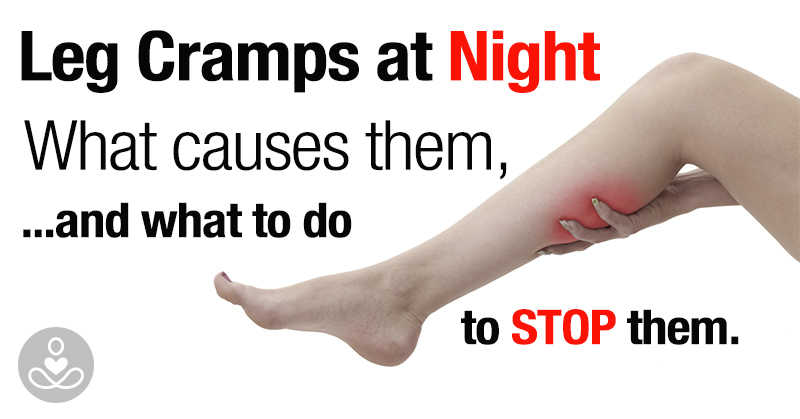
Leg cramps are a symptom many people experience chronically, often at night. People may find relief from the cramping for a few evenings but notice that they return with a vengeance! Leg cramps are not only painful but can also disrupt the sleep we need to recover from the stress we experience throughout the day. This annoying problem can be due to many factors that need to be explored further. One common factor I see in practice is a lack of fluid and blood flow to the leg. Here are some avenues you may want to explore for avoiding leg cramps:
What Are Some Possible Causes of Leg Cramps
Magnesium Deficiency
Magnesium is a mineral that is constantly used in many reactions throughout the body, and therefore it’s no surprise that many of my patients suffer from a magnesium deficiency. Magnesium supplements have been proven to be valuable for alleviating leg cramps, as they help relax skeletal muscles.
Diet is the best way of obtaining adequate magnesium and can be found in nuts and seeds such as Brazil nuts, almonds, and flaxseeds. Should you want to try supplements, a typical effective dose is around 100mg two to three times a day, depending on the severity of the deficiency. In severe cases, a side effect of magnesium is loose stools or diarrhea; if this occurs, it is strongly advised to stop the supplementation.
You may need to experiment with the dose to find the lowest effective amount, but I highly recommend sticking to nutritional sources for your magnesium intake. If you do prefer supplements, remember to seek individualized professional advice prior to taking them.
Which Magnesium Should You Take for Leg Cramps?
Studies of magnesium for nighttime leg cramps have mixed results. It is most likely to help if your diet is low in magnesium or you have other signs of deficiency. If you try it, choose a well-absorbed form that won’t upset your stomach.
Magnesium bisglycinate is a good fit: it’s well absorbed and the gentlest form on digestion. Many people take it with dinner or in the evening. Health First Magnesium Bisglycinate 200 Supreme gives 200 mg of elemental magnesium per capsule. Magnesium oxide is cheaper but poorly absorbed and more likely to cause loose stools.
For a side-by-side comparison of bisglycinate, citrate, oxide and four other forms, see our guide to the 7 types of magnesium and how to use them.
If your cramps are frequent or severe, or come with swelling, redness or weakness, see your doctor.
Vitamin D Deficiency
Calcium is another mineral that could be deficient in people experiencing leg cramps. If you are eating a balanced diet that includes a healthy portion of vegetables but still experience cramps, then vitamin D deficiency may be the culprit. Vitamin D allows for the absorption of calcium from your diet, and if you do not have adequate vitamin D levels, then the calcium is not absorbed properly. Vitamin D can be obtained by exposing your skin to sunlight, but of course this isn’t always possible in the Winter months or in areas which are mostly cloudy, like my city of Vancouver. Other vitamin D deficiency symptoms include:
A good alternative is eating mushrooms and seafood, which can also provide you with vitamin D. Some people also opt to take supplemental vitamin D either in the form of drops or capsules. Supplemental vitamin D should be taken with a meal since it is a fat-soluble vitamin, and 1000IU per day is a good starting dose. But again, I would highly recommend you seek individualized advice.
How to Prevent Leg Cramps
In addition to supplementing appropriately for vitamin D and magnesium, there are a few other simple practices that can help to ward off nightly leg cramps.
Stretching: You can help avoid leg cramps by incorporating simple stretches into your exercise routine which can help invigorate blood flow to your legs. One of the easiest stretches is to find a ledge and rest the ball of your foot on it while your heel is touching the floor. Next, slowly shift your weight towards the ledge like pressing the accelerator of your car. Maintain the position for only a few seconds and then rest for another few seconds. You should feel a good stretch in your leg muscles. Repeat this stretch 6-8 times on each foot. This exercise will stretch out your calves, which are the part of the leg where most people experience cramps. Just note that the ledge should not be too high off the ground to avoid unnecessary pressure on the calves. You can easily create this ledge using books.
Hydration: Leg cramps can also be caused by insufficient intake of fluids. It can also be due to a high intake of fiber-containing foods, which use up our fluids. You should always monitor your water intake and try adding more fluids into your diet if you notice cramps are an ongoing issue. A couple of liters of water a day is a good goal to aim for depending on your fiber intake.
Acupuncture: In Chinese medicine, the evenings are Yin time, and so the Yin substance, being blood, is often indicated in problems confined to nighttime. The tricky part here is that we are not talking about overt blood deficiency that may show up on a blood analysis. We are talking about a need to optimize blood circulation. Acupuncture can easily accomplish this, and I have had great success with it. It opens up various channels through which blood can effectively flow to the legs. Having a few sessions of acupuncture from a qualified practitioner may help eliminate the cramps for good!
Massage: Along the same vein as acupuncture, massages can be used to stimulate blood flow and help circulation in tissues that are not adequately replenished. This is due to the squeezing and compressing actions of massage therapy, which act like the beating of your heart in ensuring blood flow to the tissues. You can easily massage your legs by compressing your muscles using your thumbs and fingers. If you notice any points that are more tender than other areas, then spend more time with your thumbs in these places. These areas of tenderness could represent trigger points, and applying firm pressure on them, although temporarily painful, can help release the tension. Once released, you will notice that these once tender points are now softer and less painful. Massaging your muscles is also a great way of connecting with and showing kindness to your body.
Take-Home Message
The options above should help some people avoid nightly leg cramps. For others, leg cramps can also be due to mental-emotional factors which you may need to explore further. One factor people can relate to is being stressed and overworked, which locks our bodies in a sympathetic mode. Our body complains when we don’t take the time to attend to it properly, and leg cramps can definitely be a sign of this.
You should take some time at the end of the day to relax by breathing deeply for a couple of minutes and thinking of things that happened during the day that you are grateful for. This simple mental exercise often helps people de-stress, which puts you in the parasympathetic mode needed for recovery and rejuvenation.
Read More: 11 Signs You’re Not Getting Enough Magnesium and 20 Foods to Fix It
Sources
- Gaby AR. Nutritional Medicine. Concord, NH: Fritz Perlberg Publishing; 2011.
- Hallegraeff JM, van der Schans CP, de Ruiter R, de Greef MHG. Stretching before sleep reduces the frequency and severity of nocturnal leg cramps in older adults: a randomised trial. J Physiother. 2012;58(1):17-22. doi:10.1016/S1836-9553(12)70068-1.
- Roffe C, Sills S, Crome P, Jones P. Randomised, cross-over, placebo controlled trial of magnesium citrate in the treatment of chronic persistent leg cramps. Med Sci Monit. 2002;8(5):CR326-CR330. PMID: 12011773.
Medical Disclaimer: The author is not a licensed medical professional. The information provided is for general informational and educational purposes only and is based on research from publicly available, reputable sources. It is not intended to constitute, and should not be relied upon as, medical advice, diagnosis, or treatment. Always consult a licensed physician or other qualified healthcare provider regarding any medical condition, symptoms, or medications. Do not disregard, avoid, or delay seeking professional medical advice or treatment because of information contained herein.
Editor’s Note: Article updated October 2026.