

Coffee is one of the most widely consumed beverages in the world, known for its stimulating effects and rich flavor. For many, a morning cup is a daily ritual that boosts focus and energy. But coffee is more than just caffeine; it contains compounds that can influence how the body processes certain drugs. This can change how effective a medication is, or increase side effects. Because interactions are not always obvious, people may continue drinking coffee without realizing the risks. To understand which medications to avoid with coffee, it helps to look at how it affects the body, and the research behind its interactions with specific drugs.
Coffee in History and Medicine

Coffee has been consumed for centuries, with origins traced to Ethiopia in the 9th century. By the 15th century, it spread through the Arabian Peninsula, where it was used in Sufi religious practices to promote alertness during night prayers. In the Ottoman Empire, coffee houses became centers of social and intellectual life. By the 17th century, coffee had reached Europe, where physicians debated its medicinal value. Some early doctors prescribed it for digestion, headaches, and even mood regulation. Although their knowledge was limited, these early practices set the stage for understanding coffee as both a cultural beverage and a substance with real physiological effects.
How Coffee Affects the Body

The primary active compound in coffee is caffeine, a central nervous system stimulant. Caffeine blocks adenosine receptors in the brain, reducing drowsiness and increasing alertness. It also stimulates the release of dopamine and norepinephrine, which enhance mood and concentration. In the cardiovascular system, caffeine can temporarily raise blood pressure and heart rate. Coffee also influences stomach acid production, sometimes leading to digestive discomfort. Decaffeinated coffee contains much less caffeine, but still includes compounds like chlorogenic acids that affect metabolism. This means that while decaf reduces caffeine-related risks, it may still interact with certain medications, though usually to a lesser degree.
1. Antibiotics (Quinolones)

Antibiotics such as ciprofloxacin and norfloxacin slow down how the body breaks down caffeine. This leads to higher caffeine levels in the bloodstream, causing jitteriness, rapid heartbeat, or difficulty sleeping. These effects can be especially pronounced in people sensitive to caffeine. Even small amounts of coffee may feel overwhelming while taking these drugs. Doctors often recommend avoiding caffeine until the antibiotic course is completed.
2. Thyroid Medications
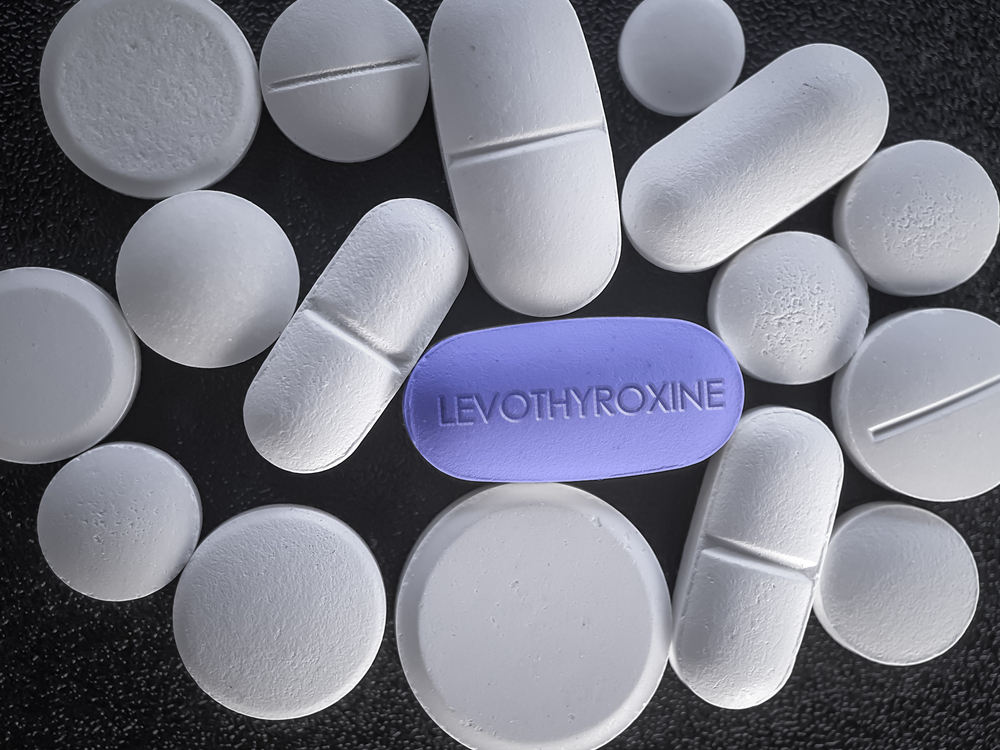
Levothyroxine, a common treatment for hypothyroidism, is less effective if taken with coffee. The compounds in coffee interfere with absorption in the digestive tract. Patients may not receive the full benefit of their medication if they drink coffee too soon after swallowing a pill. Studies show that waiting at least 30 to 60 minutes before having coffee improves results. Timing, rather than total elimination, is often the safest strategy here.
3. Antidepressants (SSRIs and MAOIs)
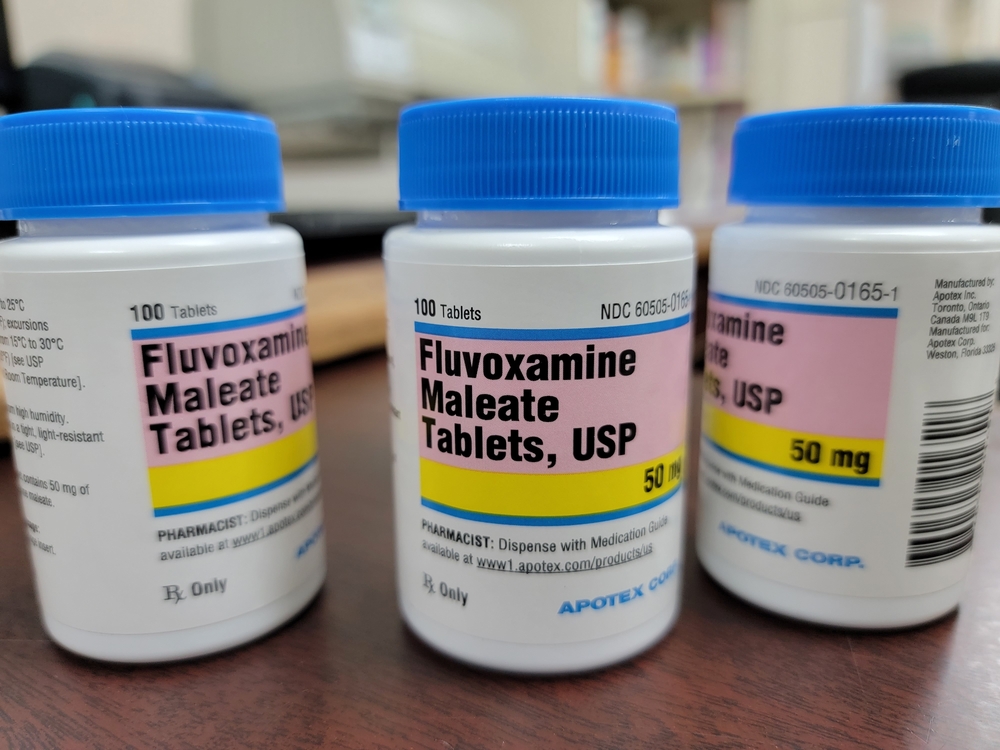
Selective serotonin reuptake inhibitors (SSRIs) such as fluvoxamine can slow caffeine metabolism, amplifying its stimulating effects. Monoamine oxidase inhibitors (MAOIs) can cause dangerous blood pressure spikes when combined with caffeine. These interactions may increase restlessness, insomnia, or cardiovascular strain. Patients using these antidepressants should be cautious with their intake. For some, even a single cup of coffee may feel far stronger than expected.
4. Anxiety Medications
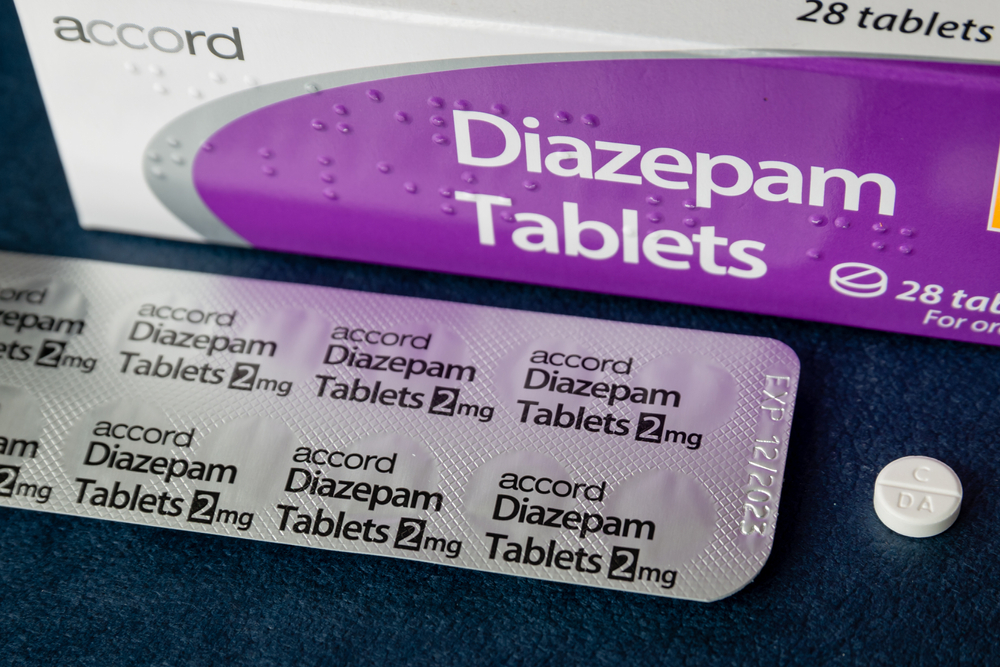
Benzodiazepines, including alprazolam and diazepam, are designed to reduce nervous system activity. Caffeine counteracts this by increasing alertness and stimulating stress responses. This clash makes anxiety symptoms harder to manage and reduces the calming effect of the medication. Sleep quality may also worsen when the two are combined. For those managing anxiety, coffee often adds unnecessary difficulty to recovery.
5. Blood Pressure Medications

Beta-blockers and other antihypertensive drugs are prescribed to keep blood pressure under control. Caffeine’s stimulating properties can temporarily raise blood pressure, reducing the medication’s effectiveness. This can be especially risky for patients with unstable hypertension. Even moderate coffee consumption may blunt the benefits of treatment. In some cases, switching to decaf still requires caution.
6. Osteoporosis Medications
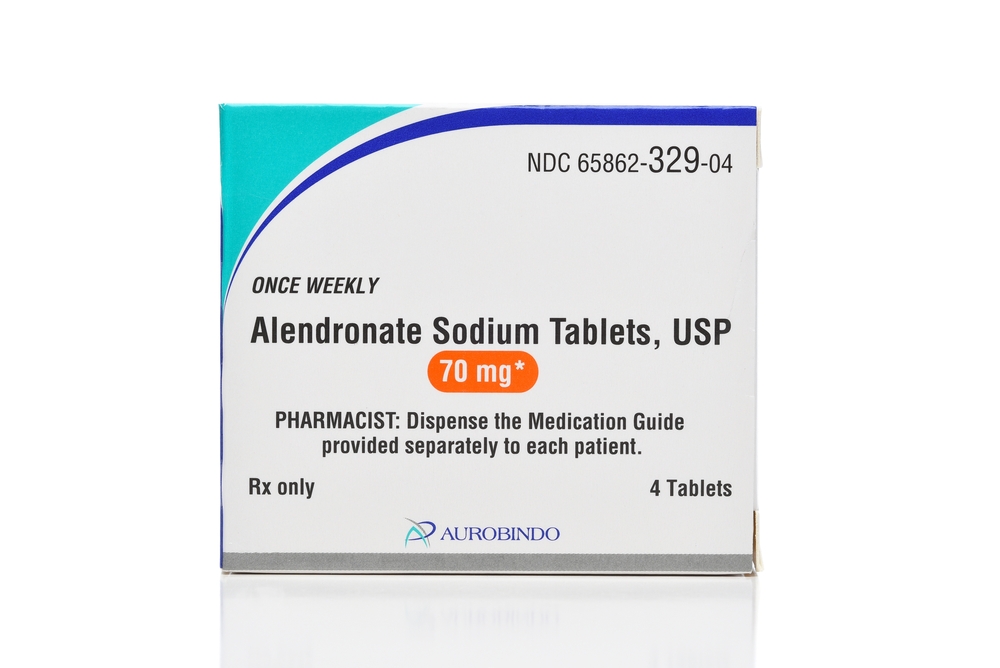
Bisphosphonates, such as alendronate, are used to strengthen bone density. Coffee interferes with the absorption of these drugs if consumed too soon after taking them. Caffeine may also reduce calcium absorption, which further undermines treatment. Doctors often recommend drinking only water when taking these medications. Coffee can be safely enjoyed later in the day once absorption has occurred.
7. Asthma Medications

Theophylline, an older medication for asthma, has a chemical structure similar to caffeine. When combined with coffee, its side effects like nausea, restlessness, or irregular heartbeat become more intense. The dual stimulant effect can strain the cardiovascular system. Even small amounts of caffeine may worsen the experience. Patients on theophylline are often advised to avoid coffee entirely.
8. Diabetes Medications

Caffeine can affect how the body handles glucose, sometimes leading to higher blood sugar levels. For people taking medications like insulin or metformin, this can complicate blood sugar control. While the effects vary, they can reduce the overall effectiveness of treatment. Coffee also increases the release of stress hormones, which further disrupts glucose balance. Managing diabetes becomes more stable when caffeine intake is carefully monitored.
9. Anticoagulants (Blood Thinners)
Warfarin and other anticoagulants prevent blood clots by thinning the blood. Certain compounds in coffee may interfere with how the liver processes these drugs. This can either increase bleeding risk or reduce effectiveness, depending on the person. Because these medications require very precise dosing, any interaction is significant. Doctors usually recommend consistency with caffeine intake rather than sudden changes.
10. Migraine Medications
Triptans, prescribed for acute migraine attacks, work by narrowing blood vessels in the brain. Coffee also influences blood vessel constriction and circulation. When combined, the effects may overlap, leading to dizziness, irregular heartbeat, or stronger side effects. While caffeine is sometimes used in small amounts to enhance pain relief, excess coffee poses risks. Controlled intake under medical advice is crucial in these cases.
Alternatives to Coffee

For those who need to avoid coffee due to medication interactions, there are healthier substitutes. Herbal teas such as chamomile or rooibos are caffeine-free and generally do not interfere with prescriptions. Green tea contains less caffeine than coffee but may still interact with some drugs, so it should be used with caution. Chicory root coffee has a similar taste to coffee but is naturally caffeine-free, making it a safe choice for most people. Golden milk, made with turmeric and warm milk, offers anti-inflammatory properties without caffeine. Each alternative has a unique flavor profile, from earthy to mildly sweet, giving options that suit different preferences while avoiding medication conflicts.
Coffee and Medication Safety

Coffee remains a favorite daily ritual, but it is important to be aware of potential risks. For some medications, coffee can reduce effectiveness or intensify side effects. The impact depends on the type of drug, the amount of coffee consumed, and individual metabolism. Patients should follow medical guidance about timing and possible restrictions. By choosing safer alternatives when needed, people can still enjoy comforting beverages without interfering with their treatment. Understanding how coffee interacts with medications ensures both safety and peace of mind.
Read More: Date Seed Coffee: A Caffeine-Free Alternative with Surprising Benefits
Disclaimer: This article was created with AI assistance and edited by a human for accuracy and clarity.