

The skin is often called the body’s largest organ, and for good reason. It doesn’t just protect us from the outside world, it also reflects what’s happening inside. Many health issues can leave clues on the surface of the skin, including heart disease. While not every rash or spot is linked to a cardiac problem, certain changes can serve as early warnings. Understanding these skin symptoms that may signal heart disease is important because heart conditions often develop silently over many years. Catching subtle clues early may give you the chance to seek care before bigger problems arise. Here are 10 signs of heart disease that appear on the skin, along with what you can do next.
Skin as a Window to Health

Skin health is influenced by factors such as nutrition, stress, and organ function. Microscopic changes in collagen, moisture levels, or sebaceous activity can indicate cardiovascular strain, liver stress, or hormonal imbalances, making skin a window into overall well-being.
The skin is a powerful diagnostic tool because it mirrors the body’s internal state. Blood circulation, immune activity, and hormone balance all leave evidence on the surface. Poor circulation, for example, can cause color changes, while inflammation may appear as rashes or swelling. Dermatologists often spot underlying conditions by examining skin texture, tone, or unusual marks. Because it is visible and easily observed, the skin provides early warning signs long before other symptoms may be felt. Paying attention to skin changes that may be a warning for heart disease is an important part of protecting long-term health.
The Importance of the Heart

Visible signs like persistent swelling, unusual bruising, or changes in nail and lip color can signal underlying heart issues. Early recognition allows timely medical evaluation, lifestyle adjustments, and interventions that significantly reduce long-term cardiovascular risks.
The heart is the body’s central pump, moving oxygen-rich blood through arteries to every cell. Healthy circulation delivers nutrients and removes waste efficiently. When the heart struggles, reduced blood flow can affect the skin, hair, and nails, sometimes showing up as discoloration, dryness, or sores. Cardiovascular disease is the leading cause of death worldwide, but many of its early signs are missed. Recognizing heart disease signs that appear externally helps people take proactive steps to protect their long-term health.
1. Persistent Blue or Purple Lips
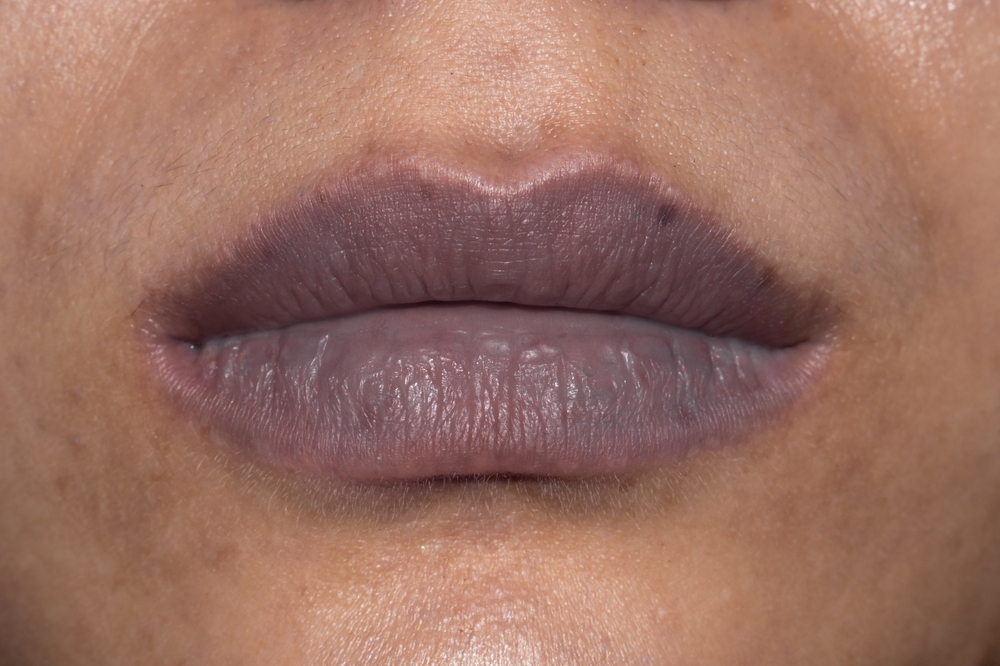
Bluish lips, or cyanosis, can indicate reduced oxygen in the blood, often linked to heart or lung conditions. Spotting this early allows prompt evaluation, helping identify potential cardiovascular problems before they become severe
When lips remain bluish or purple, it can mean the blood is not carrying enough oxygen. This is often linked to reduced circulation or weakened heart function. While cold weather can cause temporary color changes, lasting discoloration should not be ignored. It suggests the heart and lungs may not be delivering oxygen efficiently. Over time, this can put stress on organs and tissues.
What to Do Next: If lips frequently look blue, especially at rest, schedule a medical evaluation to check oxygen levels and heart function.
2. Yellowish Bumps on the Skin
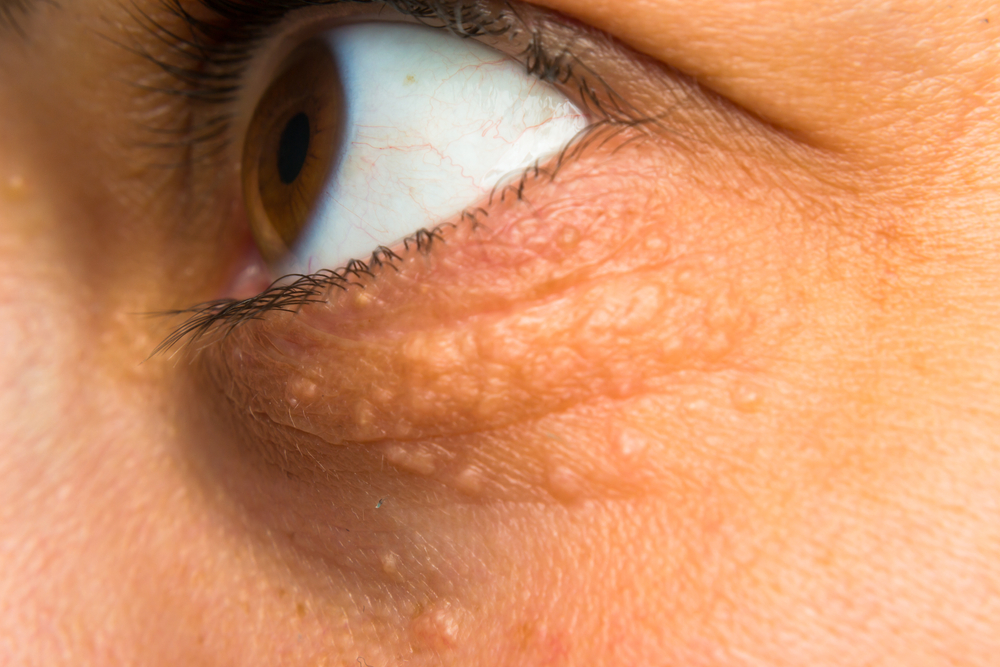
Xanthomas are linked not only to high cholesterol but also to genetic lipid disorders like familial hypercholesterolemia. Their presence can reflect long-term lipid imbalance, signaling increased risk for atherosclerosis and emphasizing the need for medical evaluation and blood lipid monitoring.
Small, yellow patches or bumps, often around the eyes or joints, can be a sign of cholesterol buildup. Known as xanthomas, these deposits appear when fats circulate at high levels in the blood. While not harmful themselves, they may indicate that arteries are collecting plaque. This buildup is a major risk factor for heart disease and stroke. Early recognition helps identify people at higher risk who may not yet feel symptoms.
What to Do Next: Ask your doctor about a lipid panel to check cholesterol and triglyceride levels if you notice these bumps.
3. Red or Purple Spots on the Palms
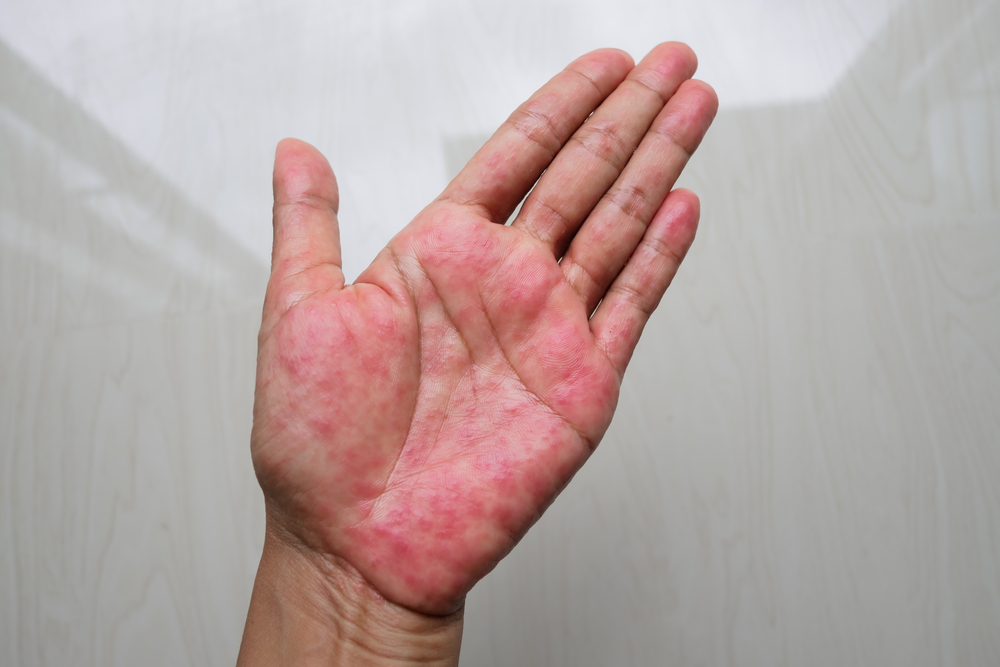
Red or purple palm spots can indicate infective endocarditis or vascular inflammation. Janeway lesions are painless, while Osler’s nodes are tender. Early detection is critical, as these rare skin signs may reveal serious heart infections before other symptoms appear
Unexplained red or purple spots on the palms may be linked to heart valve infections or blood vessel inflammation. These spots are sometimes called Janeway lesions or Osler’s nodes, depending on appearance. They are rare but serious, often signaling bacterial infection inside the heart. Left untreated, this condition can cause lasting damage to valves and circulation. Skin signs here are important because internal infections may not always cause pain at first.
What to Do Next: Seek immediate medical care if you develop these spots, especially if paired with fever or fatigue.
4. Leg and Ankle Swelling with Shiny Skin
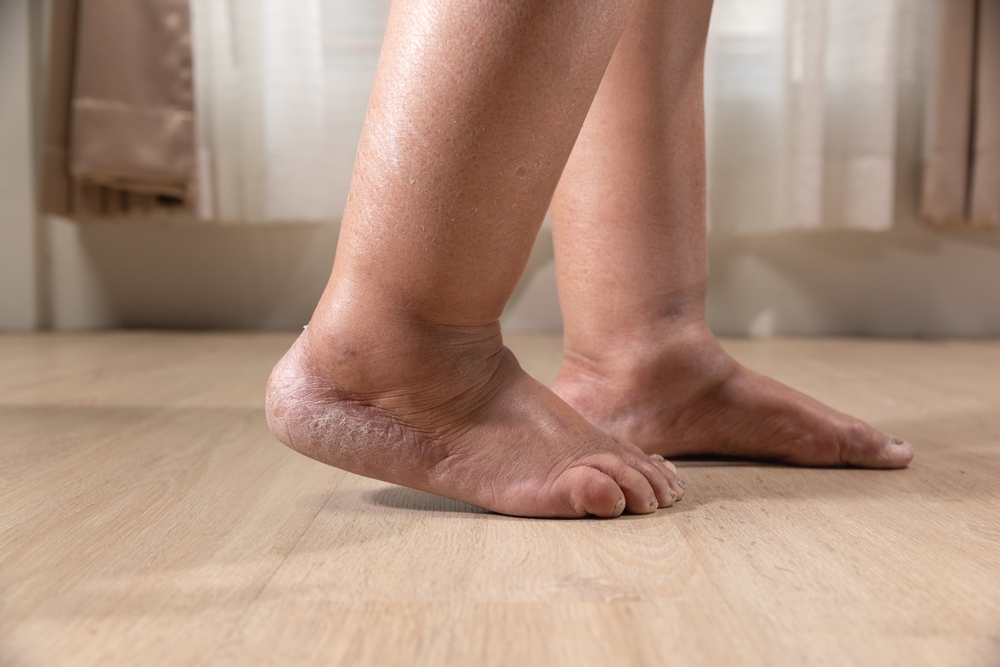
Chronic leg and ankle puffiness may reflect the heart struggling to pump efficiently. Fluid accumulation can strain veins and tissues, highlighting the need for cardiovascular assessment even before classic symptoms like shortness of breath appear.
Swelling in the legs and ankles is often linked to fluid retention from heart failure. When circulation weakens, blood and fluid collect in the lower body. Over time, the skin may look stretched, shiny, or discolored. This swelling, known as edema, is a common but overlooked warning sign. Left untreated, it can worsen and cause sores or infection.
What to Do Next: Elevate your legs when resting, reduce salt intake, and talk to a doctor to evaluate for heart or kidney issues.
5. Slow-Healing Sores on the Feet

Slow-healing foot wounds may indicate widespread vascular damage, not just local injury. Reduced arterial supply limits nutrient delivery and immune defense, which can precede heart attacks or strokes if left unchecked. Early vascular screening becomes essential.
Poor circulation from narrowed arteries can make it hard for the skin to repair itself. This often shows up in the feet, where sores may linger for weeks. Cuts that do not heal raise the risk of infection and tissue damage. They can be a sign of peripheral artery disease, which often accompanies heart disease. Because the feet are far from the heart, circulation problems show there first.
What to Do Next: Inspect your feet regularly and consult a doctor if any wound is slow to heal, as this may require testing for artery health.
6. Reddish or Brown Lines Under Fingernails
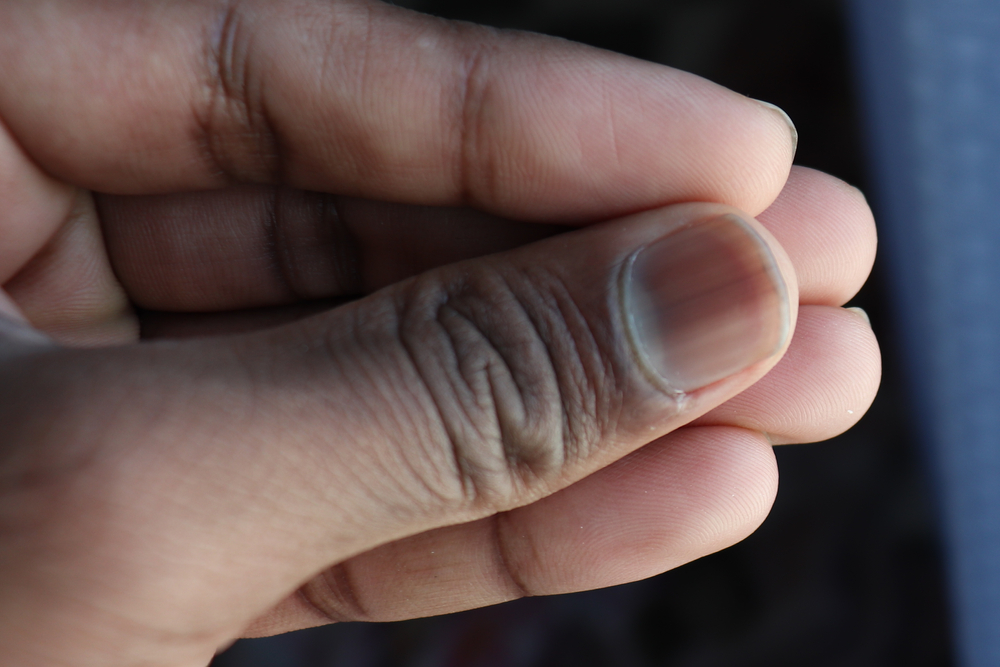
Microscopic bleeding under nails may indicate circulating microemboli, which can result from bacterial colonization on heart valves. Studies show splinter hemorrhages appear in up to 15% of endocarditis cases, highlighting the nail as a subtle cardiovascular indicator
Tiny reddish or brown streaks under nails, called splinter hemorrhages, are caused by small blood clots damaging vessels. They can sometimes signal endocarditis, a heart infection, or other circulation issues. While trauma to the nails can cause similar marks, multiple lines without injury raise concern. These nail changes often appear without pain, making them easy to miss. Because they reflect problems in small blood vessels, they may point to bigger circulation issues.
What to Do Next: Mention these nail changes to your doctor, especially if combined with fever or unexplained fatigue.
7. Persistent Rash on the Lower Legs
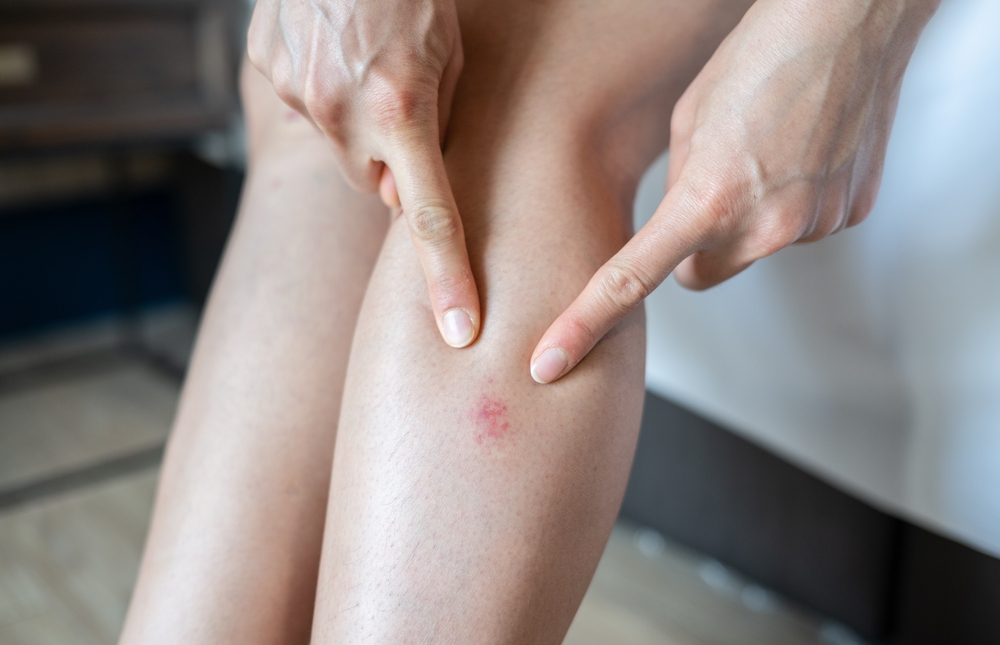
Chronic venous congestion can trigger stasis dermatitis, where prolonged vein pressure inflames skin. Research shows up to 20% of adults with vein disorders develop these rashes, which can precede ulcers and indicate underlying cardiovascular strain.
A dark or reddish rash on the lower legs can signal chronic circulation issues. Known as stasis dermatitis, it develops when blood flow is restricted, and pressure builds in the veins. The skin becomes irritated, itchy, and prone to ulcers. While often mistaken for eczema, this condition is linked more closely to vascular and heart health. Left untreated, it can cause permanent changes in skin color and texture.
What to Do Next: Keep the legs elevated when possible, wear compression stockings, and ask your doctor about checking circulation.
8. Clubbing of Fingers and Toes
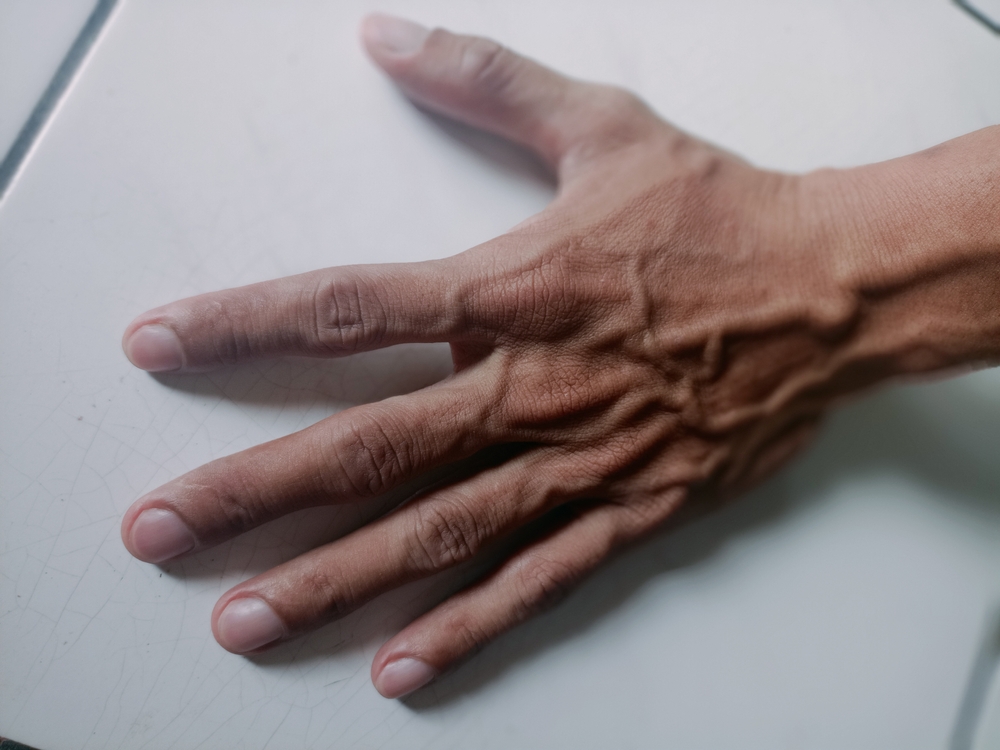
Finger clubbing results from long-term oxygen deprivation, prompting connective tissue growth at the nail bed. Studies associate it with congenital heart defects, chronic lung disease, and pulmonary hypertension, making it a subtle but measurable marker of systemic hypoxia.
Clubbing happens when the fingertips and nails enlarge and curve downward. This gradual change is linked to chronic low oxygen levels, often caused by heart or lung conditions. Clubbing develops slowly, making it easy to dismiss until the changes are obvious. It shows that tissues are struggling to get enough oxygen. This condition is especially tied to congenital heart problems or long-term circulation issues.
What to Do Next: Seek a medical exam if fingers or toes begin to change shape without clear cause, as it often signals an underlying issue.
9. Pale or Gray Skin Tone
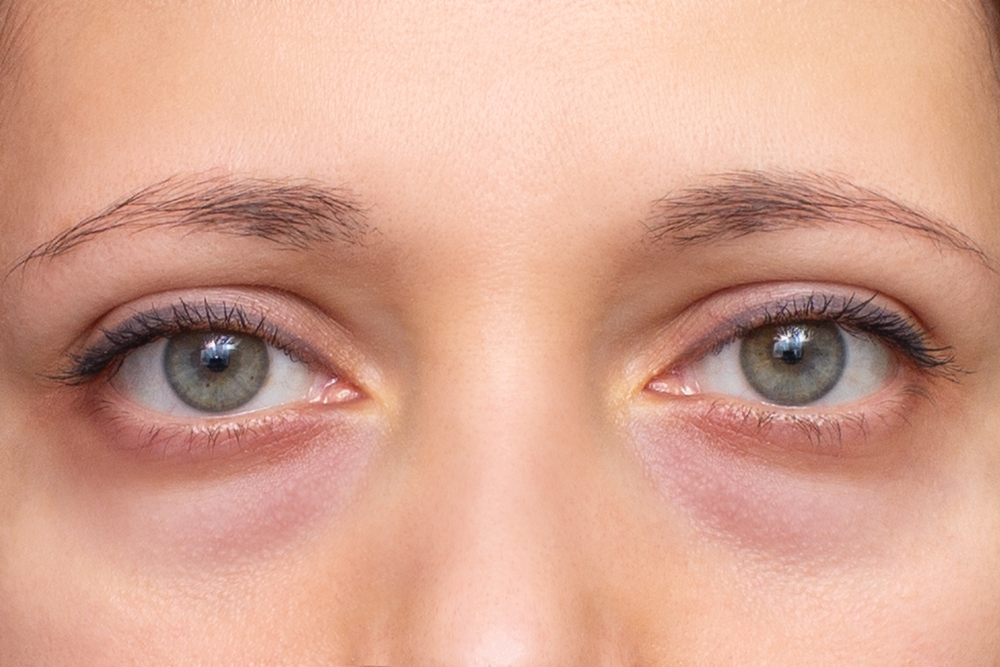
Chronic low perfusion can cause a grayish pallor as hemoglobin oxygen saturation drops in peripheral tissues. Studies show even mild anemia can reduce skin tone by measurable spectrophotometry, revealing hidden circulatory stress before other symptoms appear
A sudden or lasting pale or gray skin tone may signal poor blood flow or anemia caused by heart conditions. Reduced circulation limits oxygen delivery, leaving the skin with a washed-out appearance. While temporary paleness can happen from cold or stress, chronic changes require attention. A grayish tone often suggests advanced heart or lung strain. These color changes are important because they usually appear before other symptoms.
What to Do Next: Track when the color change happens and discuss it with your doctor for potential heart or blood testing.
10. Unexplained Bruising or Skin Fragility
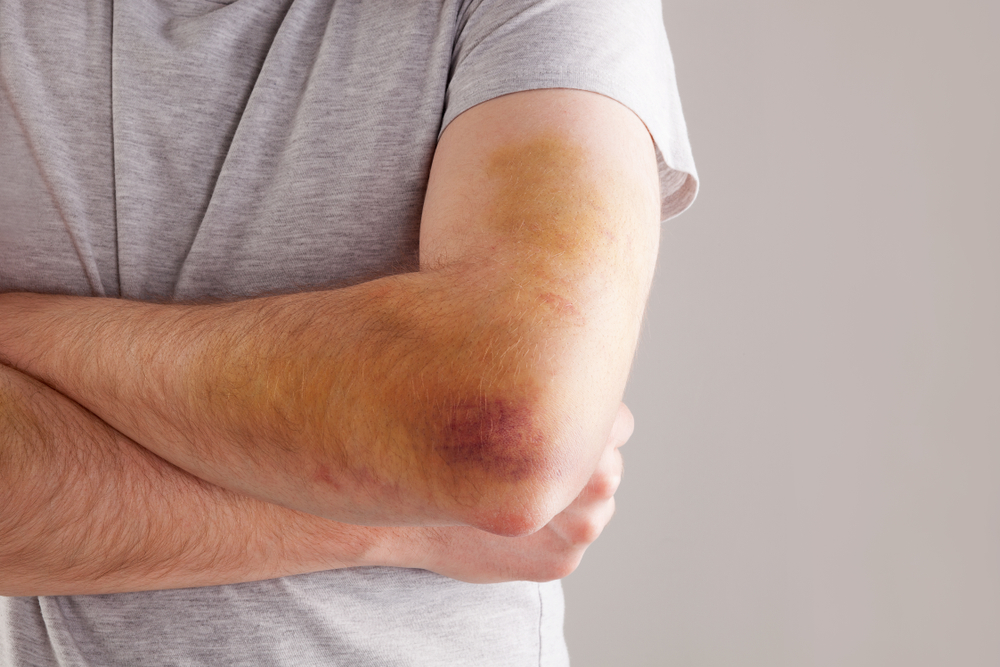
Fragile skin and frequent bruising can reflect compromised vascular integrity. Research indicates that reduced cardiac output can weaken capillary walls, while age-related collagen loss amplifies susceptibility, turning minor impacts into visible hemorrhages that reveal hidden cardiovascular strain.
Easy bruising or fragile skin may be linked to weakened blood vessels and circulation problems. Poor heart function affects how well blood moves through tissues, making bruising more frequent. While age naturally makes skin thinner, a sudden increase in unexplained bruises may suggest deeper issues. This is especially important when combined with swelling, fatigue, or other warning signs. Skin fragility is a visible reminder of stress within the vascular system.
What to Do Next: Keep track of unusual bruises and speak with a doctor about tests for clotting and circulation health.
Supporting Skin and Heart Health
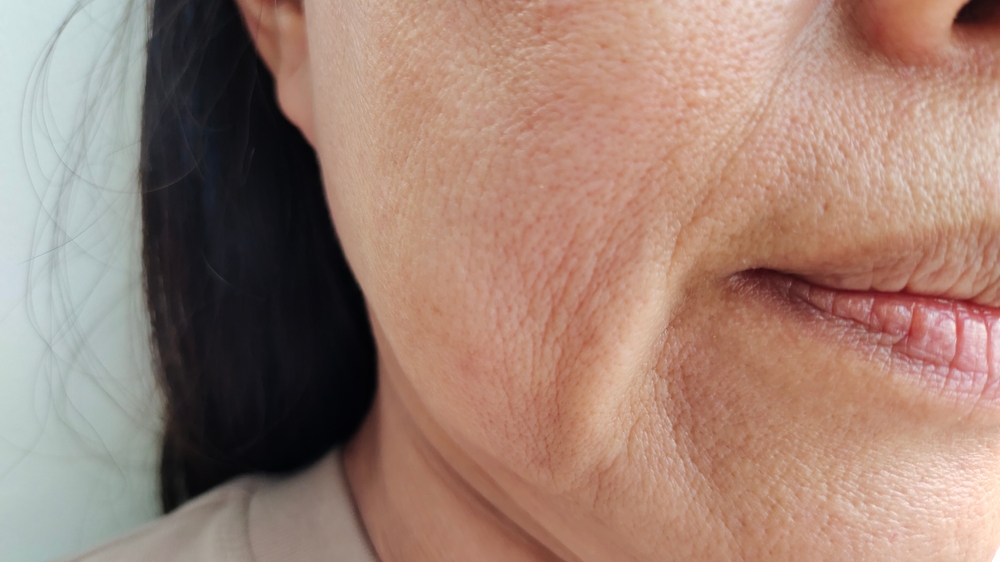
Skin changes can act like early warning signs for hidden health issues. Research shows that habits such as regular exercise, balanced nutrition, and quitting smoking improve circulation, strengthen blood vessels, and lower the risk of heart-related complications.
Not every skin change means you have a heart problem, but taking these clues seriously can be lifesaving. Protecting circulation means eating a balanced diet, exercising regularly, and avoiding tobacco. Managing blood pressure, cholesterol, and blood sugar also keeps both skin and heart in better condition. Staying hydrated and maintaining healthy sleep patterns supports the body’s natural repair processes. Early attention to subtle skin warnings, paired with regular checkups, creates the best defense against future complications.
Pay Attention to Skin Signals

The condition of your skin can hint at underlying heart issues long before pain or fatigue appear. Studies link changes in texture, moisture, or blood vessel patterns to early signs of heart disease, making observation a useful preventive tool.
The skin often reflects what is happening inside the body, and in some cases, it may provide early signs of heart problems. Paying attention to skin symptoms that may signal heart disease helps you spot risks earlier. These heart disease signs should never replace professional diagnosis, but they can guide you toward timely medical attention. If you notice ongoing skin changes that may be a warning for heart disease, consult a healthcare professional for proper evaluation. Protecting your skin and your heart starts with awareness and action.
Read More: 8 Beauty Benefits of Ginger for Glowing Skin and Hair
Disclaimer: This article was created with AI assistance and edited by a human for accuracy and clarity. This information is educational and not a substitute for professional medical advice.