

Have you ever thought about what you would do in a survival situation? For example, you get lost outdoors, your car breaks down in a remote area, or you need to get out of a building as quickly as possible? Survival situations can be daunting, but with the right knowledge you can significantly improve your chances of staying safe. Whether your in the wilderness or an urban environment, these essential survival tips can help you be prepared for the unexpected.
10 Survival Tips for Your Safety
Let’s be honest: There are way more than 10 things that we could include on this list. After all, there are many dangerous situations you could find yourself in. Information like dog body language, navigating your way out of a dense forest, or how to know really if someone is following you (bonus tip: take four right turns in a row. If they are actually following you, you’ll know). The following tips are for a mixture of situations that, should you find yourself in them, they will help you make it through.
1. Know Your Plants: The Dandelion

Dandelions are not just weeds; they are a valuable survival resource. All parts of the dandelion are edible, including the leaves, stems, flowers, and roots. This makes them a reliable food source if you find yourself in a situation where food is scarce. Are they the best meal you will ever eat? No – but they can help to prevent you from starving.
2. Regulate Your Body Temperature

Proper temperature regulation is key to survival. If you are overheating, pouring water or placing ice on your forearms can help cool your body down quickly. The forearms have a high concentration of blood vessels close to the skin, which helps in heat exchange. When in the cold, remember this: It is better to be slightly cold than to sweat. Sweating can make your clothes damp, which then draws heat away from your body, increasing the risk of hypothermia. Dress in layers that you can easily adjust to prevent sweating.
3. Stay Afloat in the Water

If you fall off a boat or find yourself in open water, you must conserve your energy. It could be a substantial amount of time before anyone is able to rescue you, and swimming will tire you out faster than you realize. Conserve your energy by trying to float instead of swimming. Focus on staying calm and floating until help arrives.
4. Stay Hydrated

Water is crucial for survival – humans can only last something like 3 days without it. That being said, it’s not the only factor in hydration. Electrolytes are also important to help your body absorb and retain water. Salt and salt tabs can be helpful, but also consider having a bottle of something such as Pedialyte in your backpack or vehicle, or an electrolyte powder.
5. Signal for Help
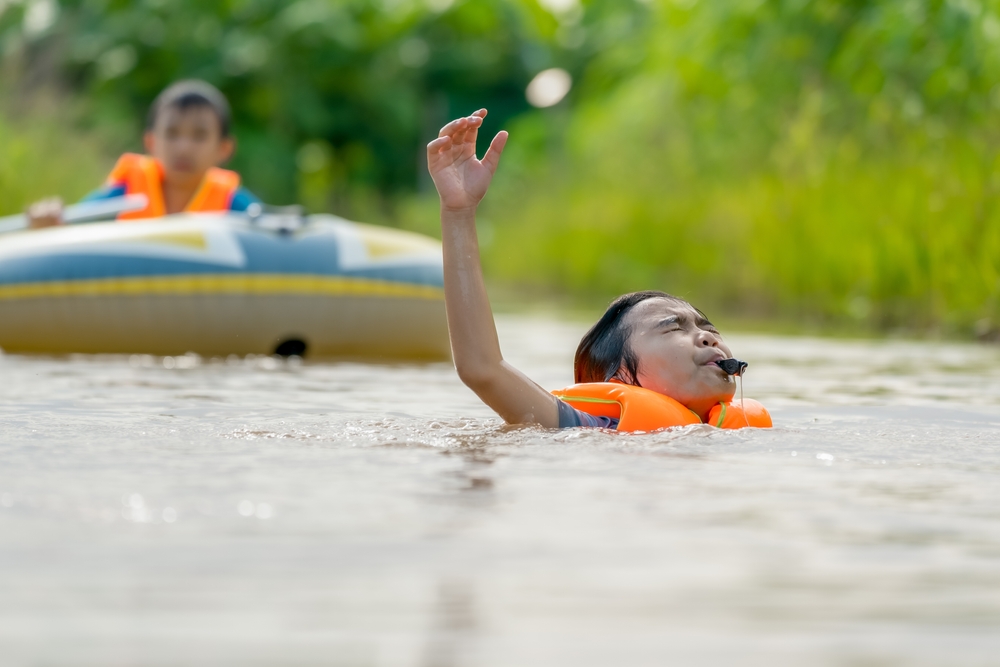
Even if you’re just going for a hike near your home that you know well, you should always carry a whistle with you when you go out into nature. The sound of a whistle travels farther and requires less energy than yelling. A series of three short blasts is the universal distress signal. You can also use the Morse code for SOS. It is three short blasts, three long ones, followed by another three short blasts (• • • — — — • • •). This can also be signaled with a flashlight or other light source. Bringing a mirror into the wilderness is also a good idea, as you can use it to signal to others where you are.
6. Find Your Way Out of a Building

If you are in a building and need to get out quickly, there is a button in the elevator that helps you do so. Look for the star symbol on the elevator – this symbol indicates the most direct route to the outside. Of course, in certain emergency situations, it is not advisable to use the elevator. For example, in a fire or an earthquake, you should always take the stairs.
In addition, the safest floors in a building are generally between the 4th and the 9th floor. This is because in the case of a bomb going off at ground level or being tossed into the building, the fourth floor is too high to reach and is far enough away from the blast. In the case of fire, higher than the 9th floor can take too long to run down.
7. Keep a Car Survival Kit
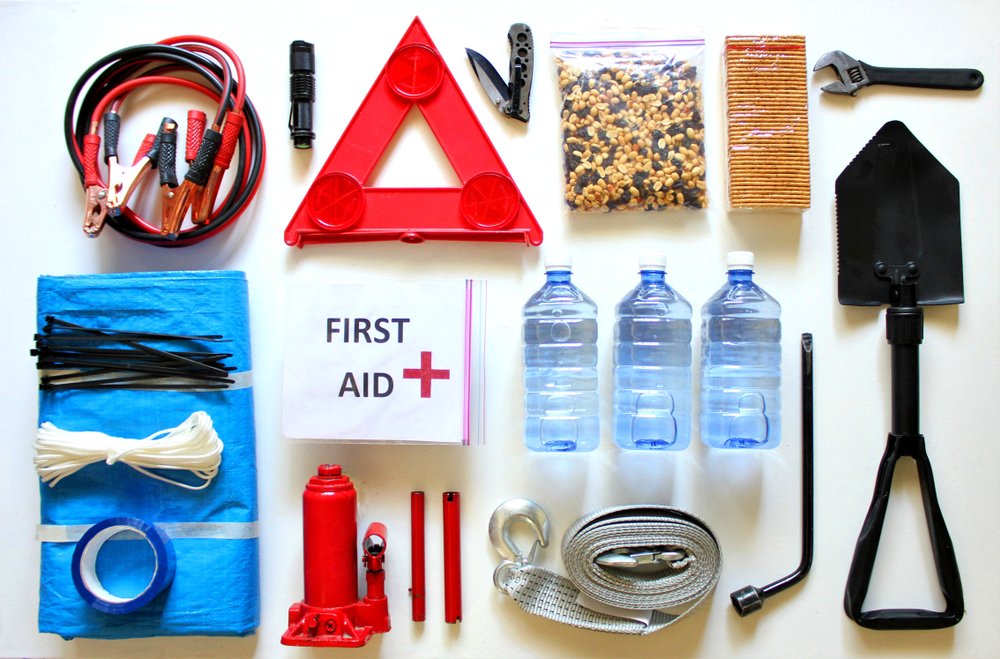
If you live in a place with extreme conditions, such as extreme heat or cold, a survival kit in your car is essential. If your car breaks down and you are not within a short walking distance of a town, or the weather is just too bad to leave your car, a survival kit could save your life. Your kit should include:
- Non-perishable food and water
- Blankets or sleeping bags
- First aid kit
- Flashlight with extra batteries
- Portable phone charger or power bank
- Small tool kit
- Jumper cables
- Shovel (for snow)
- Flares or reflective triangles
- Wax candle (can provide enough heat to keep you from freezing)
Read More: What to Pack: The Ultimate Emergency Kit Checklist for Crisis Situations
8. How to React to Wild Animals

Wild animals are incredible, but sometimes, they can be quite dangerous. If you ever find yourself swarmed by a hive of bees, run away as fast as you can. Don’t run into water, the bees will just wait for you to surface. Remember that bees are territorial, so if you run away quickly, they will eventually leave you alone when you are out of range of their home.
If there is an alligator chasing you, the rumor that running in a zig-zag pattern won’t save you. The alligator will just take the straight line and catch you quite quickly. Instead, do one zig prominent enough to fake them out, and then run as fast as you can in the other direction. They will follow your initial direction the first time, then they will have to redirect themselves to follow your actual path. In the time it takes them to do this, running in a straight line as fast as you can will allow you to create distance between you and the animal.
9. Escape a Rip Current
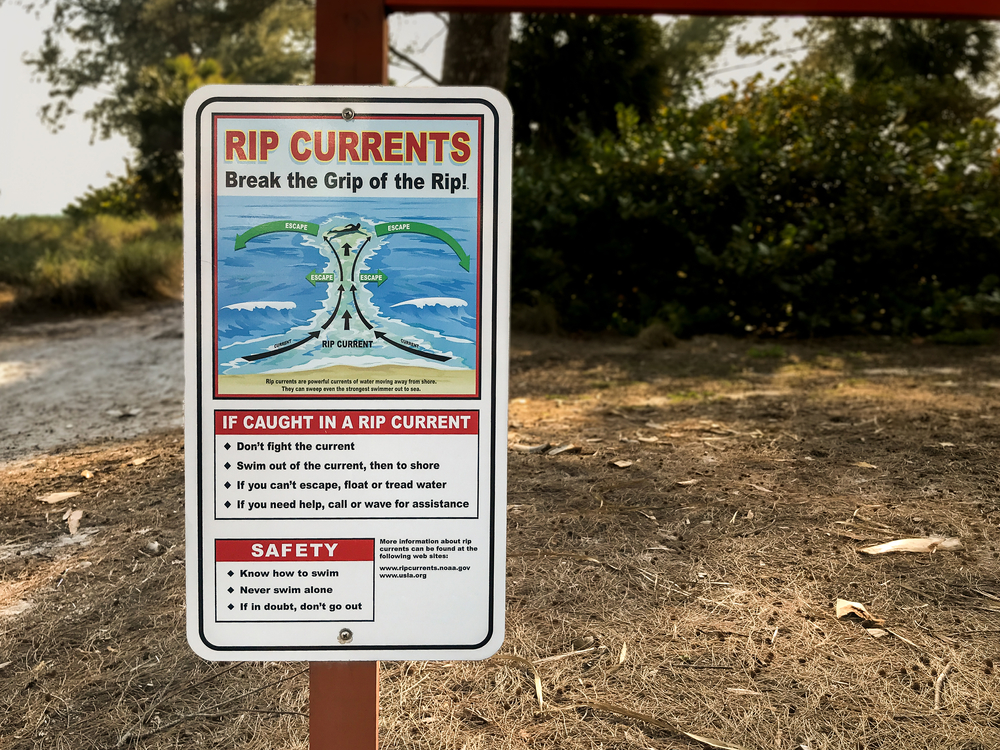
Getting caught in a rip current can be a terrifying experience. Whatever you do, don’t try to swim directly against it: You won’t win, and you will only tire yourself out. Rip currents are usually fairly narrow, so instead, swim sideways or perpendicular to the current. You will be able to escape the current and then swim back to shore. If the current pulled you fairly far out, remember tip number 3: Floating. You can use floating to give yourself breaks as needed, just don’t do so until you have successfully swam out of the rip current.
10. Start a Fire
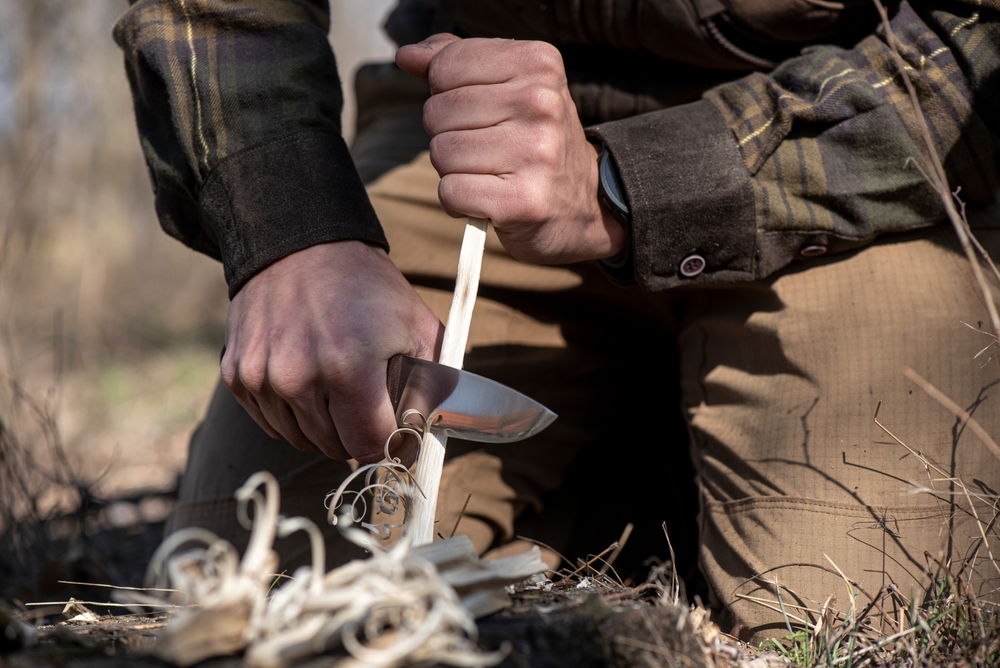
Fire is a vital survival tool and can be the difference between life and death. If you don’t have a lighter or matches, you can start a fire using various materials. You will need tinder (dry grass, shredded bark, cotton, or even balls of dryer lint), kindling (small twigs), and fuel (larger pieces of wood). You can create a spark using a ferro rod, a magnifying glass, or friction methods like smacking rocks together, a bow drill, or running sticks quickly together.
Stay Calm and Be Rational
One of the hardest things to do when we are in a scary situation is to stay calm. The problem is, not doing so blocks our ability to think rationally. The ‘survival mode’ of our brains, however, needs clear and rational thoughts in order to activate. Take some deep breaths if needed, as often as needed, and think through situations well. Walking away from your car in the middle of a snowstorm, when you don’t know how far the next town is? Not a good idea. Staying in your car and using your safety kit to keep yourself warm and dry until the storm blows over and help arrives? Much better. Humans have an incredible capacity to endure, so don’t forget that this, along with these survival tips, can get you a long way.
Read More: 12 Survival Skills Your Great-Grandparents Knew (That Most Of Us Have Forgotten)