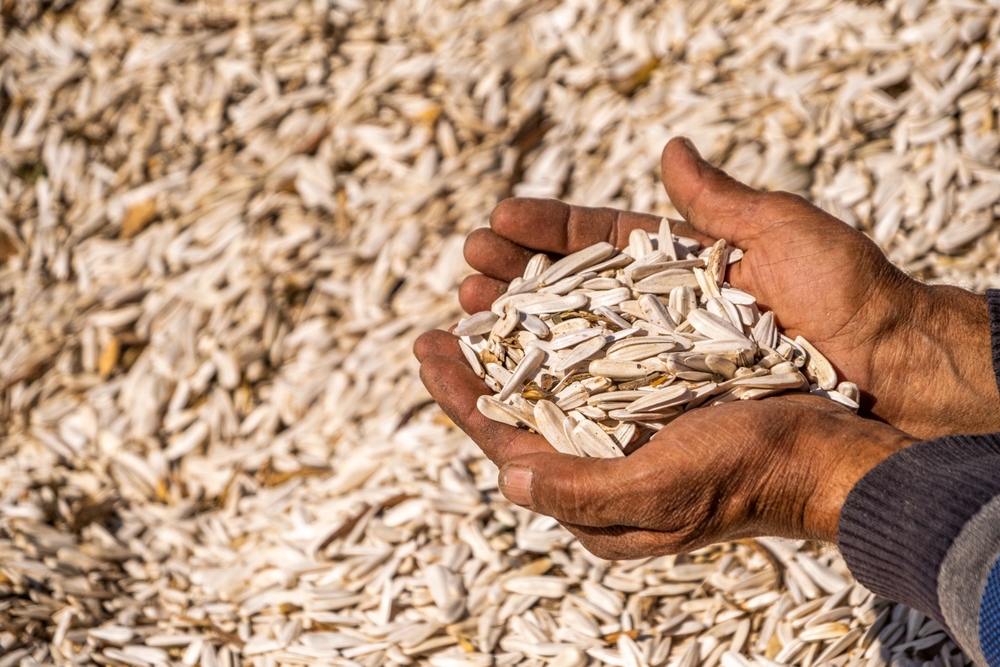

Many people believe that building muscle and losing fat depends solely on eating lots of lean meats or protein powders, but that is only part of the story. True progress results from combining strength training with a variety of whole foods that provide not only amino acids but also fiber, antioxidants, healthy fats, vitamins, and minerals. These nutrients support recovery, metabolic health, satiety, hormone regulation, and fat oxidation. Several superfoods exist beyond just “protein sources” – they are especially beneficial for improving body composition, preserving lean tissue while shedding fat, and optimizing performance. Each one plays a distinct role in supporting muscle growth or fat loss or both.
The Difference Between “Foods” and Superfoods

Foods are the everyday things we eat to give our bodies energy and essential nutrients like carbs, proteins, fats, vitamins, and minerals. This includes everything from fruits and vegetables to grains, meats, dairy, and even processed foods. Superfoods, however, are a special group of these foods that pack a powerful punch. A food is generally defined as a “superfood” when it is exceptionally rich in nutrients such as antioxidants, fiber, vitamins, minerals, or healthy fats that offer health benefits beyond basic nutrition. Although there is no official scientific or legal definition of superfoods, the term is widely used to describe foods that provide high nutritional density and are linked to promoting health, reducing inflammation, supporting metabolism, boosting the immune system, and potentially helping prevent chronic diseases.
Fatty Fish (Salmon, Sardines, Mackerel)
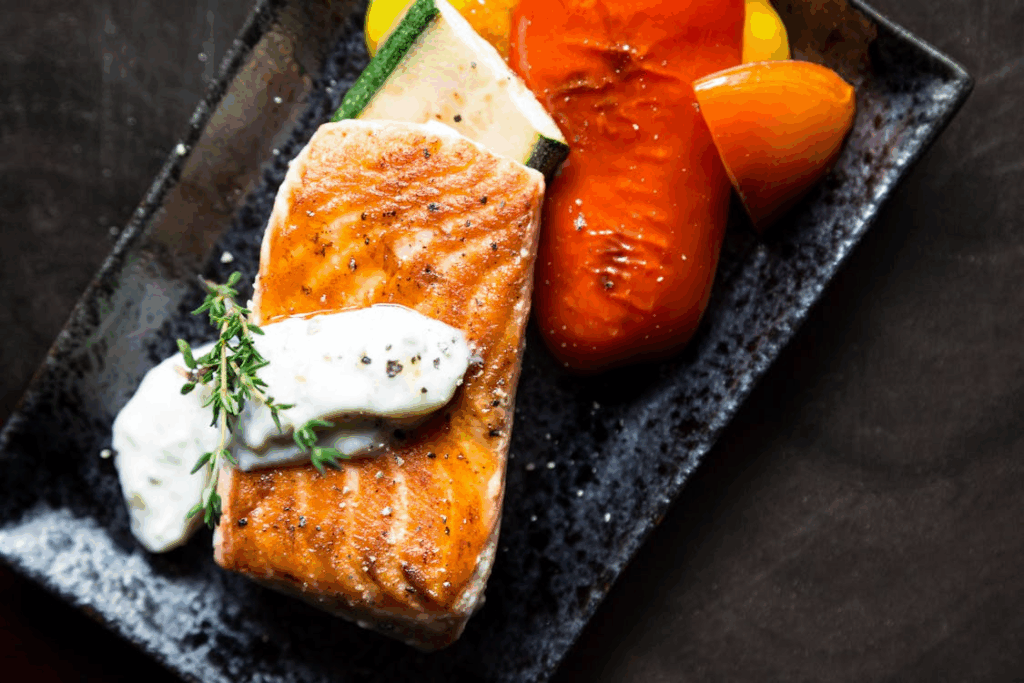
Fatty fish are rich in omega-3 fatty acids, particularly EPA and DHA. These fats help reduce inflammation and improve insulin sensitivity, which enhances nutrient uptake by muscle cells after workouts. Fatty fish also provide high-quality protein, but their fats contribute to more efficient fat burning. Research indicates that diets including fatty fish help reduce fat mass while preserving lean body mass.
Quinoa
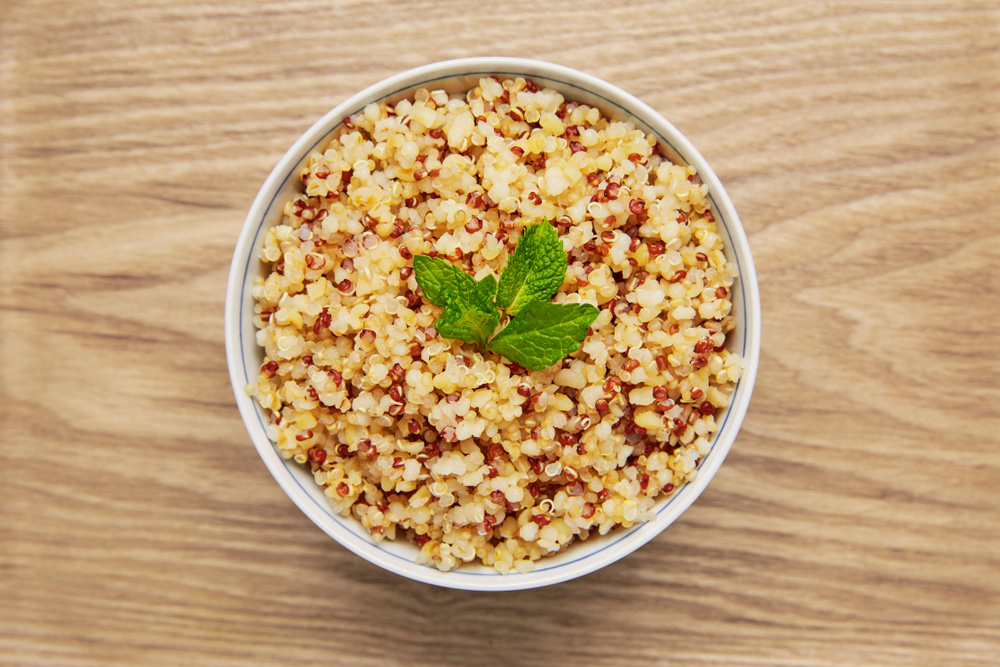
Quinoa is a complete plant-based grain, meaning it supplies all nine essential amino acids, though with lower total protein than animal sources. It also offers complex carbohydrates, fiber, iron, and magnesium. The carbohydrates help restore muscle glycogen after strength training, which is vital for recovery and maintaining performance. The fiber slows digestion, improving blood sugar control and prolonging satiety, which helps prevent overeating.
Leafy Greens (Spinach, Kale, Swiss Chard)
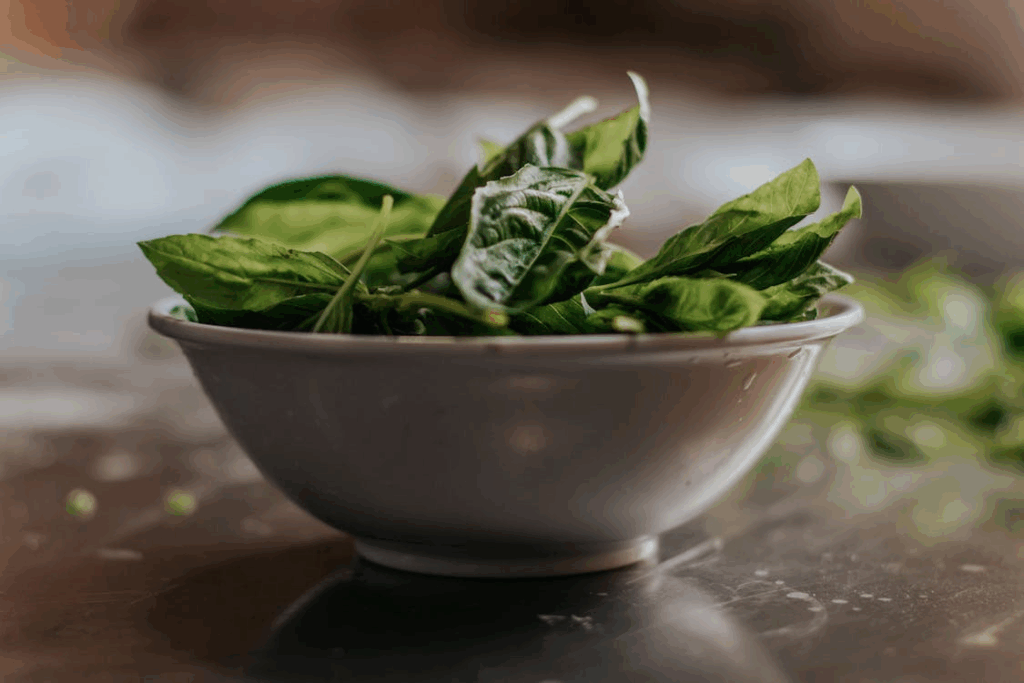
Leafy greens are low in calories but dense in micronutrients like magnesium, iron, potassium, folate, and vitamins A and C. Magnesium is important for muscle contraction and energy metabolism. Iron is necessary for oxygen transport, which supports endurance and strength. The antioxidants in leafy greens help reduce oxidative stress caused by intense training. Including these vegetables supports overall health and aids recovery, indirectly promoting muscle growth.
Nuts and Seeds (Almonds, Walnuts, Chia, Flax)
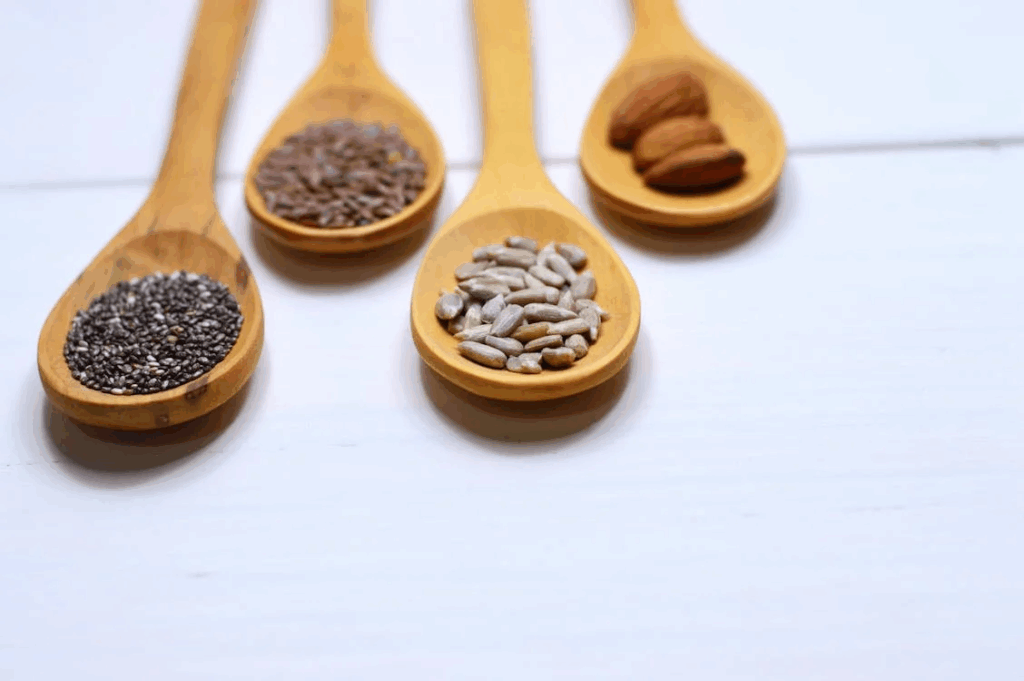
Nuts and seeds provide healthy fats (monounsaturated and polyunsaturated), fiber, some protein, and micronutrients such as vitamin E, zinc, and magnesium. These foods help maintain energy, support hormone function like testosterone, and promote fullness, reducing hunger between meals. Seeds such as flax and chia also contain omega-3 fatty acids in plant form, which can reduce inflammation and support fat metabolism.
Green Tea (Catechins, EGCG)
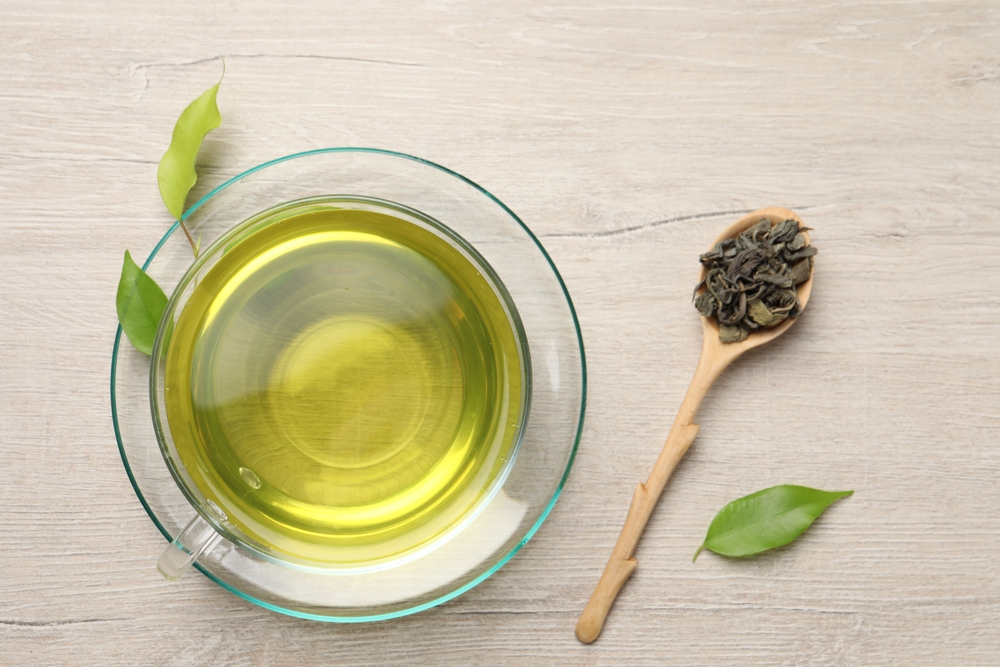
Green tea contains catechins like epigallocatechin gallate (EGCG), known for antioxidant and anti-inflammatory effects. Studies suggest that EGCG may help preserve muscle during aging and reduce fat accumulation when combined with exercise. Green tea extract has been found to decrease markers of muscle damage during fatigue and influence pathways involved in fat oxidation. This makes green tea one of the most versatile superfoods for both fat loss and muscle recovery.
Sweet Potatoes
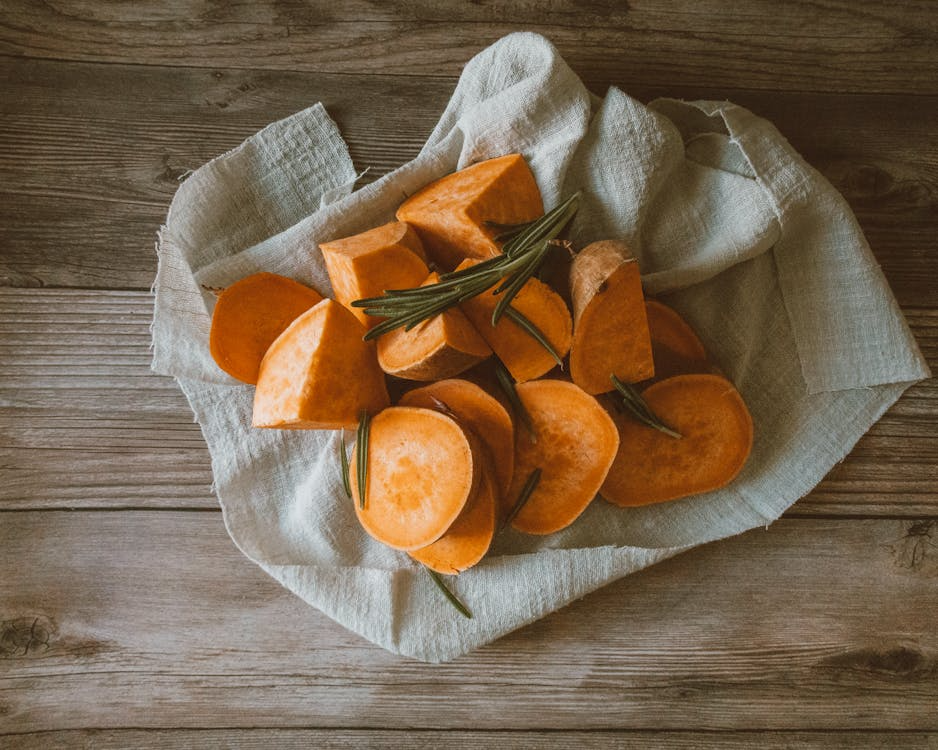
Sweet potatoes are excellent sources of complex carbohydrates and offer important micronutrients such as vitamin A (as beta-carotene), vitamin C, potassium, and fiber. Post-workout carbohydrates aid glycogen restoration and muscle recovery. Because sweet potatoes digest more slowly than refined carbs, they prevent blood sugar spikes, sustain energy levels, reduce cravings, and help maintain a caloric deficit when fat loss is the goal.
Eggs
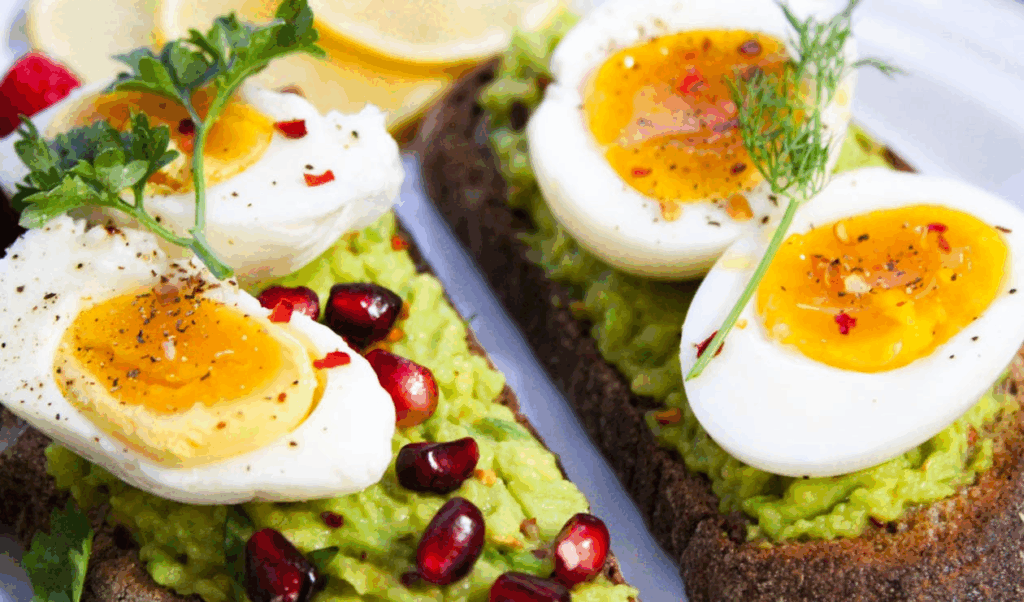
Eggs provide more than just protein. Their yolks contain choline, vitamins D, A, B12, and healthy fats, which support hormone balance, cognitive health, and fat metabolism. Eggs are considered a superfood because their protein is incredibly effective at stimulating muscle protein synthesis due to its high leucine content. Consuming whole eggs increases satiety, helping reduce overall calorie intake while preserving lean mass.
Greek Yogurt
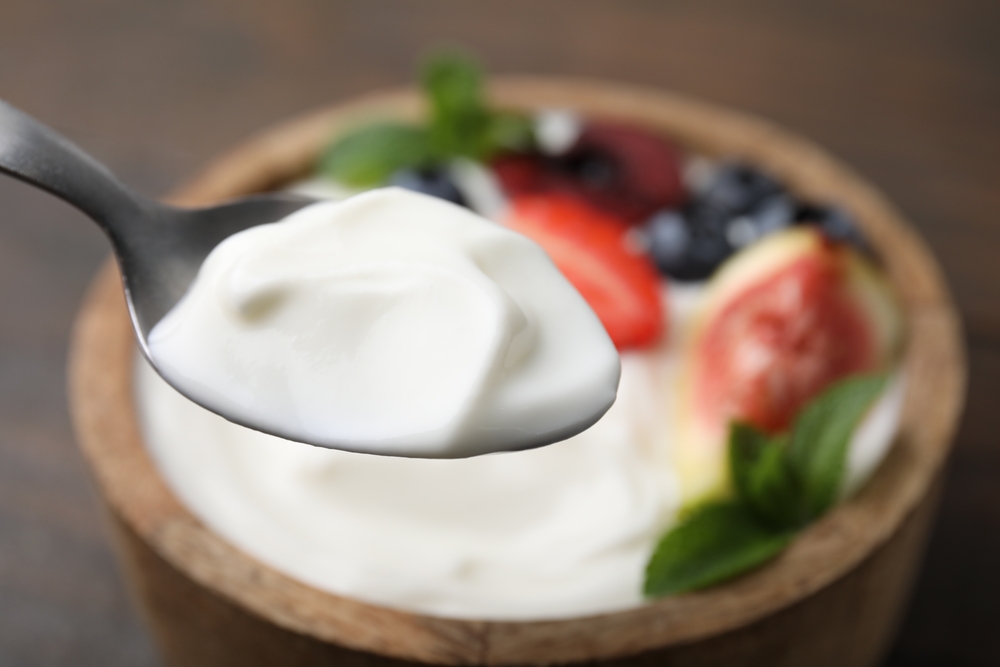
Greek yogurt contains more protein and typically less sugar than regular yogurt. It supplies calcium and probiotics that support gut health, which can enhance nutrient absorption and metabolic function. Including Greek yogurt in the diet aids muscle repair, reduces lean mass loss during dieting, and helps maintain strong bones due to its favorable nutrient profile.
Legumes (Lentils, Chickpeas, Beans)
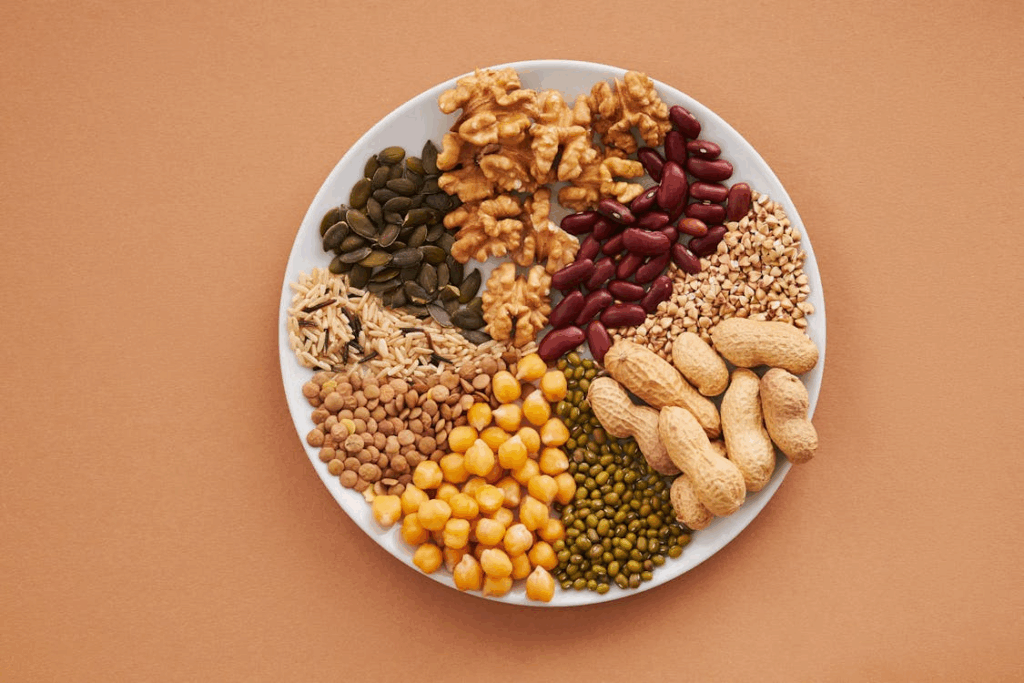
Legumes are often underestimated as a superfood because their protein content per gram is lower than animal products. However, they provide a valuable combination of protein, fiber, and micronutrients. They are very satiating, slow digestion, control blood sugar spikes, and promote gut health through their fiber content. Research shows diets higher in fiber and plant protein improve fat loss outcomes while preserving lean mass. Legumes are low in fat and cost-effective as well.
Olive Oil
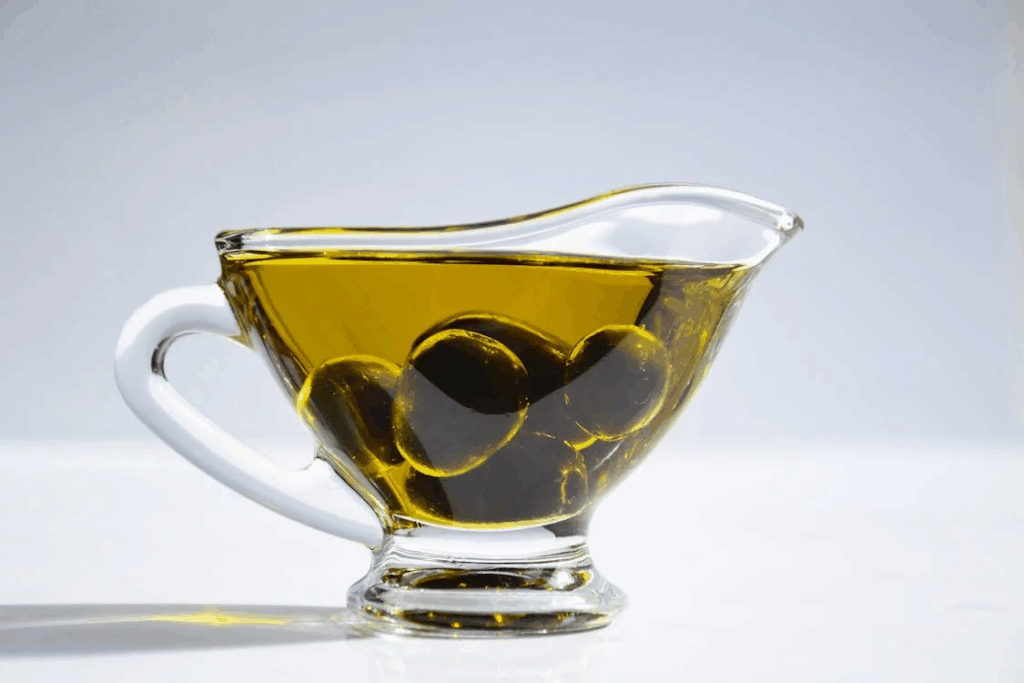
Healthy fats are essential for general health and hormone production, including hormones involved in muscle growth. Olive oil provides monounsaturated fats, vitamin E, and polyphenols, which help control inflammation, support cardiovascular health, and may enhance fat oxidation. Using extra virgin olive oil in moderation in cooking or on salads is beneficial compared to avoiding fats completely.
Berries (Blueberries, Raspberries, Strawberries)
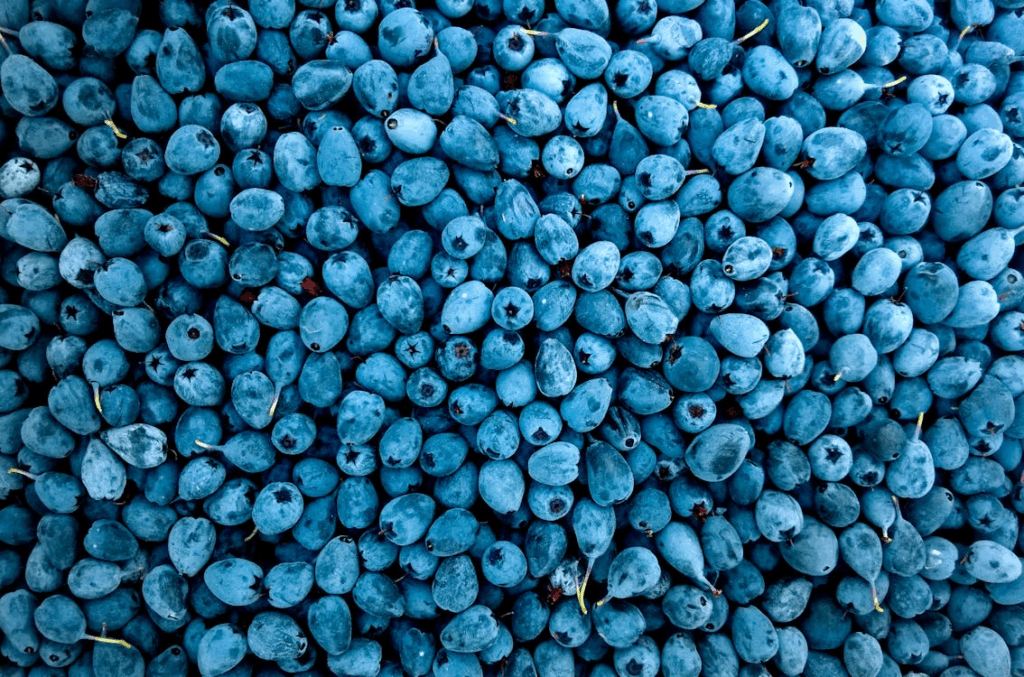
Berries are rich in antioxidants, vitamin C, and fiber while being low in calories. Antioxidants help neutralize free radicals produced during intense exercise, which supports recovery. Vitamin C is important for collagen formation, necessary for connective tissue health. The fiber in berries aids digestion and increases satiety. These fruits provide a natural sweet option that helps reduce consumption of unhealthy processed sugars.
How to Easily Add More Superfoods to Your Diet

The easiest way to bring superfoods into your routine is by making small swaps. Try tossing spinach, berries, chia seeds, and Greek yogurt into a morning smoothie. Trade your usual snacks for something more nutrient-dense, like almonds, roasted chickpeas, or a handful of fresh berries. Add a sprinkle of flax or chia seeds over salads or yogurt for extra healthy fats and fiber. And when it comes to meals, swap refined carbs for whole grains like quinoa or farro. These little changes add up, boosting your nutrition without requiring a total diet overhaul.
How These 11 Superfoods Support Muscle Building and Fat Loss

Building muscle and losing fat is not just about loading up on protein. The real key is choosing foods that help your body recover, keep your metabolism working efficiently, control hunger, and protect your muscles. The 11 superfoods highlighted here do exactly that. Fatty fish calm inflammation and help your body absorb nutrients more effectively. Quinoa and sweet potatoes provide steady energy and restore what you burn during workouts. Leafy greens, berries, and legumes bring plenty of fiber, antioxidants, and vitamins. Nuts and olive oil add healthy fats that support hormones, while eggs and Greek yogurt deliver complete proteins along with valuable micronutrients. Even green tea plays a role by supporting fat burning and reducing muscle damage. Pairing these foods with strength training, balanced calories, and proper rest is what really drives results. In the end, staying consistent matters more than any single ingredient.
Read More: Why Camu-Camu Berry Is a Superfood Powerhouse for Your Health
Disclaimer: This article was created with AI assistance and edited by a human for accuracy and clarity.