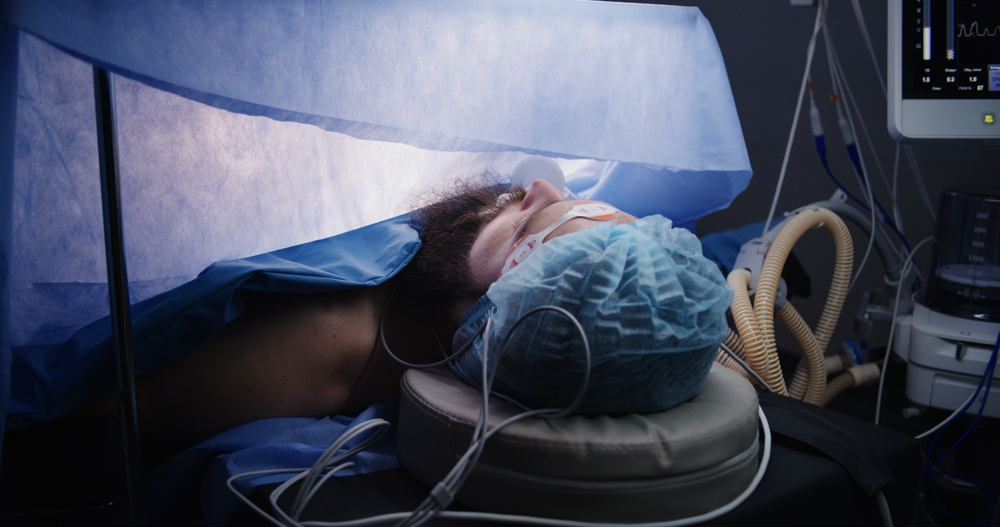

Anesthesia is a medically controlled state that prevents patients from feeling pain and remembering procedures. It is not the same as natural sleep. During anesthesia, the brain, nervous system, and body functions are carefully managed by trained specialists. Modern anesthesia is the result of centuries of progress, from ancient herbal remedies to advanced medications and monitoring systems. To understand what happens under anesthesia, it helps to look at its history, how it developed, why people need it today, and what occurs step by step inside the body.
The Early History of Anesthesia
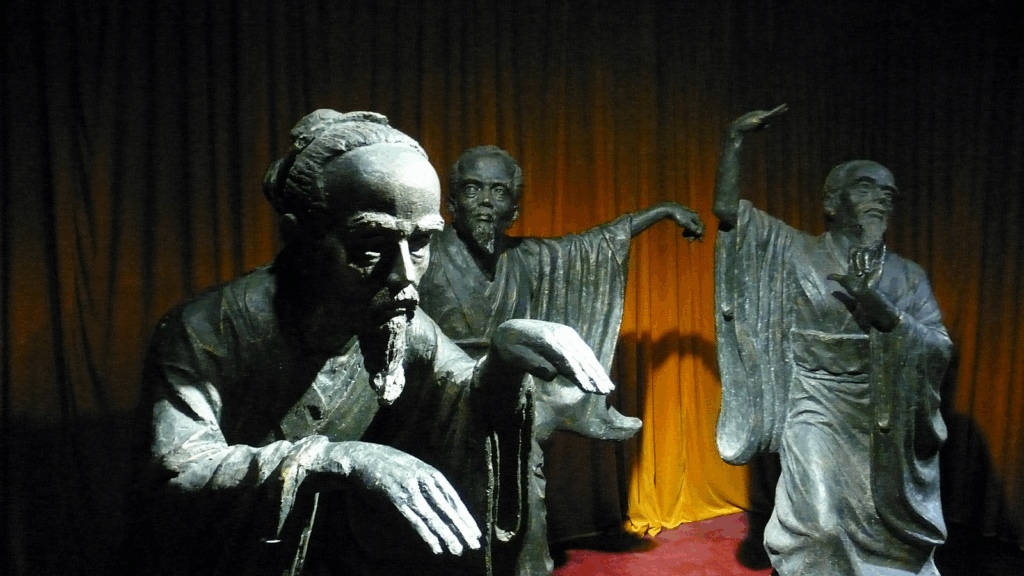
Before modern science, people used natural substances to dull pain during surgery. Ancient civilizations relied on opium, alcohol, cannabis, or mandrake root. These were ingested, inhaled, or applied in crude ways, often with limited success and high risk. In ancient China, a physician named Hua Tuo (pictured) is recorded to have used herbal mixtures combined with acupuncture to reduce pain. By the Middle Ages, sponges soaked in alcohol and plant extracts were pressed to a patient’s face, causing drowsiness but also frequent complications.
The first true breakthrough came in 1846 when William T. G. Morton publicly demonstrated ether at Massachusetts General Hospital. Ether could render patients unconscious, allowing surgeons to operate without causing unbearable pain. Shortly after, chloroform was also introduced. These early anesthetics were revolutionary but carried dangers such as cardiac arrest and liver toxicity. They marked the beginning of controlled surgical anesthesia, even though outcomes were still unpredictable.
From the Victorian Era to Modern Medicine
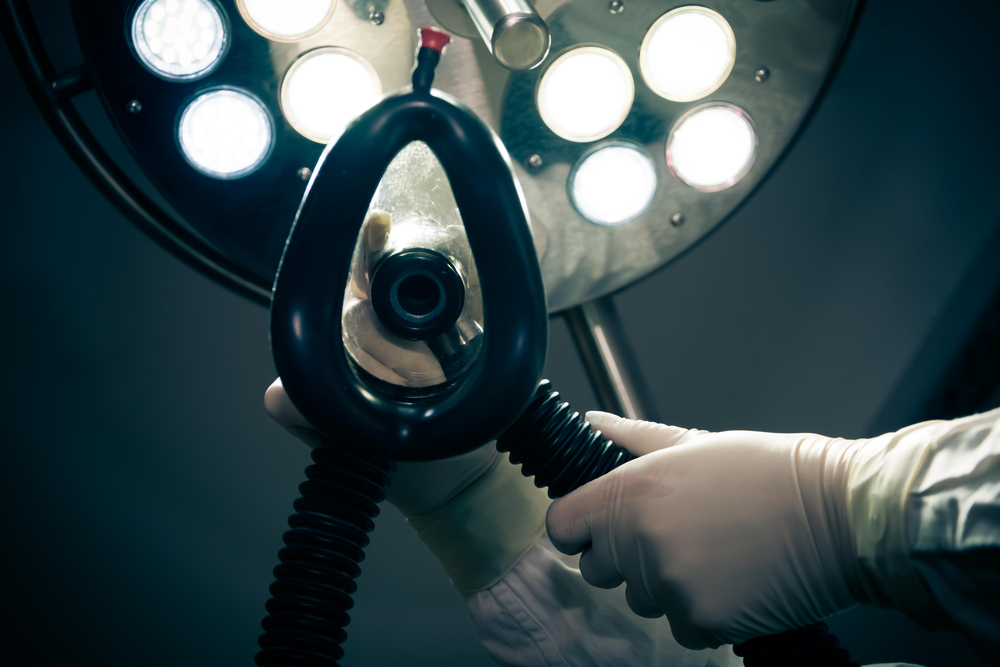
In the Victorian era, anesthesia gained wider acceptance. Queen Victoria used chloroform during childbirth in 1853, which encouraged public trust. However, accidents were common due to poor understanding of dosage and lack of monitoring equipment. During the Industrial Revolution, advances in chemistry and physiology allowed scientists to better study drug effects on the body. Nitrous oxide, or laughing gas, became common in dentistry and minor surgery.
By the early 20th century, anesthesiology began to emerge as a specialized field. Inhaled gases, intravenous medications, and the first monitoring techniques were introduced. Machines capable of tracking breathing, heart rate, and blood oxygen levels greatly improved safety. By the mid-1900s, anesthesiologists could combine drugs with muscle relaxants and oxygen delivery, creating safer and more precise control of unconsciousness. Today, anesthesiology is a recognized medical specialty with rigorous training and advanced monitoring systems.
Why Anesthesia Is Needed Today
Modern medicine depends on anesthesia for a wide range of procedures. Patients with severe dental anxiety may require mild sedation even for a cleaning. Outpatient surgeries, such as endoscopies or cataract removal, often use local or regional anesthesia. Major operations, including heart surgery, joint replacement, and tumor removal, require general anesthesia to keep patients unconscious and pain-free for extended periods. Organ transplants, neurosurgery, and trauma care would not be possible without it.
Anesthesia is not only for comfort but also for safety. Many procedures would be impossible if patients moved due to pain or reflexes. Controlled unconsciousness allows surgeons to operate with precision while anesthesiologists continuously monitor vital signs to ensure stability.
1. Preparing the Mind and Body

Patients are usually instructed not to eat or drink for 6 to 8 hours before anesthesia. This reduces the risk of aspiration, a condition where stomach contents enter the lungs during unconsciousness. Certain medications may need to be paused, depending on medical history. Many patients also experience anxiety, and doctors sometimes prescribe mild sedatives or recommend relaxation techniques to ease stress before the procedure. Preparation is as much about safety as it is about patient comfort.
2. Reviewing Medical History and Vital Signs

Before anesthesia is administered, the anesthesiologist gathers a complete medical history. They ask about allergies, chronic conditions, and any past reactions to anesthetics. Vital signs such as blood pressure, heart rate, and oxygen saturation are carefully measured. This information allows the anesthesiologist to create a personalized plan for the safest and most effective anesthesia. Patient-specific details reduce the risk of complications during surgery.
3. Starting Intravenous Access
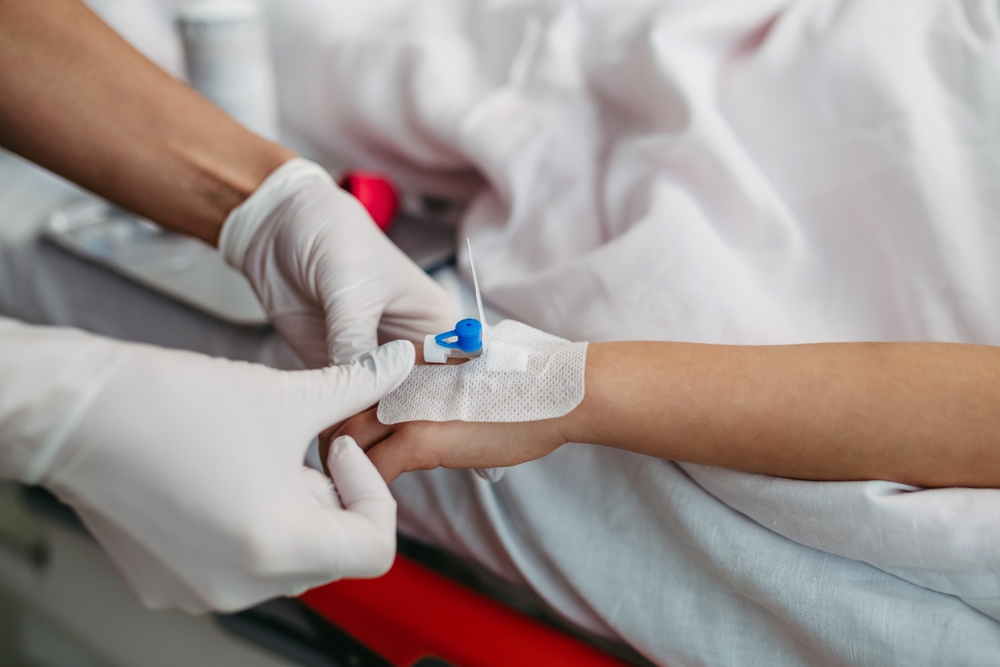
An intravenous (IV) line is placed into a vein in the arm or hand. Through this line, anesthetics, fluids, and emergency drugs can be given immediately. The IV ensures rapid, precise dosing of medications throughout surgery. Patients may feel a slight pinch during insertion, but it is quick and essential. This access also allows anesthesiologists to respond instantly if adjustments are required.
4. Initial Sedation
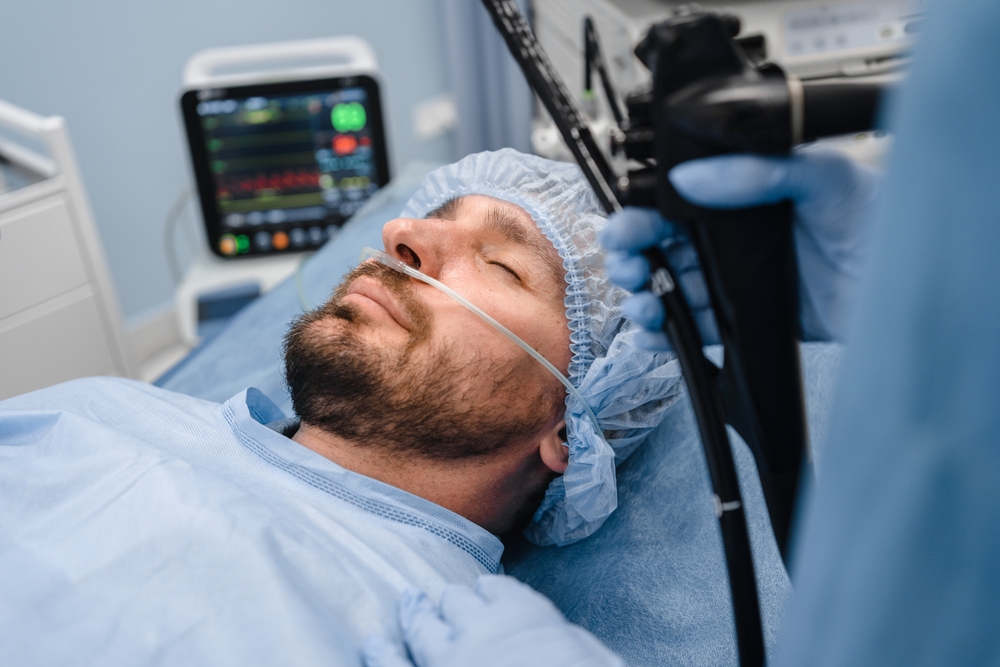
Once anesthetic drugs are administered, patients begin to feel drowsy within seconds. Sedatives calm the nervous system and create a state of relaxation. Many patients describe a dreamlike sensation just before losing awareness. Unlike natural sleep, this process is medically controlled and much deeper. The transition happens smoothly, ensuring patients are comfortable as consciousness fades.
5. Suppression of Nervous System Activity
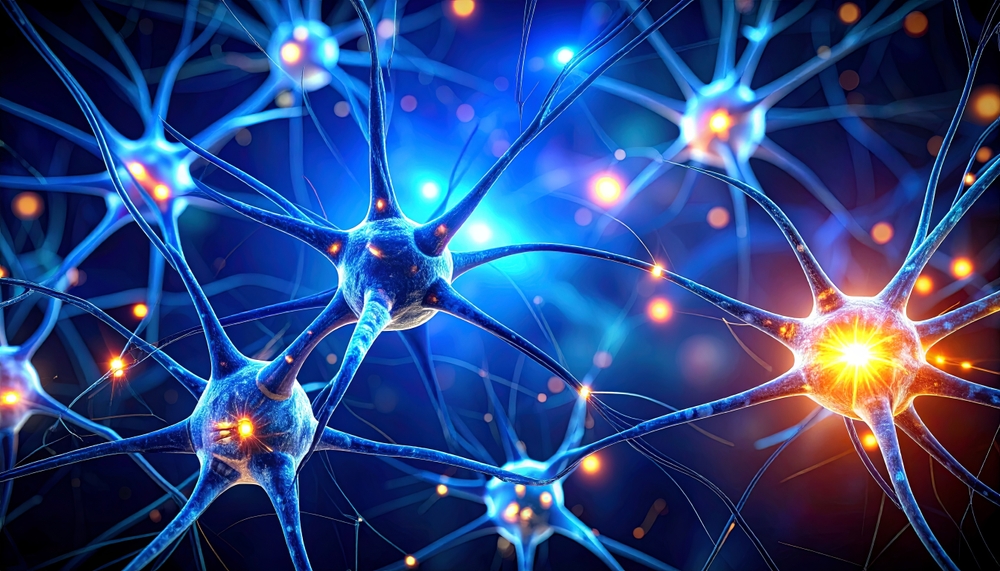
General anesthetics disrupt the communication between neurons in the brain and spinal cord. This slows down the central nervous system, blocking the signals that carry pain and sensory information. As brain activity decreases, consciousness is suspended. Unlike fainting, this state is carefully monitored and sustained for the duration of surgery. The body enters a protective state where awareness and sensation are paused.
6. Muscle Relaxation
https://www.shutterstock.com/image-photo/surgical-team-hospital-medical-professionals-work-2672864163
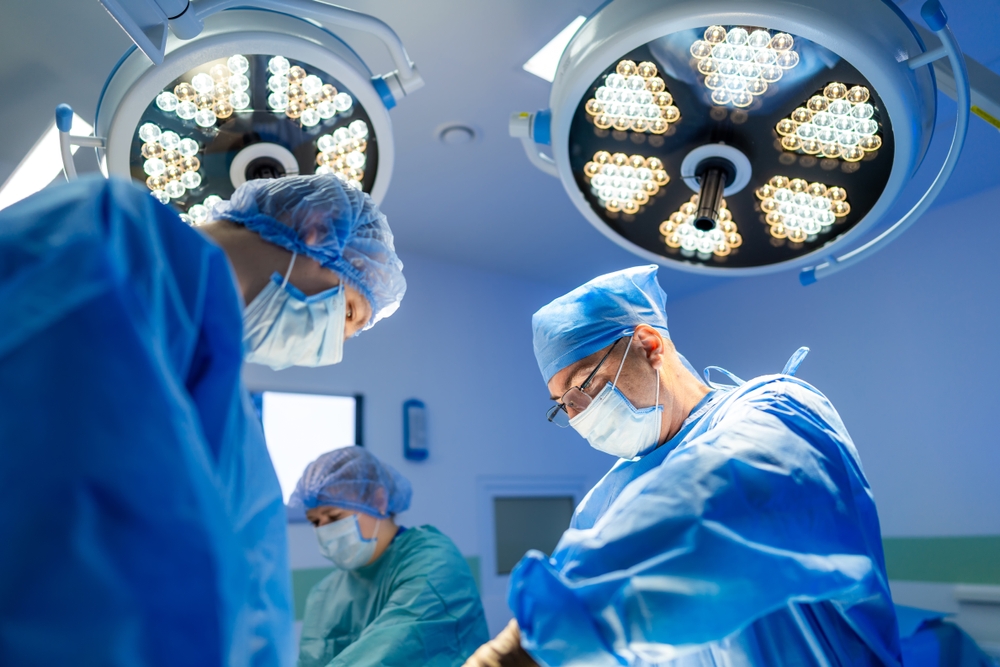
To prevent movement during surgery, muscle relaxants are often administered. These drugs temporarily paralyze skeletal muscles, making surgery safer and more precise. Because the muscles used for breathing can also be affected, patients may require a breathing tube. Mechanical ventilation ensures oxygen continues to reach the lungs throughout the procedure. Muscle relaxation is one of the key differences between anesthesia and natural unconsciousness.
7. Continuous Monitoring
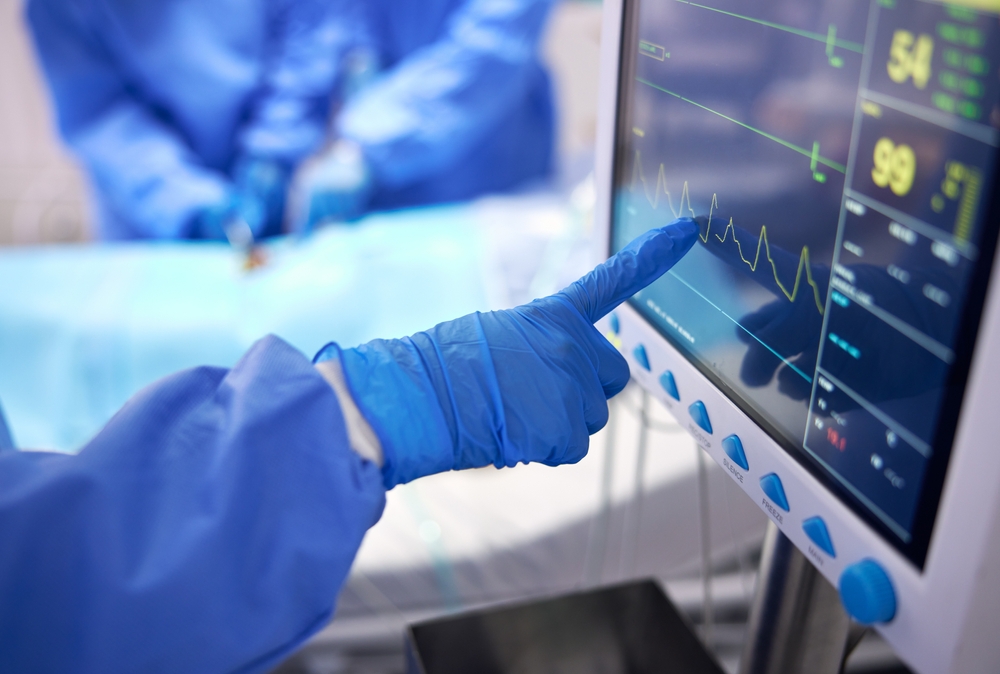
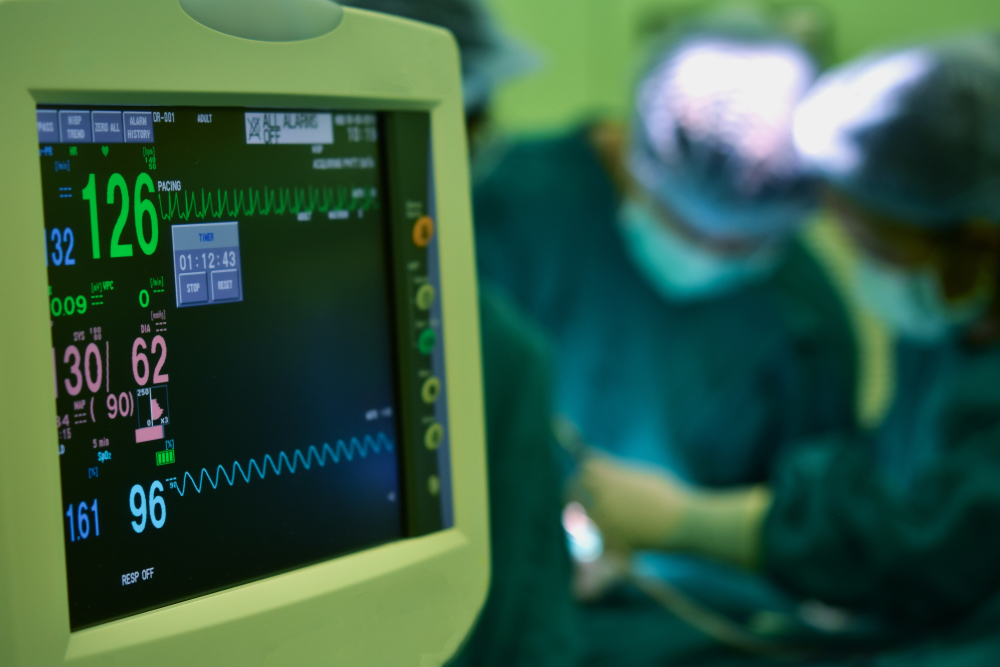
During surgery, anesthesiologists track vital signs using advanced monitoring equipment. Heart rate, blood pressure, oxygen levels, and sometimes even brain activity are continuously measured. This allows immediate adjustments if any readings move out of the safe range. The anesthesiologist remains present throughout the entire procedure. Constant vigilance is what makes anesthesia much safer today than in the past.
8. Memory Block
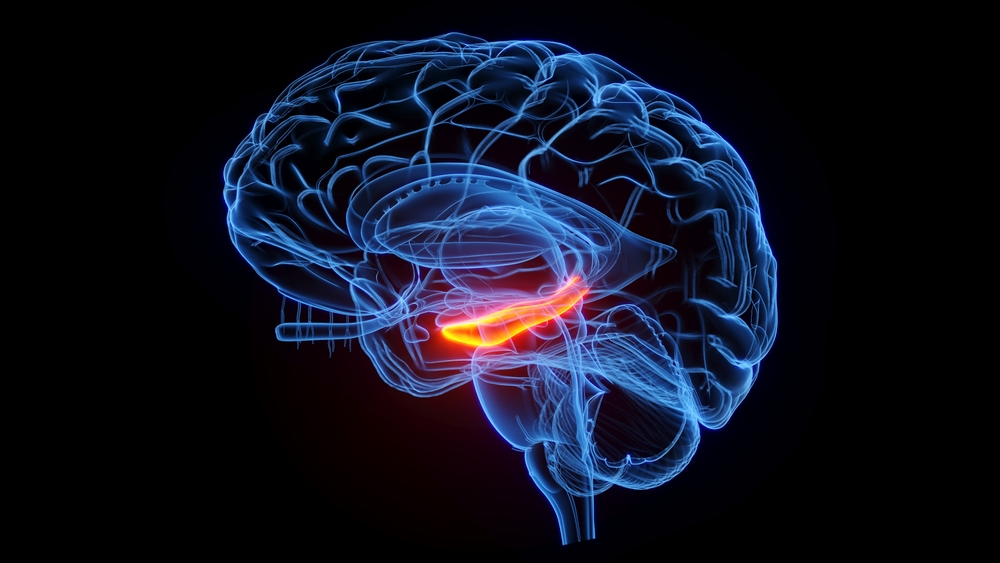
One of the effects of anesthesia is amnesia, which prevents the formation of new memories. This occurs because anesthetics interfere with the hippocampus, the brain region responsible for memory storage. Patients may respond physically to surgery, but they will not recall the experience afterward. This memory block is intentional and essential for patient comfort. It ensures that no traumatic memories are formed during invasive procedures.
9. Pain Signal Interruption

In addition to memory suppression, anesthesia blocks pain signals from traveling to the brain. The drugs interfere with nerve pathways that normally transmit sensations of pain. This is why patients can undergo complex surgeries without experiencing distress. The brain is essentially shielded from incoming pain messages. This process makes surgery both possible and humane.
10. Gradual Return of Awareness

As surgery concludes, the anesthesiologist slowly reduces the level of anesthetics. Nervous system activity begins to return, and the brain regains consciousness. Patients usually wake up feeling groggy, confused, or disoriented. This transition is closely supervised to ensure stability. The process is carefully timed to match the end of surgery and prevent awareness during the procedure.
11. Recovery Phase

In the recovery room, patients are monitored until vital signs return to safe levels. Common side effects include nausea, chills, or a sore throat from the breathing tube. These effects usually resolve within a few hours. Nurses and doctors continue to observe for any complications, such as changes in breathing or blood pressure. Once stable, patients receive instructions for rest and follow-up care.
An Invisible Partner in Modern Medicine
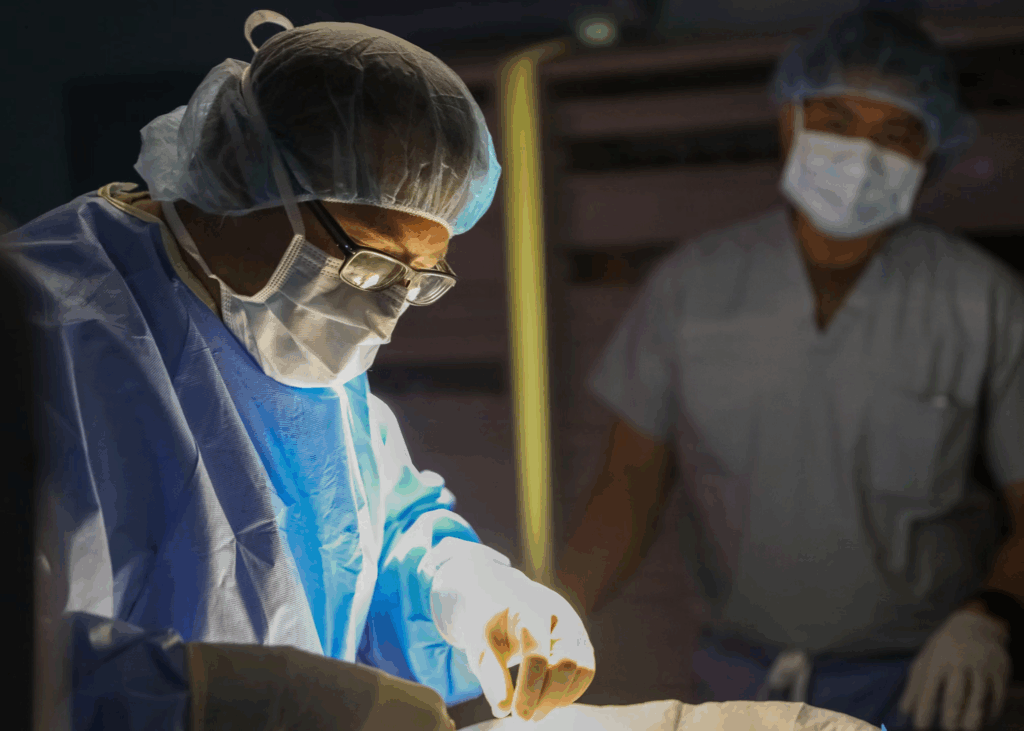
Anesthesia is one of the most important achievements in medical history. It evolved from crude herbal mixtures and risky early gases into a precise, carefully monitored science. Today, anesthesiologists combine pharmacology, advanced technology, and constant observation to ensure patient safety and comfort. When a person is under anesthesia, their body undergoes a series of carefully managed changes, from preparation to unconsciousness to recovery. Without it, many of the life-saving and life-improving surgeries we take for granted would not be possible.
Read More: 5 Little-Known Benefits of Hibiscus Tea
Disclaimer: This article was created with AI assistance and edited by a human for accuracy and clarity.