
4. “Have You Been Drinking?”
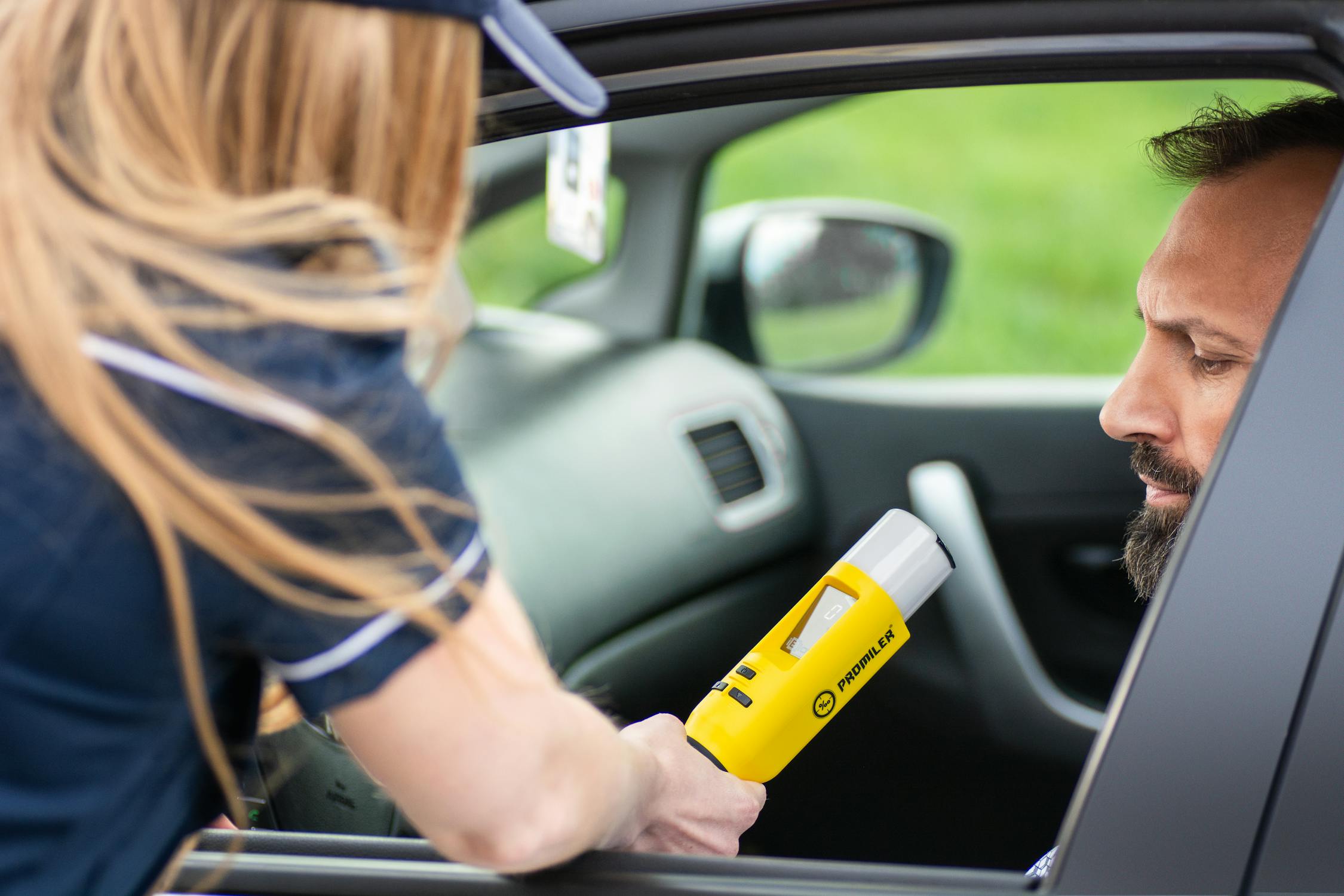
This is a critical question that can have serious implications. Admitting to drinking can lead to further testing or charges. You’re not obligated to answer this question. A respectful, “I choose not to answer,” is appropriate. Remember, you have the right to remain silent. Providing information can be self-incriminating. It’s important to be aware of your rights in these situations. Staying silent doesn’t imply guilt; it’s a legal protection. If the officer doesn’t have a good reason to believe you’re impaired, you usually don’t have to agree to a breathalyzer test.
Most states have “implied consent” laws, which means that by driving, you agree to take a breathalyzer or other tests if an officer has a strong reason to think you’re under the influence. But if the officer doesn’t have that reason or hasn’t arrested you, you don’t have to say yes. Keep in mind, if you are arrested for driving under the influence and refuse the test, you could face penalties like losing your license. So, it’s important to know that you don’t have to take the test unless the officer has a good reason or you’ve been arrested.